Quick Answer
A dog wheelchair can significantly improve mobility and quality of life for dogs with degenerative myelopathy (DM), especially in the early to mid stages. The Walkin' Wheels system offers both rear and front attachments that adapt as your dog's condition progresses, providing support for dragging back legs and eventual full-body weakness.
How Degenerative Myelopathy Affects Your Dog's Mobility
Degenerative myelopathy is a progressive spinal cord disease that typically starts with hind leg weakness and dragging of the back paws. Over time, it can lead to complete paralysis of the rear limbs and eventually affect the front legs. The condition is not painful, but it severely limits your dog's ability to walk, stand, and maintain balance.
Early signs include wobbling, knuckling of the paws, and difficulty getting up from a lying position. As DM advances, dogs often drag their back legs, which can cause abrasions and infections. A wheelchair designed for DM can help prevent these secondary issues while keeping your dog active and engaged.
When to Introduce a Wheelchair for DM
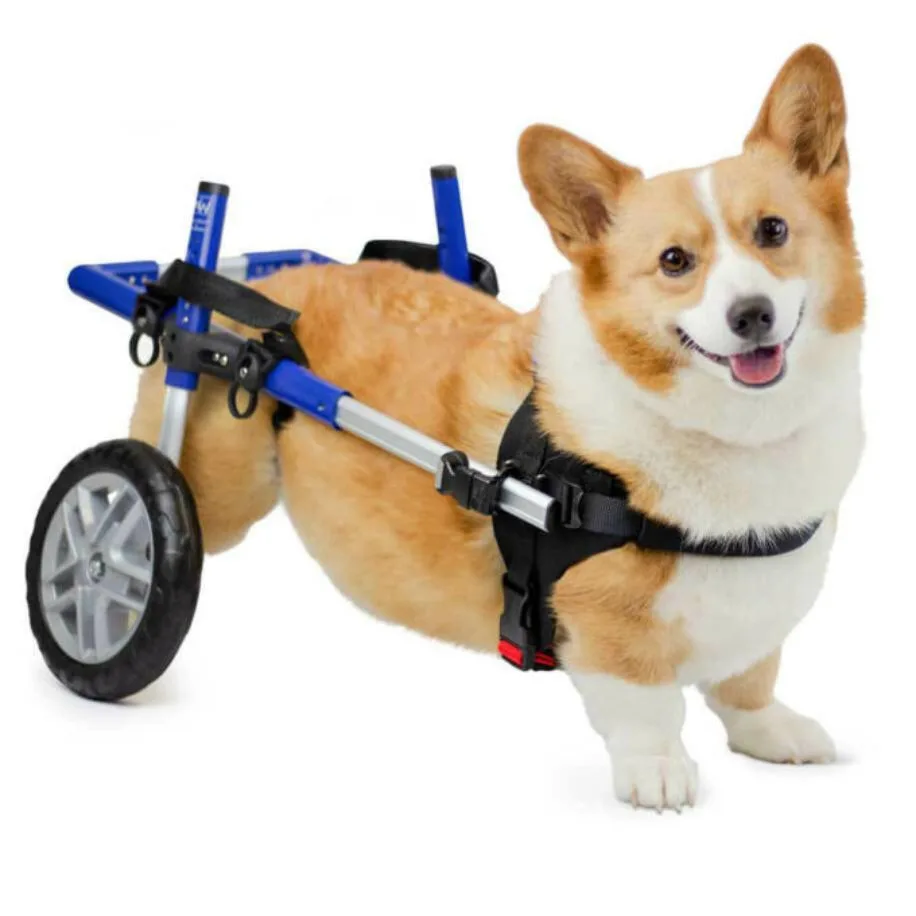
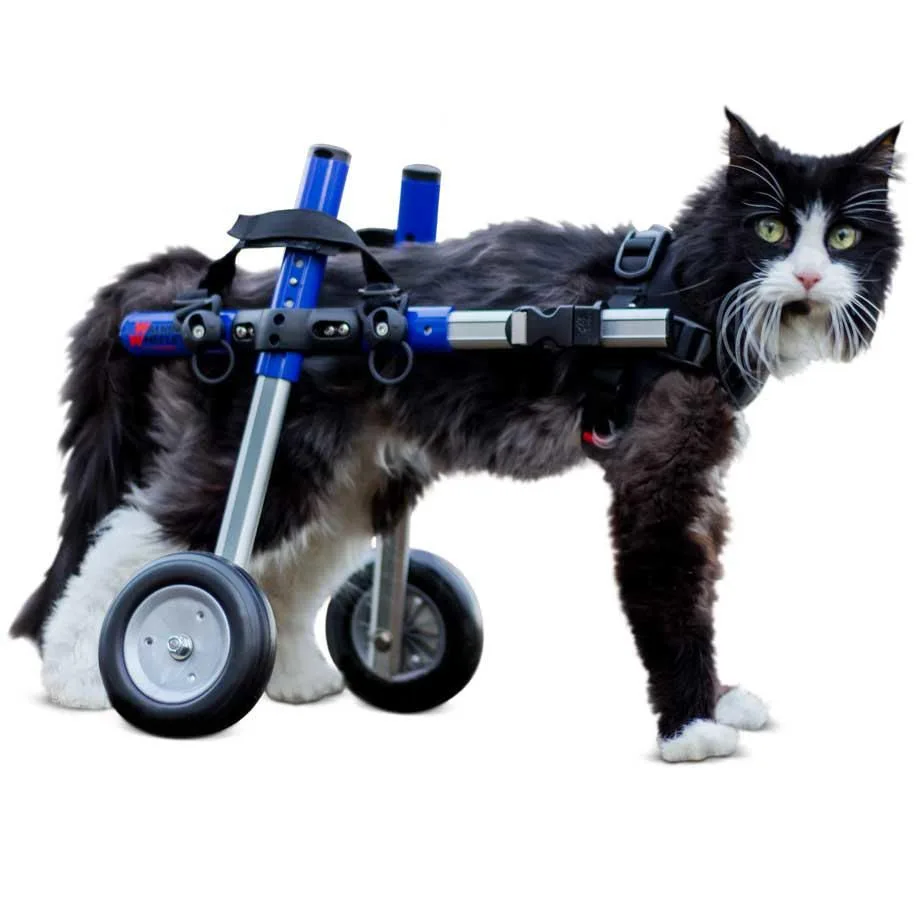
The ideal time to start using a wheelchair is when your dog begins to show noticeable hind leg weakness but can still support some weight. Waiting too long can lead to muscle atrophy and joint stiffness, making it harder for your dog to adjust. A rear wheelchair like the Walkin' Wheels Small Dog Wheelchair provides support for the back legs, allowing your dog to use its front legs to steer and propel forward.
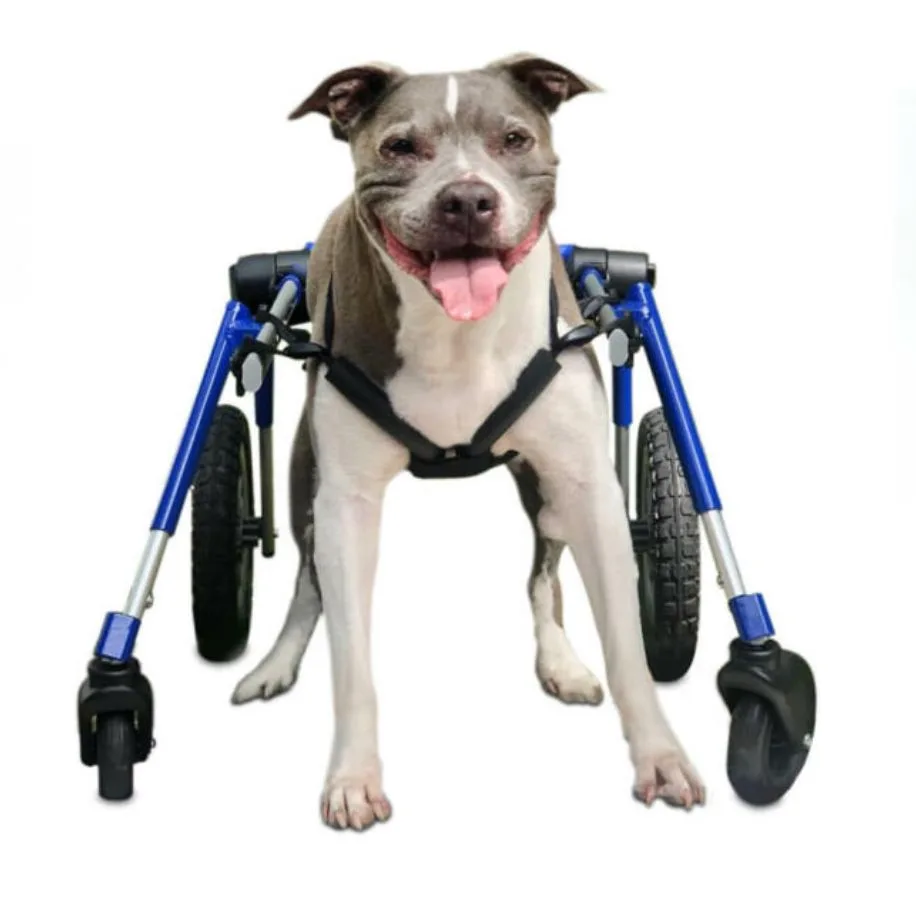
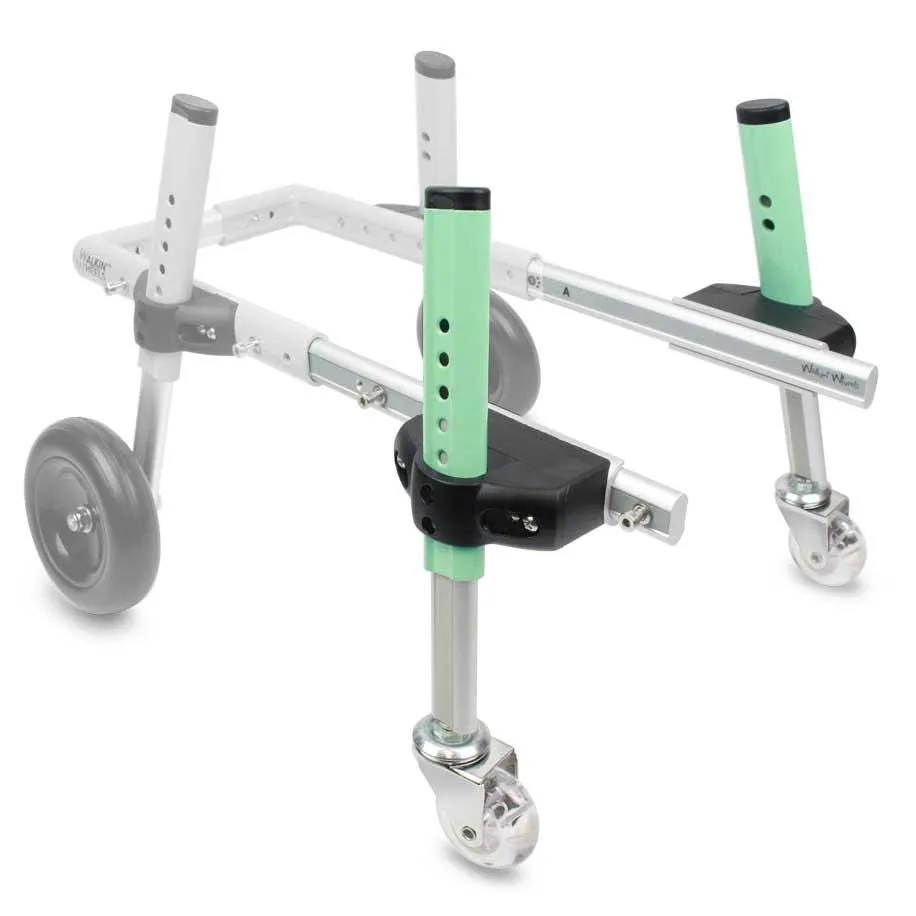
As the disease progresses to the front legs, you can add a front wheel attachment to convert the wheelchair into a full-support quad chair. This adaptability is crucial for DM because the condition is progressive and your dog's needs will change over time.
Choosing the Right Wheelchair Setup for DM
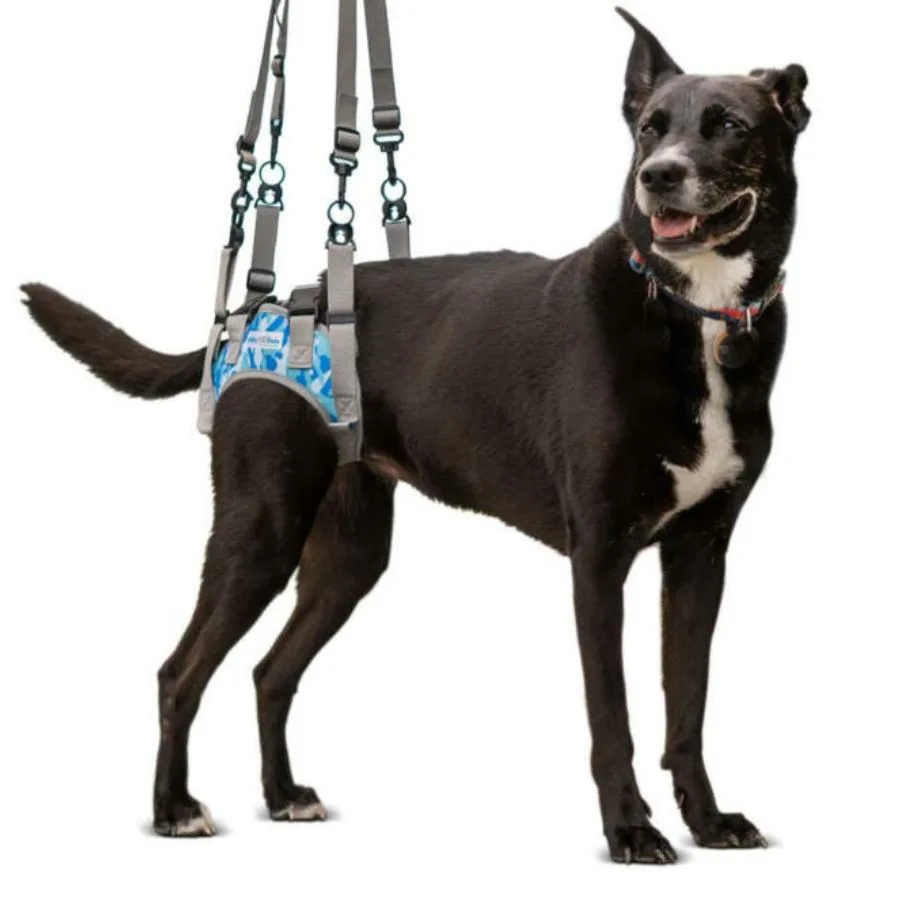
For small dogs (11–25 lbs) in the early stages, the Walkin' Wheels SMALL Dog Wheelchair offers rear support that helps with dragging back legs. The lightweight frame and adjustable fit make it comfortable for daily use. For larger dogs (70–180 lbs), the Walkin' Wheels LARGE Front Wheel Attachment can be added to a rear wheelchair to provide full-body support when front leg weakness develops.
The front attachments are designed to convert your existing rear wheelchair, so you don't need to buy a completely new chair as DM progresses. This modular approach saves money and ensures your dog always has the right level of support. Measure your dog carefully and consult with your veterinarian to determine the best starting point.
Degenerative Myelopathy: Diagnosis and Action Plan
- Symptom: Hind leg weakness, paw knuckling, wobbling, and dragging back legs. Your dog may have difficulty standing or walking. Note the onset and progression. Early intervention with a wheelchair can slow muscle loss.
- Likely Cause: Degenerative myelopathy is a progressive spinal cord disease with no known cure. It is most common in middle-aged to older dogs of certain breeds like German Shepherds, Boxers, and Pembroke Welsh Corgis. A veterinary diagnosis is essential to rule out other conditions like IVDD or hip dysplasia.
- Corrective Action: Introduce a rear wheelchair as soon as hind leg weakness appears. As the disease progresses to the front legs, add a front wheel attachment to maintain full support. Physical therapy and a balanced diet can complement wheelchair use. The Walkin' Wheels modular system adapts to your dog's changing needs, making it a practical long-term solution.
- Stop or Choose Another Option: If your dog is in the final stages of DM with complete paralysis and no ability to support any weight, or if your dog shows signs of pain, respiratory difficulty, or loss of bladder/bowel control, consult your veterinarian about palliative care or humane euthanasia. A wheelchair cannot reverse the disease. Quality of life should guide your decisions. A wheelchair is a tool, not a cure.
Wheelchair Options for Degenerative Myelopathy
- Walkin' Wheels SMALL Dog Wheelchair: Created for small pets weighing between 11 and 25 pounds, the Walkin’ Wheels Small dog wheelchair provides life-changing support to keep pets active. The small rear dog wheelchair provides hind leg support so your best friend can continue to run, play, and enjoy an active life. For dogs with early-stage DM, rear support helps maintain muscle tone and prevents paw dragging injuries, keeping your small dog mobile longer.
- Walkin' Wheels LARGE Front Wheel Attachment: The Walkin’ Wheels® LARGE Front Wheel Attachment is designed for pets weighing 70–180 lbs and converts your LARGE Walkin’ Wheels Rear Wheelchair into a Full Support (Quad) Wheelchair. Ideal for large dogs experiencing front and rear limb weakness. As DM progresses to affect front legs, this attachment provides balanced full-body support, allowing large dogs to stay active without straining weakened limbs.
- Walkin’ Wheels SMALL Front Wheel Attachment: The Walkin’ Wheels® SMALL Front Wheel Attachment is designed for pets weighing 11–25 lbs and transforms your SMALL Walkin’ Wheels Rear Wheelchair into a Full Support (Quad) Wheelchair. Ideal for pets experiencing both front and rear limb weakness. Small dogs with advanced DM benefit from the added front support, which helps maintain stability and prevents tipping during movement.