Derma rollers have surged in popularity as an affordable way to bring microneedling into your own bathroom. These handheld devices, covered in tiny needles, promise to stimulate collagen, reduce scars, and improve skin texture. But is at-home derma rolling as effective—or as safe—as professional treatments?
In this article, we’ll weigh the pros and cons of using a derma roller at home, so you can make an informed decision. We’ll also share tips on how to minimize risks and get the most out of your sessions.
What Is a Derma Roller and How Does It Work?
A derma roller is a small cylindrical tool covered in hundreds of micro-needles. When rolled over the skin, it creates microscopic punctures in the epidermis. This controlled injury triggers the body’s natural healing response, increasing collagen and elastin production. Over time, this can lead to smoother, firmer, and more even-toned skin.
At-home derma rollers typically have needle lengths ranging from 0.2mm to 1.0mm. Shorter needles are designed for enhancing product absorption, while longer ones (0.5mm and above) are meant for collagen induction. However, needles longer than 1.0mm are generally reserved for professional use due to the higher risk of damage and infection.
- 0.2mm–0.3mm: Ideal for daily use to boost serum absorption.
- 0.5mm: Can help with fine lines and texture; use every 2–3 weeks.
- 0.75mm–1.0mm: More effective for scars and deeper wrinkles, but requires careful aftercare.
The Pros of Using a Derma Roller at Home
One of the biggest advantages of at-home derma rolling is cost-effectiveness. Professional microneedling sessions can cost hundreds of dollars per visit, while a quality derma roller is a one-time investment that can be used for months. Additionally, you can perform treatments in the comfort of your own home, saving time and avoiding the need for appointments.
Derma rollers can also enhance the effectiveness of your skincare products. The micro-channels created by the needles allow serums and creams to penetrate deeper into the skin. For example, using a derma roller before applying a hyaluronic acid serum can significantly boost hydration and plumpness. Many users report visible improvements in skin texture, pore size, and the appearance of fine lines with consistent use.
Another pro is the ability to target specific areas, such as the face, neck, or even the body. With a derma roller, you can focus on problem zones like acne scars or stretch marks without affecting surrounding skin. This precision is particularly appealing for those with localized concerns.
- Save money compared to professional microneedling.
- Convenient and private—treat yourself anytime.
- Enhances absorption of serums and moisturizers.
- Can be used on multiple body areas.
The Cons and Risks of At-Home Derma Rolling
While derma rollers offer many benefits, they also come with significant risks, especially when used incorrectly. The most common concern is infection. If the roller is not properly sanitized, or if you roll over active breakouts, you can introduce bacteria into the skin, leading to breakouts or more serious infections. Always ensure your roller is clean and your skin is thoroughly cleansed before use.
Another drawback is the potential for skin damage. Using a needle length that is too long for your skin type, or applying too much pressure, can cause scarring, hyperpigmentation, or prolonged redness. Unlike professional treatments, at-home devices lack the precision and safety protocols of a dermatologist’s office. Over-rolling can also lead to over-exfoliation, which compromises the skin barrier and causes irritation.
Additionally, the results from at-home derma rolling are often less dramatic than professional treatments. Because you are limited to shorter needles, you may not achieve the same level of collagen induction as a clinical setting. This means you may need more sessions to see noticeable improvements, and some deep scars or wrinkles may not respond well to home treatments.
- Risk of infection if not sterilized properly.
- Potential for scarring or hyperpigmentation with misuse.
- Less dramatic results compared to professional microneedling.
- Not suitable for active acne, eczema, or psoriasis.
How to Minimize Risks and Maximize Results
To get the most out of your derma roller while staying safe, start by choosing the right needle length for your goals. For beginners, a 0.25mm roller is a safe starting point to get used to the sensation. If you’re targeting fine lines or texture, a 0.5mm roller is a good choice, but use it no more than once every two weeks. Always avoid the eye area and any open wounds.
Proper hygiene is non-negotiable. Soak your derma roller in isopropyl alcohol for at least 10 minutes before each use, and rinse it with hot water. Cleanse your face thoroughly and consider using a gentle toner to remove any residue. After rolling, apply a soothing serum or moisturizer to calm the skin. Avoid active ingredients like retinol or acids for at least 24 hours post-treatment.
It’s also essential to replace your derma roller regularly. Needles dull over time and can cause micro-tears instead of clean punctures. Most experts recommend replacing your roller every 1-3 months, depending on frequency of use. If you notice any pain, excessive bleeding, or signs of infection, stop use immediately and consult a dermatologist.
- Always sanitize your roller before and after use.
- Start with shorter needles and gradually increase as your skin tolerates.
- Never share your derma roller with others.
- Follow up with hydrating and soothing products.
Derma Rolling vs. Other At-Home Devices
Derma rollers are just one of many at-home skin tools available today. LED light therapy devices, such as the LumaLux Face Instant Radiance Set, offer a non-invasive alternative that promotes collagen without any needles. LED masks and wands use red and near-infrared light to stimulate cellular repair, making them a great option for those who are needle-averse or have sensitive skin.
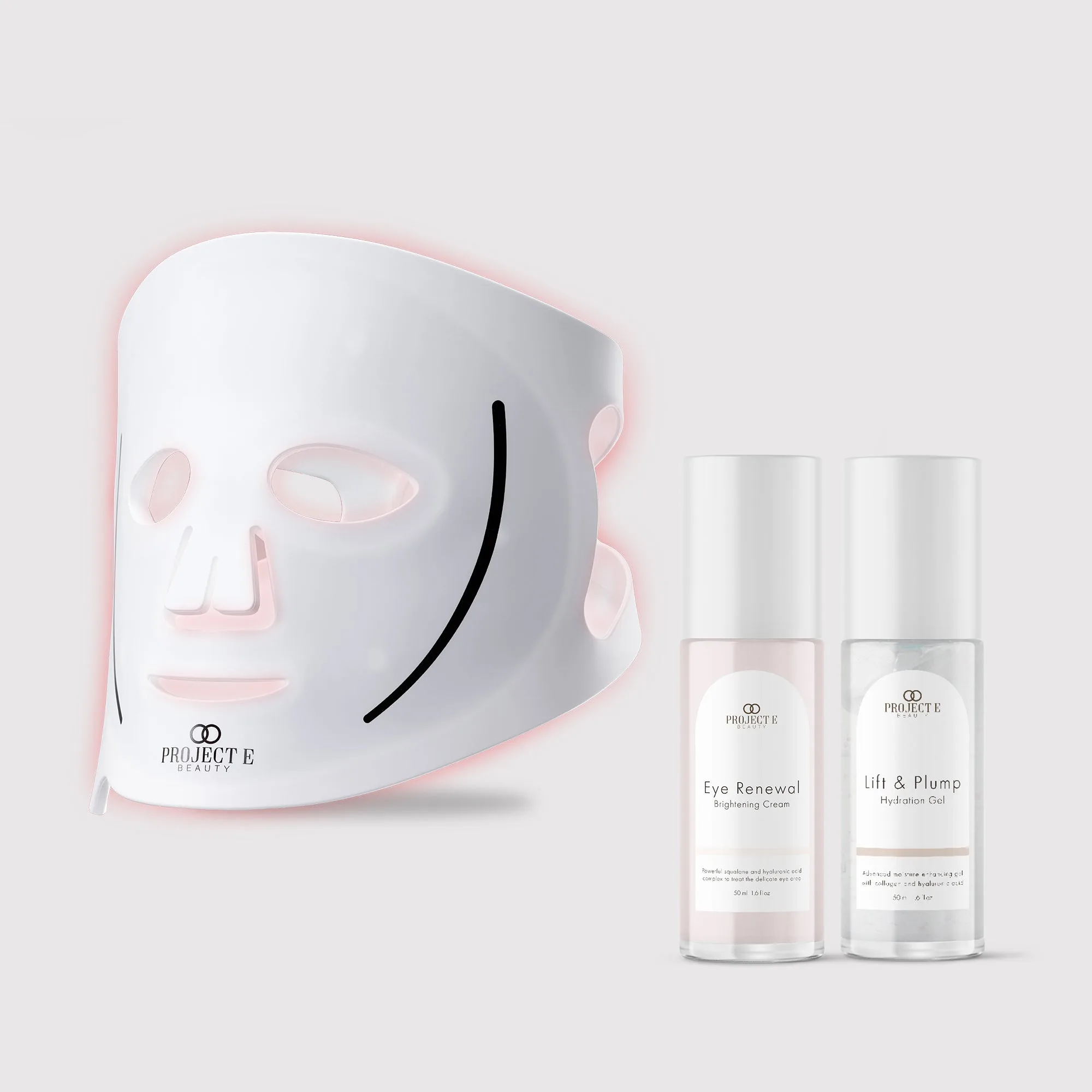
LumaLux Face Instant Radiance Set
While derma rolling provides immediate exfoliation and product absorption benefits, LED therapy is a more gentle, painless approach that can be used more frequently. Some users combine both methods, using a derma roller to enhance serum penetration and then following up with LED light therapy to boost healing and collagen production. If you’re considering this combination, it’s important to wait until the skin has fully healed after rolling before using LED therapy.
Another popular tool is the facial wand, which often incorporates microcurrent or ultrasonic technology. These devices can tone and lift the skin, but they work differently than microneedling. Depending on your skin concerns, you might find that a combination of tools yields the best results. Always research each device thoroughly and consider your skin type and tolerance.
- LED therapy is painless and can be used daily.
- Derma rolling offers deeper product penetration.
- Combining both may enhance overall results, but allow skin to heal first.
Ultimately, the decision to use a derma roller at home comes down to your skin goals, tolerance for risk, and commitment to proper hygiene. While it can be a cost-effective way to improve skin texture and boost product efficacy, it’s not without its dangers. If you’re new to microneedling, consider starting with a shorter needle and always follow safety guidelines. For a needle-free alternative, explore the LumaLux Face Instant Radiance Set, which offers the benefits of LED therapy without any downtime. Whatever you choose, prioritize your skin’s health and consult a professional if you have any doubts.