Quick answer
For most people starting microneedling at home, a shorter needle length used once or twice a week is the safer, more sustainable choice than a longer needle used aggressively. Pick your length by goal, not by toughness: texture and product absorption usually call for a shorter roll, while targeted concerns need more recovery time between sessions. If you are unsure, start shorter, space sessions further apart, and only increase frequency once your skin settles without redness or stinging.
How needle length changes what a derma roller does
Needle length is the single biggest variable in a derma roller buying decision, because it determines how deep the needles reach and how much recovery your skin needs afterward. A shorter roll works closer to the surface, which is why it is commonly paired with serums and used more frequently. A longer roll reaches deeper, so sessions must be spaced out and treated as a bigger event for your skin barrier.
Depth also changes what you can realistically combine with the roll. Surface-level rolling is easy to follow with a hydrating serum because you are not asking the skin to recover from much. Deeper rolling demands a simpler routine afterward, usually a gentle moisturizer rather than a stack of actives, because the skin is already working through the healing process.
Matching length to your goal instead of chasing a number
Work backward from the result you want. If your goal is better absorption of the serums you already own, a shorter length used consistently will do more for you than an occasional deep session. If your goal is a specific concern area, accept that you will use it less often and that progress will be measured in weeks, not days.
A practical way to decide: choose the shortest length that plausibly addresses your goal, use it on a fixed schedule for several weeks, and judge by how your skin behaves between sessions. If your skin is calm and comfortable, the length and frequency are probably compatible. If it stays pink, tight, or sensitive, you are either going too deep or too often, and the fix is to reduce one of those variables, not add more products.
How often to use a derma roller without overdoing it
Frequency should follow recovery, not the calendar. A simple rule: the shorter the needle, the more often you can roll; the longer the needle, the longer the gap. Never roll over skin that is still visibly irritated from the last session, and never roll over active breakouts, cuts, or sunburned skin.
Keep a written log for the first month with three notes per session: length used, date, and how your skin looked the next morning. That log tells you more about your personal tolerance than any generic schedule, and it prevents the most common mistake in microneedling at home, which is gradually creeping up in frequency until the skin never fully settles.
What to pair with your roller and what to skip
The roller is a delivery tool, not a standalone treatment, so the serum you apply afterward matters as much as the device. Hydrating and antioxidant serums are the usual pairing because they support the skin rather than pile on irritation. Save strong exfoliating acids and prescription-level actives for nights when you are not rolling.
Hygiene is part of the buying decision, not an afterthought. A roller with a fixed head and a stated needle count is easier to clean and track than a vague multi-head gadget, and you should replace the roller on a schedule rather than using the same one indefinitely. Follow the manufacturer's cleaning and replacement guidance for your specific device.
Decision rules for length and frequency
- If your goal is better serum absorption: Choose a shorter needle length and roll on a steady weekly rhythm rather than reaching for a longer needle. Consistency at a shallow depth supports absorption without turning every session into a recovery event. Stay short and frequent; do not size up just because results feel slow.
- If your goal is a specific concern area: Accept a longer gap between sessions and treat the roller as one part of a routine that includes a hydrating serum and a night cream on the days in between. Fewer, well-spaced sessions beat a crowded schedule.
- If your skin is still pink or tight the next day: You have exceeded your current tolerance. Reduce either the needle length or the frequency, not both at once, so you can tell which change actually helped. Change one variable at a time and log the result.
- If you are new to microneedling at home: Start with the shortest option available to you, keep the first month to a fixed schedule, and only adjust after you have a written record of how your skin responded. Earn the right to go deeper or more often.
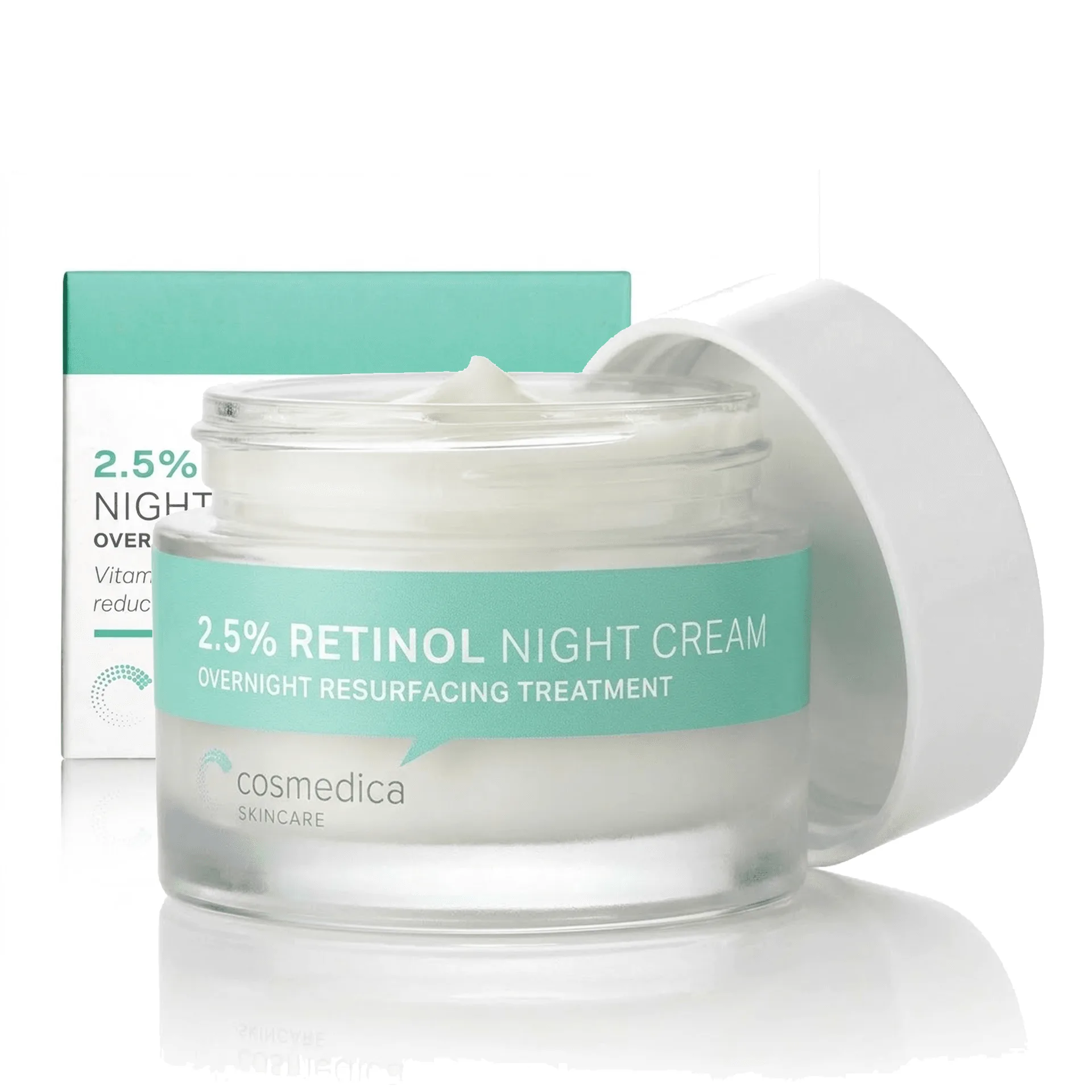
- If you use retinol or exfoliating acids: Keep those on separate nights from rolling. The Retinol Night Cream and the 2.5% Glycolic Facial Scrub in the Complete Complexion Kit are the kind of products that need their own slot in the week. Rolling nights and active nights should not overlap.
Products that fit this routine
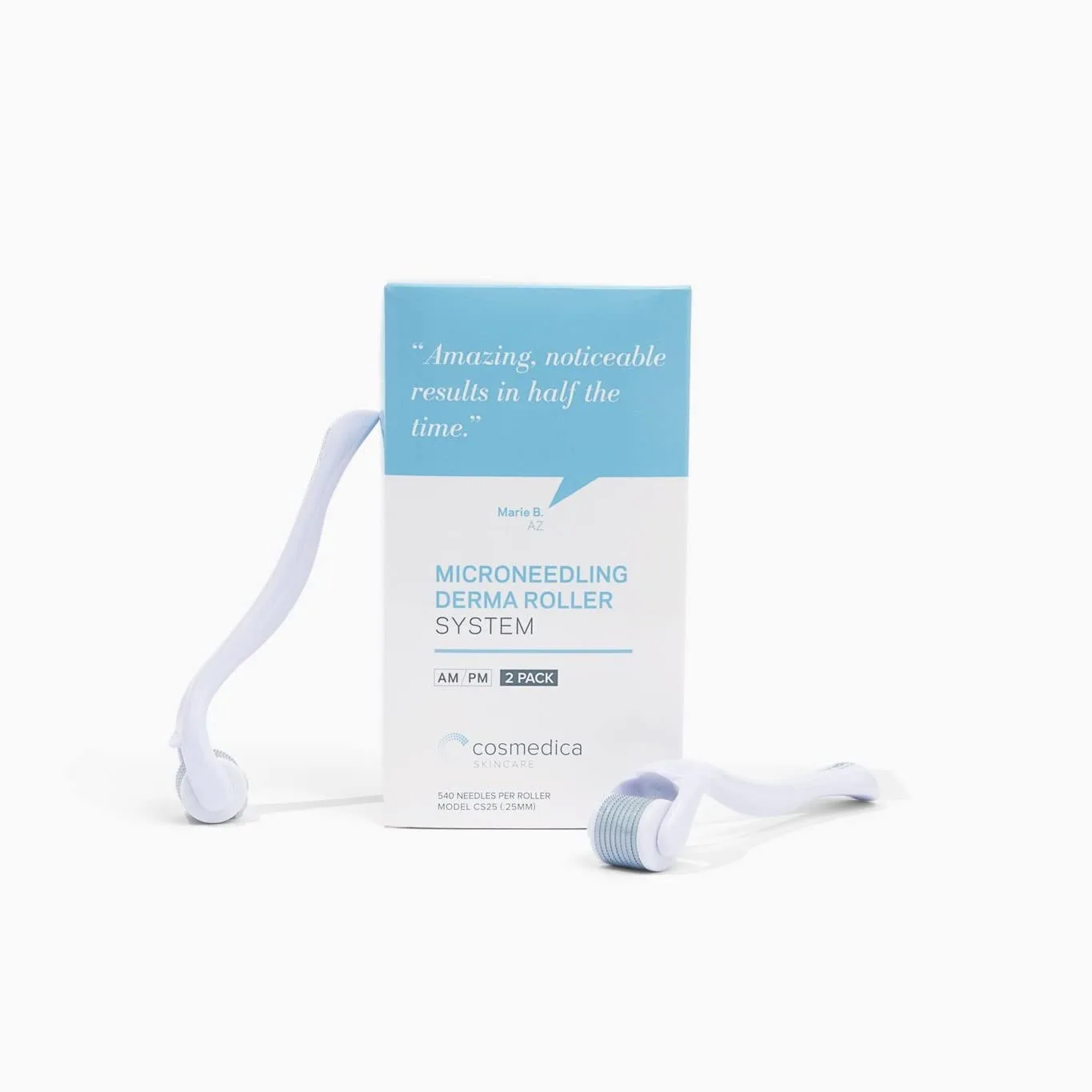
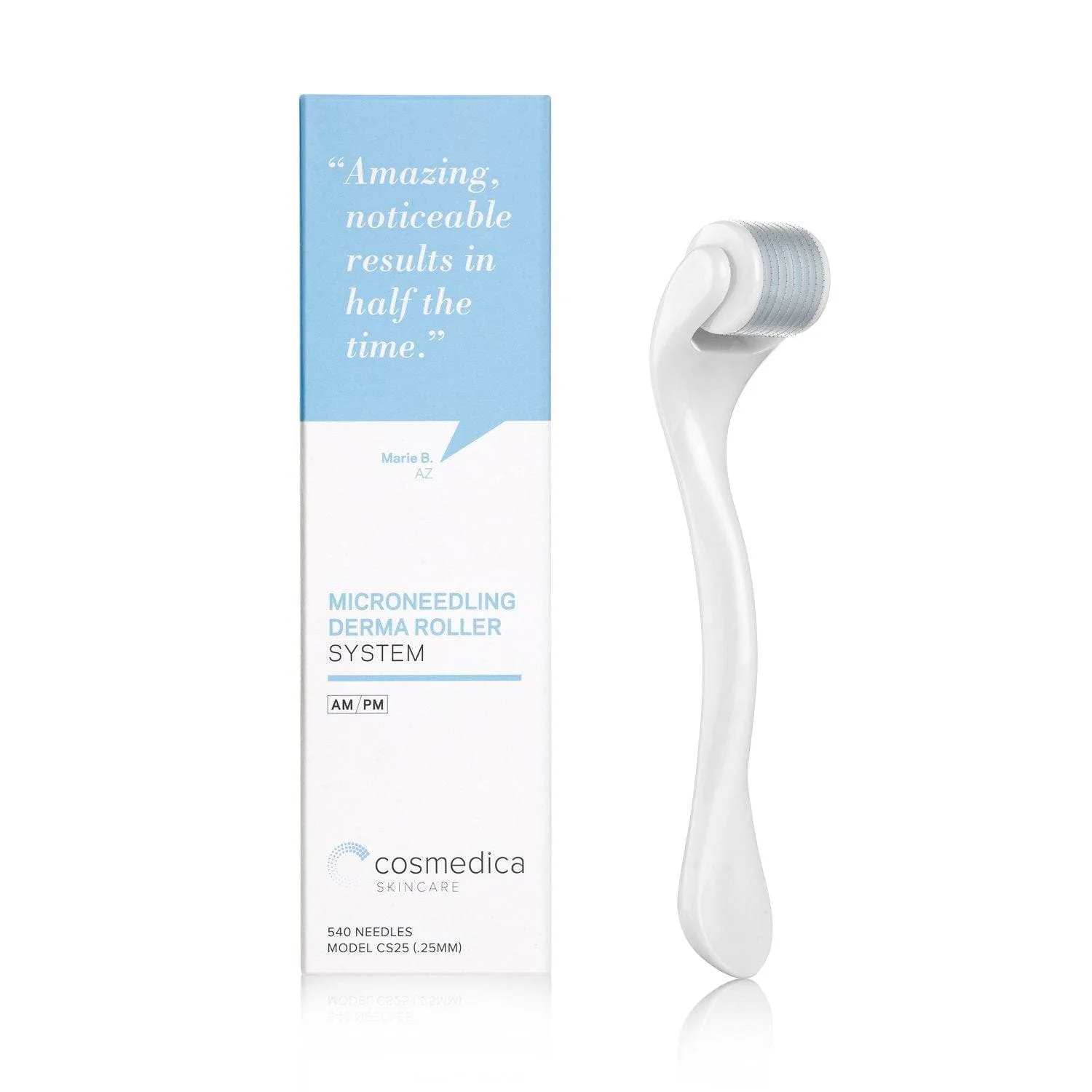
- Derma Roller System: The Derma Roller System is a handheld device with 540 stainless steel needles, designed to create small abrasions that increase blood flow and support elastin and collagen production through the healing process, and it is meant to be paired with serums such as Pure Hyaluronic Acid Serum and Vitamin C Serum. A stated needle count and a fixed handheld format make it easier to keep sessions consistent and to clean the tool properly, and the serum pairing guidance tells you what to apply afterward instead of guessing.
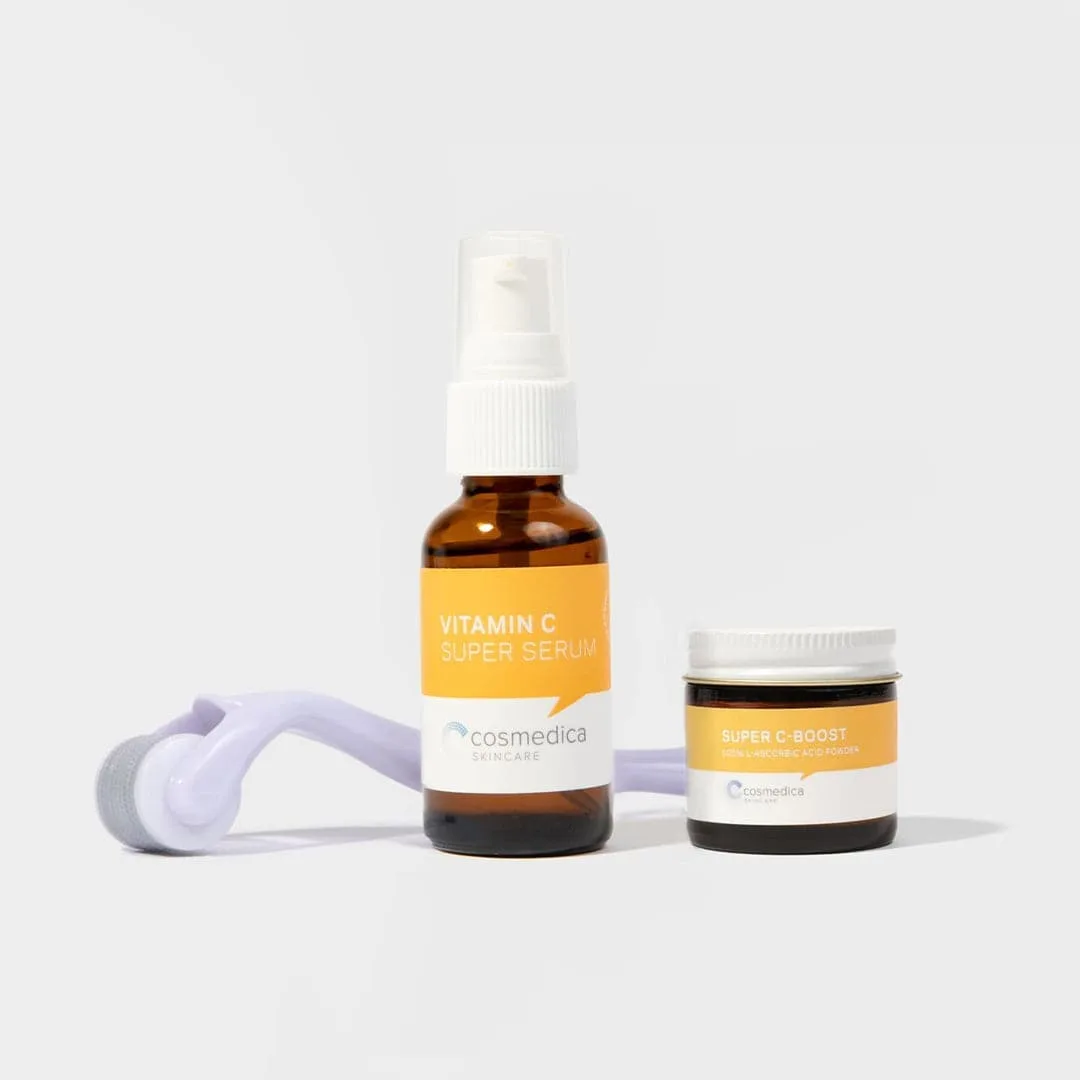
- Super C Duo + Microneedling Derma Roller: Super C Duo + Microneedling Derma Roller combines a Vitamin C duo with a microneedling derma roller, and the pure L-ascorbic acid can be added to the Vitamin C Super serum or mixed into a moisturizer, with serum application immediately followed by rolling. Buying the roller and the serum together removes the guesswork about what to use after rolling, and the option to mix the L-ascorbic acid into a moisturizer gives you a milder way to use it on recovery days.
- Complete Complexion Kit: The Complete Complexion Kit bundles four products: 2.5% Glycolic Facial Scrub, Pure Hyaluronic Acid Serum, Multiactive Hydrating Night Cream, and Total Restorative Eye Cream, and can be used in the AM or PM for brightening and sustained hydration. It gives you the hydrating serum and night cream that suit non-rolling days, so you are not tempted to use the glycolic scrub on the same night you roll.
- Cosmedica Skincare Retinol Night Cream – Anti Aging Face Moisturizer with Retinol (Vitamin A) & Hyaluronic Acid – Wrinkle Repair Cream for Acne, Fine Lines & Dark Spots – Night Cream for Face, 1.7 oz: Cosmedica Skincare Retinol Night Cream is an anti-aging moisturizer with retinol (vitamin A) and hyaluronic acid that works by promoting skin cell turnover. Because it promotes cell turnover, it belongs on your non-rolling nights, which is exactly the kind of scheduling decision a roller routine forces you to make.
Who this approach suits
Best for
- Beginners who want one roller and a clear weekly schedule instead of a shelf of devices
- People whose main goal is getting more from the serums and moisturizers they already use
- Anyone willing to log sessions and adjust frequency based on how their skin recovers
Not for
- Anyone with active breakouts, open skin, or a compromised barrier who should wait until skin is calm
- People looking for a single deep-treatment session to replace a professional in-office procedure
- Shoppers who want a fixed schedule that never changes regardless of how their skin responds