Derma rolling, also known as microneedling at home, has become a popular way to boost collagen, improve texture, and enhance product absorption. But one of the most common questions is: how often should you do it? Getting the frequency right is crucial—too often can irritate your skin, while too little may not deliver visible results.
In this guide, we'll break down the ideal derma rolling schedule based on your skin type, the length of your needles, and your skincare goals. We'll also share essential tips to ensure you get the most from your at-home sessions safely.
Understanding Derma Rolling Frequency
The frequency of derma rolling depends on the needle length you're using. For home use, needles typically range from 0.25mm to 0.5mm. Shorter needles (0.25mm) are designed to enhance product absorption and can be used more frequently—every 1 to 2 weeks. Longer needles (0.5mm) penetrate deeper to stimulate collagen, so they require more recovery time—usually every 3 to 4 weeks.
Your skin's tolerance also plays a role. If you're new to derma rolling, start with a longer interval (e.g., every 3 weeks) and gradually decrease as your skin builds resilience. Always listen to your skin: if you experience prolonged redness or irritation, give it more time between sessions.
- 0.25mm needles: every 1-2 weeks for product absorption
- 0.5mm needles: every 3-4 weeks for collagen stimulation
- Always wait until any redness or sensitivity has completely subsided before your next session.
Building a Derma Rolling Schedule
To see the best results, consistency is key. Many skincare enthusiasts incorporate derma rolling into their monthly routine. For example, if you use a 0.5mm roller, you might roll on the first weekend of each month. This gives your skin ample time to repair and rebuild collagen between sessions.
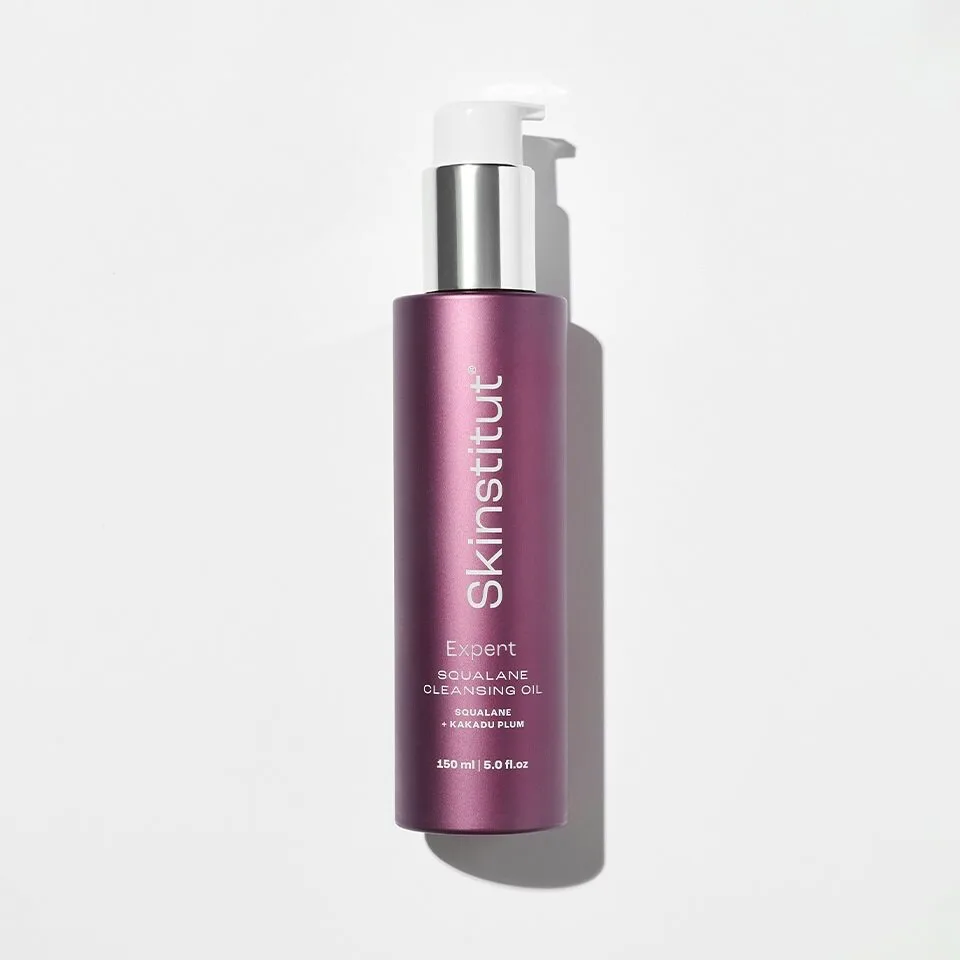
It's also important to consider your overall skincare routine. Derma rolling creates micro-channels that allow serums to penetrate deeper, so pairing it with a nourishing serum can amplify benefits. For instance, after rolling, apply a hydrating product like the Expert Squalane Cleansing Oil to soothe and replenish, or a targeted treatment like the Retinol Serum to boost collagen. However, avoid active ingredients immediately after rolling if you have sensitive skin.
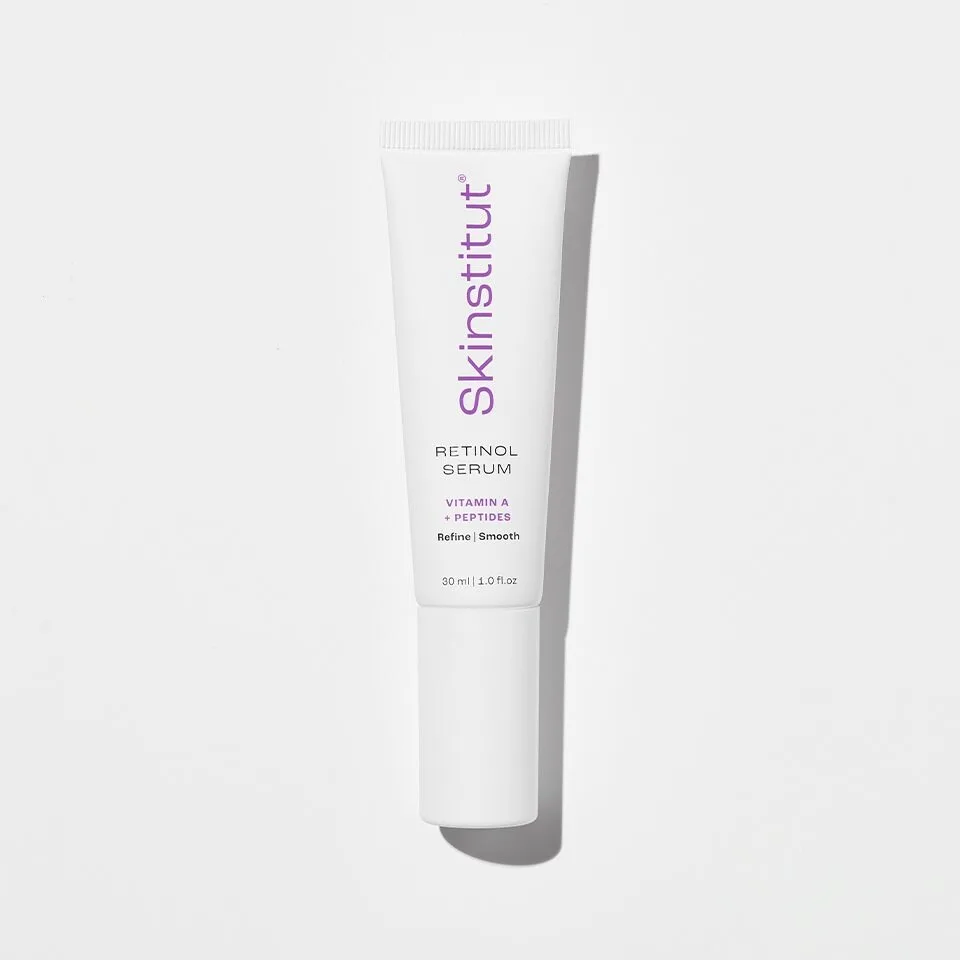
Retinol Serum
- Choose a consistent day each month for your derma rolling session.
- Pair with a gentle, hydrating serum to maximize absorption.
- Avoid harsh exfoliants for at least 48 hours after rolling.
Factors That Affect Your Ideal Frequency
Several factors influence how often you should derma roll. Your skin type is a major one: oily and combination skin tends to tolerate more frequent rolling, while dry or sensitive skin needs longer intervals. Age and collagen production also matter—younger skin bounces back faster, while mature skin may require more time between sessions.
Your skincare goals also dictate frequency. If you're targeting fine lines and wrinkles, you'll need more collagen stimulation, which means using a 0.5mm roller every 3-4 weeks. If you're mainly looking to improve product absorption or address dullness, a 0.25mm roller every 1-2 weeks is sufficient. Always adjust based on how your skin responds.
- Sensitive skin: longer intervals (4-6 weeks) with 0.25mm needles.
- Oily skin: may tolerate every 2 weeks with 0.25mm needles.
- Anti-aging goals: opt for 0.5mm needles every 3-4 weeks.
Safety Tips for At-Home Derma Rolling
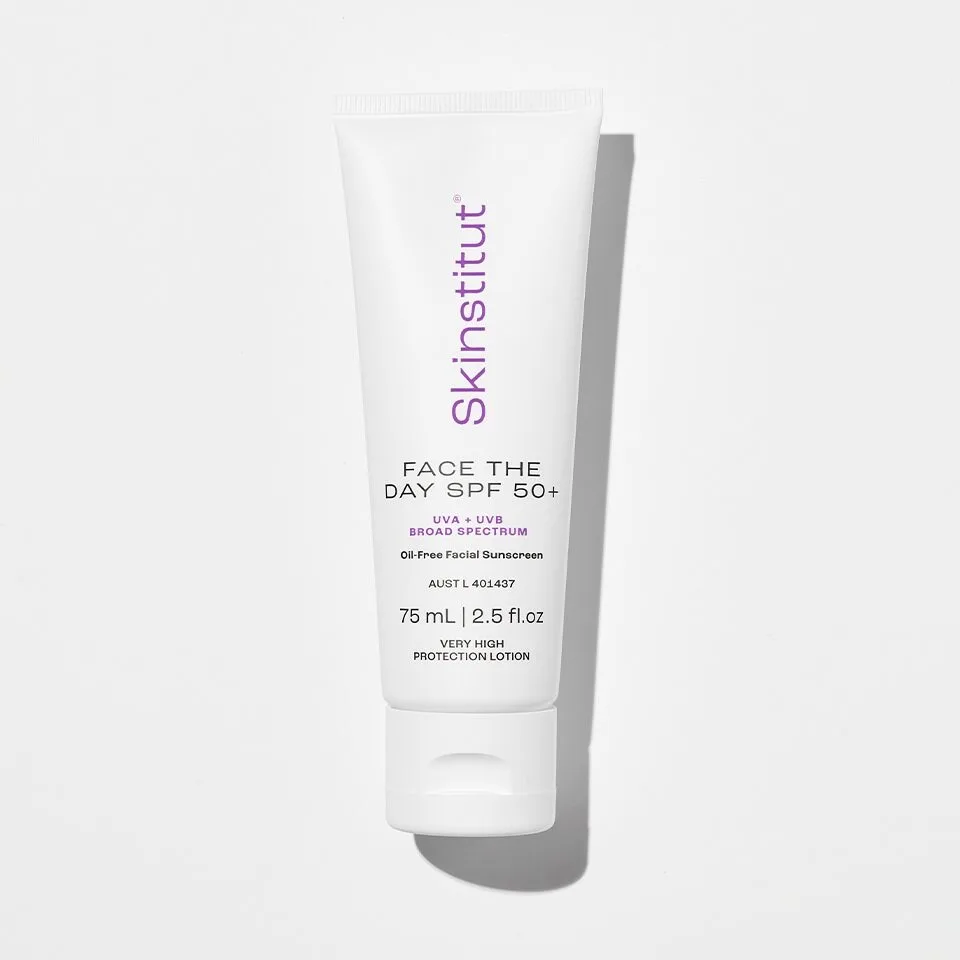
Before each session, disinfect your derma roller with isopropyl alcohol. Cleanse your face thoroughly and consider using a numbing cream if you're sensitive. Always roll in vertical, horizontal, and diagonal directions without applying excessive pressure. After rolling, avoid makeup and sun exposure for at least 24 hours, and always apply a broad-spectrum sunscreen like the Face The Day SPF 50+ to protect your skin.
It's also crucial to replace your derma roller regularly—every 3 to 6 months—to ensure hygiene and effectiveness. Never share your roller, and if you have active acne, eczema, or open wounds, skip the session until your skin heals. If you're unsure about your skin's tolerance, consult a dermatologist before starting.
- Disinfect with 70% isopropyl alcohol before and after use.
- Avoid rolling over active breakouts or broken skin.
- Replace your roller every 3-6 months.
Finding the right derma rolling frequency is a personal journey that depends on your skin type, needle length, and goals. Start conservatively, observe how your skin responds, and gradually adjust. Remember to always prioritize skin health over speed. If you're ready to start your derma rolling routine, explore our selection of high-quality tools and skincare companions to support your journey.