Microneedling has become a cornerstone of anti-aging skincare, and for good reason. By creating microscopic channels in the skin, these tools stimulate collagen and elastin production, reducing the appearance of fine lines, wrinkles, and scars. But when it comes to choosing between a dermaroller and a derma pen, the decision can be overwhelming. Both have loyal fans, but they operate differently and suit different needs.
In this comparison, we'll break down the key differences between dermarollers and derma pens, focusing on effectiveness, ease of use, pain level, and cost. We'll also look at how each fits into a mature skincare routine, so you can make an informed choice that aligns with your skin goals and comfort level.
What Is a Dermaroller?
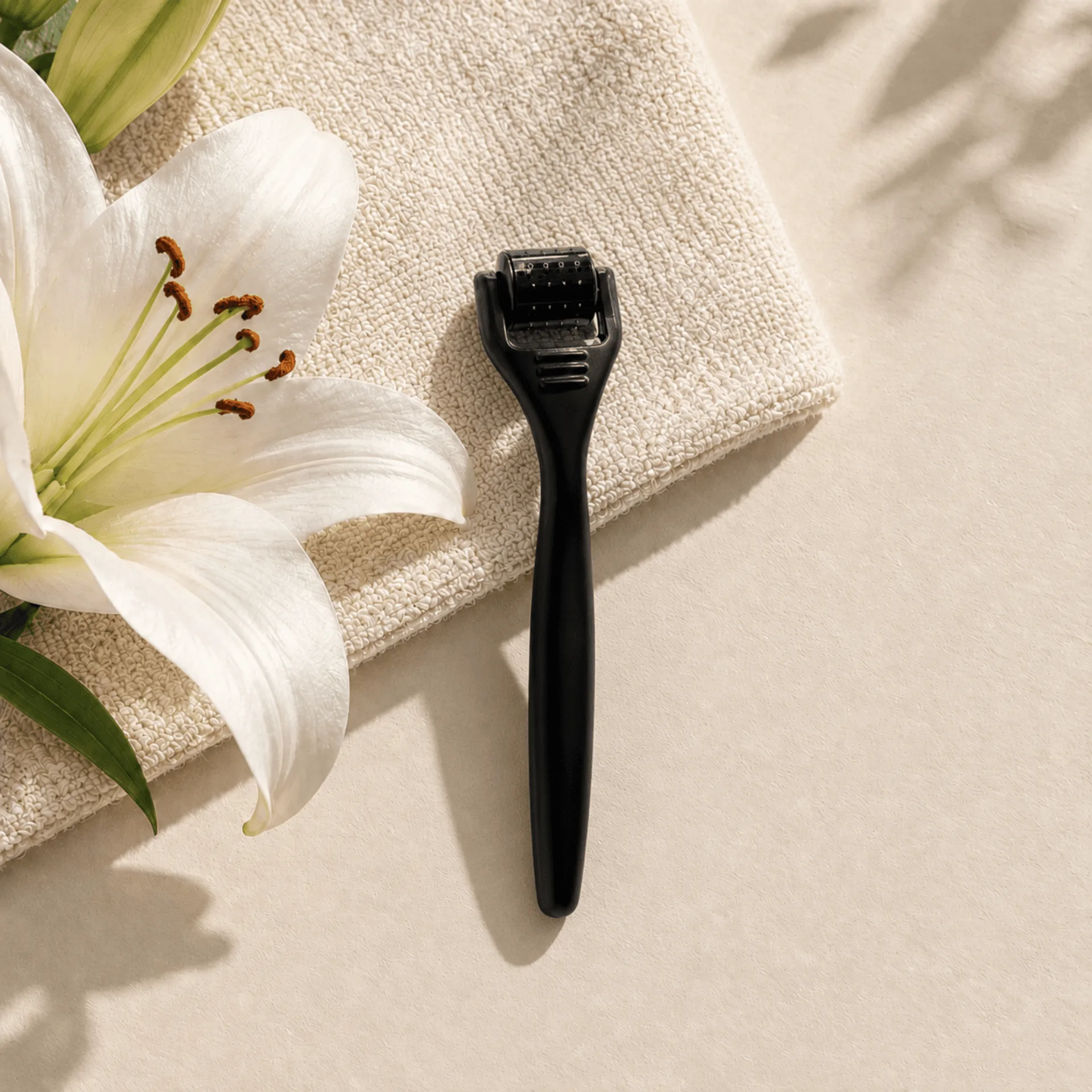
A dermaroller is a handheld device with a cylindrical head covered in tiny, sterile needles. You roll it across your skin in different directions to create micro-injuries that trigger the skin's natural healing response. This process boosts collagen and improves skin texture, tone, and firmness.
Dermarollers come in various needle lengths, from 0.25mm for at-home use to 1.0mm and beyond for professional treatments. For mature skin, shorter needles (0.25mm to 0.5mm) are typically recommended for home use, as they are safer and less painful. The 0.25mm Mini Dermaroller is a popular choice for beginners, while the 0.5mm Replaceable Head Dermaroller (Eco-Friendly) offers a slightly deeper treatment for more visible results.
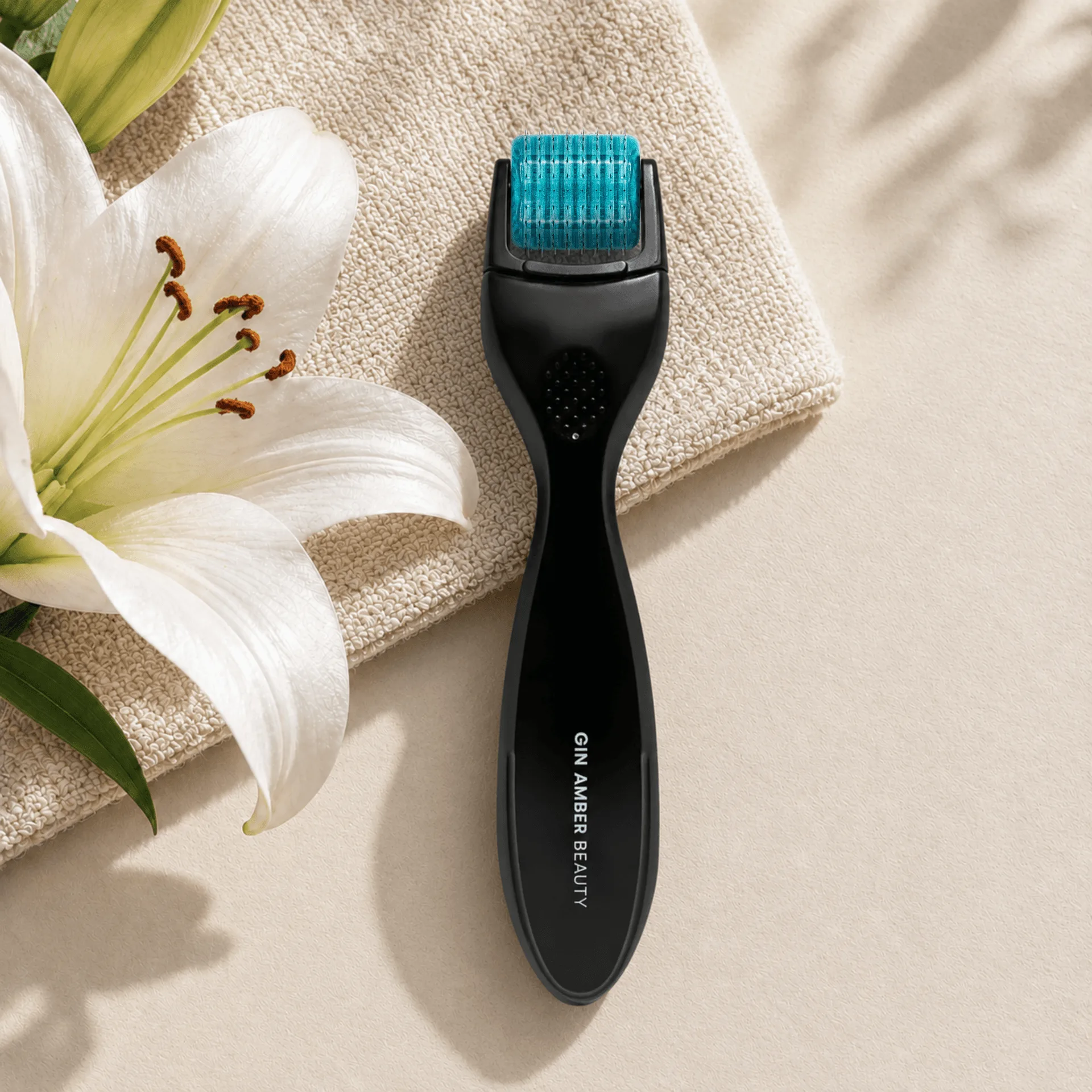
0.5mm Replaceable Head Dermaroller (Eco-Friendly)
- Best for: even coverage on large areas like cheeks and forehead
- Needle lengths: 0.25mm to 1.0mm for home use
- Pain level: mild to moderate, depending on needle length
What Is a Derma Pen?
A derma pen, also known as a microneedling pen, is an electric or battery-powered device that uses a disposable needle cartridge to create micro-punctures. Unlike a dermaroller, the pen moves in a stamping or oscillating motion, which allows for more precise control and less dragging on the skin. This makes it ideal for treating specific areas like around the eyes, mouth, or deep wrinkles.
Derma pens often feature adjustable needle depths, allowing you to customize the treatment based on your skin's needs. They are generally considered more effective for targeted concerns, but they can be more expensive and require a learning curve. For those who want professional-level results at home, a derma pen might be the better investment.
- Best for: targeted treatment of fine lines, scars, and specific areas
- Needle depths: adjustable, typically 0.25mm to 1.0mm
- Pain level: similar to dermaroller, but more precise application
Dermaroller vs Derma Pen: Key Differences
The main differences between a dermaroller and a derma pen lie in their design, usage, and results. A dermaroller covers a larger surface area quickly, making it efficient for overall skin rejuvenation. However, the rolling motion can cause the needles to enter the skin at an angle, which may lead to uneven penetration and more micro-tears. A derma pen, on the other hand, stamps vertically, ensuring consistent needle depth and less trauma to the skin.
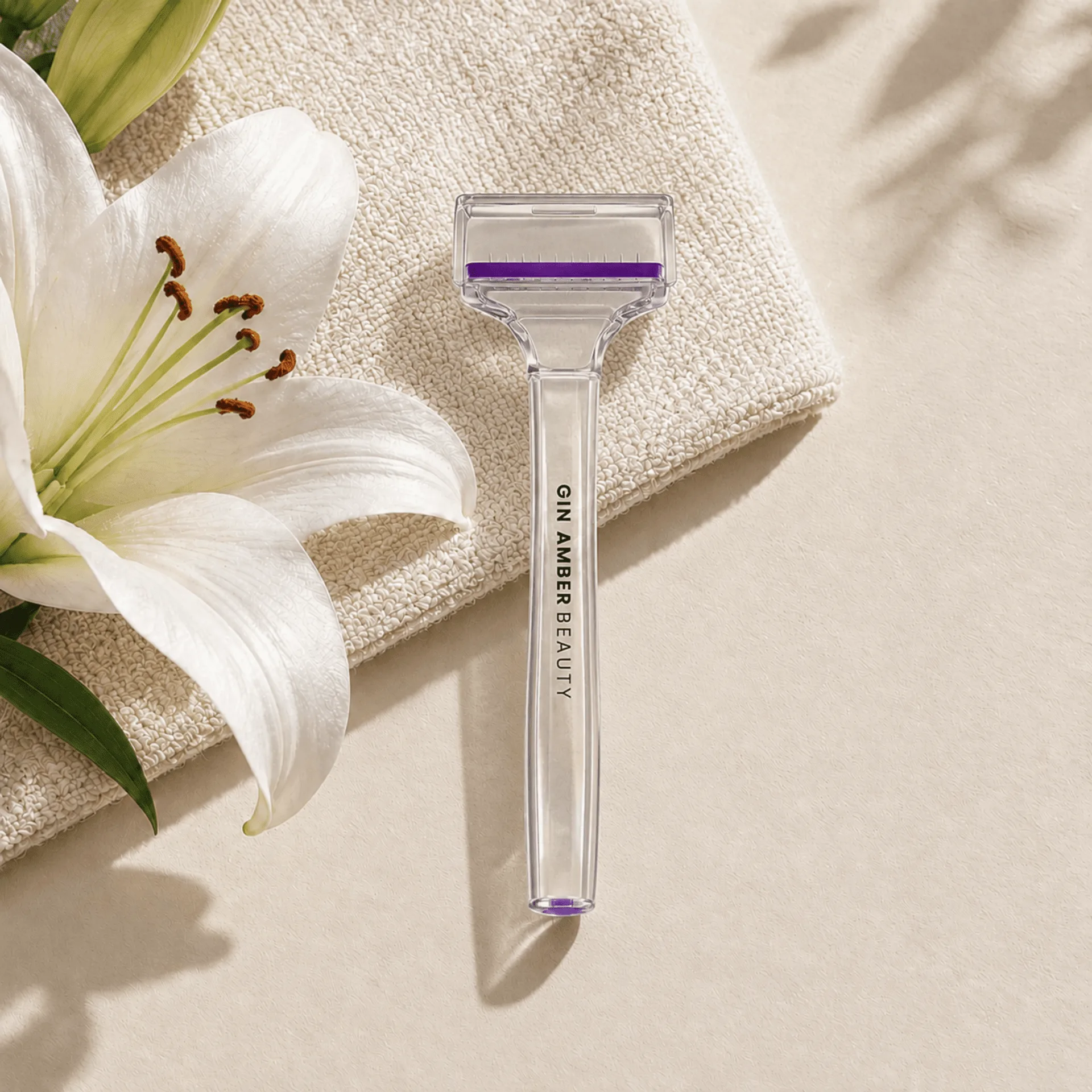
In terms of effectiveness, both tools can produce visible improvements in skin texture and firmness. However, derma pens are often preferred for treating specific concerns like deep wrinkles or acne scars because of their precision. The 0.75mm Derma Stamp is a hybrid option that combines the precision of a pen with the simplicity of a manual tool, offering a middle ground for those who want targeted treatment without the cost of an electric device.
- Dermaroller: faster coverage, less precision, more affordable
- Derma pen: precise, customizable depth, higher cost
- Derma stamp: manual precision, good for targeted areas
Effectiveness for Mature Skin: Which Delivers Better Results?
For mature skin, the primary goals are to stimulate collagen, improve elasticity, and reduce the appearance of fine lines and wrinkles. Both dermarollers and derma pens can achieve these goals, but the key is consistency and proper technique. A dermaroller with 0.25mm or 0.5mm needles is excellent for overall skin rejuvenation, especially when used regularly. The 0.25mm Replaceable Head Dermaroller (Eco-Friendly) is a sustainable option that allows you to replace only the head, saving money and reducing waste.
However, if you have deep wrinkles or specific problem areas, a derma pen or derma stamp may yield better results. The ability to adjust needle depth allows you to treat delicate areas like the under-eye region more safely. For at-home use, a 0.5mm depth is generally safe for the face, but always start with a shorter needle and gradually increase as your skin builds tolerance.
- Use 0.25mm for maintenance and product absorption
- Use 0.5mm for fine lines and mild scarring
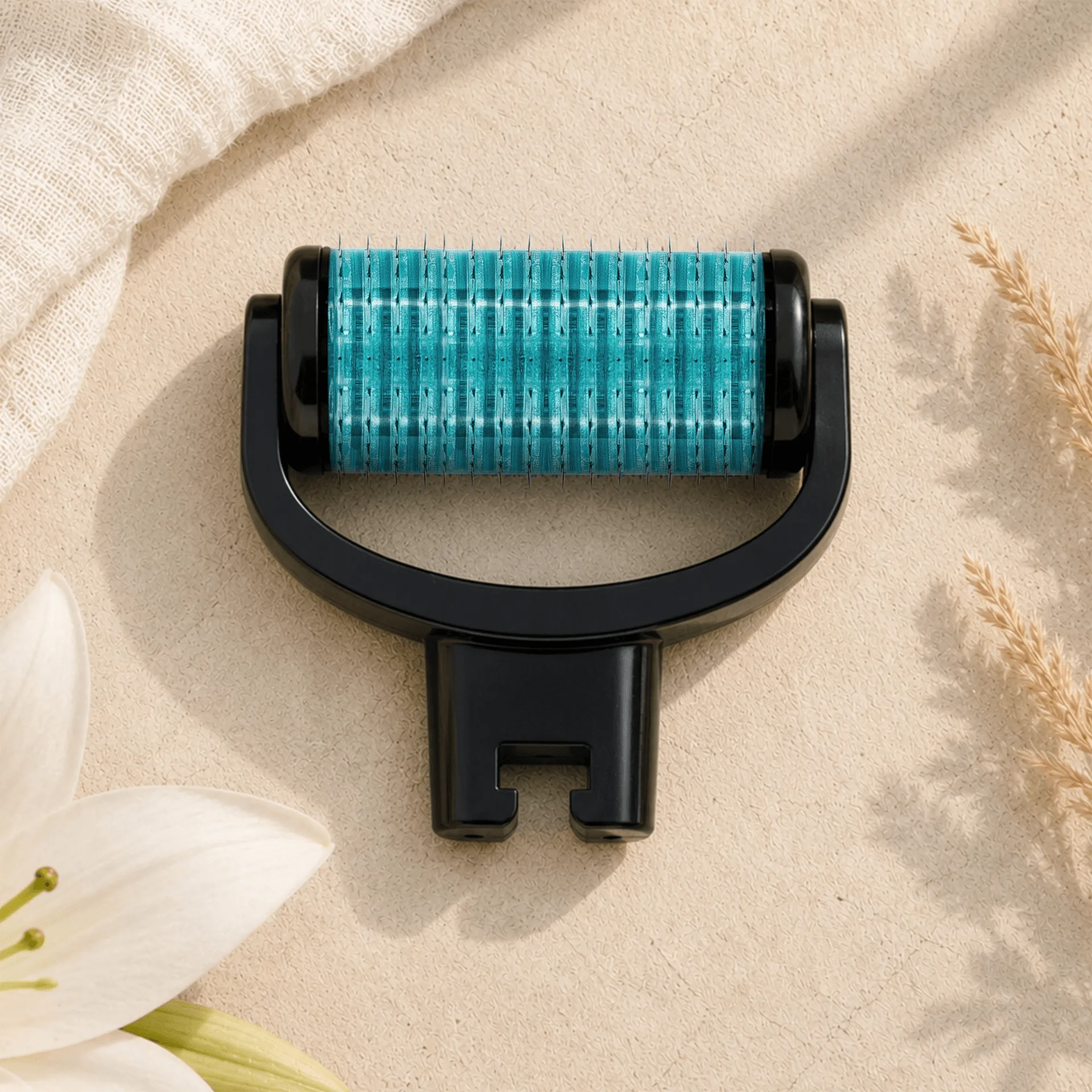
- Use 1.0mm only on thicker skin areas like the body (e.g., 1.0mm Body Dermaroller Head)
Pain, Downtime, and Safety Considerations
Pain levels vary depending on needle length and your pain tolerance. Both tools can cause mild discomfort, but dermarollers with longer needles (0.5mm and above) may feel more intense due to the dragging motion. Derma pens, with their stamping action, are often described as less painful and more comfortable. Regardless of the tool, it's crucial to sanitize your device before and after use to prevent infections. Always follow the manufacturer's instructions and avoid using microneedling on active acne, broken skin, or irritated areas.
Downtime is minimal for both, but you may experience redness and mild swelling for a few hours to a day. This is normal and indicates that the skin's healing process has been activated. To soothe your skin post-treatment, apply a gentle, hydrating serum or a natural foam cleanser to keep the area clean and moisturized. The Natural Foam Cleanser (180mL) is a great choice for post-microneedling care, as it removes impurities without stripping the skin.
- Always disinfect your tool with alcohol before and after use
- Avoid active breakouts and broken skin
- Follow up with a hydrating cleanser and serum
Cost and Long-Term Value
Dermarollers are generally more affordable upfront, with prices ranging from $10 to $30 for a quality device. Derma pens, on the other hand, can cost anywhere from $50 to $200, plus the cost of replacement needle cartridges. However, derma pens often last longer and offer more versatility, making them a worthwhile investment for those who plan to use them regularly.
If you're on a budget, a dermaroller with replaceable heads, like the 0.5mm Replaceable Head Dermaroller (Eco-Friendly), is a cost-effective option. You can replace the head when the needles dull, extending the life of the handle. For those who prefer a one-time purchase and don't mind manual effort, a derma stamp like the 0.75mm Derma Stamp is a great middle ground.
- Dermaroller: $10–$30 initial cost, replaceable heads available
- Derma pen: $50–$200 initial cost, plus cartridge refills
- Consider long-term use and replacement costs when choosing
How to Choose the Right Tool for Your Skin
Choosing between a dermaroller and a derma pen ultimately depends on your skin concerns, budget, and comfort with the tools. If you're new to microneedling, start with a dermaroller with 0.25mm needles, like the 0.25mm Mini Dermaroller, to get a feel for the process. It's gentle, easy to use, and perfect for improving product absorption and overall skin radiance.
If you have specific concerns like deep wrinkles or acne scars, invest in a derma pen or a derma stamp. The 0.75mm Derma Stamp is ideal for targeting small areas with precision. For body treatments, consider a 1.0mm Body Dermaroller Head, which is designed for thicker skin on areas like thighs or buttocks. Remember, consistency is more important than the tool itself—use your chosen device regularly and pair it with a good skincare routine for best results.
- Beginners: 0.25mm dermaroller
- Targeted treatment: 0.5mm or 0.75mm derma stamp/pen
- Body use: 1.0mm dermaroller head
Both dermarollers and derma pens are effective microneedling tools, but they serve different purposes. For overall skin rejuvenation, a dermaroller is a budget-friendly and efficient choice. For targeted precision, a derma pen or stamp offers more control. Consider your skin goals, pain tolerance, and budget to make the best decision. Whichever you choose, remember to prioritize safety and consistency for visible anti-aging results.