Microneedling has become a cornerstone of at-home anti-aging routines, offering a way to stimulate collagen and improve skin texture without a trip to the clinic. But when you start shopping, you’ll quickly meet two popular tools: the dermaroller and the derma stamp. Both use tiny needles to create micro-injuries that trigger your skin’s repair process, yet they differ in design, usage, and ideal applications.
For mature skin, choosing the right tool matters because your skin’s resilience and healing capacity change over time. In this guide, we’ll compare dermarollers and derma stamps across key factors like precision, safety, and effectiveness for specific concerns, so you can decide which microneedling tool fits your routine.
Understanding the Basics: Dermaroller vs Derma Stamp
A dermaroller features a cylindrical drum covered in fine needles that rolls across the skin, creating a grid of micro-channels. It’s designed for covering larger areas quickly, such as the cheeks, forehead, or thighs. The rolling motion can be less precise, but it’s efficient for overall skin rejuvenation and addressing concerns like fine lines and rough texture.
A derma stamp, on the other hand, has a flat stamping surface with needles that you press directly onto the skin. This allows for pinpoint accuracy, making it ideal for localized issues like acne scars, deep wrinkles, or specific spots. You can control the pressure and duration of contact, which reduces the risk of dragging or tearing the skin.
Both tools are available in various needle lengths, from 0.25mm for surface-level exfoliation to 1.5mm for deeper collagen induction. For mature skin, starting with shorter needles is wise, especially if you’re new to microneedling at home.
- Dermaroller: best for large areas and overall texture improvement.
- Derma stamp: best for precision work on scars and deep lines.
- Needle length matters: shorter for beginners, longer for advanced users.
Dermaroller for Fine Lines: Why Rolling Works
Fine lines, especially around the eyes and mouth, respond well to consistent microneedling. A dermaroller’s rolling motion covers the skin evenly, stimulating collagen production across a broad surface. This is particularly beneficial for mature skin, where collagen loss leads to crepey texture and fine lines.
For delicate areas like the under-eye region, a shorter needle length (0.25mm) is recommended. The 0.25mm Mini Dermaroller is a popular choice for this purpose, as it gently exfoliates and enhances product absorption without causing irritation. When used with a vitamin C serum, it can help brighten and firm the skin over time.
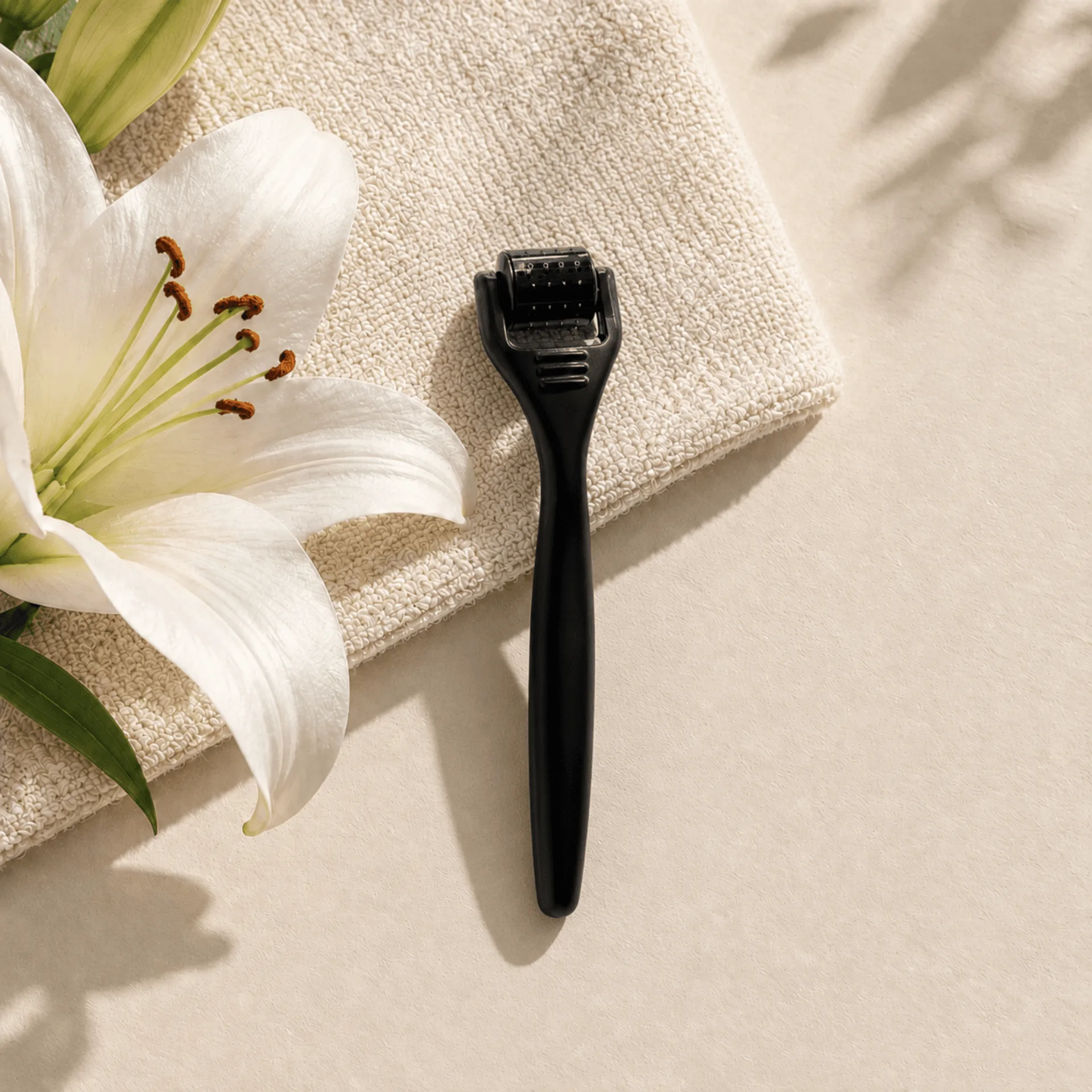
0.25mm Mini Dermaroller
The key to success with a dermaroller is consistent, gentle pressure. Avoid pressing too hard, as mature skin can be more fragile. Always follow with a hydrating serum or moisturizer to soothe the skin and support healing.
- Use a 0.25mm roller for delicate areas like under the eyes.
- Pair with vitamin C for added brightening benefits.
- Roll in different directions (horizontal, vertical, diagonal) for even coverage.
Derma Stamp for Scars: Precision Where It Counts
Acne scars, especially ice-pick scars, require targeted treatment. A derma stamp excels here because it allows you to apply pressure exactly where needed, without affecting surrounding skin. This precision reduces the risk of over-treating healthy tissue and is particularly effective for depressed scars.
For scar treatment, a longer needle length like 0.5mm or 1.0mm is often used. The 0.5mm Derma Stamp is a great starting point for at-home use, as it penetrates the epidermis and upper dermis, stimulating collagen remodeling. For deeper scars, a 1.0mm Derma Stamp may be more effective, but it requires extra caution and longer healing time.
When using a derma stamp, press firmly and hold for a few seconds, then lift straight up. Avoid dragging or sliding the tool, as this can cause micro-tears. After treatment, apply a soothing serum to calm the skin and promote repair.
- For ice-pick scars, use a stamping motion precisely on the scar.
- Start with 0.5mm and gradually increase depth as your skin tolerates.
- Never stamp over active acne or broken skin.
Safety and Hygiene: Key Considerations for Mature Skin
Mature skin is often thinner and more prone to bruising or irritation, so safety should be your top priority. Both dermarollers and derma stamps must be kept scrupulously clean to prevent infection. Always sanitize your tool with isopropyl alcohol before and after each use, and store it in a protective case.
Needle quality is another crucial factor. High-quality needles are made of surgical stainless steel or titanium, which are sharp and durable. Cheap needles can bend or break, causing skin damage. Look for tools that meet safety standards and are designed for home use.
For mature skin, it’s also wise to avoid microneedling over areas with broken capillaries, varicose veins, or active skin conditions like eczema. If you have a history of keloid scarring or are on blood-thinning medication, consult your doctor before starting.
- Always disinfect your tool before and after use.
- Replace needles or tool heads regularly to maintain sharpness.
- Skip microneedling if you have active breakouts or skin infections.
Which Tool Should You Choose? A Side-by-Side Comparison
To help you decide, here’s a quick comparison based on your primary concern. If you want to improve overall skin texture, minimize fine lines, and boost product absorption across your face, a dermaroller is your go-to. It’s faster and covers more surface area, making it a great all-rounder.
If you’re targeting specific scars, deep wrinkles, or small areas like around the lips, a derma stamp offers the precision you need. It’s also easier to control pressure, which can be gentler on mature skin.
Many enthusiasts actually own both tools, using the roller for general maintenance and the stamp for spot treatments. This combination allows you to address multiple concerns effectively.
- Dermaroller: best for fine lines, texture, and overall rejuvenation.
- Derma stamp: best for scars, deep lines, and precise targeting.
- You can use both in one routine: roll first, then stamp specific areas.
How to Incorporate Microneedling into Your Anti-Aging Routine
Microneedling at home should be done no more than once a week for mature skin, giving your skin time to repair. Start with a clean face and sanitized tools. After treatment, apply a nourishing serum or cream to support healing. Avoid active ingredients like retinol or acids for 24-48 hours post-treatment.
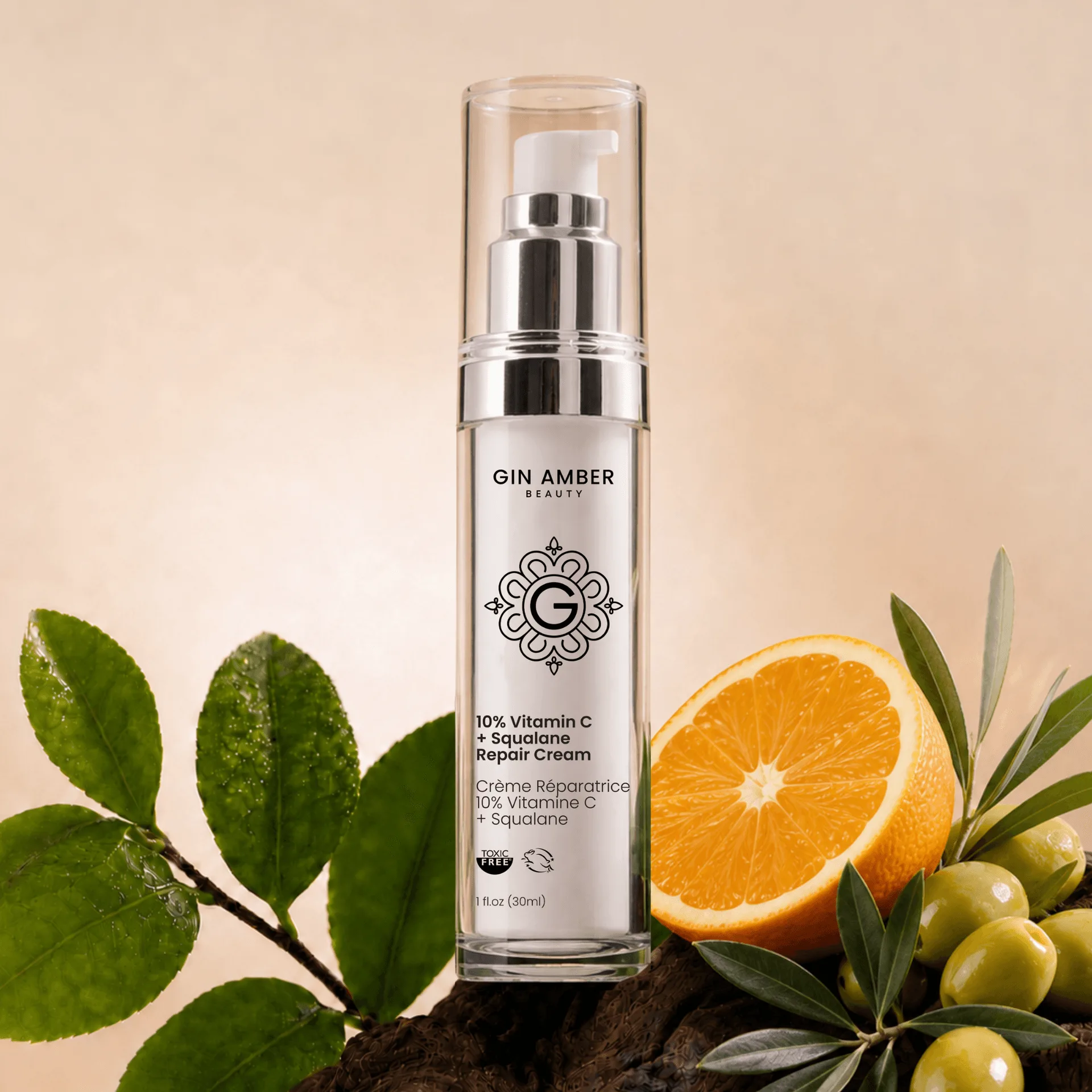
For best results, pair your microneedling with a high-quality vitamin C product. The 10% Vitamin C + Squalane Repair Cream is an excellent choice, as it hydrates and repairs while boosting collagen synthesis. This combination enhances the effects of microneedling and leaves your skin glowing.
Remember to always use sunscreen after microneedling, as your skin is more sensitive to UV damage. Consistent, gentle care will yield the best long-term results.
- Start with a low needle length (0.25mm-0.5mm) and increase gradually.
- Follow with a soothing, hydrating serum or cream.
- Always wear SPF after treatment.
Both dermarollers and derma stamps have their place in an anti-aging toolkit. For mature skin, the choice depends on your specific concerns: use a dermaroller for overall rejuvenation and fine lines, and a derma stamp for targeted scar treatment. Whichever you choose, prioritize safety and consistency. Ready to start your microneedling journey? Explore our selection of dermarollers and derma stamps to find the perfect match for your skin.