Quick answer
Store designer toy boxes flat in acid-free sleeves inside a rigid, lidded bin kept in a cool, dark, dry spot, and store cards and inserts separately in a binder or labeled envelope so you never have to unfold a box to check what it is. The goal is to preserve print, shape and provenance while keeping the packaging findable. If you only do one thing, separate the paper components from the boxes before anything gets bent or lost.
Decide what is worth keeping before you store anything
Not every piece of packaging deserves the same treatment. The box front, the character card, and any numbered or artist-printed insert carry the most collector value because they identify the figure and its series. Inner plastic trays, plain tissue and outer shipping cartons are usually the first things to let go if space is tight. Keeping everything is how collections end up with boxes they cannot identify and never open.
A useful rule is to keep one complete packaging set per figure you plan to display or resell, and to keep only the card plus any limited-edition insert for duplicates. If a box is already torn, crushed or water-damaged, storing it flat will not restore it, so treat it as a handling copy rather than an archive copy.
Set up a flat-file system instead of stacking boxes
Stacking boxes upright on a shelf crushes corners and hides which figure is inside. A flat-file approach, where boxes are opened at the seams and laid flat, uses a fraction of the space and keeps the printed front panel visible. Use a rigid, lidded storage bin or a shallow drawer, and line it with acid-free paper or a cotton cloth so the printed surface is not sitting directly on plastic.
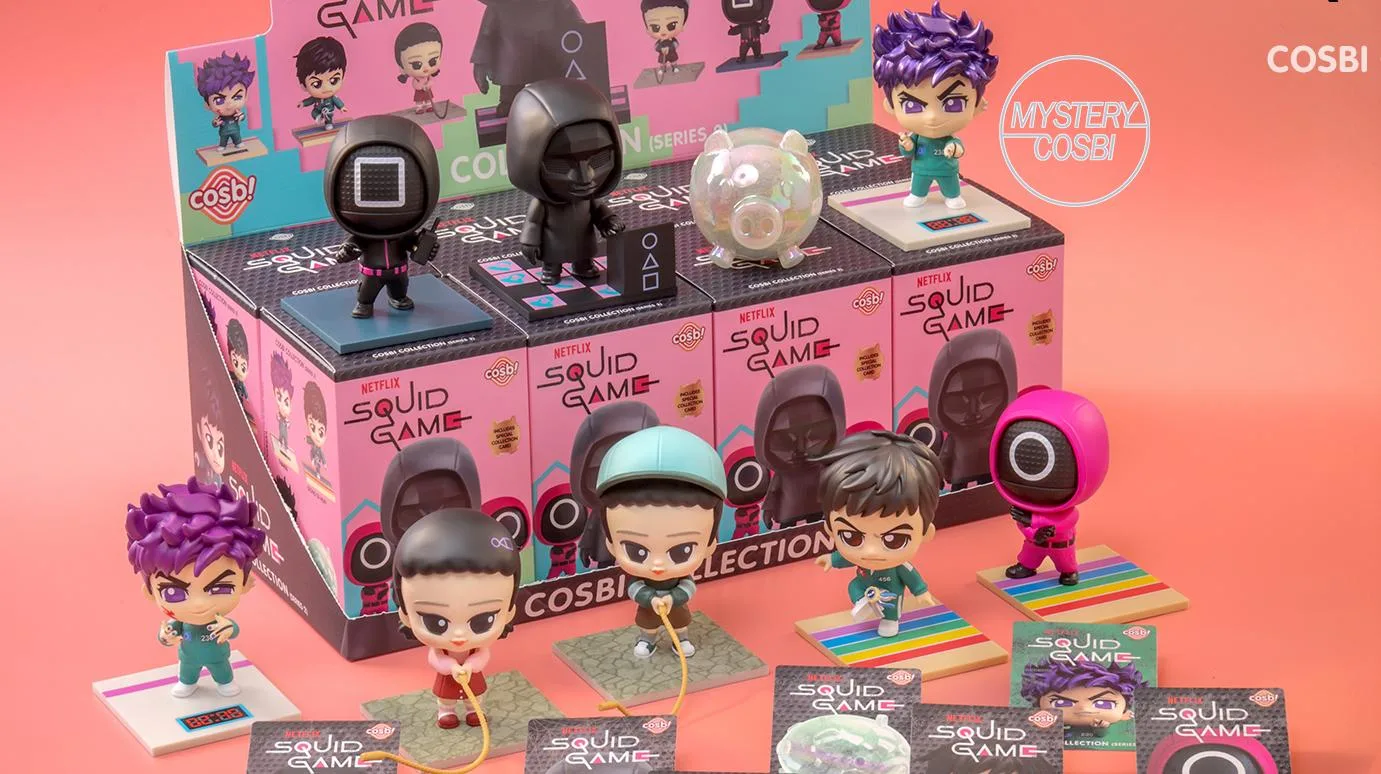
For blind box cards, a binder with acid-free sleeves or a small photo storage box works better than a loose envelope, because you can flip through designs without handling each card. Keep the card with its matching insert in the same sleeve so the set stays together. Label the outside of the bin or binder with the series name and the date you stored it, not with a vague note like 'misc toys'.
Flatten, sleeve and label in one pass
Work in one session rather than storing boxes a few at a time, because a half-sorted collection is the hardest to search. Open each box along its original glued seams using a blunt letter opener or your fingers, never a sharp blade that can slice the print. Press the box flat under a clean, heavy book for a day or two before it goes into the sleeve, so it does not curl back up inside the bin.
Write the figure name, series and any secret or limited status on the sleeve label, not on the box itself. Marker on a box is permanent and reduces its condition. If you are storing a series with a secret design, note that on the label too, because secret status is exactly the detail you will forget in a year.
Control light, heat and moisture where the bin lives
Print fades and adhesives fail fastest with UV light, heat swings and damp. A closet shelf, an under-bed drawer or an interior cabinet is better than a garage, attic or sunny windowsill. Aim for a stable room-temperature spot and avoid placing the bin directly against an exterior wall that sweats in humid months.
If you live somewhere humid, add a small reusable silica packet to the bin and check it every few months. Do not seal damp packaging in an airtight container, because trapped moisture encourages mold and musty odors. For long-term storage, a breathable cotton bag inside a rigid bin is safer than vacuum-sealing paper.
Handle cards and inserts as their own small archive
Cards and inserts are the easiest items to lose and the hardest to replace, so give them a dedicated home rather than tucking them into the box bin. Keep them flat, out of direct sun, and away from tape, rubber bands and adhesive labels that leave residue. If an insert has a fold-out or pop-up section, store it unfolded so the crease does not crack over time.
When you buy a new blind box, add its card to the binder the same day. That single habit prevents the common situation where a figure is displayed but its card has vanished into a drawer. For series with a secret design, keep a written note of which designs you already have so you do not rebuy duplicates by mistake.
Step-by-step packaging storage routine
- Sort packaging into keep, card-only and recycle piles: Keep the box front, character card and any numbered or artist insert for figures you display or may resell. Keep only the card and limited insert for duplicates. Recycle plain trays, tissue and shipping cartons. Checkpoint: if you cannot name the figure a box belongs to, you are keeping too much.
- Open boxes along original seams and press them flat: Use a blunt letter opener or your fingers along the glued seam, never a sharp blade. Lay the opened box under a clean, heavy book for a day so it stays flat. Mistake to avoid: tearing the printed front panel while rushing the seam.
- Sleeve each flattened box in acid-free paper: Slide the flat box into an acid-free sleeve or between sheets of acid-free paper, then place it in a rigid, lidded bin lined with the same material. Checkpoint: the printed front should face up so you can read it without pulling the box out.
- Move cards and inserts into a binder or labeled box: Pair each card with its matching insert in one acid-free sleeve. Store fold-out inserts unfolded so creases do not crack. Mistake to avoid: using rubber bands, tape or sticky labels directly on cards.
- Label the outside of every bin and binder: Write the series name, figure list and storage date on the outside, and note any secret or limited status. Never write on the box or card itself. Checkpoint: a stranger should be able to find a specific figure from the label alone.
- Place storage in a cool, dark, dry spot and check it twice a year: Choose an interior closet shelf or under-bed drawer away from sun, heat swings and damp exterior walls. Add a reusable silica packet in humid climates and replace it when saturated. Mistake to avoid: sealing damp packaging in an airtight container, which traps moisture and invites mold.
Packaging details worth planning around
- P.D.C Parasitic Panda Blind Box Series: The P.D.C Parasitic Panda Blind Box Series has 5 regular designs and 1 secret design, and a case gives 5 regular designs plus either 1 repeat or 1 secret. Because a case can include a repeat, label the card and insert for each figure before storing, so you can tell a duplicate from a missing design without opening the bin.
- Tom and Jerry: Funfair Series Figures: Tom and Jerry: Funfair Series Figures come 1 random figure per box, with 9 regular designs and 1 secret, and the packaging may show minor shelf wear. Existing shelf wear means flattening and sleeving early prevents further corner damage, and the random pack means your card archive is the only reliable record of which designs you own.
- Moldy Friends Figure Gacha Series: Moldy Friends Figure Gacha Series is a random gacha, and design requests left on the cart page are not guaranteed. Since the design is not guaranteed, keep the card or capsule insert with the figure so you can identify the exact design later without relying on memory.