Quick answer
Buy the wallet that matches your daily carry, not the biggest logo. Start with size and layout, then check leather construction at the stress points, and treat condition as a price factor rather than a dealbreaker. A well-made long wallet in very good used condition usually serves you better than a flimsy new one.
A designer wallet is one of the few luxury purchases you touch every single day, so the details matter more than the label. This designer wallet buying guide walks through the decisions that actually change how a wallet wears: size, layout, leather, stitching, hardware, and condition.
You do not need to memorize brand history to choose well. You need a short list of questions to ask before you pay, and a clear idea of what you are willing to trade off. The examples below come from real pre-owned listings so you can see how the rules apply.
Start with size and layout, not the brand
The first decision is how the wallet lives in your day. A long wallet holds cash flat and fits a tote or backpack, but it will not sit comfortably in a front pocket. A compact crossbody or pouch works when you carry fewer cards and want your hands free. Measure your current wallet and compare it to the listed dimensions before you fall for a photo.
Layout matters as much as size. Count the card slots you actually use, then add two. Look at whether the bill compartment is full-width or split, and whether there is a zipped coin section. A wallet with too many slots stays bulky even when empty, while too few forces you to cram cards and stretch the leather.
- Measure your pocket or bag opening before choosing a long wallet.
- Count your daily cards, then add two slots for flexibility.
- Decide up front whether you need a coin pocket or never use one.
How to read leather wallet construction
Good leather wallet construction shows up at the points that flex. Run your thumb along the fold line: the leather should feel supple, not stiff or papery. Check that the stitching is even and tight, with no loose threads or skipped stitches near the card slots, because those are the first places to fail.
Edge finishing tells you how much care went into the wallet. Painted or burnished edges should be smooth and consistent, not cracked or peeling. Inside, look at how the lining meets the leather; a clean, flat seam usually means the wallet was built to be opened and closed thousands of times.
- Flex the fold line gently and watch for cracking or stiffness.
- Inspect stitching at card slot corners, the highest-stress area.
- Check edge paint and lining seams for peeling or separation.
Condition grades and what they mean for price
Pre-owned listings usually grade condition, and the grade is a pricing signal rather than a verdict. A wallet graded very good may show light wear at the corners or a soft patina, while a good grade can mean visible scuffs or stretched slots. Neither automatically disqualifies the wallet if the structure is sound.
Use condition to negotiate your expectations. If the leather is intact and the stitching is tight, surface wear is cosmetic and often improves with a light conditioning. If the fold line is cracked or the lining is torn, the wallet will keep degrading no matter how good the price looks.
- Ask for photos of corners, fold line, and card slot edges.
- Treat cosmetic wear as negotiable and structural damage as a stop sign.
- Compare the listed price against the original retail reference when provided.
Hardware, closures, and everyday durability
Zippers, snaps, and clasps take more abuse than any other part of a wallet. A metal zipper should glide without catching, and the pull should feel solid rather than loose. Snaps should close with a firm click; a snap that pops open on its own will only get worse.
Hardware finish also affects how the wallet ages. Polished metal shows scratches, while matte or brushed finishes hide them better. If the hardware is worn but functional, that is usually a fair trade for a lower price, as long as the closure still does its job.
- Test every zipper and snap before buying if you can handle the wallet.
- Prefer brushed or matte hardware if you dislike visible scratches.
- A loose closure is a repair cost, not a minor flaw.
Decision rules to apply before you buy
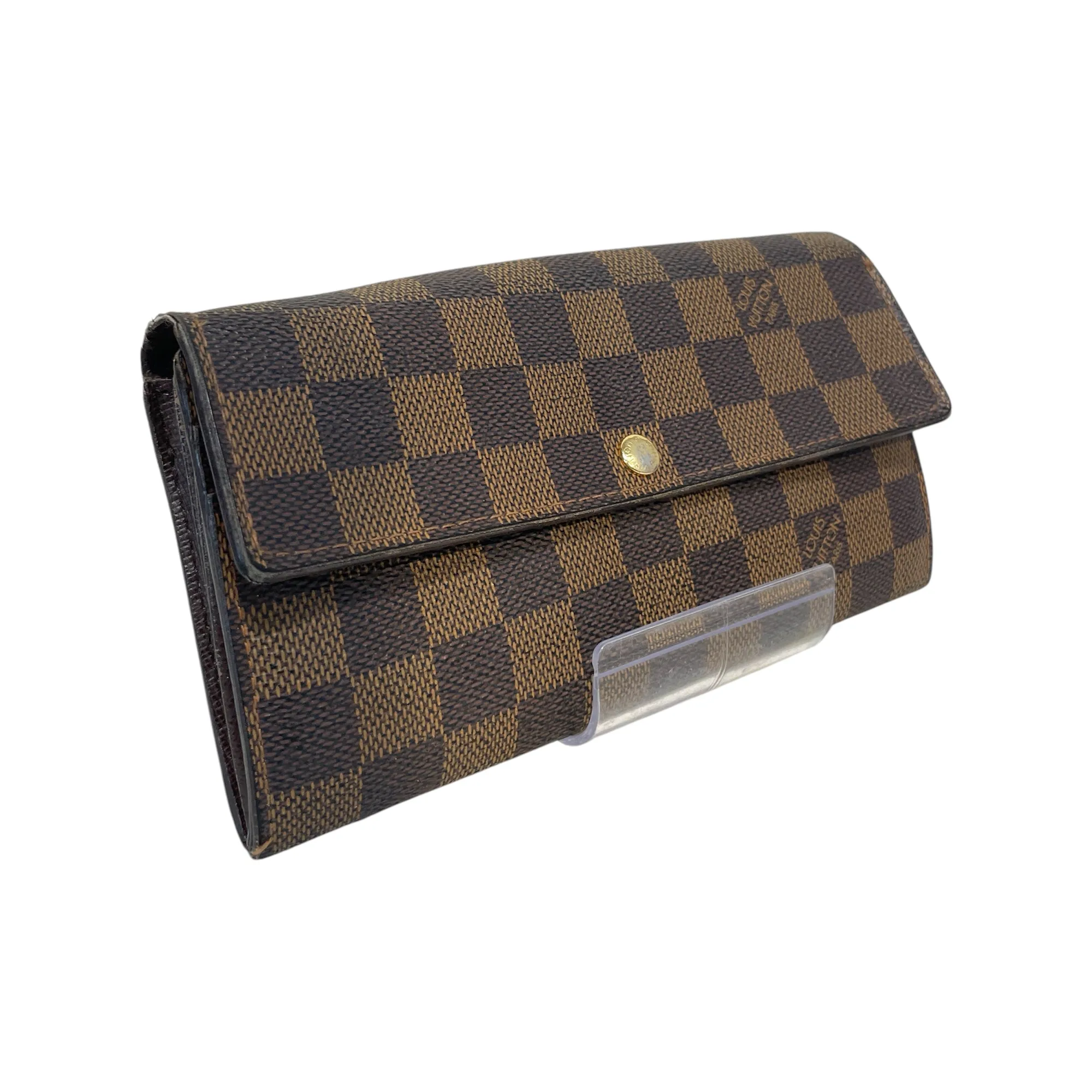
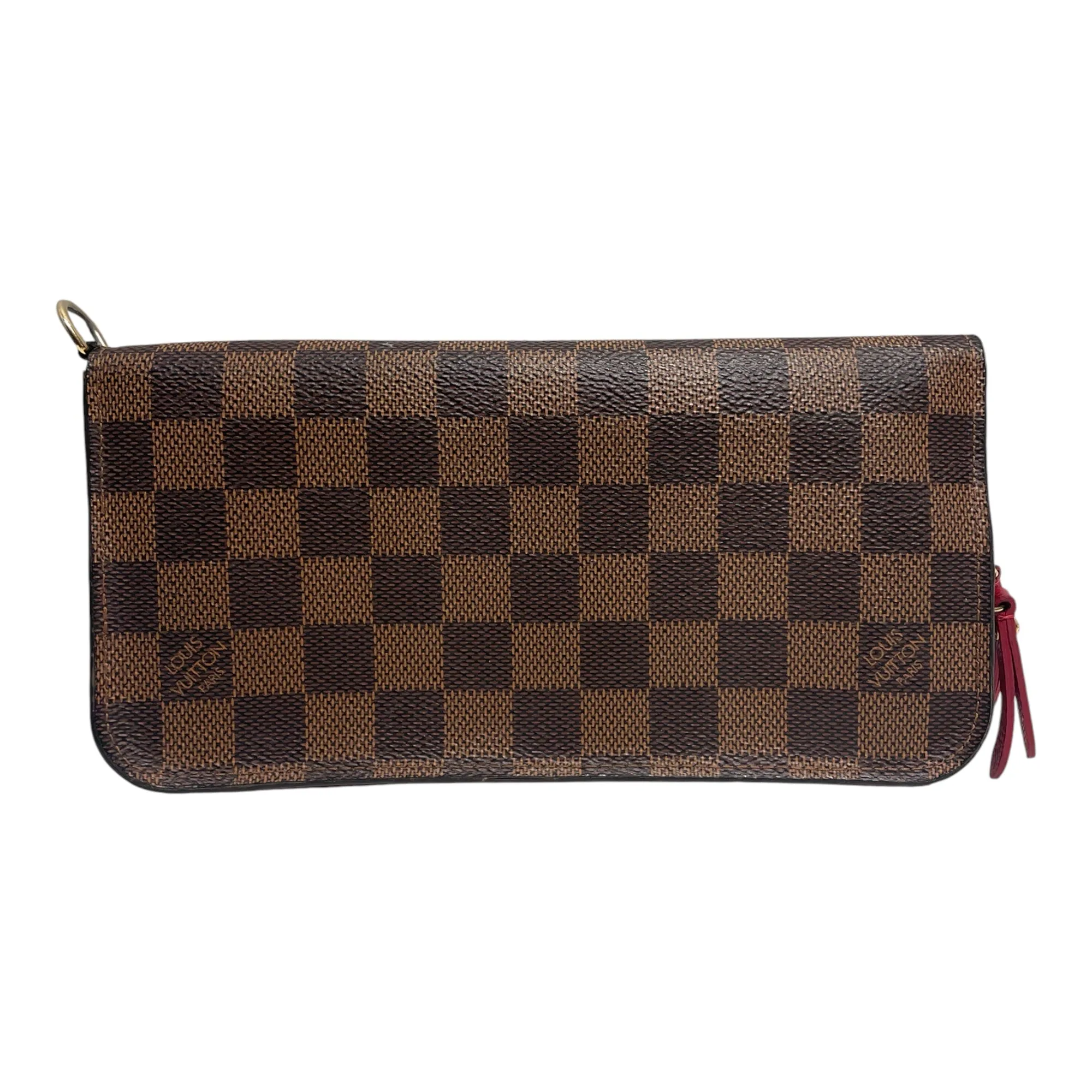
- If you carry a bag every day: Choose a long wallet with a full-width bill compartment and at least six card slots, like the 7.5-inch Damier Ebene Emille or the 7-inch Clemence. Long wallets reward bag carriers and punish front-pocket carriers.
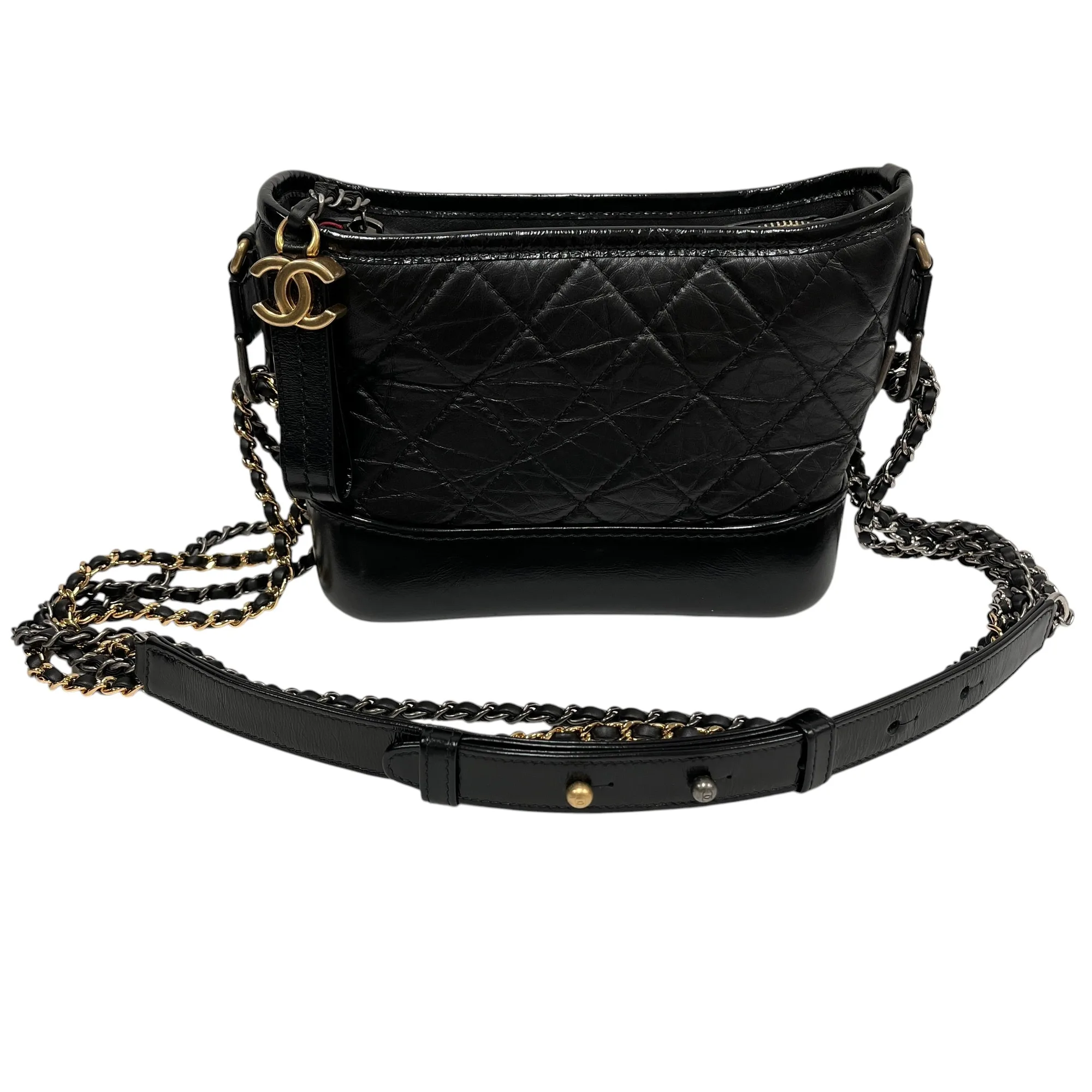
- If you want hands-free carry: Skip the long wallet and look at a crossbody or pouch, such as the Coach Stanton or the Chanel crossbody, and carry only the cards you use. Fewer compartments means less bulk but also less organization.
- If the condition grade is B or Good: Expect visible wear and price it in. Confirm the fold line, stitching, and closure are intact before accepting the discount. Cosmetic wear is fine; structural wear is a pass.
- If the leather feels stiff or papery: Walk away. Stiff leather at the fold line cracks with use, and no conditioning routine reverses that. Supple leather is the single best predictor of long wallet life.
- If the price is under half the comparison price: Check the listing facts carefully rather than assuming a bargain. Confirm dimensions, material, and grade match what you need. A deep discount usually reflects condition, not a mistake.
Real listings, real numbers
- LOUIS VUITTON/Long Wallet/Monogram/Leather/BRW/Damier Ebene Emille: Width 7.5 inches, height 4 inches, brown leather, graded Used Very Good, listed at USD 99.95 against a USD 199.90 comparison price. A slim long wallet at roughly half the comparison price, best if you carry a bag and want a low-risk entry into designer leather.
- LOUIS VUITTON/Long Wallet/Monogram/Leather/BEG/L's/Empreinte Bicolor Tourterelle: Width 8 inches, height 4.5 inches, beige leather, graded B Used Good, listed at USD 349.95 against a USD 699.90 comparison price. The largest option here, so it suits someone who carries a tote and wants visible texture; the good grade explains the steeper discount.
- LOUIS VUITTON/Long Wallet/Hombre Check/BRW/CLEMENCE LONG WALLET: Width 7 inches, height 4 inches, depth 1 inch, brown leather, graded Used Good, listed at USD 249.95 against a USD 499.90 comparison price. The listed depth tells you it holds more than a flat wallet, which matters if you keep receipts or multiple currencies.
- CHANEL/Cross Body Bag/Leather/BLK/: Height 6 inches, width 7 inches, depth 3 inches, black leather, graded A Used Very Good, listed at USD 1199.95 against a USD 2399.90 comparison price. A hands-free alternative when a long wallet feels like too much; the very good grade supports the higher price.
Who each format suits
Best for
- Bag carriers who want flat cash storage and a slim profile
- Shoppers testing a designer format at a lower entry price
- Anyone who prefers a structured, easy-to-inspect leather wallet
Not for
- Front-pocket carriers who need a compact bifold
- Minimalists who only carry two cards and no cash
- Shoppers who need a warranty or new-condition item
Pick the size and layout that matches your real routine, then let leather quality and condition set the price you are willing to pay. A wallet that fits your pocket and survives daily flexing will outlast a trendier one every time.