Quick Answer
Choose Detective: City of Angels if you want a narrative-driven, multiplayer crime-solving experience with a player taking on the role of the Chisel. Choose Hostage Negotiator if you prefer a solo, tense, decision-making game where you manage limited actions and resources to save hostages. Both offer distinct challenges, but your group size and preference for story versus pressure will guide you.
Hostage Negotiator
Crime-solving board games come in many flavors, and two of the most popular series from Van Ryder Games are Detective: City of Angels and Hostage Negotiator. While both put you in the middle of high-stakes situations, the experiences are vastly different. Detective is a multiplayer, narrative-driven game set in 1940s Los Angeles, where you investigate crimes and interrogate suspects. Hostage Negotiator is a solo game that drops you into a tense negotiation scenario where every decision can mean life or death.
This comparison will help you decide which crime-solving game fits your gaming style, group size, and appetite for challenge. We'll break down the core differences, highlight trade-offs, and point you toward the right choice.
Core Gameplay Differences
Detective: City of Angels is a deduction game for 1 to 5 players. One player takes on the role of The Chisel, a character who knows the truth behind the crime and tries to mislead the detectives. The other players work together as LAPD homicide detectives, interviewing suspects, gathering clues, and solving the case. The game is driven by a narrative that unfolds through cards and a companion app, making each playthrough a unique story.
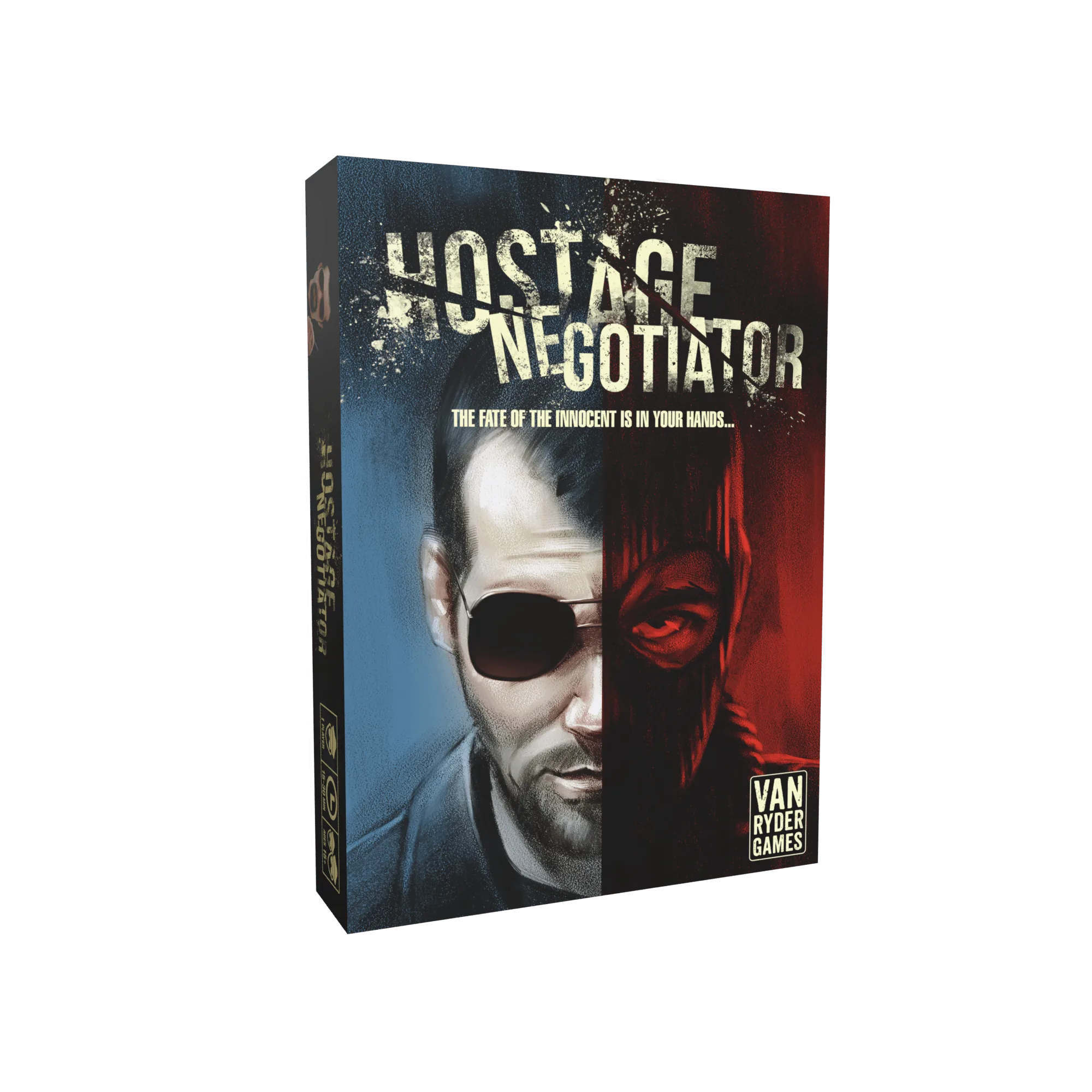
Hostage Negotiator, on the other hand, is a solo game where you play as a negotiator trying to talk a hostage-taker into releasing victims. The game uses a deck of cards to simulate the negotiation, with you managing your hand of cards, your mental state, and the hostage-taker's mood. Each turn presents tough choices: do you try to build rapport, or do you push for a release? The game is tense, challenging, and designed for solo play, though expansions can add variety.
The key difference is the social dynamic. Detective thrives on player interaction and the adversarial role of The Chisel. Hostage Negotiator is a solitary puzzle that tests your resource management and risk assessment.
- Detective: City of Angels supports 1-5 players, with the Chisel role adding a unique competitive twist.
- Hostage Negotiator is strictly solo, focusing on tense decision-making and limited resources.
Player Count and Group Dynamics
If you often game with a group, Detective: City of Angels is the natural fit. The game shines with 3-5 players, as you can debate theories, accuse suspects, and try to outwit The Chisel. The adversarial element creates engaging table talk and memorable moments. Even at lower player counts, the game can be played cooperatively or solo, but the full experience is best with a group.

moments
Hostage Negotiator is a solo-only experience. It's perfect for those times when you want to play a game but no one else is available. The game is designed to be played alone, and it offers a challenging, immersive experience that can be completed in about 30-45 minutes. If you're looking for a game to play with friends, Hostage Negotiator won't provide that, but it's an excellent choice for solo gamers.
Consider your typical gaming situation. If you're part of a regular game night, Detective is a better investment. If you often find yourself gaming solo, Hostage Negotiator is a must-have.
- Detective: City of Angels is best with 3-5 players, offering a rich social deduction experience.
- Hostage Negotiator is designed for solo play, making it ideal for solo gaming sessions.
Complexity and Learning Curve
Detective: City of Angels has a moderate learning curve. The game involves a companion app that guides the narrative, and players need to understand how to interrogate suspects, collect clues, and use the case file. The role of The Chisel adds a layer of complexity, as that player must learn how to lie effectively and manage the flow of information. Once you get the hang of it, the game flows well, but the first session might require a bit of patience.
Hostage Negotiator is easier to learn. The core mechanics are simple: draw cards, play cards, and manage your resources. However, mastering the game is tough. Each negotiation is a puzzle, and you'll need to plan several moves ahead. The game's difficulty comes from the decisions you make, not from complex rules. This makes it accessible to newcomers but still challenging for veterans.
If you prefer games that are easy to teach but hard to master, Hostage Negotiator is a great choice. If you enjoy learning a more involved system with a narrative payoff, Detective: City of Angels is worth the effort.
- Detective: City of Angels requires learning the app and the Chisel role, adding initial complexity.
- Hostage Negotiator has simple rules but deep strategic decisions.
Trade-Offs at a Glance
- Social vs. Solo: Detective: City of Angels is a multiplayer game that thrives on group interaction and the adversarial Chisel role. Hostage Negotiator is strictly solo, offering a personal challenge without needing others. If you game with friends, choose Detective; if you play alone, choose Hostage Negotiator.
- Narrative vs. Pressure: Detective: City of Angels focuses on unraveling a story with branching cases and app-driven narration. Hostage Negotiator creates tension through limited actions and the constant threat of failure. Prefer a story? Detective. Prefer adrenaline? Hostage Negotiator.
- Complexity vs. Accessibility: Detective: City of Angels has a steeper learning curve due to the app and the Chisel mechanics. Hostage Negotiator is easy to learn but offers deep strategic gameplay. New to the genre? Hostage Negotiator is easier to start, but Detective rewards those willing to invest.
Related Products to Consider
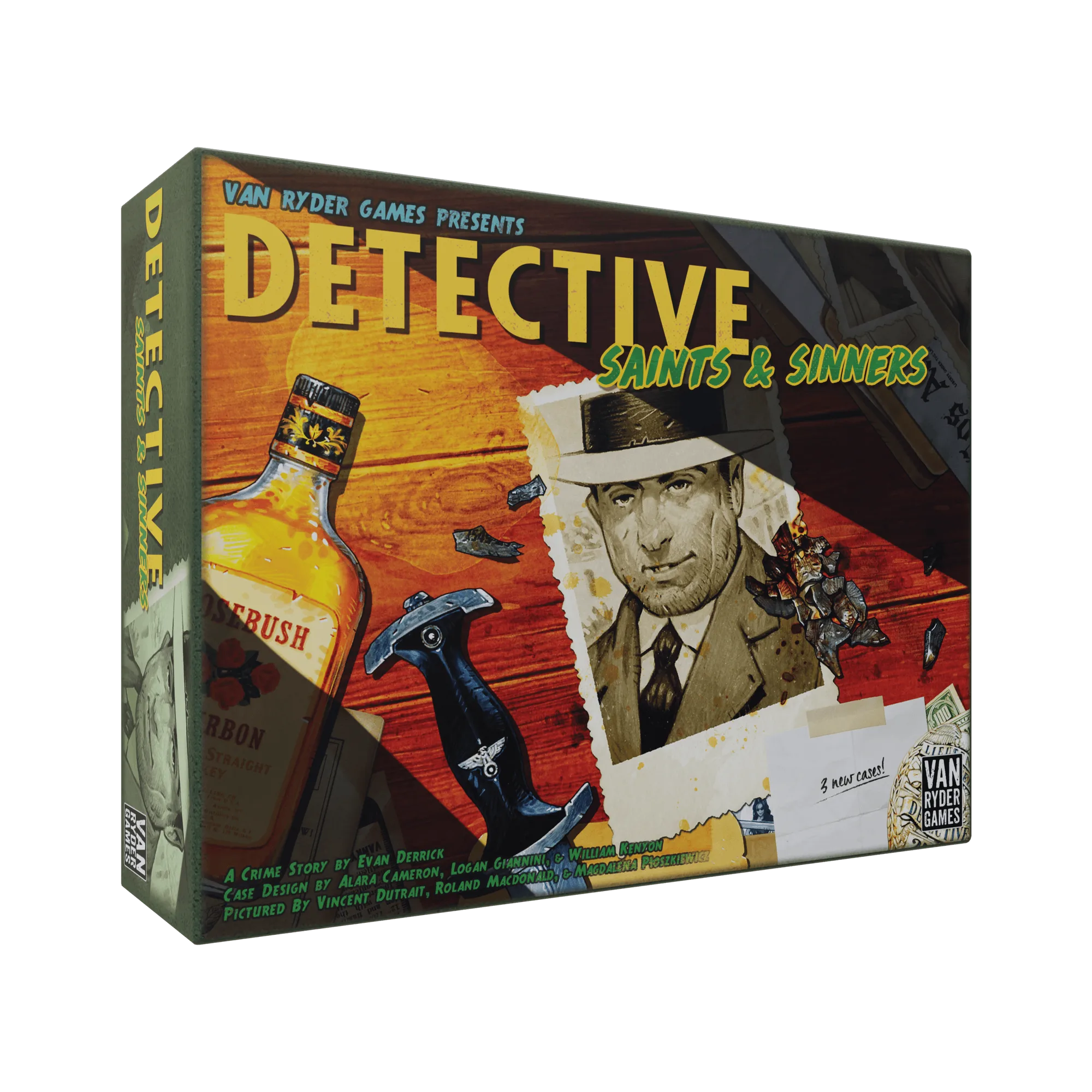
- Detective: Saints & Sinners: Introducing Detective: Saints and Sinners, the latest expansion for Detective: City of Angels, an immersive narrative-driven board game set in the gritty 1940s Los Angeles. Uncover three different cases, navigating the dark underbelly of LA as LAPD Homicide detectives, but beware, as one player assumes the role of The Chisel, aiming to thwart your every move. If you enjoy the base Detective game, this expansion adds three new cases with fresh art and stories, extending the life of your game.
- Detective: Heist and Heartbreak: A new expansion featuring even more of the crime-solving goodness you have come to expect! Detective: Heists & Heartbreak features three fiendish crimes designed by Evan Blewett. Each case features beautiful art from Vincent Dutrait, Snow Conrad, and Agnieszka Dąbrowiecka that will pull you into the mystery from the moment you start. Another expansion for Detective: City of Angels, offering diverse cases and high-quality art, perfect for groups that crave variety.
Which Game Fits You?
Best for
- Groups of 3-5 players who enjoy social deduction and narrative-driven mysteries.
- Players who like a game with an app component and a rich story that unfolds over multiple sessions.
Not for
- Solo gamers who want a quick, tense challenge without needing other players.
- Those who prefer simple rules and quick setup over a more involved experience.
Both Detective: City of Angels and Hostage Negotiator offer excellent crime-solving experiences, but they cater to different needs. If you have a regular game group and love immersive narratives, Detective is your game. If you're a solo player who enjoys pressure-cooker decisions, Hostage Negotiator is the way to go. Consider your gaming habits, and you'll find the perfect fit.