Quick Answer
A developmental cup set is a structured training system that guides your baby through open cup and straw drinking milestones. It includes age-specific cups that progress from 4 months to 2+ years, promoting lip closure, lip rounding, and tongue positioning. For most families, this set is a worthwhile investment because it replaces multiple single-purpose cups and supports independent drinking skills.
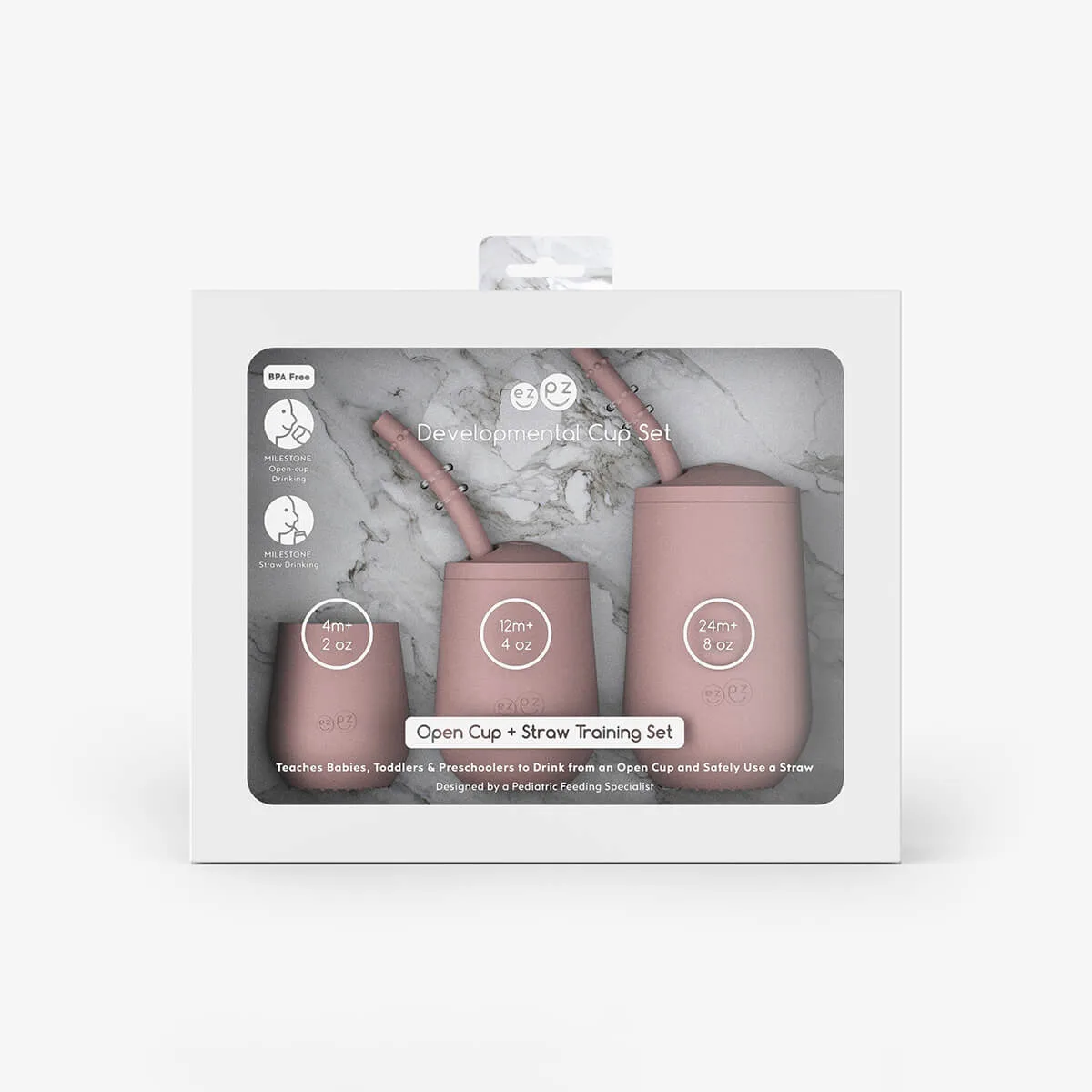
developmental cup set
As your baby grows, mastering drinking from an open cup and using a straw are significant milestones that require practice and the right tools. Many parents struggle with the transition from bottle or breast to independent drinking, often resorting to sippy cups that may not support proper oral motor development. A developmental cup set offers a structured approach, providing cups designed for each stage of your child's development.
In this article, we'll explore the benefits of using a developmental cup set, how it supports key milestones, and how to choose the right one for your child. We'll also address common problems parents face and offer practical solutions.
Why Developmental Cup Sets Matter for Baby Milestones
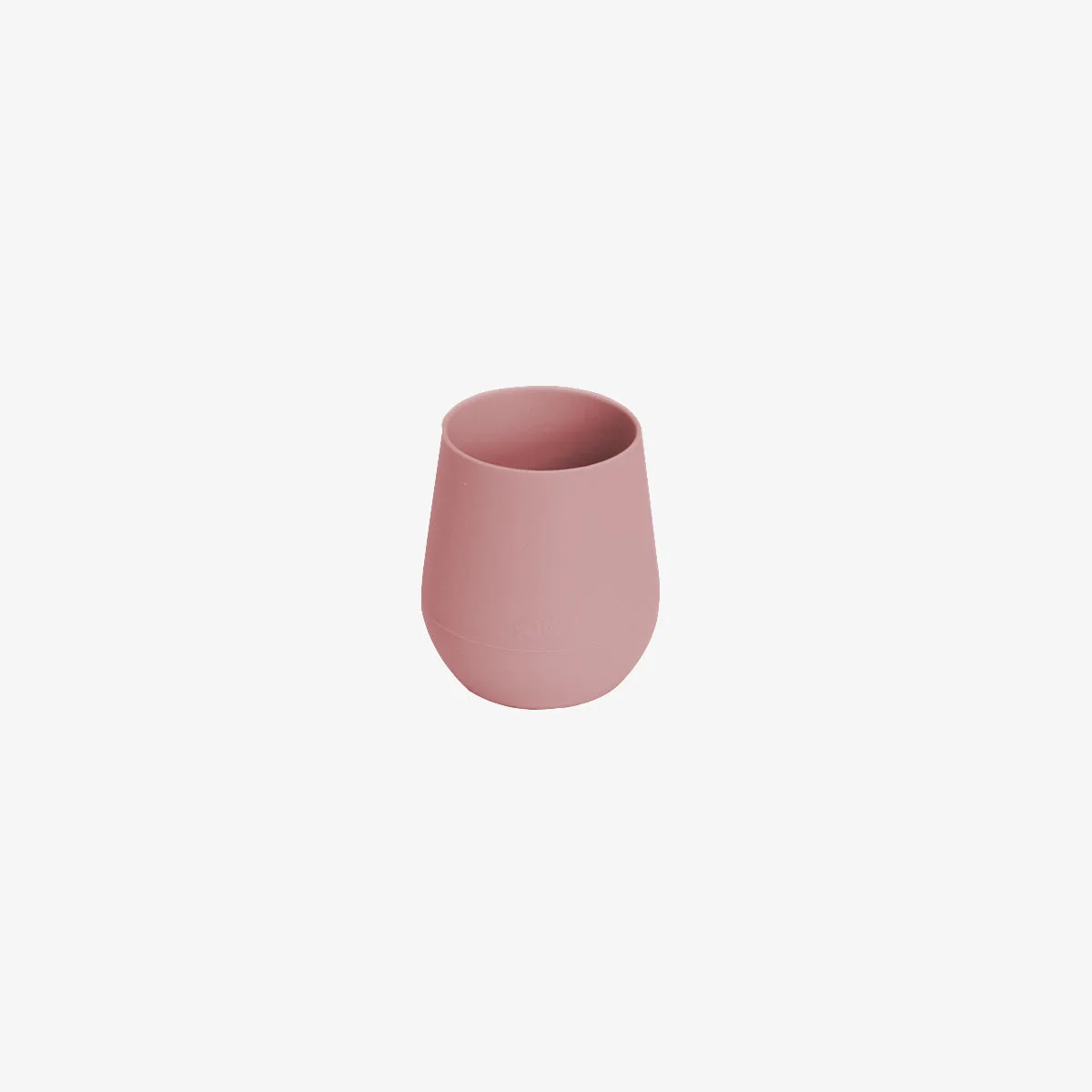
Developmental cup sets are not just a collection of cups; they are a carefully designed system that aligns with your baby's oral motor development. Starting with a small 2oz cup at 4 months, your baby learns to bring the cup to their lips and take small sips while you guide them. This early exposure helps develop lip closure, a crucial skill for preventing spills and managing liquid flow.
As your baby grows, the set introduces a 4oz cup with a straw at around 9 months. Straw drinking requires different oral motor skills, including lip rounding and tongue retraction. Practicing with a straw helps strengthen the muscles needed for speech and eating. By the time your child reaches 2 years, the 8oz cup with a straw encourages independent drinking, building confidence and self-sufficiency.
- Start with the 2oz cup at 4 months to introduce open cup drinking.
- Progress to the 4oz cup with straw at 9 months for straw training.
- Use the 8oz cup at 2 years to encourage independent drinking.
Common Problems with Traditional Sippy Cups
Traditional sippy cups often have spouts that require a sucking motion similar to a bottle, which does not promote the natural drinking pattern. This can lead to prolonged use of immature drinking patterns, potentially affecting speech development and oral motor skills. Additionally, many sippy cups are not designed to be held by small hands, making it difficult for babies to practice self-feeding.
Furthermore, sippy cups can be hard to clean, with many nooks and crannies where mold can hide. The transition from sippy cup to open cup can be challenging because the skills are different. Developmental cup sets address these issues by providing cups that are easy to hold, promote natural drinking mechanics, and are simple to clean.
How Developmental Cup Sets Support Oral Motor Development
The design of developmental cups encourages proper lip and tongue positioning. The 2oz Tiny Cup has a wide, shallow rim that allows your baby to use their lips to sip, promoting lip closure. The 4oz Mini Cup with a straw requires your baby to round their lips around the straw, strengthening the orbicularis oris muscle, which is essential for speech.
Using a straw also helps with tongue retraction, a skill needed for swallowing and later for eating solid foods. The progression from open cup to straw cup ensures that your baby develops a full range of oral motor skills. This holistic approach can reduce feeding difficulties and support overall development.
Choosing the Right Developmental Cup Set
When selecting a developmental cup set, consider the age range and the cups included. A good set should cover multiple stages, from 4 months to 2+ years, to provide continuity. Look for cups that are made from safe, BPA-free materials and are dishwasher safe for easy cleaning. The cups should be sized appropriately for small hands, with easy-grip handles or textured surfaces.
Also, check if replacement straws are available, as straws can wear out over time. Some sets offer additional accessories like lids or storage. Reading reviews from other parents can provide insight into durability and ease of use. Ultimately, the best set is one that fits your child's needs and your lifestyle.
- Ensure the set includes cups for multiple age stages.
- Check for dishwasher-safe and BPA-free materials.
- Consider the availability of replacement straws.
Diagnosing Drinking Skill Issues
- Symptom: Frequent spills when drinking from an open cup: If your baby is over 6 months and still spilling often, they may not have developed proper lip closure. Practice with a small, shallow cup like the 2oz Tiny Cup to help them learn to sip. If spills persist after several weeks of practice, consult your pediatrician or an occupational therapist.
- Symptom: Gagging or coughing when using a straw: This may indicate that your baby is not coordinating the suck-swallow-breathe sequence. Ensure you are using a straw cup designed for their age, like the 4oz Mini Cup + Straw, and try offering thicker liquids like yogurt or smoothies to slow the flow. If gagging continues, stop straw use temporarily and revisit in a few weeks.
- Symptom: Refusal to use a cup or straw: Your baby may be resistant to change. Introduce the cup gradually, offering it during mealtimes when they are hungry or thirsty. Model drinking from a cup yourself to encourage imitation. If refusal persists for more than a month, consider a different cup style or seek professional advice.
Product Facts: What to Look For
- Developmental Cup Set: The Developmental Cup Set is a training set that teaches babies, toddlers and preschoolers to drink from an open cup and safely use a straw. The developmental drinking system starts with the 2oz Tiny Cup (4 months +), followed by the 4oz Mini Cup + Straw (9 months +) and concludes with the 8oz Happy Cup + Straw (2 years +). This set provides a complete progression, so you don't need to buy separate cups for each stage, saving money and ensuring consistent training.
- Straw Replacements: The Straw Replacement Packs pair with the Mini Cup + Straw or Happy Cup + Straw. Having replacement straws on hand ensures your child can continue practicing without interruption, especially as straws can get worn or lost.
A developmental cup set is a valuable investment for supporting your baby's drinking milestones. By providing age-appropriate cups and straws, it helps build essential oral motor skills while making the transition to independent drinking smoother. If you're ready to help your child master these skills, explore the Developmental Cup Set and see how it can make a difference.