Quick answer
If dew forms on your corrector plate, eyepiece, or finder, the fix is a 12V dew control system: a controller plus heater strips sized to each optical surface. Run the lowest power that keeps the surface clear, because too much heat can distort views. A dew shield alone buys time but does not replace active heat in humid conditions.
Why dew hits the corrector plate first
A Schmidt-Cassegrain or Maksutov corrector plate is a thin, exposed glass surface that radiates heat to the sky and drops below the dew point quickly. That is why the corrector fogs before the mirror or the tube. A dew shield slows this by reducing sky exposure and trapping a slightly warmer air pocket, but it only delays dew, it does not prevent it.
Eyepieces fog for a different reason: your eye and breath add moisture right at the eye lens, and the small glass mass cools fast. A heated eyepiece strip or a simple eyepiece dew cap can keep the eye lens clear, but if you wear glasses or view for long stretches, active heat is more reliable.
Match heater power to each surface
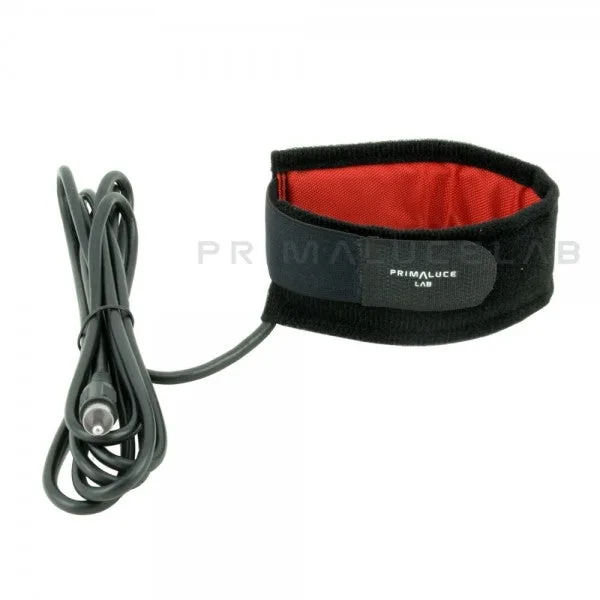
Dew heater strips are rated in watts, and the right strip depends on aperture and exposure. A small finder or eyepiece needs only a few watts, while a 8-inch SCT corrector may need 10 to 20 watts in damp air. Running a high-power strip on a small eyepiece can cause local heat waves that soften the view, so use the lowest setting that keeps the glass clear.
Dew heater
A controller lets you adjust each strip independently. If you run several strips from one 12V battery, add up the wattage and check your battery capacity: a 7Ah battery will not run a 20W corrector strip plus two eyepiece strips for a full night. A controller with PWM duty cycle adjustment lets you dial back power instead of switching strips on and off.
Dew shield vs heater: what actually works
A dew shield is passive and costs nothing to run, but it is not a substitute for heat when humidity is high or the temperature is within a few degrees of the dew point. Use a shield as your first line, then add active heat when the shield alone stops working. On an SCT, a heated dew shield combines both approaches, but you still need a controller to avoid overheating the corrector.
If you only have one heater strip, put it on the corrector plate or objective, because that is the largest exposed surface and the one that ruins the view first. Eyepiece fogging is annoying but easier to fix with a cap or a second strip later.
Set up a 12V dew control system without overcomplicating it
Start with a controller, one strip for your main aperture, and a 12V power source. Connect the strip around the corrector plate or objective cell, not over the glass, and secure the cable so it does not pull on the tube. Set the controller to a low duty cycle and increase only if dew returns. If your controller has a web dashboard or WiFi, you can check and adjust without touching the scope, which helps avoid vibration.
For an SCT, a common mistake is wrapping the strip too loosely or placing it on the dew shield instead of the corrector cell. The strip should make contact with the metal cell or the glass edge, following the manufacturer's placement. If you use a camera, a separate small strip on the camera body or filter wheel can prevent sensor window fogging, but that is a secondary concern after the corrector.
Dew diagnosis: symptom, cause, action, stop point
- Corrector plate fogs within 30 minutes: The corrector is radiating heat to the sky and has dropped below the dew point. A dew shield alone is not enough. Add a heater strip around the corrector cell and run it at low power through a controller. If dew returns even at moderate power, increase duty cycle slightly; if the view softens, you are overheating.
- Eyepiece eye lens fogs while you observe: Your eye and breath are adding moisture to a small, cool glass surface. Use an eyepiece with long eye relief, add a low-power eyepiece strip, or keep a dew cap on when not viewing. If the eyepiece still fogs, switch to a heated strip rather than breathing on the glass.
- Everything fogs despite a heater on the corrector: You may be underpowered for the conditions, or the strip is not making good contact with the cell. Check the strip placement and total wattage against your battery and controller capacity. If you cannot keep the corrector clear with a properly placed strip at full power, stop and pack up; continuing risks moisture inside the tube.
Products that solve this problem
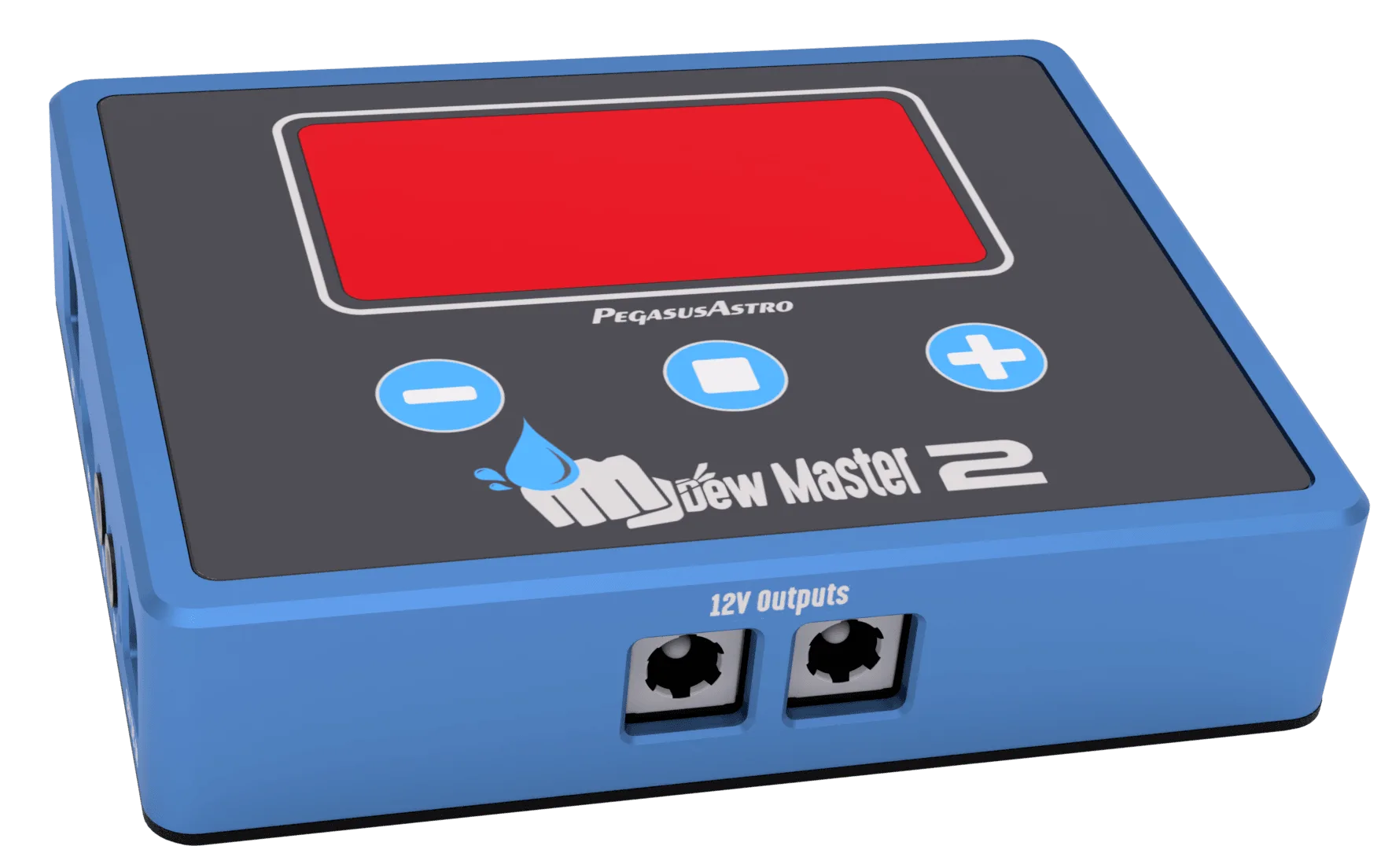
- DewMaster2: DewMaster2 connects and controls up to five dew heaters independently through precise PWM duty cycle adjustments, with USB-C connectivity and both WiFi Hotspot and Client modes for a web-based dashboard. Independent channels let you run a high-power corrector strip and a low-power eyepiece strip at the same time without overheating either surface, and the web dashboard lets you adjust power remotely.
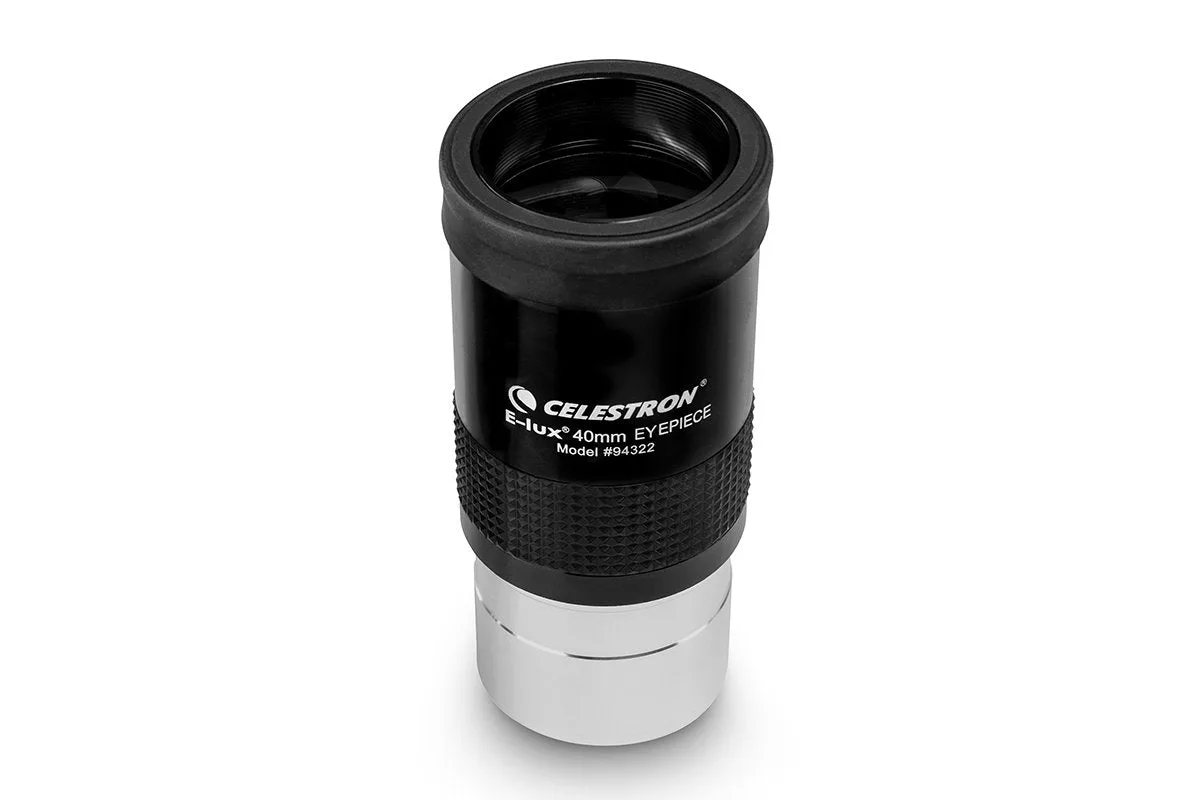
- E-lux 40mm Eyepiece - 2" (94322): E-lux 40mm Eyepiece - 2" (94322) is a 40mm Kellner eyepiece with a 3-element lens design, fully multi-coated optics, a 56° apparent field of view, and 36mm eye relief. Long eye relief keeps your eye farther from the eye lens, which reduces breath fogging, and the wide field is useful for low-power views when dew is a problem.
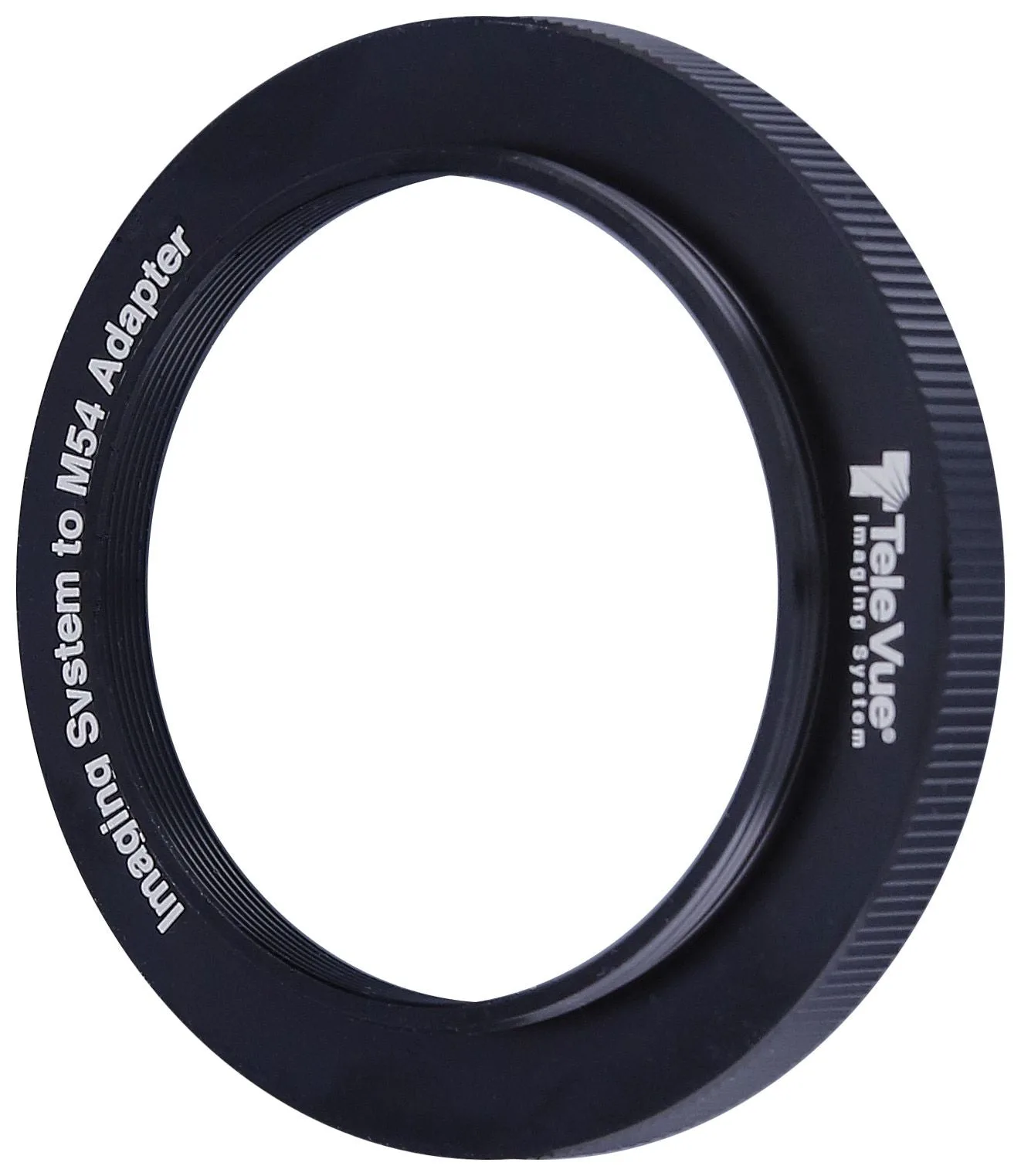
- M54 Camera Adapter for Tele Vue 2.4" Imaging System (M54-1073): M54 Camera Adapter for Tele Vue 2.4" Imaging System (M54-1073) has male M54 x 0.75mm threads on one side and Tele Vue Imaging System female threads on the other, allowing integration of M54-compatible hardware with Imaging System accessories. If you image in dewy conditions, a secure threaded connection keeps your camera train rigid so a heater strip or cable does not flex the optical path.