As we age, our bodies undergo a symphony of hormonal changes, and one of the most intriguing is the gradual decline of dehydroepiandrosterone, better known as DHEA. Produced primarily by the adrenal glands, DHEA serves as a precursor to sex hormones like testosterone and estrogen. Its levels peak in our 20s and then steadily decline, leading many to wonder: does this drop contribute to the aging process itself?
In this article, we dive into the latest research on DHEA and aging, examining what science says about its potential role in healthy aging, age-related decline, and whether supplementation might offer benefits. We'll also highlight some popular DHEA supplements available at Havasu Nutrition, such as Dihydroberberine Capsules and Night Time Fat Burner + Apigenin Capsules, to help you make informed choices.
The Science of DHEA Decline
DHEA is often called the 'youth hormone' because its levels are highest in young adulthood and then drop by about 2% per year. By age 70, most people have only 10-20% of the DHEA they had in their 20s. This decline is well-documented and has led researchers to investigate whether restoring DHEA levels could slow aging or improve health in older adults.
Several studies have linked low DHEA levels to age-related conditions such as reduced bone density, cognitive decline, and decreased muscle mass. However, the causal relationship remains unclear. While low DHEA is associated with these issues, it's not yet proven that raising DHEA levels reverses or prevents them. The research is promising but still evolving.
- DHEA peaks in the mid-20s and declines with age.
- Low DHEA levels are associated with various age-related health concerns.
- Research is ongoing to determine if DHEA supplementation can mitigate these effects.
DHEA and Age-Related Decline: What Studies Show
A growing body of research has explored DHEA's potential to counteract age-related decline. For instance, some studies suggest that DHEA supplementation may improve body composition, bone density, and even cognitive function in older adults. However, results are mixed, and many studies have been small or short-term.
One area of interest is DHEA's role in immune function. As we age, immune response weakens, and some research indicates that DHEA may help modulate immune activity. Additionally, DHEA is being studied for its effects on mood and well-being, with some trials reporting improvements in quality of life among older individuals.
- Some studies show potential benefits for bone density and muscle mass.
- Research on cognitive effects is promising but inconclusive.
- DHEA may support immune function in older adults.
DHEA Anti-Aging Claims: Separating Fact from Fiction
The media often touts DHEA as a fountain of youth, but the scientific evidence is more nuanced. While DHEA levels do decline with age, whether supplementation can slow the aging process remains unproven. Some experts caution against using DHEA without medical supervision, as it can affect hormone levels and have side effects.
That said, for individuals with documented low DHEA levels, supplementation might offer benefits. A healthcare provider can test your levels and guide you on appropriate dosing. When considering DHEA products, it's essential to choose high-quality supplements from reputable brands.
- DHEA is not a proven anti-aging miracle.
- Supplementation should be based on blood tests and medical advice.
- Quality matters when selecting a DHEA supplement.
How to Choose a DHEA Supplement
If you and your doctor decide that DHEA supplementation is right for you, selecting the right product is crucial. Look for supplements that are third-party tested for purity and potency. Consider the form—capsules are convenient, and some products combine DHEA with other beneficial ingredients.
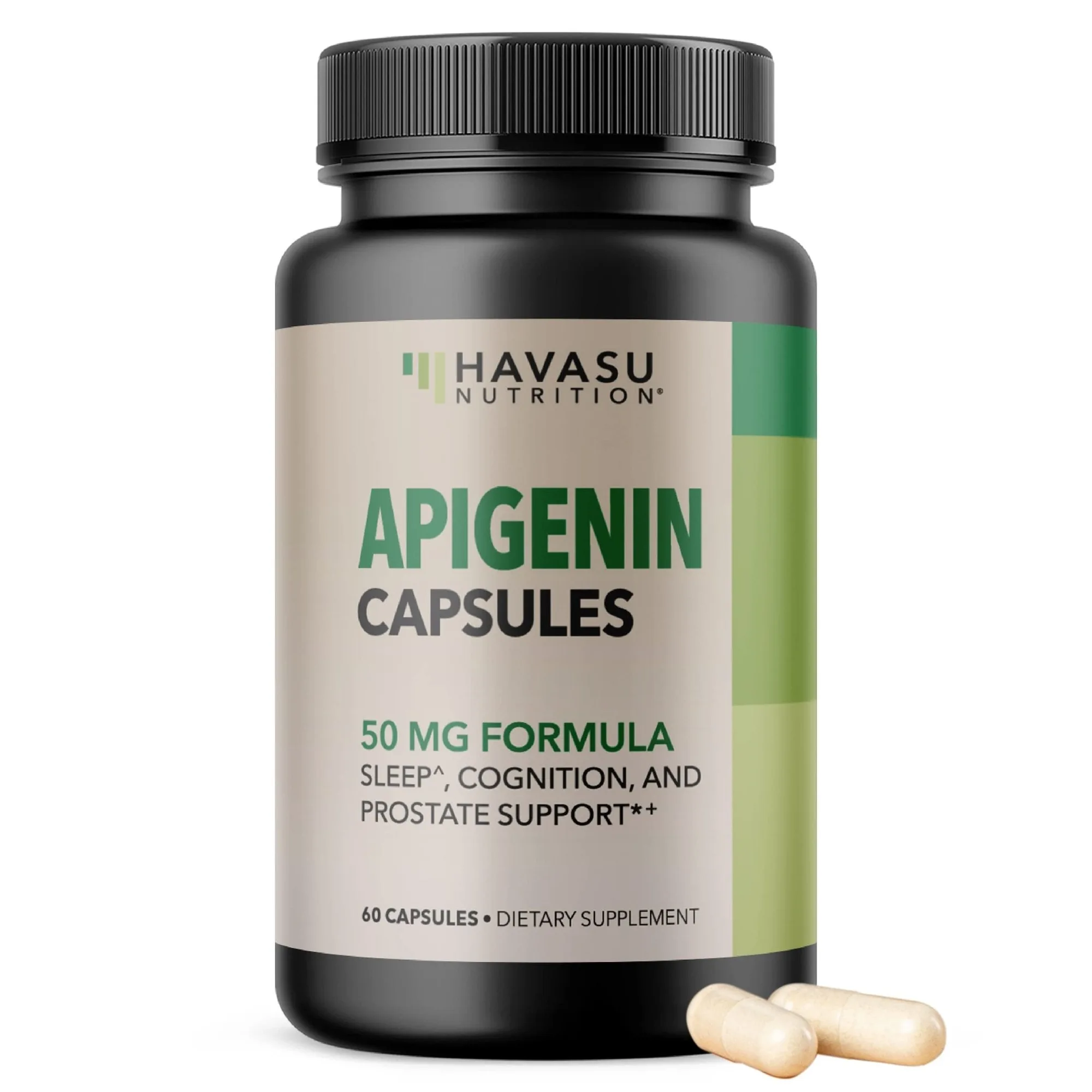
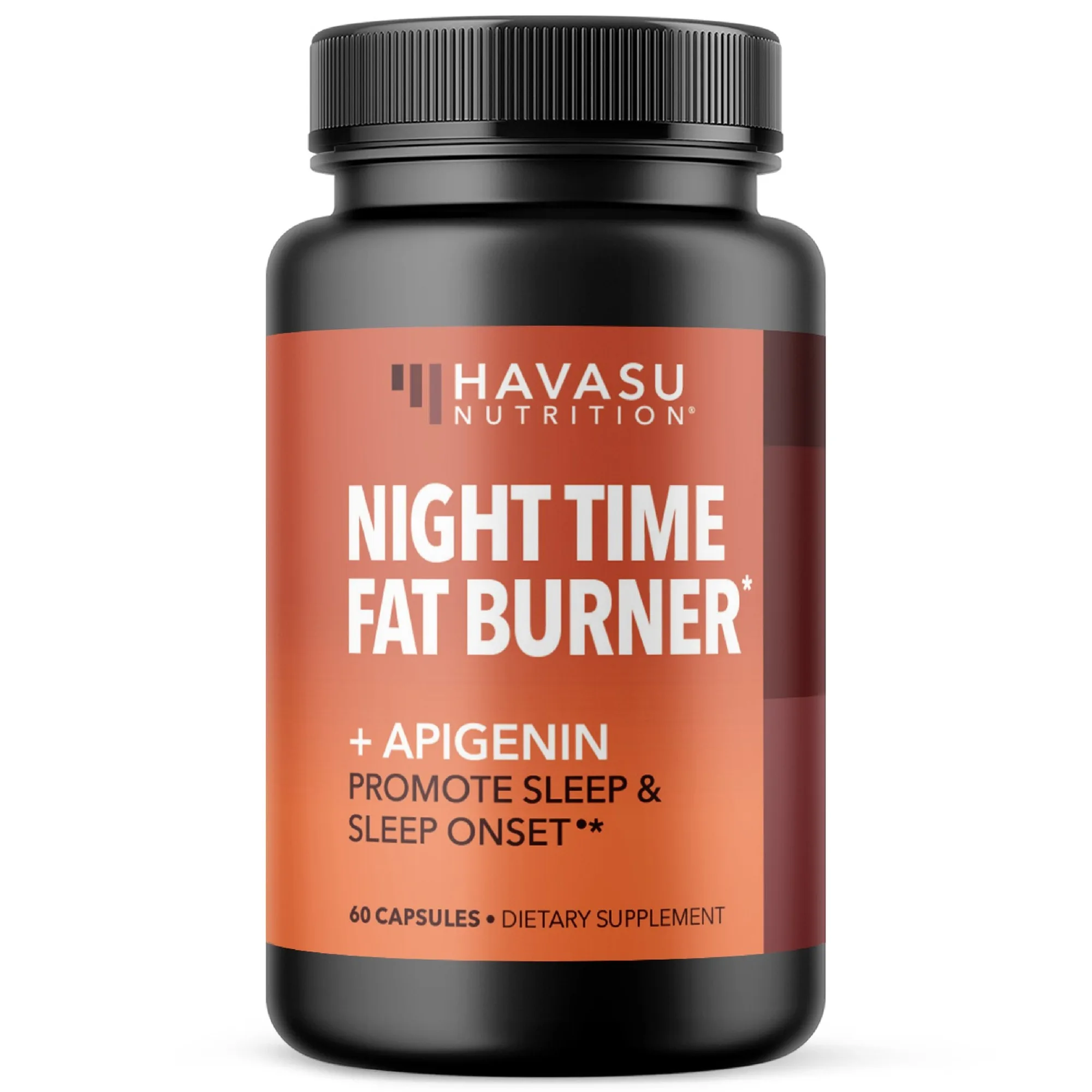
At Havasu Nutrition, you'll find a range of supplements that support overall wellness. For example, Dihydroberberine Capsules may help with metabolic health, while Night Time Fat Burner + Apigenin Capsules are designed to support relaxation and metabolism during sleep. While these aren't DHEA supplements, they complement a holistic approach to healthy aging.
- Choose supplements with third-party testing.
- Consult your healthcare provider for proper dosing.
- Consider combination products that support overall health.
In summary, DHEA's decline with age is a natural process, but its role in aging is complex. While research suggests potential benefits, more studies are needed to fully understand DHEA supplementation. If you're interested in supporting your health as you age, explore Havasu Nutrition's range of supplements, such as Dihydroberberine Capsules, to find products that align with your wellness goals.