Choosing a diaper bag feels like a small decision—until you realize how often you'll reach for it. Between daycare drop-offs, weekend errands, and overnight trips, your diaper bag becomes your daily companion. The right one makes outings smoother; the wrong one adds stress. That's why we've put together this diaper bag buying guide: to help you focus on the factors that genuinely matter before you hit 'add to cart.'
Whether you're a first-time parent or upgrading to a second baby, the sheer number of styles, sizes, and features can feel overwhelming. Backpacks, totes, messenger bags—each has tradeoffs. This guide breaks down the key considerations in plain language, so you can match a bag to your lifestyle rather than chasing trends.
Start with Your Daily Routine
Before comparing zippers or fabric, think about how you'll actually use the bag. If you're a stroller parent who rarely carries the bag on your shoulder, a tote with a sturdy handle might suit you. If you're chasing a toddler through a parking lot, a backpack keeps your hands free—a major advantage. Consider your commute, typical outings, and who usually carries the bag.
Also factor in how many kids you're packing for. One newborn needs bottles, diapers, and a change of clothes. Two kids means doubling up on snacks and wipes. Look for a bag with enough capacity but not so much that it becomes a black hole. The goal is to carry what you need without lugging around excess weight.
- List your top three weekly outings, then match the bag style to the most demanding one.
Key Diaper Bag Features to Consider
Every parent has a different 'must-have' list, but a few features consistently stand out. Insulated bottle pockets keep milk cool on warm days. Wipe-clean lining saves you when a leak happens—and it will. Multiple compartments help you find the pacifier without digging to the bottom. Stroller straps or a luggage sleeve simplify travel. Look for a bag that balances organization with accessibility.
Check the closures, too. Magnetic snaps offer quick access but may not keep everything contained during a tumble. Zippers are more secure but slower in a rush. Some bags combine both: open main sections with zippered interior pockets. Think about what frustrates you in a handbag or backpack, and apply those lessons here.
- Insulated bottle pockets
- Wipe-clean interior lining
- Dedicated diaper or changing pad compartment
- Adjustable straps or stroller attachment loops
Material, Comfort, and Long-Term Durability
Diaper bags endure a lot: spills, crumbs, sunscreen, and the occasional stomp by a toddler. Material matters. Canvas is durable but heavier and harder to clean. Nylon and polyester are lightweight and water-resistant. Vegan leather looks polished but may scratch. If you plan to use the bag through baby's first year and beyond, prioritize durability over trendy textures.
Comfort is just as practical. Padded shoulder straps ease pressure on long walks. A backpack with a chest clip distributes weight better. Test the bag's feel when it's half-full—you'll be carrying it more than you think. Also check the base: a reinforced bottom stands upright, so you're not fishing items from a crumpled pile.
- Try the bag on with your typical load—weight distribution makes a difference.
Matching the Bag to Your Growing Child
Newborns need lots of gear, but that phase passes quickly. A bag that works for an infant may feel oversized by the time your child is a toddler. Consider whether the bag can transition with you. Some backpacks double as a preschool bag later, which extends its life. The Itzy Explorer™ Preschool & Big Kid Backpack, for example, is designed for older kids but shares the organizational DNA of a diaper bag.
If you plan to have more than one child, a larger bag with modular organization—like the New Parent Organization Kit—helps you adapt to different ages. You might keep diapering supplies in one section and snacks or toys in another. Think beyond the newborn stage so your purchase stays useful for years, not months.
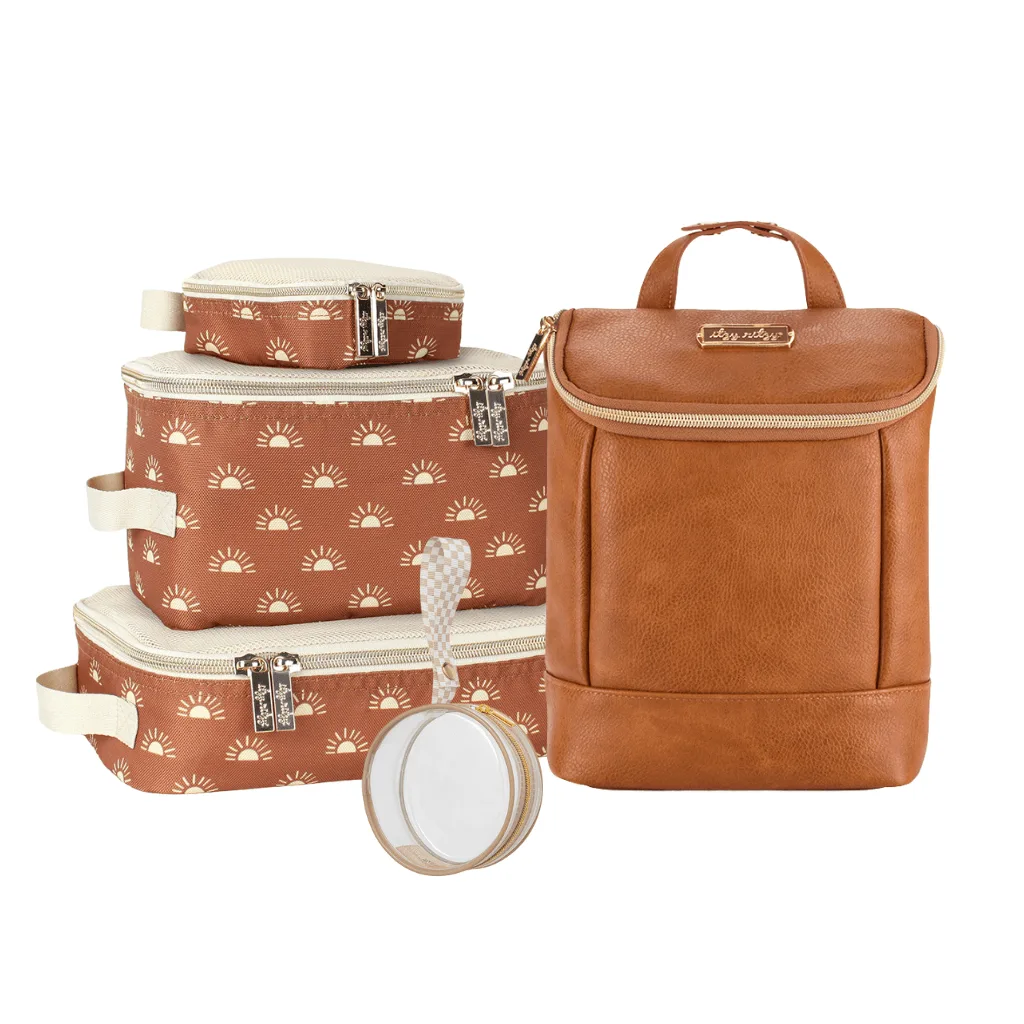
New Parent Organization Kit
- Ask yourself: will this bag still feel right when my baby turns one?
Budget and Value: What's Worth Paying For
Diaper bags range from budget-friendly basics to premium investments. Price often reflects materials, construction, and brand reputation. You don't need the most expensive bag, but a poorly made one will wear out fast. Look at the zippers, stitching, and hardware. A bag that survives daily use for two years is better value than a cheap one that frays in three months.
Bundles can also stretch your dollar. The Western Diaper Bag Bundle includes matching accessories, which is handy if you want a coordinated look without buying pieces separately. But a bundle is only a deal if you actually use every piece. Stick to your must-have features—if a bag lacks the compartments you need, no price tag makes it right.
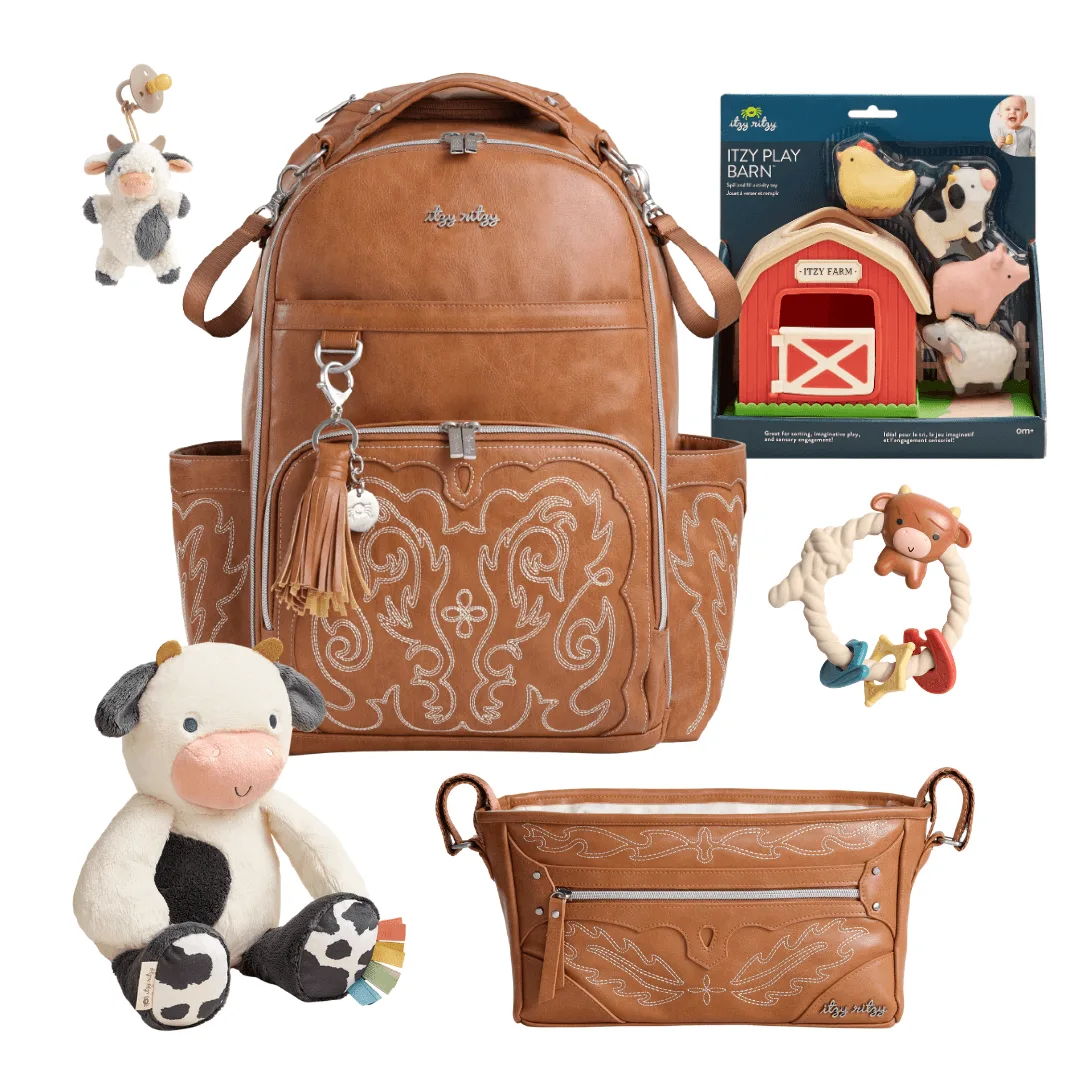
Western Diaper Bag Bundle
- Set a budget range, but weigh durability and features over the lowest price.
Questions to Ask Before You Buy
Narrow down your choices by asking specific questions. Does the bag fit under an airplane seat? Can you wipe the interior with a cloth? Are the straps comfortable after twenty minutes of walking? Will the bag stand upright when loaded? These practical checks filter out pretty but impractical options.
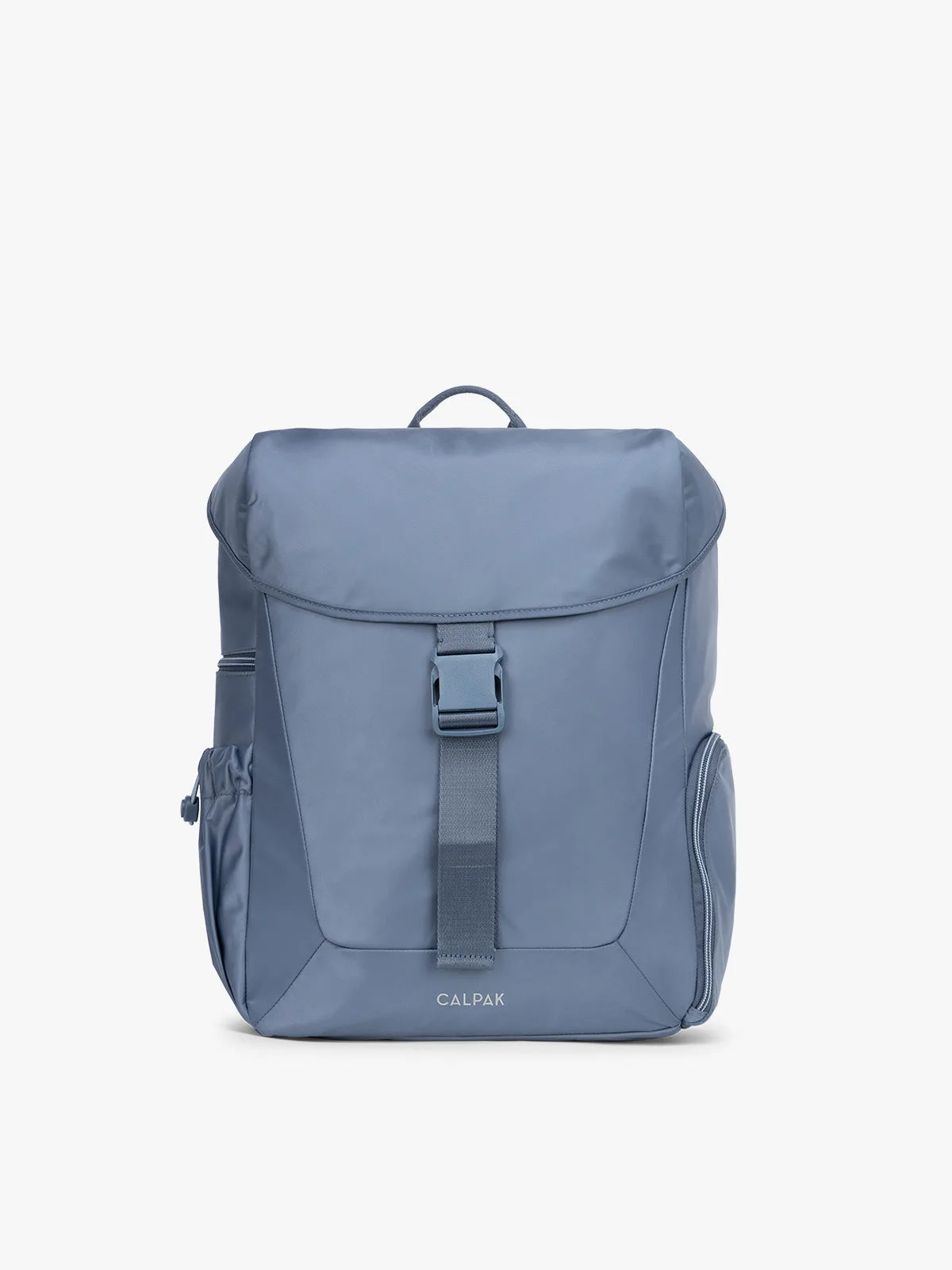
Read reviews from parents with similar lifestyles—commuting parents, stay-at-home parents, frequent travelers. What annoys them might not bother you, but patterns in feedback reveal real weaknesses. And if you're gifting a bag, choose a style that the recipient will actually use. A neutral backpack like the Baby Bag Backpack category is often a safe, versatile pick.
- Bring your own checklist to product pages—compare features side by side.
No single diaper bag fits every parent, and that's okay. Start with your routine, prioritize the features you'll use most, and choose a bag that balances comfort, durability, and value. With these diaper bag buying tips in mind, you're ready to find a bag that keeps diaper changes and outings stress-free for years to come.