Quick answer
Choose a diaper bag by how you carry it first, then by organization. A backpack keeps both hands free for a newborn, stairs, and public transit; a tote is faster to reach into when you set it down. Prioritize a wide main compartment, at least one wipe-clean pocket, a secure closure, and a strap you can adjust one-handed. Skip any bag that only looks organized in photos.
Most diaper bag shopping starts with looks and ends with a bag that fights you at 2 a.m. The features that actually matter are the ones you touch every day: how it opens, where the wipes live, and whether you can carry it while holding a baby.
This guide walks through the real trade-offs between a diaper bag backpack and a tote, the diaper bag must haves worth paying for, and how to size up for twins or a newborn without overbuying.
Start with how you carry, not how it looks
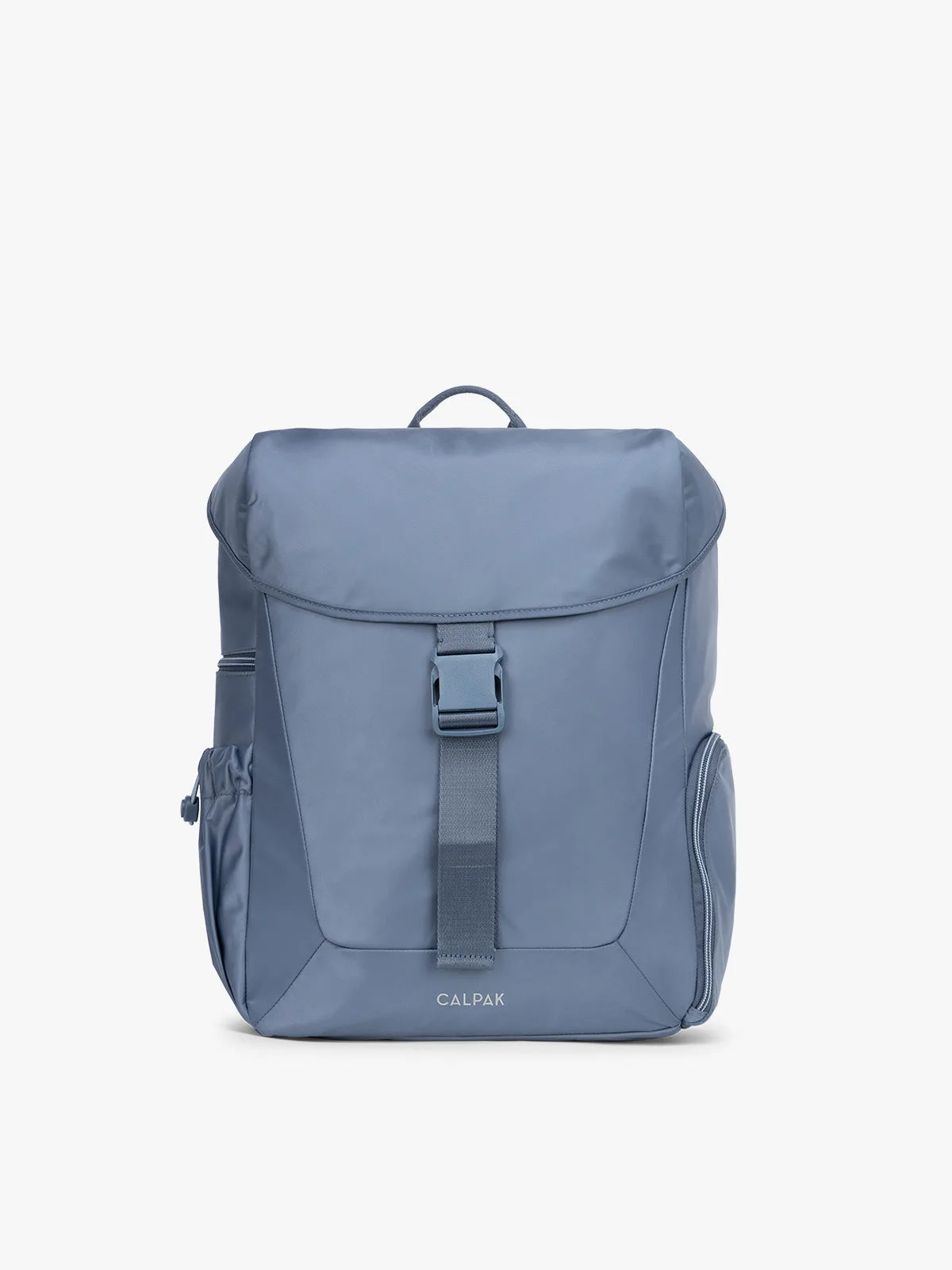
The single biggest decision is backpack vs tote, and it comes down to your hands. A backpack keeps both arms free for carrying a car seat, holding a toddler's hand, or opening doors. A tote is easier to set down and reach into without taking it off, which helps when you are parked at a table or on a bench.
If you split time between the two, choose the bag that matches your hardest moment, not your easiest. The hardest moment is usually the one where you are holding the baby and something else at the same time.
- Pick a backpack if you use public transit, stairs, or carry a car seat regularly.
- Pick a tote if you mostly drive and set the bag down at your destination.
- Test the strap or straps with one hand before you commit.
The diaper bag must haves worth paying for
A wide, structured main compartment beats a dozen tiny pockets. You want to see and grab a diaper, a onesie, and a bottle without unpacking the whole bag. Look for a main opening that stays open on its own, so you are not holding a flap back with your chin.
Wipe-clean surfaces matter more than fabric names. Spills, sunscreen, and puree happen, so choose a bag whose lining or exterior you can wipe rather than spot-clean with a special product.
A secure closure is non-negotiable. A magnetic closure or zipper keeps contents from spilling when the bag tips over in a car trunk or under a stroller.
- Check that the main opening stays open when unzipped.
- Look for at least one exterior pocket for keys and phone.
- Confirm the closure holds when the bag is tipped sideways.
How to size for a newborn, a toddler, or twins
A newborn diaper bag needs less than most people pack. For a short outing you need diapers, wipes, a changing pad, one spare outfit, a bottle or nursing cover, and a burp cloth. If your bag fits that plus your wallet and phone, it is big enough for most days.
Twins change the math on quantity, not on structure. You are doubling diapers, wipes, and outfits, so the main compartment needs to be genuinely wide rather than deep. A deep bag hides items at the bottom; a wide bag lets you see both babies' supplies at once.
If you also carry a laptop or commute, consider whether you want one bag for both jobs or two separate bags. One bag saves switching, but it means baby mess lives next to your work gear.
- Pack your bag for one real outing before you decide it is too small.
- For twins, prioritize a wide main compartment over extra small pockets.
- Keep a small pouch for your own essentials so they do not get buried.
Diaper bag backpack vs tote: matching the bag to your day
Backpacks win on hands-free carrying and weight distribution. If you walk, take transit, or manage more than one child, a backpack is usually the more practical choice. The trade-off is access: you often need to swing it off one shoulder to reach inside.
Totes win on quick access and a polished look that moves from the stroller to a work meeting. The trade-off is that a tote occupies a hand or shoulder, and a heavy tote gets uncomfortable faster than a backpack.
A third option is a small crossbody or belt bag for the shortest trips. It will not hold a full day of supplies, but it handles a quick errand when you only need diapers, wipes, and a phone.
- Backpack for hands-free days and longer outings.
- Tote for drive-heavy days and quick access.
- Small crossbody for short errands when you travel light.
Features to skip and features to double-check
Skip anything that only works when the bag is perfectly packed. Bags with a fixed divider layout force you into someone else's system. Bags with a single tiny opening look neat in photos but are frustrating when you need a wipe one-handed.
Double-check the strap adjustment, the closure, and the lining before you buy. These three details decide whether the bag still works six months in, when you are carrying more and moving faster.
If you plan to use the bag beyond the baby years, choose a neutral silhouette and a durable exterior. A bag that looks like a diaper bag only works for a short season.
- Avoid fixed dividers that cannot be removed.
- Test the closure and strap with one hand.
- Choose a style you would carry even without baby gear.
Decision rules: pick your diaper bag in five checks
- Hands-free or quick access: If you regularly hold a baby and something else at the same time, choose a backpack. If you set the bag down and reach in often, choose a tote. Backpack for transit and stairs; tote for drive-heavy days.
- Main compartment width: Measure whether a changing pad, wipes, and a spare outfit fit side by side without stacking. If you have to dig, the bag is too deep or too narrow. Wide beats deep for daily use.
- Closure and strap test: Open and close the bag with one hand, then adjust the strap with one hand. If either is awkward now, it will be worse with a baby in your arms. One-handed operation is the real benchmark.
- Twins or newborn quantity: For twins, double the supplies and prioritize a wide main compartment over extra small pockets. For a newborn, pack for one outing before sizing up. Match capacity to quantity, not to fear of running out.
- Beyond the baby years: Choose a neutral silhouette and a durable, wipe-clean exterior if you want the bag to keep working after diapers. Buy for the next two years, not just the first two months.
CALPAK bags that fit real diaper bag routines
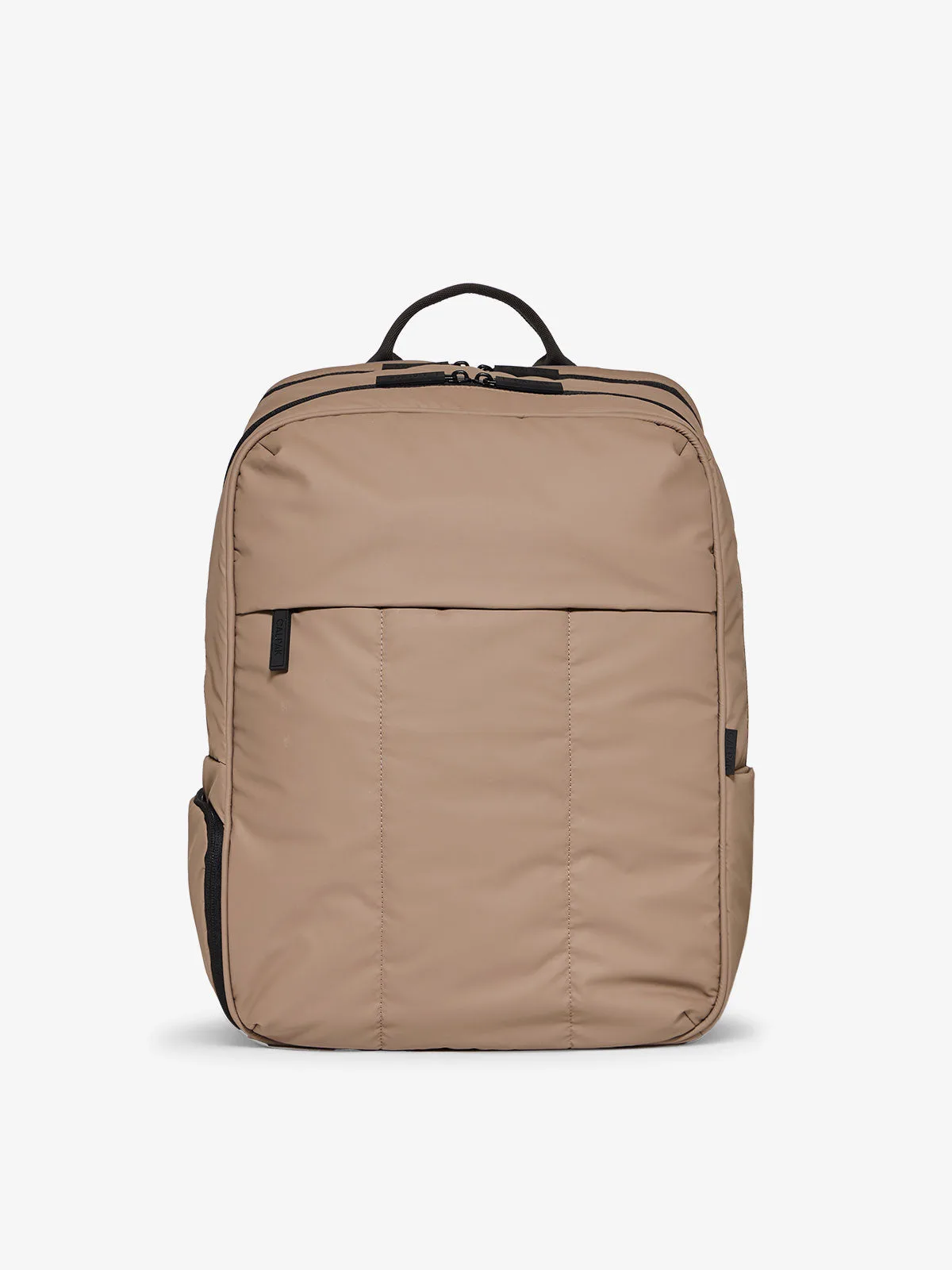
- Luka 17 inch Laptop Backpack: Designed with extra space for larger tech and everyday essentials, with spacious compartments, a dedicated laptop sleeve, and a lightweight build. If you want one bag for baby gear and a laptop, the wide compartments and dedicated sleeve keep work items separate from supplies and easy to reach.
- Fit Gym Backpack: A ventilated shoe compartment, padded laptop sleeve, and water-resistant recycled construction help keep gear organized and separate. The ventilated compartment is useful for soiled clothes or wet items, and the water-resistant build handles spills and weather without extra worry.
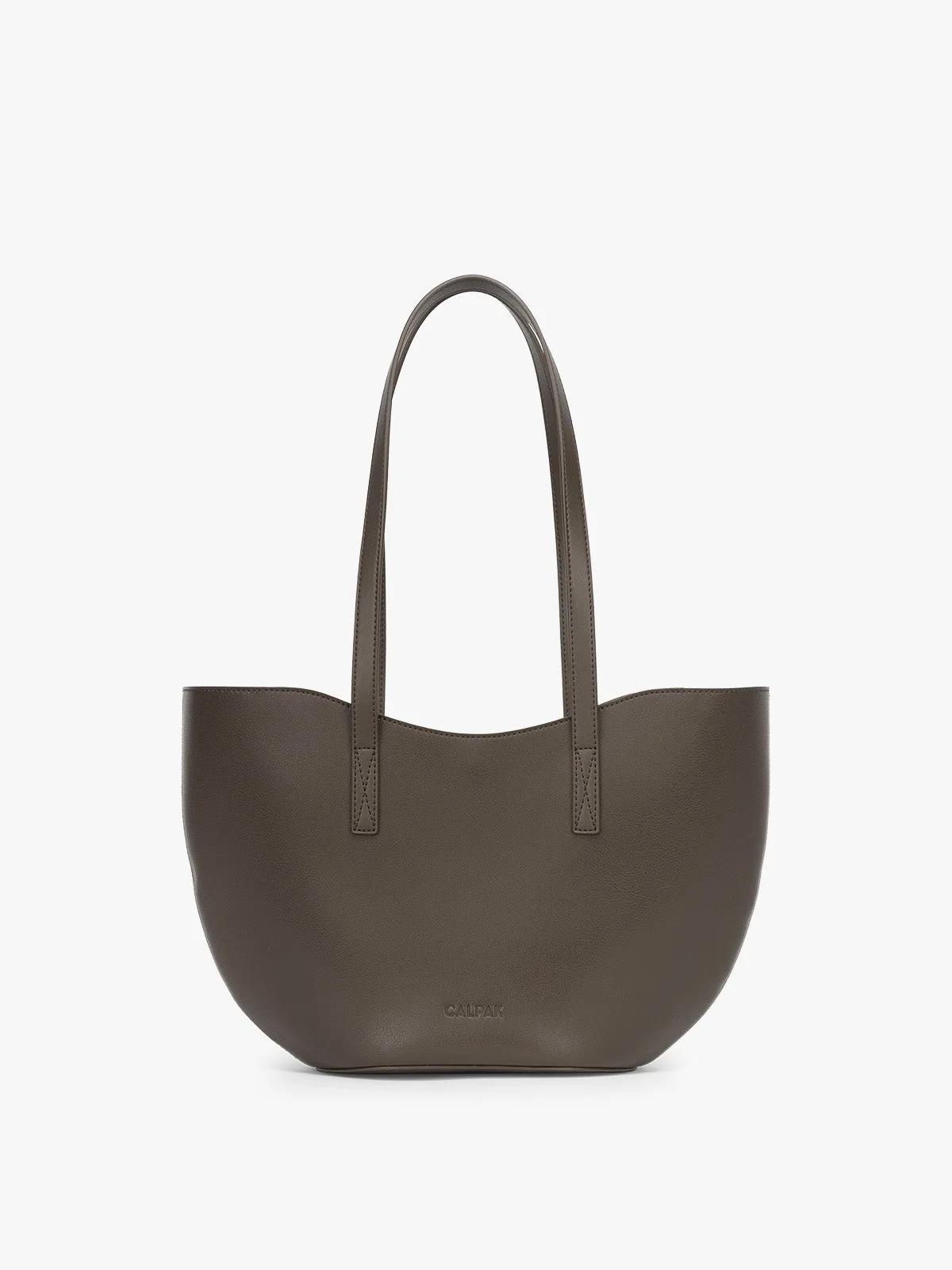
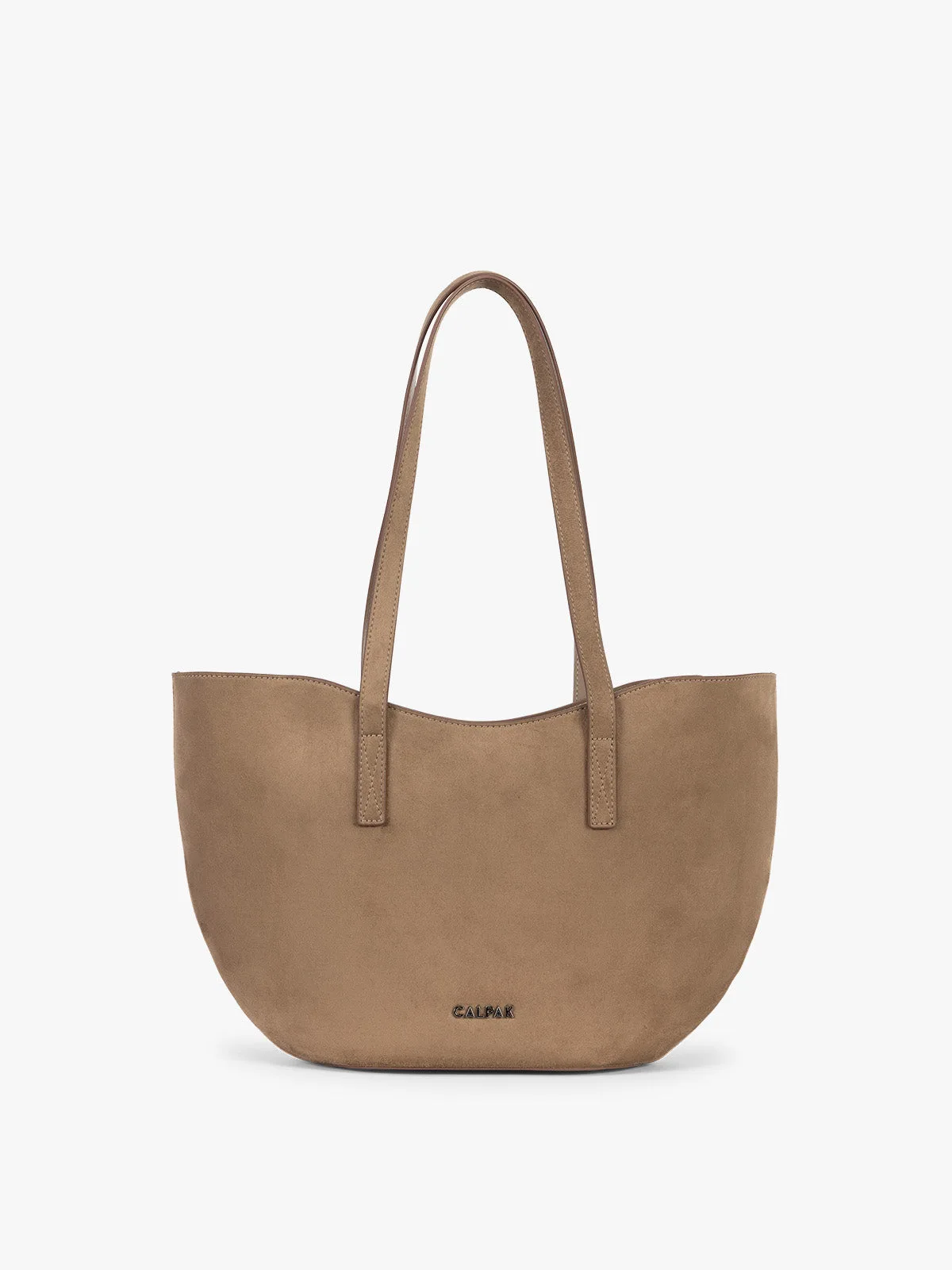
- https://calpaktravelec.com/products/haven-tulip-tote-in-vegan-suede-77d9b3c7edc89eb11ec9b4d5-1494300Haven Tulip Tote in Vegan Suede: Multiple interior pockets, a magnetic closure, and a built-in key leash help keep your essentials organized. If you prefer a tote, the interior pockets and key leash reduce digging, and the magnetic closure keeps contents contained when the bag tips.
- Luka Mini Belt Bag: A spacious main compartment, hidden back pocket, and adjustable strap help keep everything secure, organized, and easy to reach. For short errands, this keeps diapers, wipes, and a phone on you hands-free without carrying a full diaper bag.
Who should choose which diaper bag
Best for
- Parents who need both hands free for a car seat, stroller, or toddler
- Commuters who want one bag for baby gear and a laptop
- Twins or multiples where the main compartment must hold double supplies
- Short errands where a small crossbody or belt bag covers the basics
Not for
- Parents who want a single dedicated bag with no work or gym crossover
- Anyone who prefers a structured, compartment-heavy bag with fixed dividers
- Travelers who need a large checked-style bag rather than a carry bag
Choose the carry style that matches your hardest moment, then confirm the main compartment, closure, and strap work one-handed. That combination matters more than any feature list, and it is what keeps a diaper bag useful long after the newborn stage.