Quick answer
For most Commander and RPG tables, a seven-piece RPG dice set is the more flexible choice because it covers damage, tokens, and random rolls, while a spindown life counter is faster for one job: tracking a single life total. If you only need to show life totals and want the quickest read across the table, choose a spindown counter; if you want one purchase that handles many game-night tasks, choose a dice set.
What each option actually does at the table
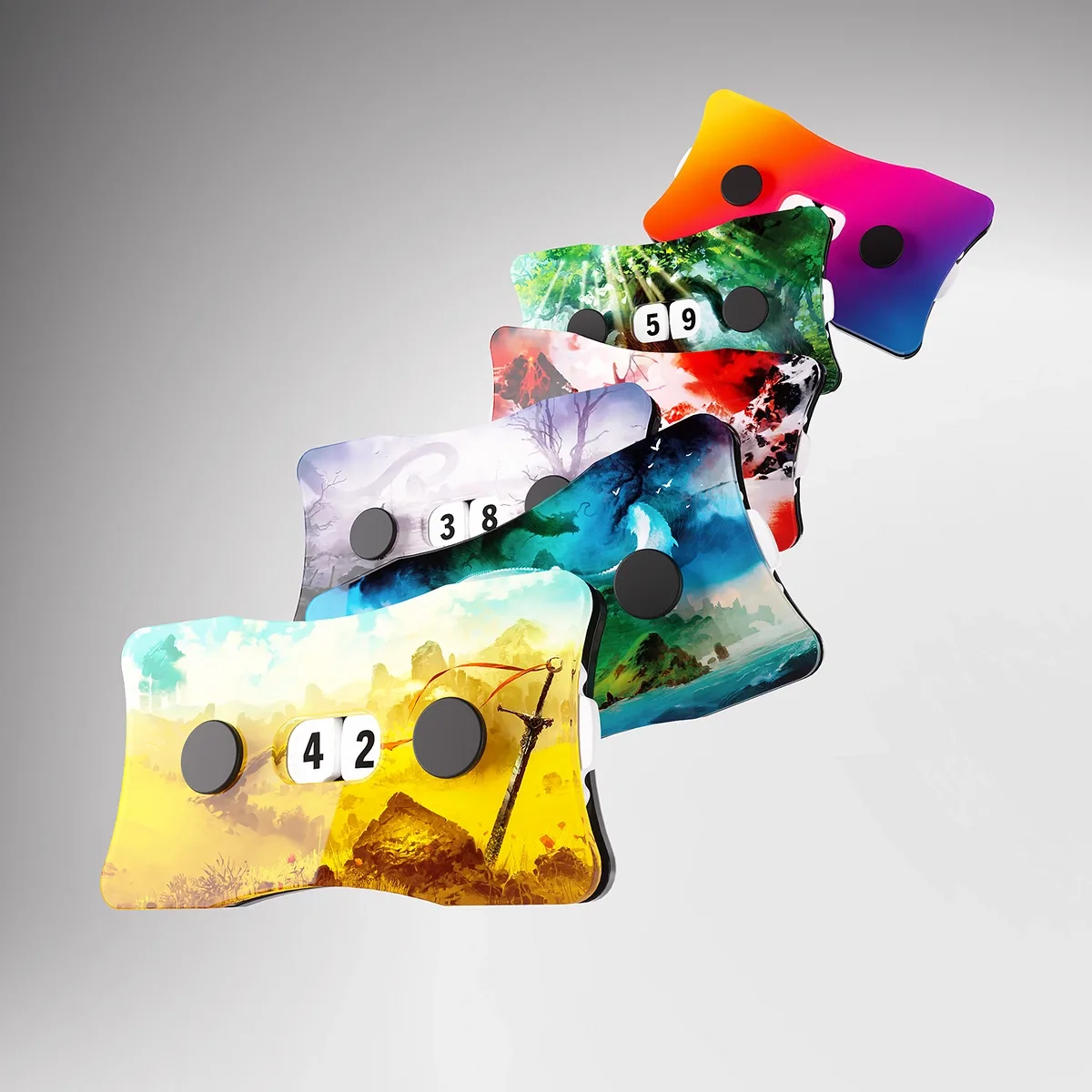
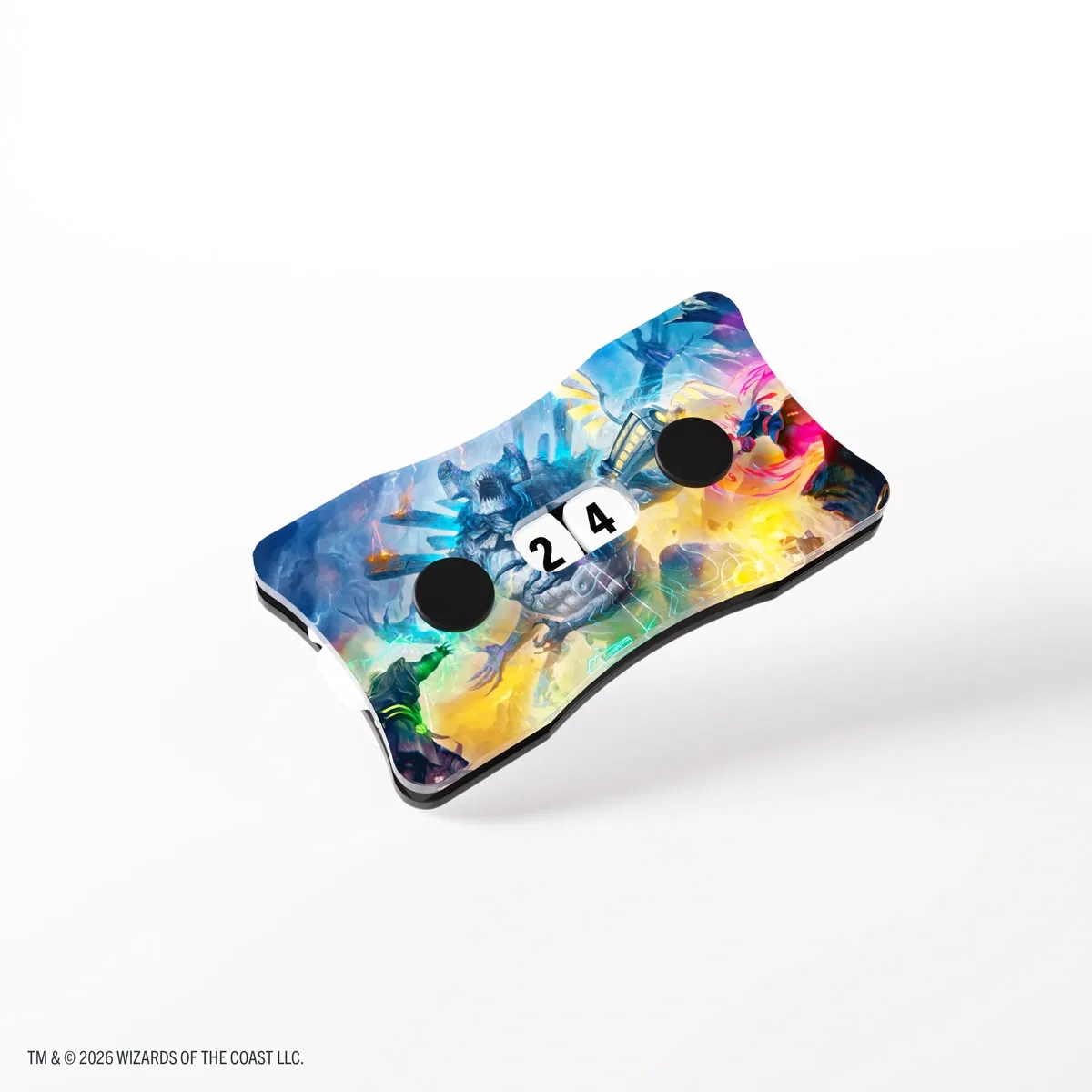
A spindown life counter is a single die with numbers arranged in sequence, so you can rotate it one face at a time as life goes up or down. That sequential layout makes it fast to adjust during a game and easy for opponents to read from across the table. A seven-piece RPG dice set, by contrast, gives you a D4, D6, D8, two D10s, a D12, and a D20. Those dice are built for rolling, not for displaying a life total, but they cover damage, tokens, counters, and random tables in one package.
The practical difference is focus versus range. A spindown counter does one task with less handling, while a dice set spreads its value across many tasks. If your group already uses a phone app or paper for life totals, a spindown counter may be redundant; if your group constantly needs random numbers, a dice set earns its place even when life tracking is handled elsewhere.
How tracking life totals changes the choice
In Commander, life totals start at 40 and move in small increments, so a counter that advances one face at a time reduces the chance of knocking over a stack of dice. A spindown counter is designed for exactly that motion. A standard D20 from an RPG set can track life too, but its faces are not in sequence, so you spend more time hunting for the next number and more time explaining the current total to the table.
If you play formats where life totals change in larger jumps, such as double-digit damage or lifegain bursts, a spindown counter still works but may need a second die for totals above its highest face. A dice set gives you two D10s that can be read as a percentile pair, which is useful for high totals but slower to adjust. The trade-off is speed of adjustment versus ceiling of the number you can show.
Storage, transport, and table footprint
A spindown counter is one object, so it takes almost no space in a deck box or pocket. A seven-piece dice set is seven objects plus a container, which means it needs a dedicated spot in your bag. That difference matters if you carry multiple decks and want to keep each one self-contained. If you already use a deck box with a separate accessory compartment, a dice set can live there, but a single spindown counter is easier to slip into a side pocket.
On the table, a spindown counter has a smaller footprint and is less likely to be bumped than a cluster of dice. A dice set, however, can be arranged so the dice you are not using stay in a tray or bag, keeping the active area clear. Neither option is automatically tidier; the deciding factor is whether you prefer one dedicated object or a small kit you can repurpose.
Matching the tool to the player
If you are the player who always tracks life for the whole pod, a spindown counter reduces the number of objects you manage and speeds up each adjustment. If you are the player who also rolls for random effects, tracks tokens, or plays RPGs, a seven-piece dice set does more per dollar. Many players end up carrying both: a spindown counter for their own life total and a dice set for everything else.
For a new player building a first game-night kit, a dice set is the broader starting point because it covers multiple needs. For a veteran who already owns dice and wants a faster life display, a spindown counter is the targeted upgrade. The right answer depends on which problem you are actually solving.
Trade-offs to weigh before you buy
- Speed of life adjustment: A spindown counter advances one face at a time, which is faster for small life changes. A standard D20 from a dice set requires hunting for the next number. Choose a spindown counter if life totals change often and you want the quickest display.
- Range of tasks: A seven-piece dice set covers damage, tokens, counters, and random rolls. A spindown counter is built for one job. Choose a dice set if you want one purchase to handle multiple game-night needs.
- Storage and footprint: A spindown counter is a single object that fits almost anywhere. A dice set is seven dice plus a container, so it needs a dedicated spot. Choose a spindown counter if you want minimal gear; choose a dice set if you have a tray or accessory compartment.
Product facts that affect this comparison
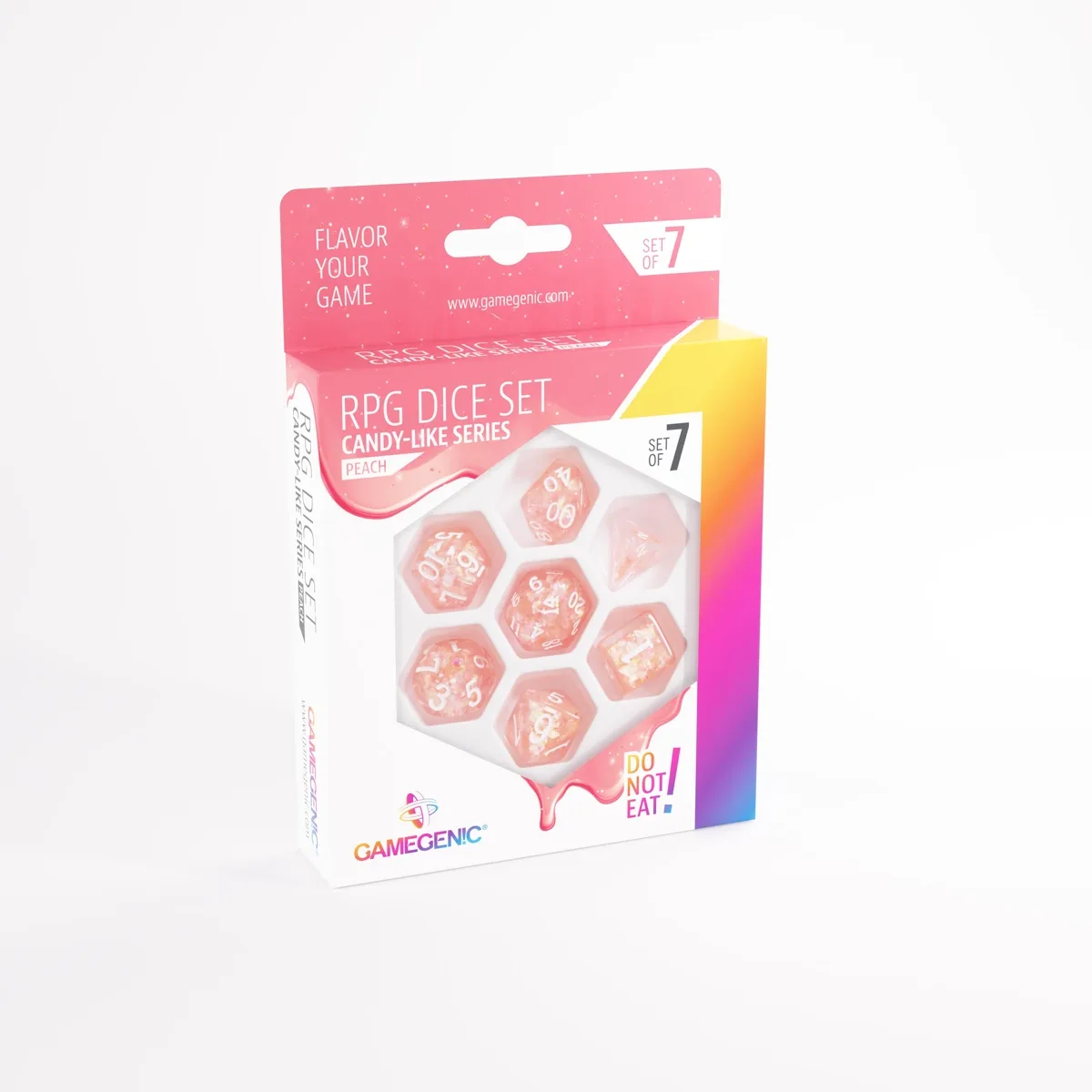
- RPG DICE SET (set of 7)CANDY-LIKE SERIES: This dice set contains a D4, a D6, a D8, two D10 (10 and 00), a D12 and a D20. All dice are round-cornered and manufactured at a premium level. The Candy dice are infused with beautiful glitter flakes. They are packed in a window cardboard box that displays all dice at the front. The seven-die range covers damage, tokens, and random rolls, while the two D10s can be read as a percentile pair for high totals. The window box keeps the set visible and organized between games.
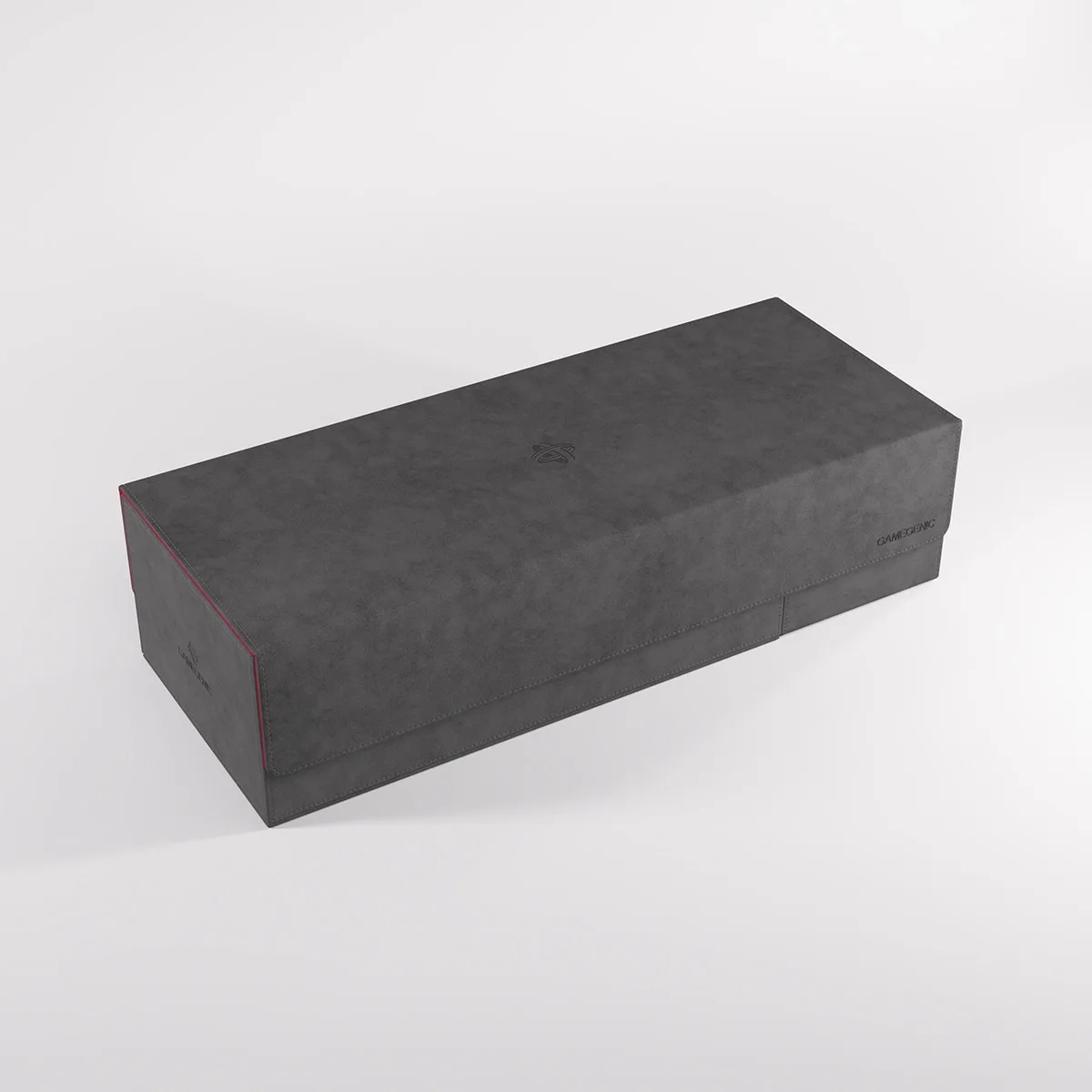
- Magic: The GatheringSQUIRE80+ XL CONVERTIBLE: The Squire 80+ XL is a premium deck box featuring officially licensed artwork from the game, showcased on a full-color printed Refractifyber surface with high visual impact. The Squire 80+ XL holds 80 double-sleeved cards, even with extra Thick Inner Sleeves. The Convertible line is designed to present cards in unique ways. Remove the lid, attach it to the bottom, or start tilting your box in a wide variety of ways. If you carry a dice set alongside a deck, the box's capacity and convertible lid give you a defined place for accessories without mixing them into the card compartment.
- Magic: The GatheringBASTION 100+ XL: The Bastion 100+ XL is a rock-solid deck box featuring a rear clear window that lets you show off your top card or Commander without opening it. Covered in officially licensed artwork from the game, this rock-solid deck box will keep 100+ double-sleeved cards securely stored. A deck box with a clear rear window lets you identify your Commander without opening the box, which pairs well with keeping a spindown counter or dice set in a separate accessory pouch.
Which should you choose?
Best for
- Commander players who want a fast, readable life total display
- Players who already use dice for other tasks and want a dedicated life counter
- Minimalists who prefer one object over a small kit
Not for
- Players who need dice for damage, tokens, and random rolls in the same session
- RPG groups that rely on a full polyhedral set for game mechanics
- Players who want a single purchase to cover multiple game-night tasks