Quick answer
Choose 16mm d6 dice if you want the familiar, easy-to-read die that feels right in most adult hands and matches the standard dice in mainstream board games. Choose 12mm d6 dice if you need compact sets for travel, small hands, or tight storage. For mixed polyhedral sets, check the listed die size rather than assuming a standard.
What 12mm and 16mm actually change
The millimeter number is the approximate face-to-face width of the die. That single measurement drives three practical things: how the die sits in your hand, how easily the numbers read across a table, and how much space a full set takes up in a bag or box. A 12mm d6 is noticeably smaller than a 16mm d6, but both roll and randomize the same way. The difference is ergonomics and logistics, not fairness.
Most mainstream board games ship with dice in the 16mm range because that size is easy to pick up and read during play. Smaller 12mm dice show up in travel games, dice-heavy fillers, and games where many dice are rolled at once. Neither size is inherently better; the right pick depends on who is rolling and where the game happens.
the game
How to read a dice listing before you buy
Listings do not always state a die size, and when they do, the number may refer to the die's width rather than its packaging. If a product page omits the size, treat that as a decision limitation: you can still buy the set for its colors or theme, but you cannot confirm it matches your existing dice. For sets that do list a size, compare it against a die you already own before ordering.
Polyhedral sets add another variable because the seven dice in a set are different shapes. A D20 and a D4 from the same set share a nominal size only in the sense that they are sold together; their actual dimensions differ by shape. If you are matching a set to an existing collection, check the D6 or D20 specifically rather than trusting the set name.
Storage, travel, and table footprint
A 12mm dice block or bag of small d6 dice takes up roughly half the volume of the same count in 16mm, which matters if you carry games to a store or a friend's house. Smaller dice also fit into the molded insert slots that some publishers cut for their original components. The trade-off is that 12mm dice are easier to lose and harder to scoop up quickly during a timed turn.
If you keep dice loose in a box, 16mm dice stay put and are easy to count at a glance. If you use a dice tray or a drawstring bag, either size works, but a tray with raised edges helps keep 12mm dice from scattering. Match the storage method to the size, not the other way around.
Matching dice to the rest of your kit
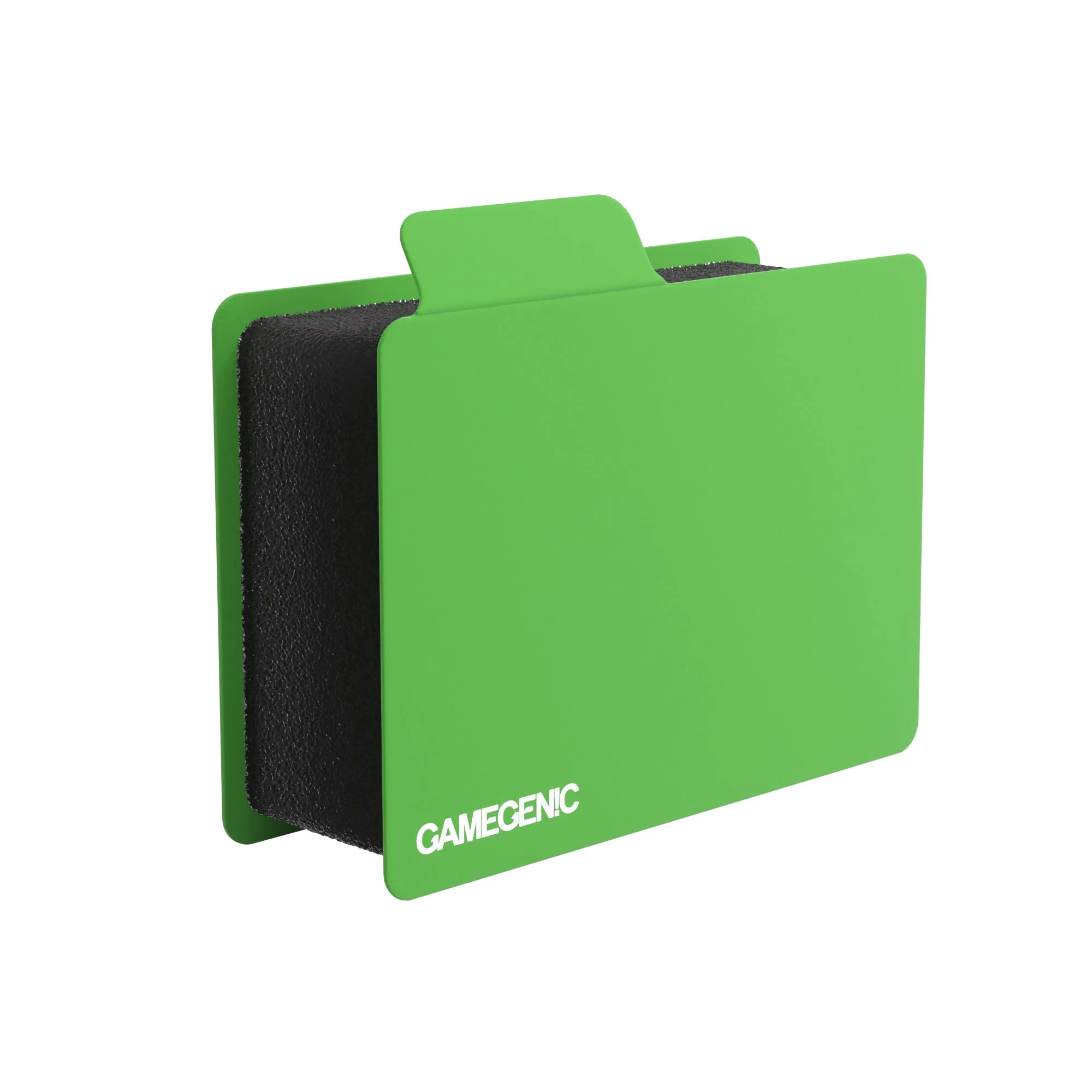
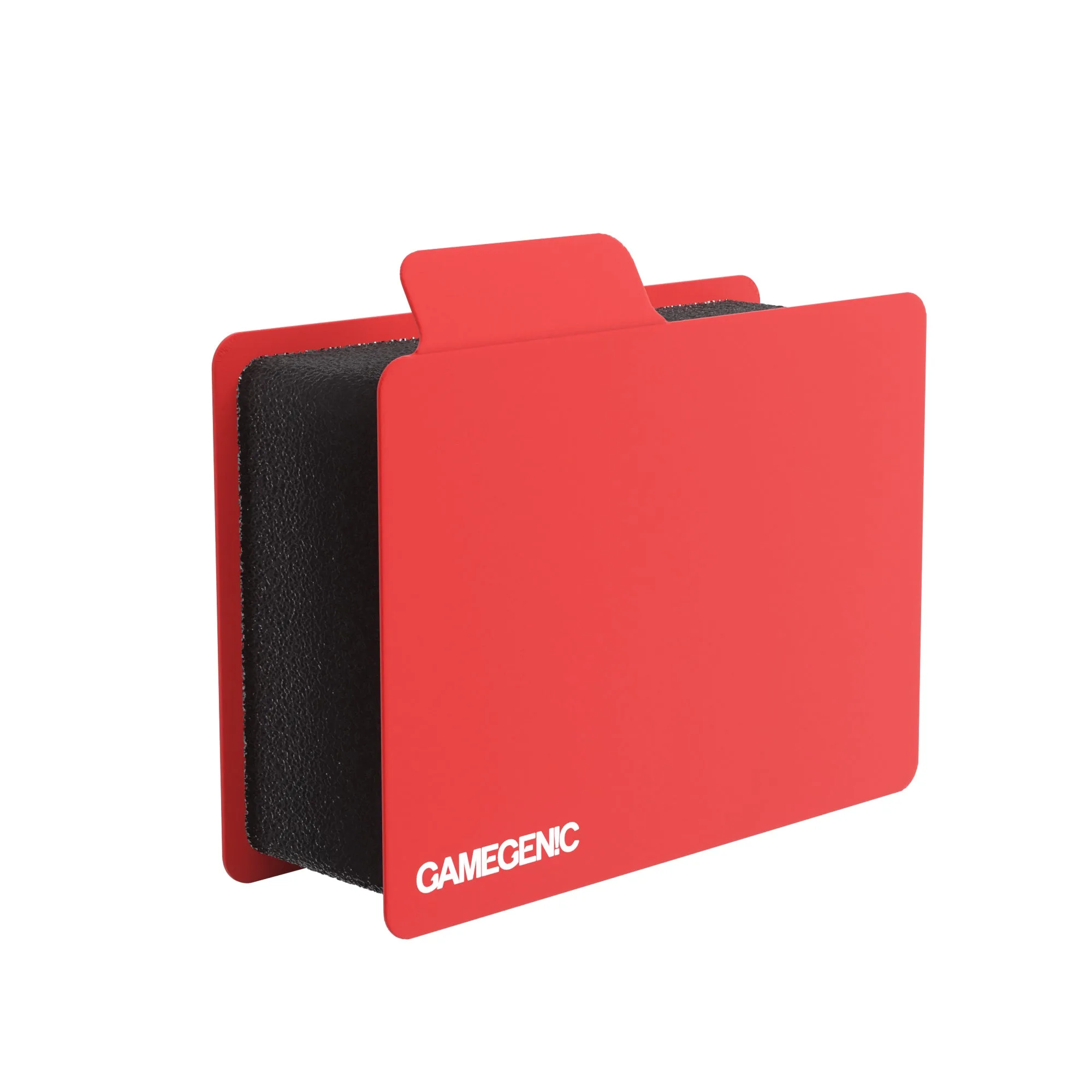
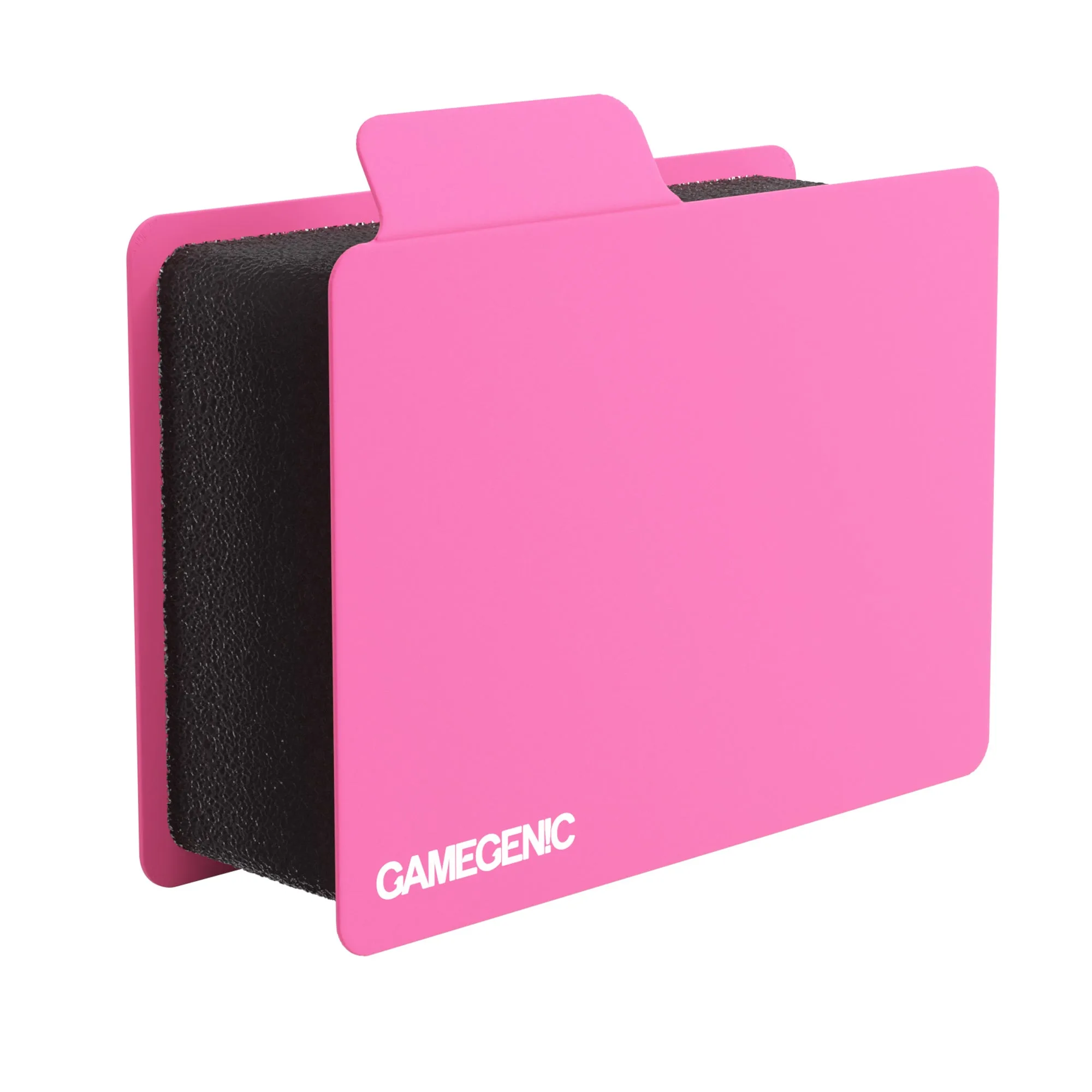
Dice rarely travel alone. If you already sleeve cards, a divider that adjusts to fill empty box space keeps a deck box from sliding around next to a dice bag. That is a practical reason to think about the whole kit at once: dice size, card protection, and box organization all affect how quickly you can set up and tear down a game.
For games with heavy shuffling, sleeves protect cards from the same wear that eventually rounds the corners of frequently rolled dice. Sizing your dice and your sleeves in the same shopping session saves a second order later.
Decision rules for choosing a dice size
- If hands are small or the table is cramped: Pick 12mm d6 dice. They are easier for younger players to grip and take up less table space when several players roll at once. Default to 12mm for kids' games and travel kits.
- If readability and feel matter most: Pick 16mm d6 dice. The larger face makes numbers easier to read from across the table and feels closer to the dice most board games ship with. Default to 16mm for adult game nights and mixed groups.
- If you are matching an existing set: Check the listed die size on the product page before ordering. If no size is listed, treat it as unknown and buy only if color or theme matters more than an exact match. Never assume a set matches your current dice without a stated size.
- If you need a complete polyhedral set: Buy a seven-die set rather than individual shapes. A set with 1 D4, 1 D6, 1 D8, 2 D10, 1 D12, and 1 D20 covers standard play. One set purchase beats four separate orders.
Products that fit this decision
- Gemini® Polyhedral Black-Shell/white 7-Die Set: This Gemini Polyhedral set includes 7 dice: 1 D4, 1 D6, 1 D8, 2 D10, 1 D12, and 1 D20, with two colors swirled together. A full seven-die set covers standard RPG rolls in one purchase, so you are not buying shapes individually. The swirled Gemini effect also makes the set easy to identify as yours at a shared table.
- PRIME Sleeves: Scythe and-or Lost Cities (72 x 112 mm): PRIME Sleeves for Scythe and Lost Cities are sized 72 x 112 mm and made from extra-clear polypropylene with a reinforced 100-micron thickness. If you are organizing a game alongside your dice, these sleeves protect the cards that get shuffled most. The 100-micron thickness adds weight and strength while keeping the card face fully visible.
- Sizemorph Divider Blue: The Sizemorph Divider is a card game divider that changes width to fit unused box space, with a width that can vary between 5 and [value not fully supplied]. A divider that adjusts to the gap keeps deck boxes from sliding around in the same bag as your dice. It is useful when your storage box has leftover space that standard inserts do not fill.
Who should choose which size
Best for
- Players who want a familiar, easy-to-read d6 for board game nights
- Groups that roll many dice at once and need to read results quickly
- Buyers replacing the standard dice that came with a mainstream board game
Not for
- Travel kits and small storage spaces where every millimeter counts
- Younger players who need a smaller, easier-to-grip die
- Buyers who need a confirmed size match and the listing does not state one