Quick Answer
Die cutting and rotary cutting both have a place in a quilter's toolkit. Die cutting shines when you need to cut many identical shapes quickly, while rotary cutting offers flexibility and precision for straight lines and custom sizes. If you're starting out or mostly make scrap quilts, rotary cutting may be enough; if you're mass-producing blocks or struggle with repetitive cutting, a die cutter is a worthwhile investment.
Every quilt starts with cutting, and the method you choose shapes your workflow. For decades, rotary cutting was the go-to, but die cutting systems like AccuQuilt have become popular for their speed and accuracy. Understanding the trade-offs helps you decide which approach fits your quilting style.
This comparison looks at the practical differences between die cutting and rotary cutting, from setup time to fabric waste, so you can make an informed choice for your next project.
Rotary Cutting: Flexibility and Control
Rotary cutting uses a rotary cutter, ruler, and mat to slice through fabric. It's the standard method for cutting strips, squares, and rectangles. The main advantage is flexibility: you can cut any size you need without being tied to specific dies. You can also adjust on the fly, making it ideal for scrap quilting or when you want to cut odd shapes.
However, rotary cutting requires careful measuring and can be tiring for large projects. Cutting multiple layers is possible but can lead to shifting and inaccuracies. It also demands good technique to avoid accidents. For those who enjoy the process and need versatility, rotary cutting remains a favorite.
- Use a sharp rotary blade and replace it regularly for clean cuts.
- Invest in a non-slip ruler to prevent shifting.
- Cut away from your body and use a safety guard when not in use.
Die Cutting: Speed and Consistency
Die cutting uses a machine, like an AccuQuilt GO!, with shaped dies to cut fabric. You place the fabric on the die, roll it through, and get perfectly identical shapes every time. This is a game-changer for quilts with many repeated blocks or for those who want to cut multiple layers at once.
The main downside is the upfront cost and the need to purchase specific dies for each shape. Dies take up storage space and are less flexible if you need a size not available. However, for production quilting or if you have physical limitations that make rotary cutting difficult, die cutting can be a lifesaver.
- Die cutting is excellent for pre-cuts and layer cakes if you have the right dies.
- Check die compatibility with your machine before buying.
- Some dies include a template outline, which can help with fussy cutting.
Trade-Offs at a Glance
- Speed vs. Flexibility: Die cutting is faster for cutting many identical pieces, but rotary cutting lets you cut any size without needing a specific die. Choose die cutting for repetitive blocks; rotary for custom sizes.
- Cost vs. Long-term Value: Die cutting requires an initial investment in a machine and dies, but can save time and reduce strain over many projects. Rotary cutting has lower upfront costs but may need more mats and blades over time. Consider how often you quilt and your budget.
- Accuracy vs. Portability: Die cutting provides consistent, precise cuts every time, but the equipment is bulky. Rotary cutting is portable and can be done anywhere, but accuracy depends on your measuring and cutting skills. If you quilt on the go, rotary might be better.
Products That Complement Your Cutting Method
- Three Patterns Softcover Booklet by Pam & Nicky Lintott: Our new pattern book gives full instructions on how to use this fantastic versatile ruler with three quilt patterns plus a variation. This is a full color 28 page pattern book with lots of gorgeous photography and easy to follow instructions. If you're new to a specific ruler or technique, a pattern book with detailed instructions helps you build confidence and get accurate cuts.
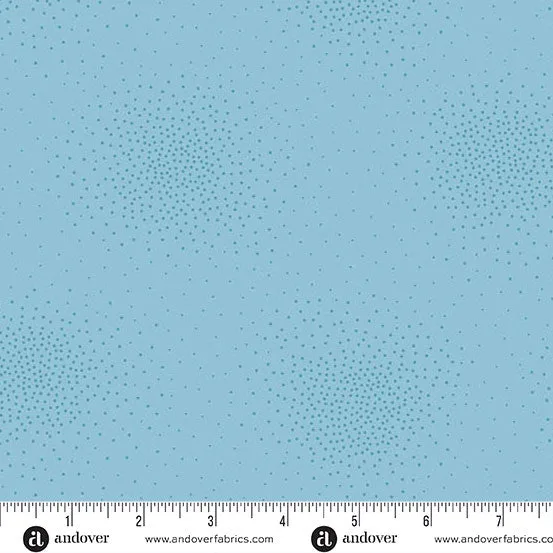
- ANDOVER - Spritz by Andover Fabrics - Spritz - Sky: 100% cotton quilting fabric, 44 inch wide. High-quality cotton fabric cuts cleanly whether you use a rotary cutter or a die, so you get precise pieces and less fraying.
Which Method Fits You?
Best for
- Quilters who make many quilts with repeated shapes and want to save time.
- Those with arthritis or hand fatigue who find rotary cutting painful.
- Precision-focused quilters who value identical pieces for perfect seams.
Not ideal for
- Beginners who want to learn traditional cutting skills and save money.
- Scrap quilters who cut odd sizes and shapes frequently.
- Quilters with limited storage space for dies and machines.
Both die cutting and rotary cutting have their strengths. Assess your typical projects, budget, and physical needs. Many quilters find a combination works best: using a die cutter for repetitive pieces and a rotary cutter for custom cuts. Whichever you choose, the goal is to make cutting enjoyable and accurate so you can spend more time sewing.