Quick answer
Neither is universally better—they work differently. Topical products target surface concerns like dryness or crepey skin, while supplements address internal factors like hormonal changes. For most people, combining both gives the best results, but your choice depends on your specific skin goals and needs.
When you're trying to improve your skin, you might wonder: should you spend on a serum or a supplement? Both promise results, but they operate in different ways. Topical skincare works on the skin's surface, while dietary supplements work from the inside out. Understanding these differences helps you choose what fits your routine.
This comparison breaks down the pros and cons of each approach, explains how they complement each other, and offers practical guidance based on your skin concerns. We'll also highlight real products that fit each strategy.
How Topical Skincare Works
Topical products like creams and serums deliver active ingredients directly to the skin. They can target specific concerns such as dryness, fine lines, or uneven texture. For example, a facial cleanser like Clean Slate is designed to gently cleanse, which supports the rest of your routine.
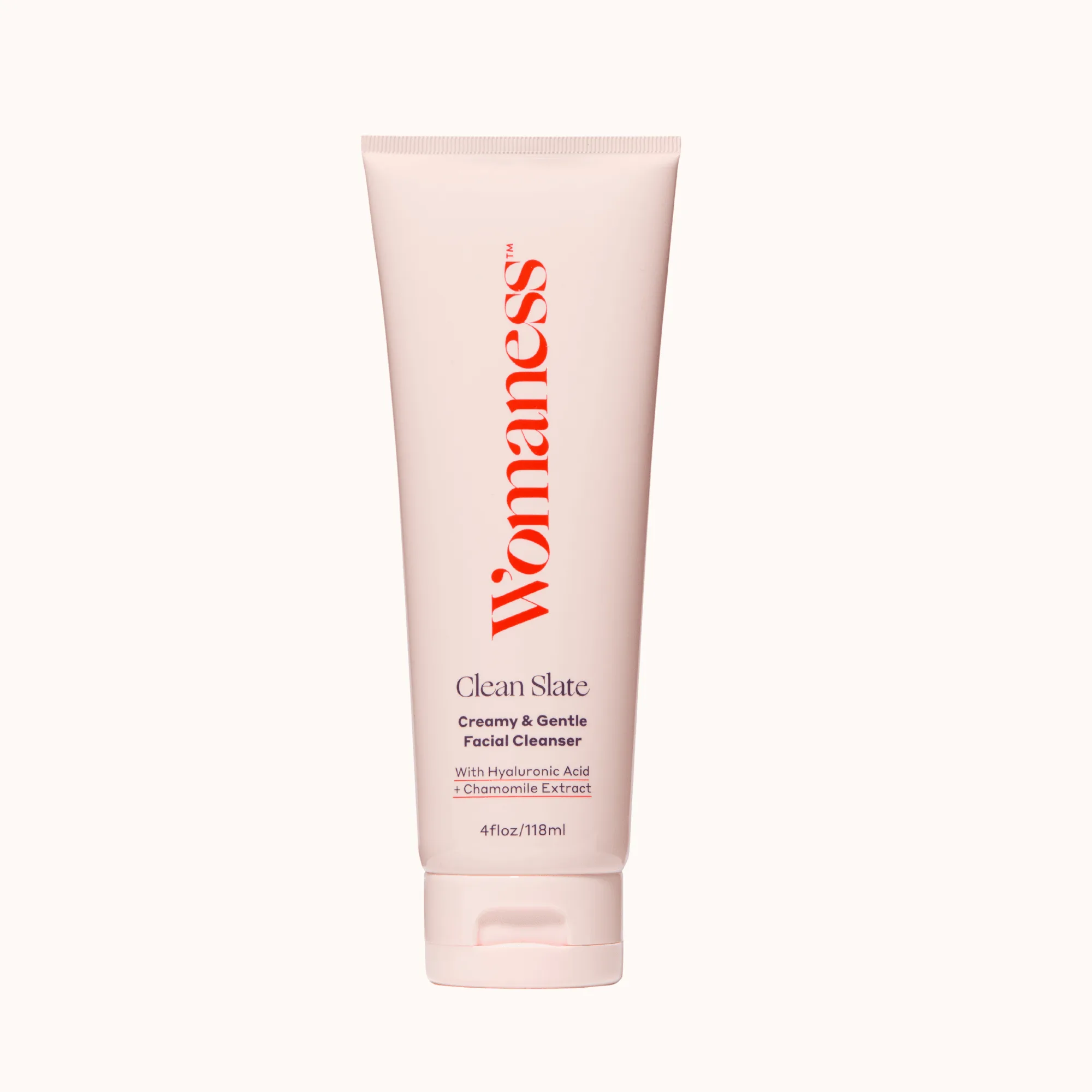
Clean Slate
The main advantage is precision: you can apply a product exactly where you need it. The downside is that results are often temporary and depend on consistent use. If you stop, the benefits may fade.
Topicals are ideal for immediate, surface-level improvements and for addressing localized issues like the neck area.
- Apply topical products to clean, dry skin for better absorption.
- Follow the instructions on the label for frequency and amount.
How Dietary Supplements Work
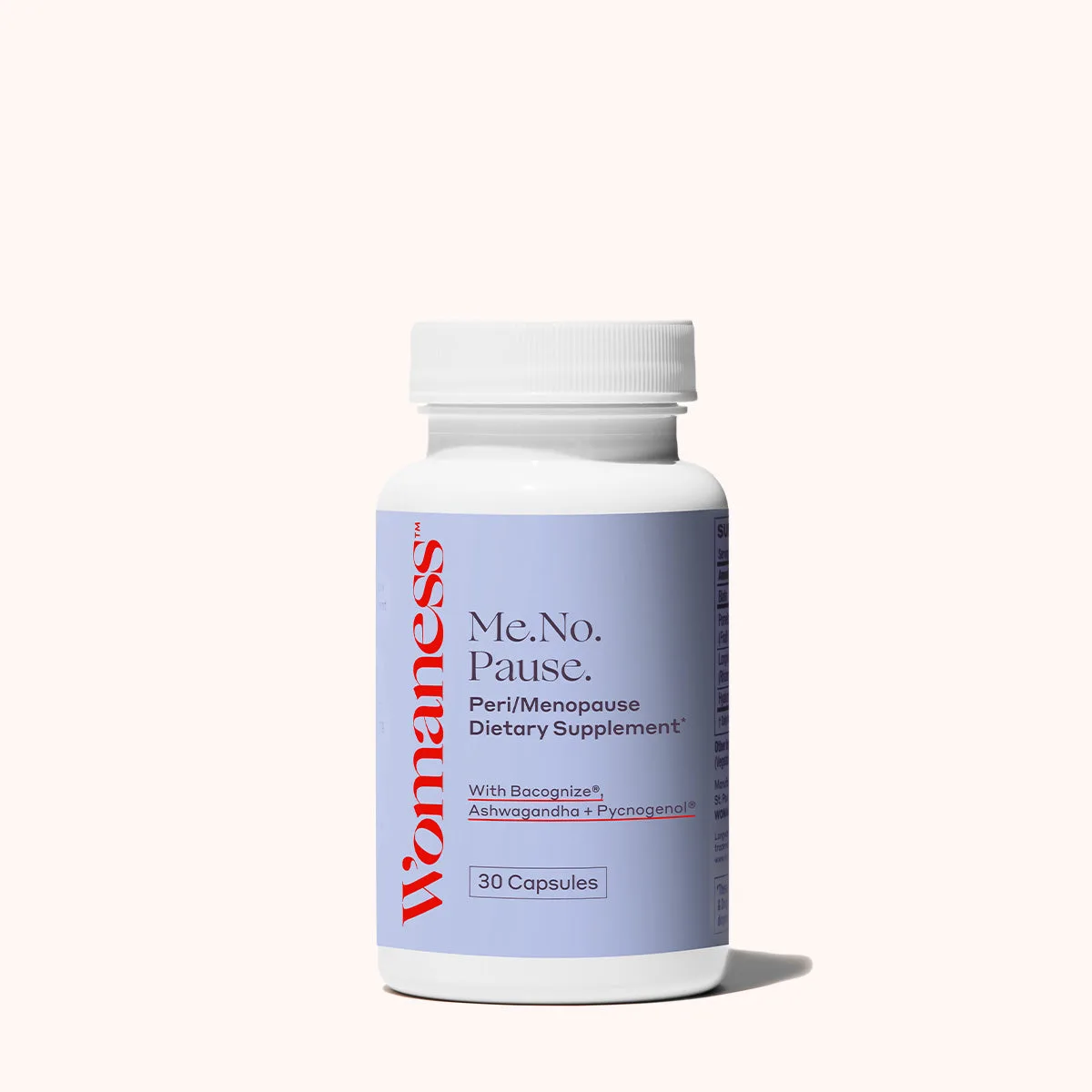
Supplements provide nutrients that support skin health from within. They can address deficiencies or support bodily processes that affect the skin, such as collagen production or hormone balance. For instance, a menopause supplement like Me.No.Pause. is formulated to support women during perimenopause and menopause.
The advantage is that supplements can have systemic effects, potentially improving skin elasticity or hydration over time. However, they take longer to show results and may not target specific areas. Also, not all supplements are backed by strong evidence, so it's important to choose reputable products.
Supplements are best for addressing internal factors like hormonal changes or nutritional gaps.
- Consistency is key; take supplements daily as directed.
- Consult a healthcare provider before starting any new supplement.
Comparing Effectiveness and Timeframes
Topical products often deliver quicker visible results because they work directly on the skin. For example, a neck serum might temporarily firm and hydrate the area. However, these effects are often temporary.
Supplements work more slowly, but their benefits may be more sustained if they address the root cause. For example, a supplement that supports hormonal balance could improve skin over weeks or months.
The best approach depends on your timeline and expectations. If you need quick results for an event, topicals are better. If you're looking for long-term skin health, supplements can be valuable.
- Combine a daily supplement with a targeted topical routine for both short-term and long-term benefits.
The Trade-offs: Oral vs. Topical
- Speed of results: Topical products can show effects within days or weeks, while supplements typically require consistent use for months to notice changes. If you need quick improvement, prioritize topicals.
- Precision vs. whole-body effects: Topicals let you target specific areas like the neck or eyes. Supplements affect your entire body, which can be beneficial but less precise. For localized concerns, choose a topical; for overall skin health, consider a supplement.
- Evidence and regulation: Topical products are regulated as cosmetics, while supplements are regulated as foods. Claims for supplements may have less scientific backing. Look for products with transparent ingredient lists and reputable brands.
Products That Support Each Approach
- Me.No.Pause. Supplement: Menopause + Perimenopause Dietary Supplement If your skin changes are linked to hormonal shifts, this supplement targets the internal side of the equation.
- Clean Slate: Creamy + Gentle Facial Cleanser A gentle cleanser is the first step in any topical routine, ensuring your skin is clean without stripping moisture.
- Let's Neck: Neck + Décolleté Serum For targeted topical care on a delicate area that often shows aging first, this serum offers a direct approach.
Which Should You Choose?
Best for
- People with specific skin concerns like crepey neck or dry patches who want targeted treatment.
- Those who prefer a straightforward routine and want to see quick improvements.
Not for
- People looking for long-term systemic changes or addressing internal factors like hormonal skin changes.
- Those who dislike daily pill-taking or have difficulty swallowing supplements.
Both dietary supplements and topical skincare have a place in a healthy routine. Topicals offer targeted, quick results, while supplements support skin from within over time. By understanding your goals and the trade-offs, you can choose the right approach—or combine both for a comprehensive strategy. Always consult a professional when adding supplements to your regimen.