Quick answer
If your main complaint is bloating, gas, or heaviness right after specific heavy meals, a digestive enzyme supplement is the more targeted pick. If your goal is ongoing gut balance and regularity, probiotics for digestion are the better fit. Many people use both, because they solve different problems: enzymes act on the food in front of you, while probiotics support your gut over weeks. Match the product to your pattern, not to whichever label sounds stronger.
The core difference: one meal vs. one month
Enzymes are tools for a single sitting. You take them with a meal so the food you just ate breaks down more comfortably. Probiotics are a longer project: you take them consistently, often for weeks, and judge them by how your digestion behaves over time rather than at one dinner.
That timing gap explains most confusion. Someone who feels better after one enzyme dose may assume it is the stronger product. Someone who takes a probiotic once and notices nothing may assume it failed. Neither conclusion is fair to the product.
How to read a digestive enzyme supplement label
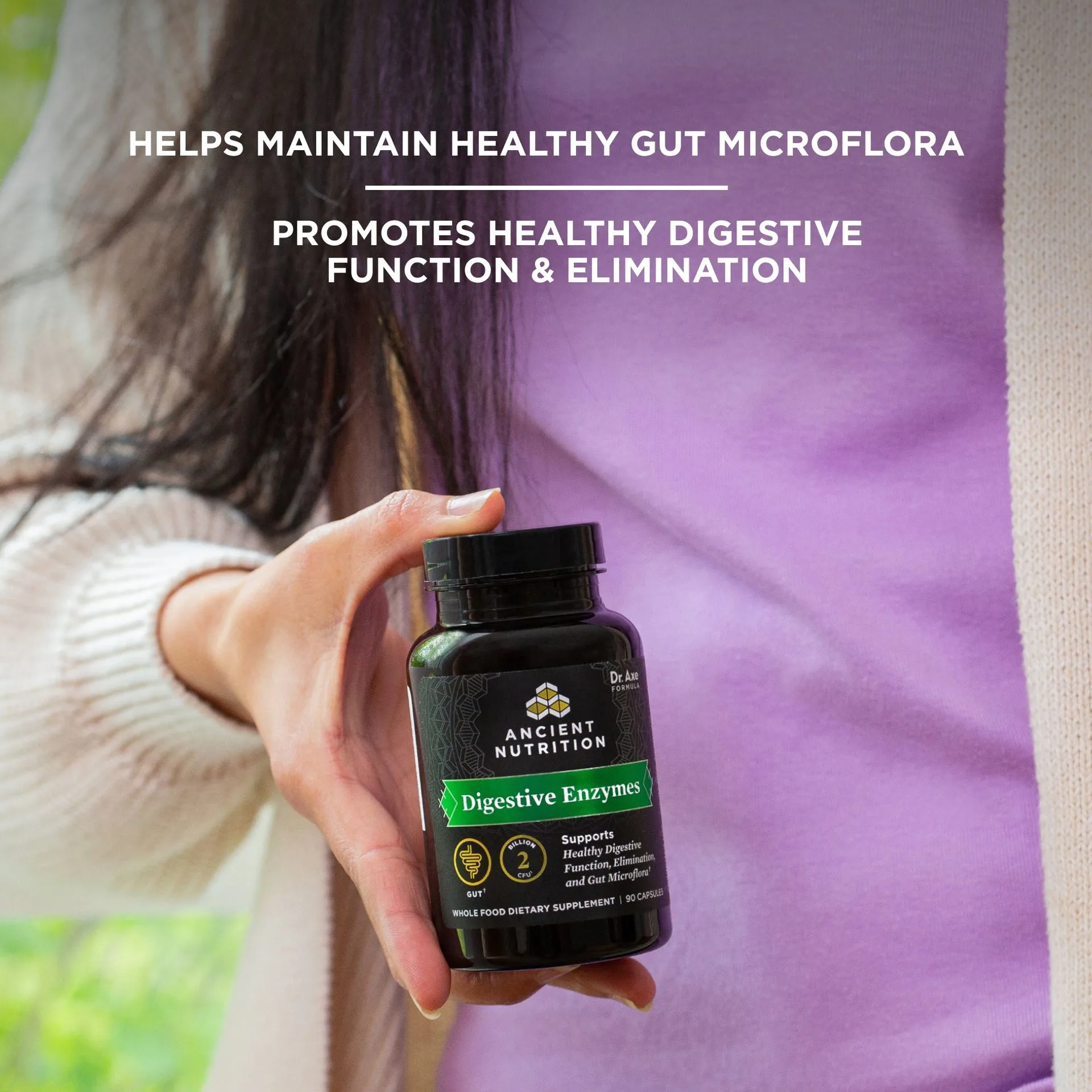
The useful question is not how many enzymes are listed, but whether the formula is built for the foods that trouble you. Since Ancient Nutrition does not publish a full enzyme-by-enzyme activity breakdown for its Digestive Enzyme capsules, treat that as a decision limitation: you cannot compare it numerically against competitors, so you are choosing on formula quality and reported experience instead.
What the supplied catalog facts do tell you is the pattern reviewers describe: reduced bloating, gas, and heartburn, and easier digestion of heavy meals and difficult foods. It also notes fermented ingredients and brand reputation as the reasons reviewers cite. If your problem is meal-specific, that is the evidence to weigh.
- Take it with the meal that causes trouble, not hours later.
- Track two weeks of symptoms before deciding it works or does not.
- If your issue is daily and not meal-linked, an enzyme may be the wrong tool.
What probiotics actually require from you
Probiotics reward consistency and punish stop-start use. The honest trade-off is patience: you are supporting a living system, so results are gradual and harder to pin to one meal. That makes them a poor experiment if you want same-day feedback, and a good one if your goal is a steadier baseline.
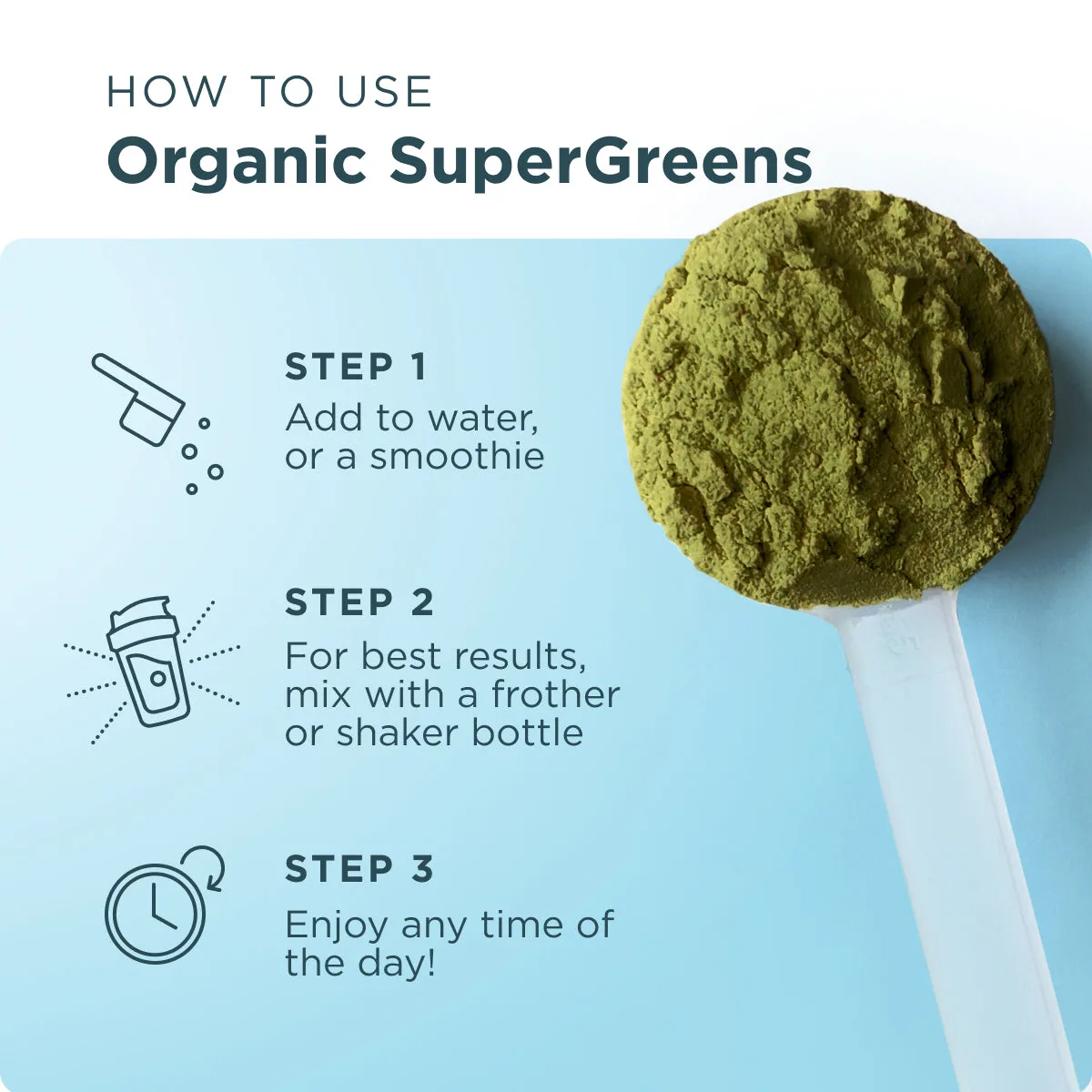
They also pair naturally with a greens or superfood habit, since both are daily routines rather than per-meal interventions. If you already take a greens scoop each morning, adding a probiotic to that same anchor is easier than creating a second ritual.
Can you take an enzyme and probiotic together?
Yes, and the pairing is logical rather than redundant. The enzyme handles the meal you are eating now; the probiotic works on the background. The practical rule is separation: take the enzyme with food, and place the probiotic at a consistent time that you will actually repeat, whether that is with a meal or at a set hour.
The trade-off is cost and complexity. Two products mean two routines and two expenses, so only stack them if you have a clear meal-specific complaint plus a longer-term goal. If you have just one problem, buy one product and give it a fair trial first.
Where magnesium fits, and where it does not
Magnesium is not a digestion product, and it will not fix bloating after meals. It belongs in this conversation only because people often bundle gut complaints with stress and poor sleep, and then buy everything at once. If stress and sleep are part of your picture, address them as a separate goal instead of expecting a digestive product to cover them.
Keeping goals separate makes it easier to tell what is working. Change one thing, give it time, then judge it.
Trade-offs to weigh before you buy
- Speed vs. depth: An enzyme can change how one meal feels; a probiotic is judged over weeks of consistent use. Want same-day feedback? Start with the enzyme. Want a long-term baseline? Start with the probiotic.
- Label transparency vs. reported experience: Ancient Nutrition does not publish a full enzyme activity breakdown for Digestive Enzyme, so you cannot compare it number-for-number against other enzyme products. If you need precise potency data, that gap is a real reason to look elsewhere.
- One product vs. a stack: Using an enzyme and probiotic together covers both meal-specific and background support, but doubles cost and routine. Only stack after you have identified two distinct problems.
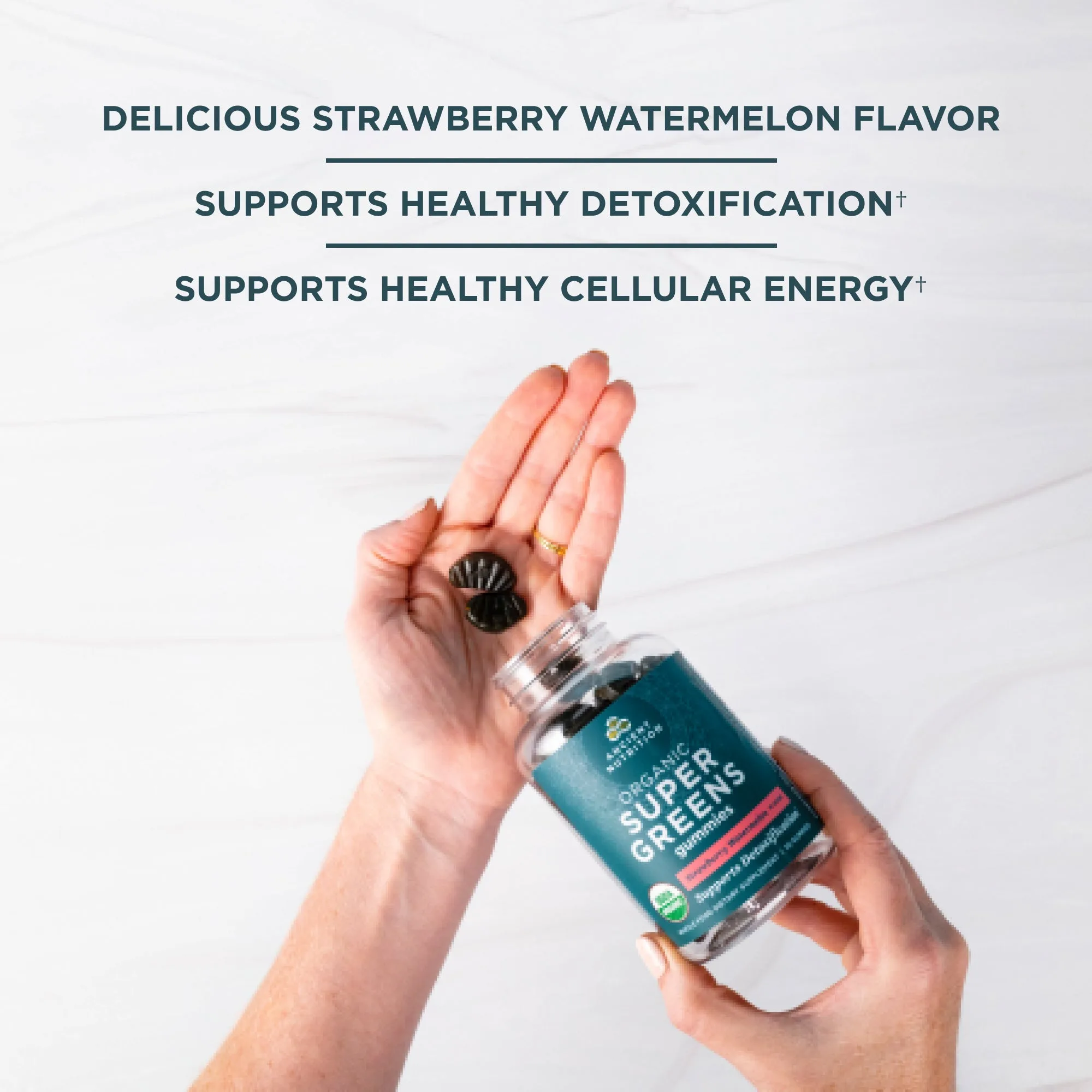
- Taste and adherence: A greens powder you dislike gets abandoned, which makes any formula benefit irrelevant. Pick the format you will actually repeat daily.
Products in this comparison
- Digestive Enzyme: Reviewers highly praise the Ancient Nutrition Digestive Enzyme capsules for effectively reducing bloating, gas, and heartburn while significantly improving digestion of heavy meals and difficult foods, and they consistently highlight the high-quality fermented ingredients and trusted brand reputation. This is the meal-specific option: choose it when your symptoms cluster around certain foods or heavy meals rather than being constant.
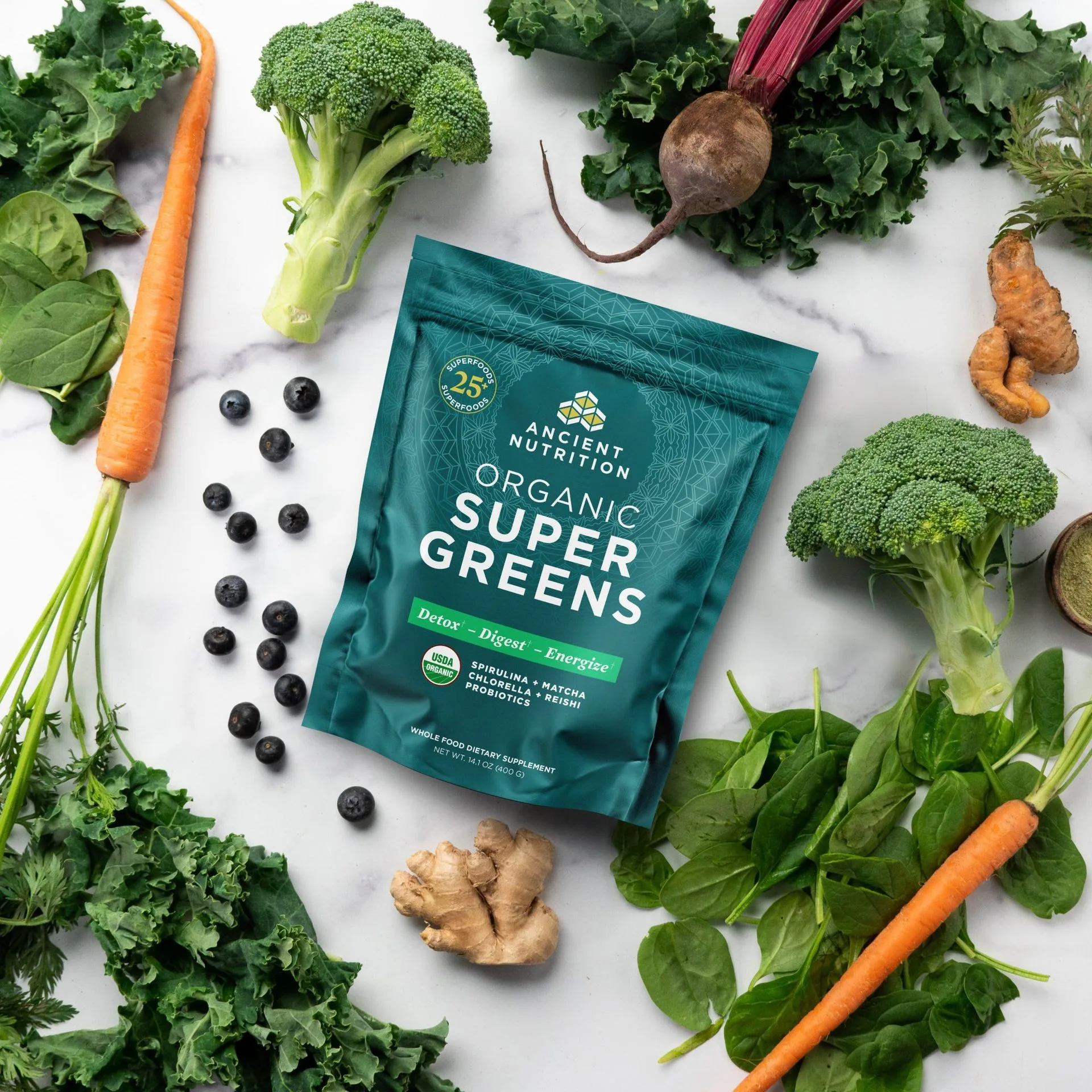
- Organic SuperGreens - Ancient Nutrition: https://ancientnutritionve.com/products/organic-supergreens-445451https://ancientnutritionve.com/products/organic-supergreens-organic-supergreens-powder-mango-12-servings-445465https://ancientnutritionve.com/products/organic-supergreens-organic-supergreens-powder-berry-12-servings-445466https://ancientnutritionve.com/products/organic-supergreens-organic-supergreens-powder-berry-25-servings-445467Organic SuperGreens delivers 25 organic superfoods per scoop, including cleansing greens and fermented mushrooms, and is described as organic greens that do not taste green. A realistic daily anchor if you want a repeatable gut-health routine and dislike the taste of typical greens powders.
- Active Peptides Magnesium Complex - Ancient Nutrition: Active Peptides Magnesium Complex combines four forms of bioavailable magnesium with a clinically-backed adaptogen and is positioned around stress less, sleep better, and feeling more energized. A separate goal from digestion, so buy it for stress and sleep rather than expecting it to resolve bloating.
Which should you choose?
Choose this if
- Bloating, gas, or heartburn that shows up after specific heavy meals — start with a digestive enzyme supplement
- A daily routine you can repeat for weeks toward overall gut balance — start with probiotics for digestion
- Both patterns at once, with the budget and patience for two routines — use an enzyme and probiotic together
- Stress and sleep as your real priority rather than digestion — treat that as a separate goal
Skip this if
- You want a same-day result from a probiotic, which is not how it works
- You expect an enzyme to fix constant, non-meal-related discomfort
- You need published enzyme activity numbers to compare products precisely
- You are looking for magnesium to resolve bloating after meals