Quick answer
Most people do not need digestive enzymes, but they can help if you consistently feel heavy, bloated, or uncomfortable after meals—especially high-fat or high-protein meals. Choose a broad-spectrum formula that lists enzyme units (like HUT, FIP, or DU) and matches your main digestive complaint. If you have a diagnosed condition like pancreatitis or celiac disease, talk to your doctor before buying.
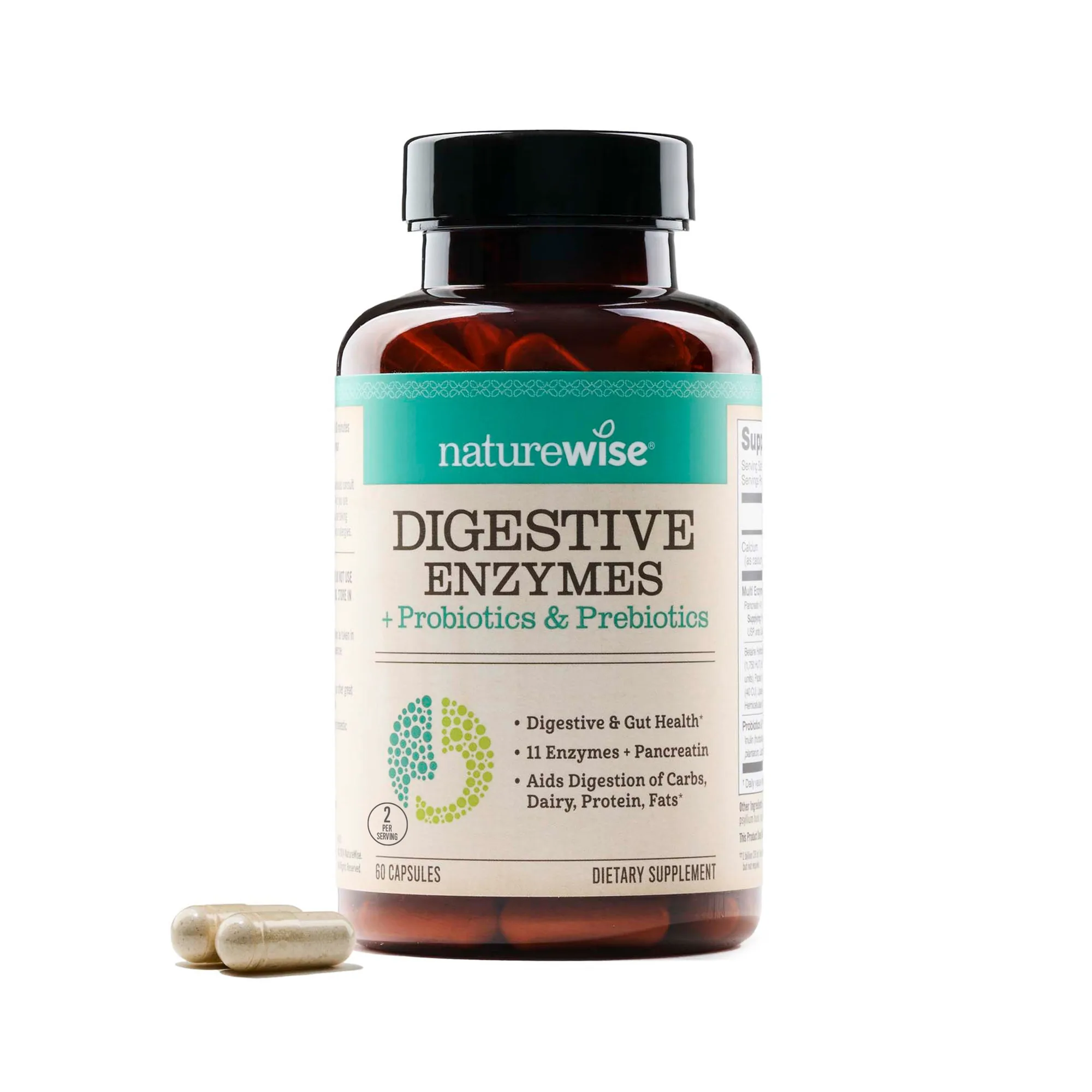
digestive enzymes
You eat a salad, feel bloated an hour later, and wonder if your body just forgot how to digest food. Digestive enzyme supplements promise to break down carbs, fats, and proteins so you feel lighter after eating. But do they actually work, and how do you pick one that is not a waste of money?
This guide cuts through the marketing. You will learn what enzymes for digestion do, who is most likely to benefit, and the specific label details that separate a useful formula from a generic blend. We will also cover how to match a product to your meals and when to skip supplements entirely.
What digestive enzymes actually do (and do not do)
Digestive enzymes are proteins your body makes to break food into absorbable pieces. Saliva starts carbs, the stomach begins proteins, and the pancreas releases a broad mix into the small intestine. Supplemental enzymes add more of these proteins to your gut, which may help if your natural production is low or if a meal is unusually large or fatty.
They are not a fix for poor food choices, and they do not block calories. If you have occasional bloating after a big meal, a enzyme blend might smooth things out. If you have chronic pain, diarrhea, or unexplained weight loss, see a doctor—supplements are not a substitute for medical care.
- Enzymes are specific: protease for protein, lipase for fat, amylase for carbs.
- They work in the gut, not in the bloodstream, so timing with meals matters.
- Claims on labels are often vague; look for standardized units, not just milligrams.
Who is most likely to benefit from a digestive enzyme?
The strongest case is for people with exocrine pancreatic insufficiency (EPI), a condition where the pancreas does not make enough enzymes. That requires prescription enzymes and medical supervision. For everyone else, the evidence is mixed but practical experience suggests three groups may notice a difference: older adults (enzyme production declines with age), people who have had certain GI surgeries, and those who regularly feel heavy after high-fat or high-protein meals.
If you have irritable bowel syndrome (IBS), small intestinal bacterial overgrowth (SIBO), or food intolerances, enzymes are not a cure. Some people with lactose intolerance benefit from lactase, but that is a specific enzyme, not a broad blend. A digestive enzyme guide should help you match the formula to your main symptom rather than promising a total fix.
- Keep a two-week food and symptom log before buying to see if a pattern exists.
- If bloating happens with everything you eat, enzymes are unlikely to be the answer.
- For occasional heavy meals, a broad-spectrum enzyme with lipase and protease is a reasonable trial.
How to read a digestive enzyme label
The supplement facts panel is where quality shows. Look for enzyme activity units: HUT for protease, FIP for lipase, DU for amylase, and so on. Milligrams alone tell you nothing about potency because enzymes vary in strength. A good formula lists at least protease, lipase, and amylase with units, plus maybe cellulase, lactase, or sucrase for specific carbs.
Also check for fillers and allergens. Some blends use lactose or wheat starch, which defeats the purpose if you are sensitive. If the label says proprietary blend without disclosing units, you cannot compare it to another product. That is a red flag for value.
- Aim for at least 10,000 HUT protease, 500 FIP lipase, and 2,500 DU amylase per serving as a starting benchmark.
- Choose a formula with a enteric coating if you want enzymes to survive stomach acid.
- Avoid products that list only milligrams or use the word complex without units.
Match the formula to your meals and symptoms
If your discomfort comes from fatty foods like pizza or cheese, prioritize lipase. If protein-heavy meals leave you feeling full for hours, protease matters more. For beans, broccoli, or whole grains, look for alpha-galactosidase or cellulase. A broad-spectrum product covers all three, but a targeted one may work better for a specific trigger.
Timing is simple: take the enzyme right before or with the first few bites of a meal. If you take it after eating, you miss the food. For large meals, some people take a second dose midway. Start with one capsule per meal and adjust based on how you feel. More is not always better—too much can cause cramping or diarrhea.
- Take with the first bite, not after the meal.
- Start with one capsule per meal and increase only if needed.
- If a formula causes loose stools, try a lower dose or a different blend.
What about probiotics and other add-ons?
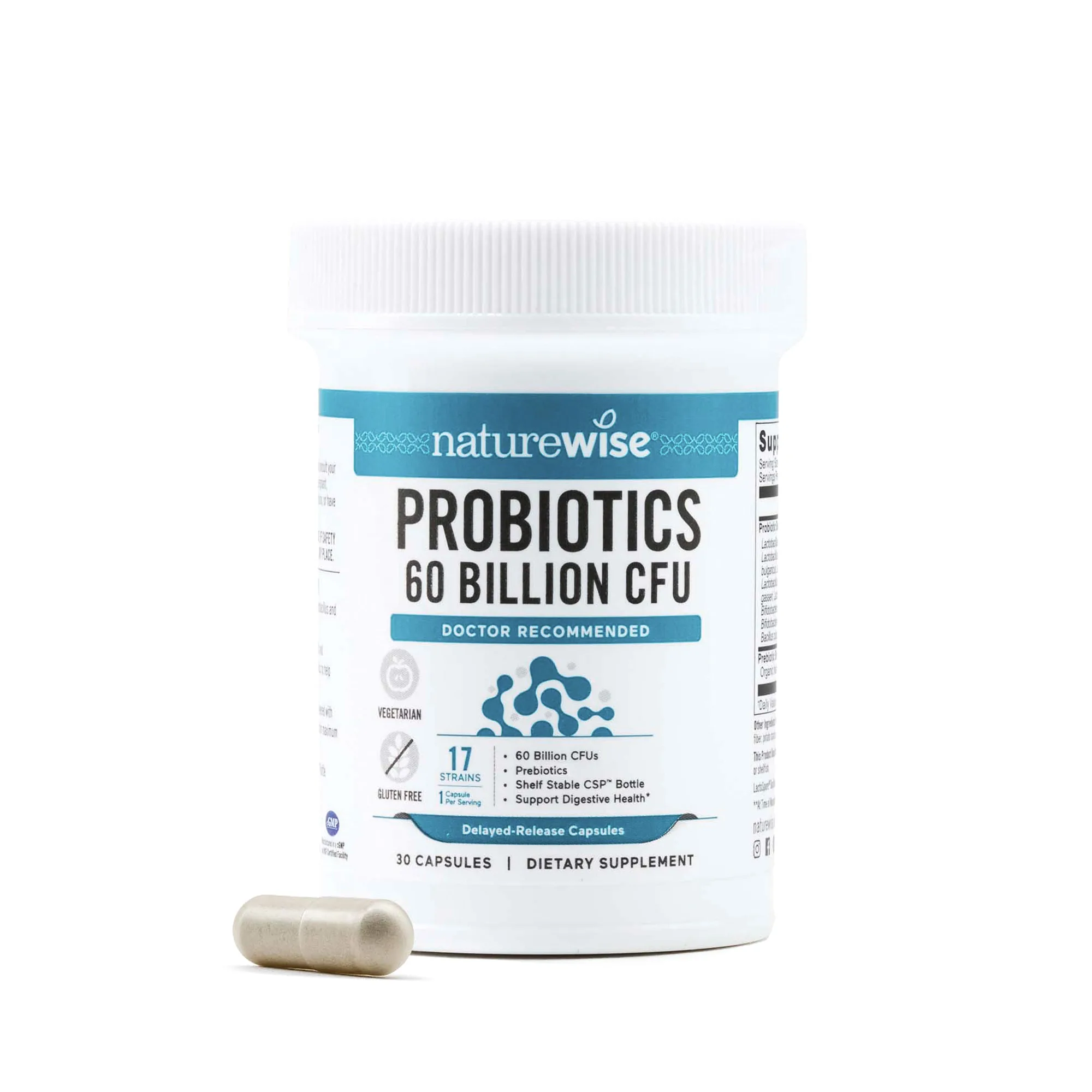
probiotics
Many digestive supplements combine enzymes with probiotics, prebiotics, or herbs like ginger and peppermint. This can be convenient, but it also makes it harder to tell what is working. If you are new to enzymes, start with a standalone enzyme product first. Once you know how your body responds, you can add a probiotic if you also have irregularity or a history of antibiotic use.
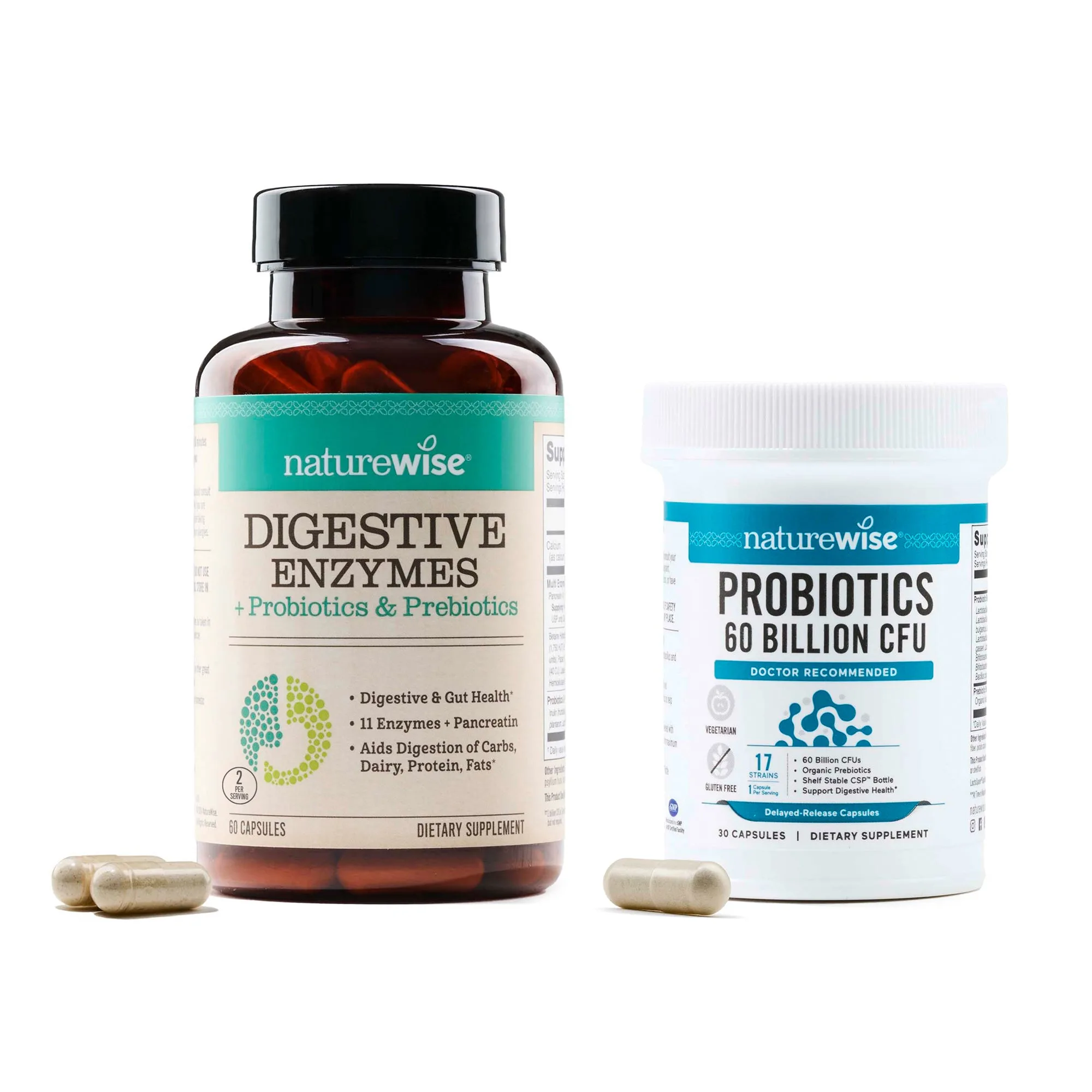
NatureWise offers a Digestive Support Bundle that pairs a probiotic with digestive support. That is a reasonable option if you want both categories in one purchase, but it is not a replacement for a dedicated enzyme formula if your main issue is breaking down food. Read the label to see if it actually contains enzymes with units; many probiotic products do not.
- Introduce one new supplement at a time to judge effects.
- If you choose a combo, check that it lists enzyme activity units, not just probiotic CFUs.
- Probiotics support the gut environment; enzymes support the meal in front of you.
Decision rules for buying a digestive enzyme
- Rule 1: Match the enzyme to your main symptom: If fatty meals cause heaviness, choose a formula with at least 500 FIP lipase. If protein leaves you full for hours, look for 10,000 HUT protease or more. For beans and vegetables, add alpha-galactosidase. Write down your top trigger meal before you shop.
- Rule 2: Insist on activity units, not just milligrams: A label that says 'enzyme blend 500 mg' tells you nothing. You need HUT, FIP, DU, or similar units to compare products. If the units are missing, assume the potency is low or unknown. Skip any product that hides behind a proprietary blend.
- Rule 3: Start with a standalone enzyme before combining: Combination products with probiotics and herbs are convenient but make it hard to know what is helping. Try a pure enzyme formula for two weeks. If you still have irregularity, add a probiotic like the Digestive Support Bundle. One change at a time gives you clear feedback.
- Rule 4: Check for allergens and fillers: Some enzymes are derived from Aspergillus or pineapple, and some use lactose or wheat starch as fillers. If you have allergies or sensitivities, read the inactive ingredients list carefully. When in doubt, contact the manufacturer for allergen statements.
Product facts that matter for digestive support
- Digestive Support Bundle: NatureWise Digestive Support Bundle is a probiotic product designed to support digestive health and nutrient absorption, with support for bloating. If your goal is overall gut balance rather than meal-specific enzyme activity, this bundle addresses bloating and nutrient absorption through probiotics. It is not a replacement for a dedicated enzyme formula, but it can complement one.
- Women's Multivitamin with Stress Support: Contains Sensoril ashwagandha for stress reduction, methylated B12 and folate, and supports heart, immune, digestive health, and healthy stress response. Stress can affect digestion, so a multivitamin that includes stress-support ingredients may help indirectly. It does not provide digestive enzymes, but it covers nutritional gaps that can influence how you feel after meals.
- Magnesium Glycinate with D3 + K2: 550 mg non-buffered Magnesium Glycinate, with 2,000 IU, 4,000 IU, and 10,000 IU vitamin D3 and 100 mcg Vitamin K2 as MK-7; supports immune health, bone health, quality sleep, and relaxation. Magnesium supports relaxation and quality sleep, which can indirectly support digestive comfort. It is not an enzyme, but it is a common companion for people managing stress-related gut symptoms.
Is a digestive enzyme right for you?
Best for
- People who feel heavy or bloated after high-fat or high-protein meals despite eating reasonable portions.
- Older adults who notice digestion has slowed with age and want to support nutrient absorption.
- Travelers or people with occasional dietary changes who want a short-term tool for uncomfortable meals.
Not for
- Anyone with a diagnosed digestive disease like pancreatitis, celiac disease, or inflammatory bowel disease—these require medical treatment, not supplements.
- People looking to block calories or lose weight; enzymes do not prevent calorie absorption.
- Those with chronic pain, diarrhea, or unexplained weight loss—see a doctor first.
Digestive enzymes are a targeted tool, not a universal fix. If you regularly feel uncomfortable after meals, start with a broad-spectrum formula that lists activity units, take it with your first bite, and give it two weeks. If your symptoms are persistent or severe, skip the supplement aisle and make a doctor's appointment. For everyday gut support, a probiotic like NatureWise Digestive Support Bundle can be a sensible companion, but it does not replace enzymes when your meal is the problem.