Quick answer
Choose digestive enzymes if your discomfort starts within an hour of eating—especially after heavy, high-fat, or high-fiber meals—because they help break down food. Choose probiotics if your goal is ongoing gut balance and you can commit to daily use for several weeks. They are not interchangeable; some people benefit from both, but start with the one that matches your main symptom pattern.

probiotics
What each one actually does
Digestive enzymes are proteins that help split carbohydrates, fats, and proteins into smaller pieces your body can absorb. They work in the gut during a meal, so timing matters more than accumulation. Probiotics are live microorganisms that, taken regularly, may support the balance of bacteria in your digestive tract. Their effects build over time and depend on strain and consistency, not on a single meal.
Symptom timing is your best clue
If bloating, fullness, or gas hits 15 to 60 minutes after eating, that points toward a digestion-speed issue where enzymes may help. If your symptoms are more unpredictable—alternating days, tied to stress, or present even between meals—a probiotic routine is the more logical first experiment. Keep a simple two-week log of when symptoms start relative to meals; that pattern tells you which category to try first.
How to take them without wasting money
Take digestive enzymes with the first few bites of a meal so they are present while food is in the stomach. If you forget mid-meal, taking them right after eating is better than skipping. Probiotics are more flexible: most people do well taking them at a consistent time each day, with or without food depending on the product label. Whichever you choose, give it a fair trial—two weeks for enzymes, four to six weeks for probiotics—before deciding.
The honest trade-offs
Enzymes act fast but only around meals, so they do not replace a daily gut-health habit. Probiotics require patience and refrigeration or careful storage for some strains, and results vary widely between people. Neither is a fix for a diagnosed condition like IBS or GERD; if symptoms are severe, persistent, or include unintended weight loss, see a clinician rather than self-treating.
Trade-offs to weigh before you buy
- Speed vs. consistency: Enzymes work within a single meal but only when you remember to take them. Probiotics need daily use for weeks before you can judge them. If you want same-day feedback, start with enzymes; if you want a long-term habit, start with probiotics.
- Symptom target: Enzymes are most useful for meal-triggered fullness and gas. Probiotics are more relevant for broad, day-to-day gut balance. Match the product to your dominant symptom pattern, not to popularity.
- Total cost and commitment: Enzymes are taken only with meals, so a bottle can last longer. Probiotics are taken daily, so cost adds up faster. Budget for at least a one-month trial of whichever you choose before deciding it does not work.
NatureWise options at a glance
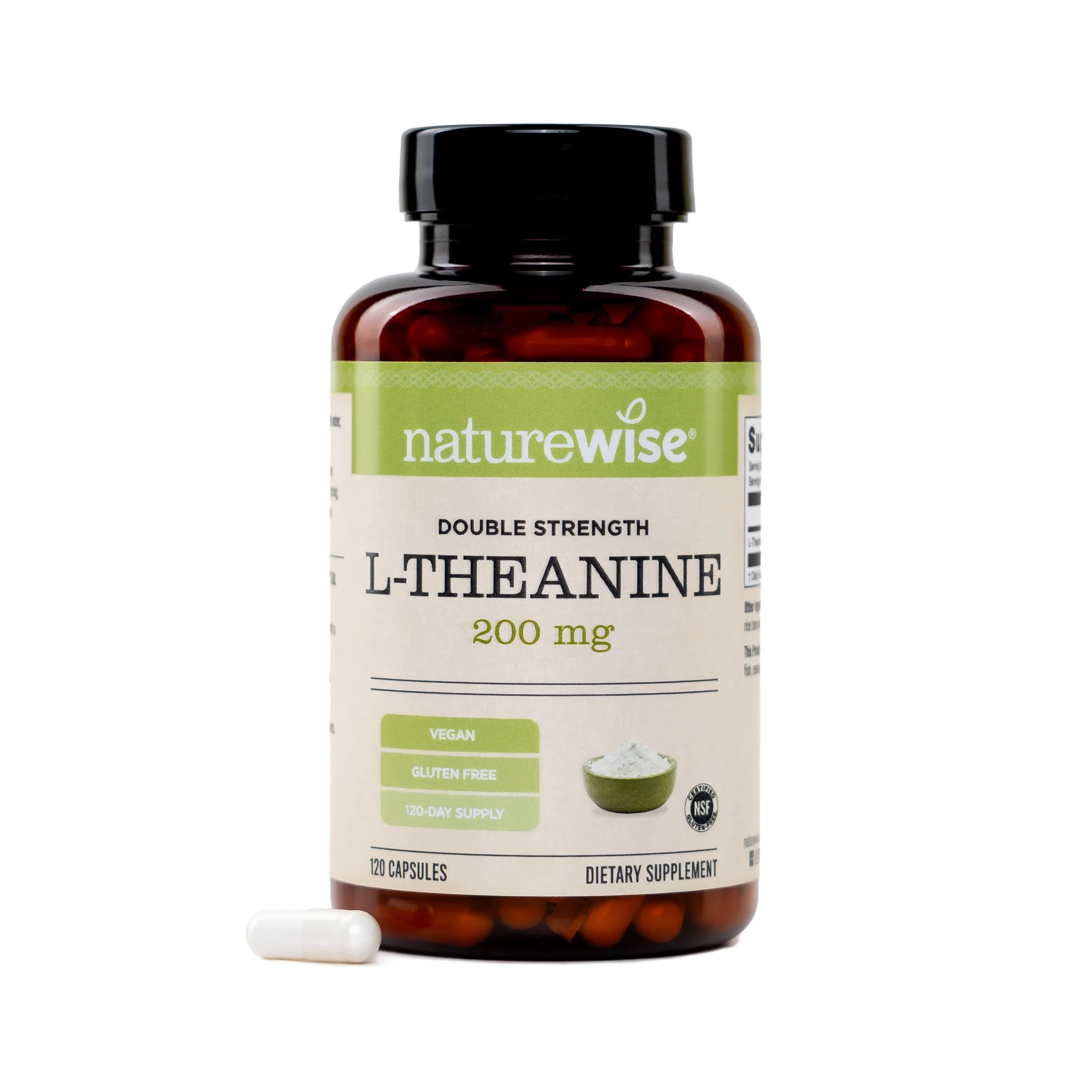
- L-Theanine: Double strength L-Theanine 200 mg and quadruple strength L-Theanine 400 mg, vegan and NSF Certified Gluten Free, with options for strength and size. If stress-driven gut symptoms are part of your picture, a flexible-strength relaxation option lets you start low and adjust without changing products.
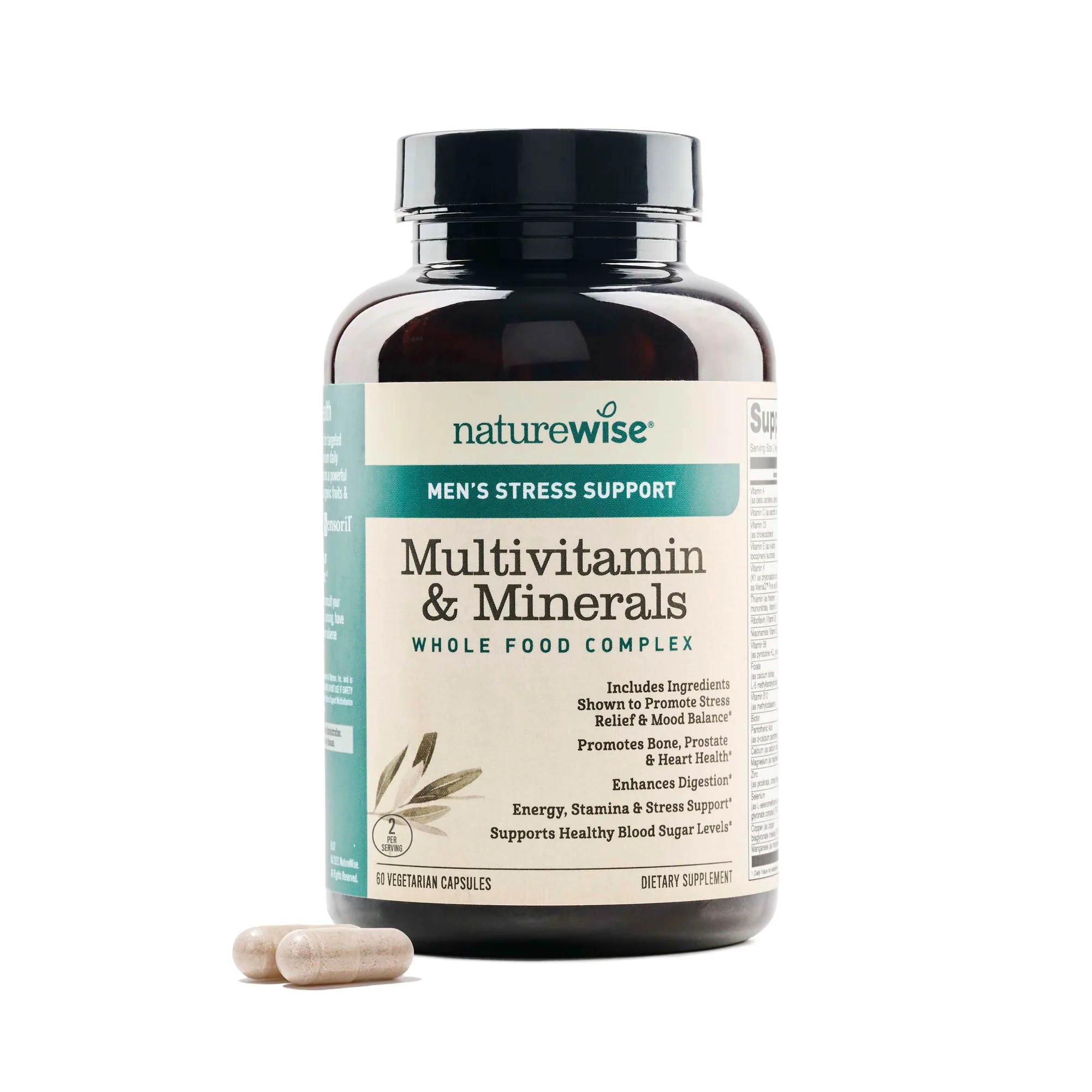
- Men's Multivitamin with Stress Support: Men's Multivitamin with Stress Support contains Sensoril ashwagandha, is vegetarian, and uses a 2-veggie-capsule serving to support heart, immune, digestive, and healthy stress response. A daily multi with stress support covers nutritional gaps that can affect digestion, making it a sensible base layer while you test an enzyme or probiotic.
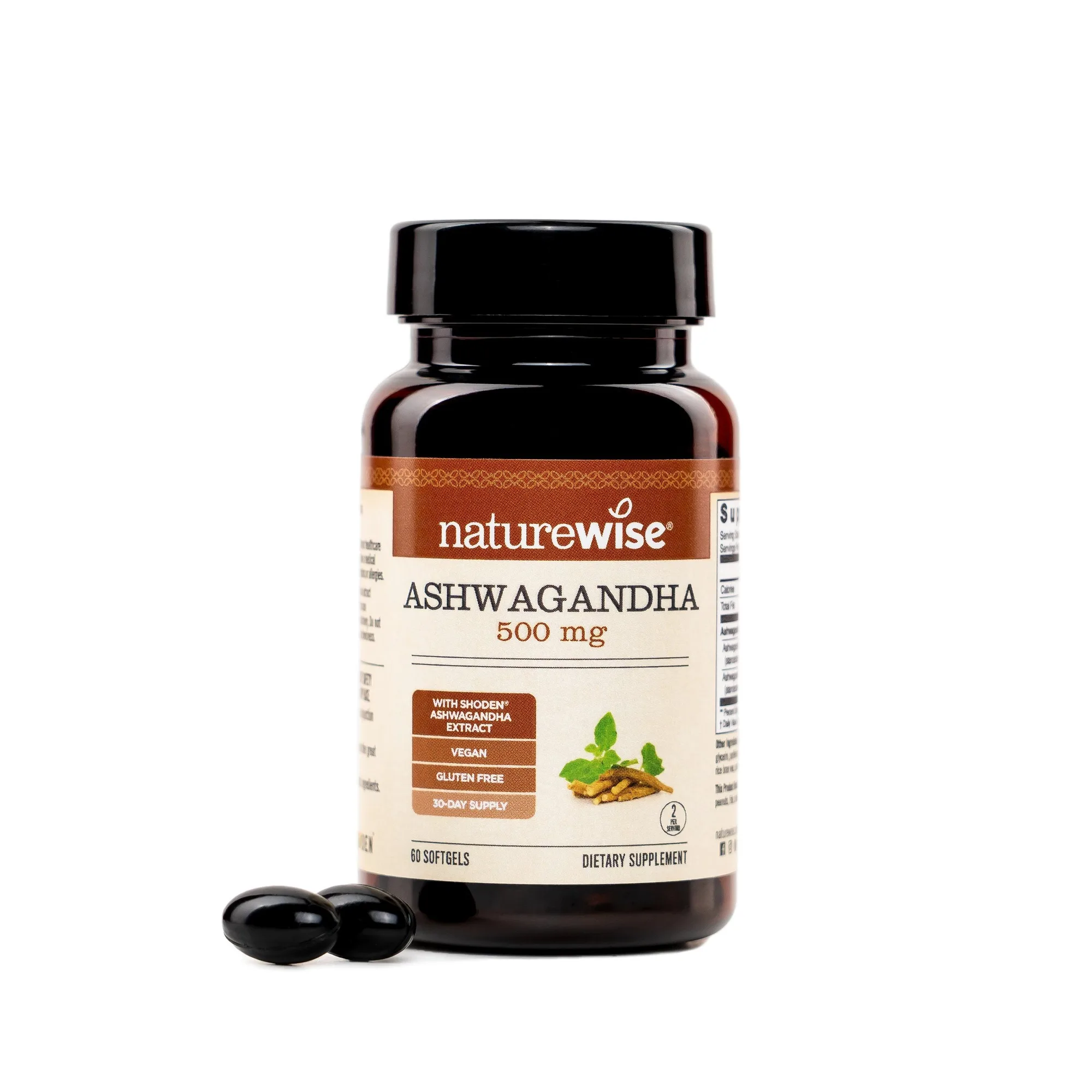
- Magnesium with Ashwagandha: Magnesium with Ashwagandha provides 325 mg magnesium, 100 mg organic ashwagandha extract, and trace minerals from Aquamin Mg, is vegan and gluten free, and is a 60-day supply. Magnesium supports muscle relaxation and nerve function, which can ease the tension-related component of digestive discomfort.
Which one fits you?
Best for
- People whose bloating or heaviness starts soon after eating, especially large or rich meals
- Travelers or occasional diners who want support only around meals
Not for
- Anyone expecting enzymes to rebalance gut bacteria over time
- People with persistent or severe digestive symptoms who have not seen a clinician