Quick Answer
Digestive enzymes help break down the food you eat, while probiotics support the balance of bacteria in your gut. If you feel bloated or heavy after meals, enzymes may help; if you want long-term digestive balance, probiotics are the better choice. Many people use both, but it's best to start with the one that matches your main symptom.
You've probably seen both digestive enzymes and probiotics on the supplement shelf and wondered which one your gut actually needs. They sound similar, but they do very different jobs. Digestive enzymes are like the workers that break down your food into nutrients, while probiotics are the helpful bacteria that keep your digestive tract balanced and functioning well.
Choosing the right one starts with understanding your symptoms. Do you feel bloated or heavy right after eating? That points to an enzyme issue. Do you have irregular digestion, occasional gas, or a feeling that things are off even when you eat well? That may be a sign your gut microbiome needs support. Here's how to tell the difference and what to expect from each.
What Do Digestive Enzymes Do?
Digestive enzymes are proteins that help your body break down carbohydrates, fats, and proteins into smaller molecules that can be absorbed. Your body makes its own enzymes, but production can decline with age or stress. When you don't have enough, food sits in your gut and ferments, which often leads to bloating, gas, and a heavy feeling after meals.
Enzyme supplements are typically taken right before or with a meal. They can target specific types of food—like lactase for dairy or lipase for fats—or provide a broad blend. If you notice that large meals or certain foods always leave you uncomfortable, an enzyme supplement may offer quick, targeted relief.
- Look for a product that lists the specific enzymes it contains, such as amylase, protease, and lipase.
What Do Probiotics Do?
Probiotics are live beneficial bacteria that help maintain a healthy gut microbiome. They don't digest food directly, but they support the environment where digestion happens. A balanced microbiome helps with regular bowel movements, immune function, and even mood. Probiotics can also help counteract the effects of poor diet, stress, or antibiotics.
Probiotic supplements are usually taken daily, not just with meals. They come in many forms, including capsules, gummies, and special delivery systems like probiotic pearls that protect the bacteria until they reach your intestines. If your goal is long-term digestive balance rather than immediate relief after a meal, a daily probiotic is the more fitting choice.
- Consistency matters: probiotics work best when taken daily, so choose a form you'll remember to take.
Key Differences at a Glance
The simplest way to think about it: enzymes help you digest what you just ate, while probiotics help maintain the overall health of your gut. Enzymes act fast and are meal-specific. Probiotics work slowly, building up over days or weeks.
You don't have to choose one forever. Some people find that starting with enzymes for immediate relief and adding a probiotic for long-term balance works best. Just be aware that they address different aspects of digestion, so the benefits are not interchangeable.
- Use enzymes for meal-related bloating; use probiotics for daily gut balance.
The Tradeoffs: Choosing Your Approach
- Speed of relief: Enzymes work within minutes to hours after a meal, making them ideal for occasional bloating or heavy meals. Probiotics take time to build up and won't fix a single meal gone wrong. If you need fast relief, start with enzymes.
- Long-term balance: Probiotics support the gut microbiome over weeks and months, which can improve regularity and overall digestion. Enzymes don't change the underlying balance of your gut bacteria. For lasting digestive health, a daily probiotic is the better foundation.
- Convenience and consistency: Enzymes are taken with meals, which can be easy to forget if you eat out often. Probiotics require daily commitment, but forms like gummies or pearl technology can make them easier to stick with. Choose the format you'll actually use consistently.
Products That Can Help
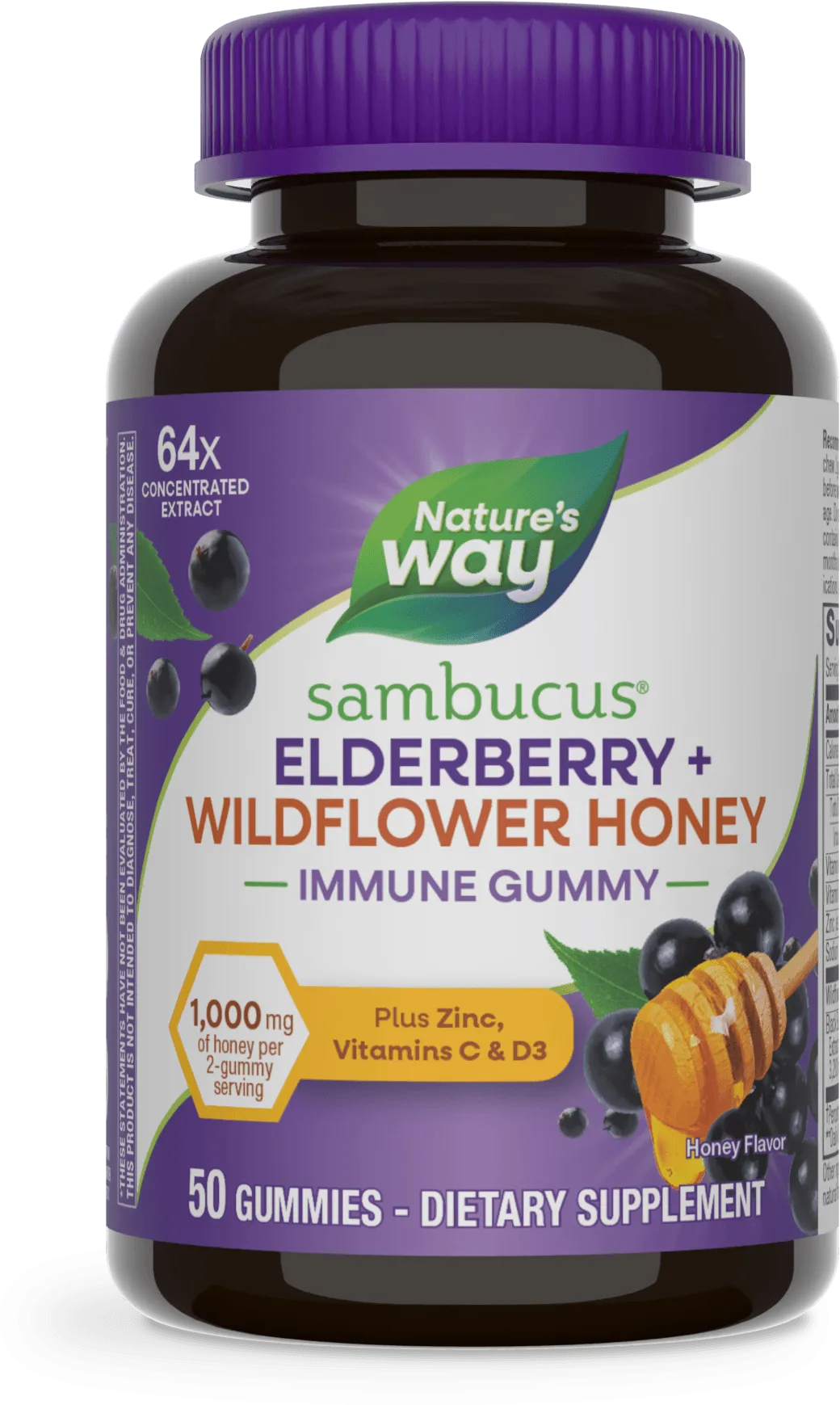
- Sambucus Elderberry + Wildflower Honey Immune Gummy: This gummy combines elderberry with real wildflower honey for immune support, and is suitable for adults and children 4 years and older. If your gut issues are tied to frequent seasonal challenges, supporting your immune system can indirectly help you feel better overall. This is a tasty option for families.
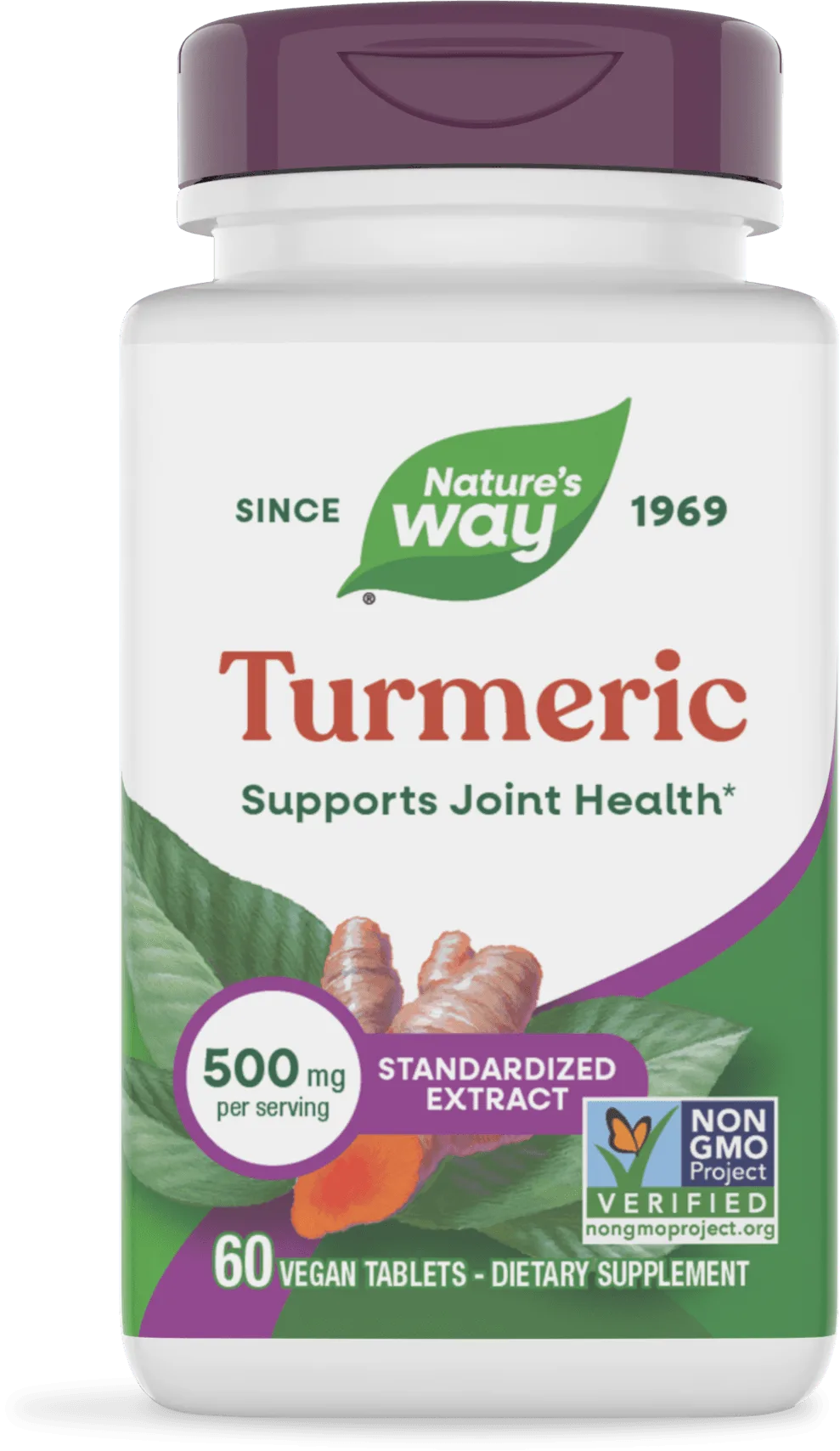
- turmeric-max-potency-384517">Turmeric Max Potency‡: Turmeric Max Potency is standardized to 95% curcuminoids and provides 750mg per serving, traditionally used to support joint health. Joint discomfort can sometimes be linked to systemic inflammation. While not a digestive enzyme or probiotic, managing inflammation may complement your gut health routine.
Which Should You Choose?
Digestive enzymes are best for:
- People who feel bloated or heavy after large or fatty meals
- Those who want quick, targeted relief after eating
Digestive enzymes are not for:
- People seeking long-term gut balance without addressing meal-specific issues
- Those who don't have noticeable symptoms after eating
Digestive enzymes and probiotics serve different purposes, and choosing between them comes down to your primary symptom. If you feel uncomfortable after meals, enzymes offer fast help. If you want to support your gut for the long run, a daily probiotic is the better bet. And if you're still unsure, talking to a healthcare provider can help you tailor a plan that fits your specific needs.