Quick Answer
For a body-safe, non-porous, and easy-to-clean choice, silicone is the best dildo material. TPE is softer and cheaper but porous, so it requires more careful cleaning and isn't suitable for sharing. Look for 100% medical-grade silicone when possible.
When you're shopping for a new dildo, the material matters just as much as the shape or size. It affects how the toy feels, how safe it is for your body, and how long it will last. With so many options—silicone, TPE, rubber, and more—it can be overwhelming to know which one to pick.
This guide breaks down the most common dildo materials, their pros and cons, and how to choose based on your priorities. We'll also look at a few fantasy-inspired designs to show how material choices play out in real products.
Why Material Matters for Safety and Sensation
The material of a dildo determines two key things: how it feels and how safe it is for your body. Body-safe materials are non-porous, meaning they don't harbor bacteria, and they're free from harmful chemicals like phthalates. Porous materials, on the other hand, can trap fluids and bacteria, making them harder to clean thoroughly.
Sensation also varies by material. Silicone can be firm or soft, while TPE tends to be more flexible and skin-like. The texture of the surface—whether smooth, ridged, or detailed—also plays a big role in stimulation. Knowing what each material offers helps you match the toy to your preferences.
- Always check the label for 'body-safe' or 'medical-grade' silicone.
- Avoid materials with a strong chemical smell, which may indicate low-quality ingredients.
Silicone: The Gold Standard
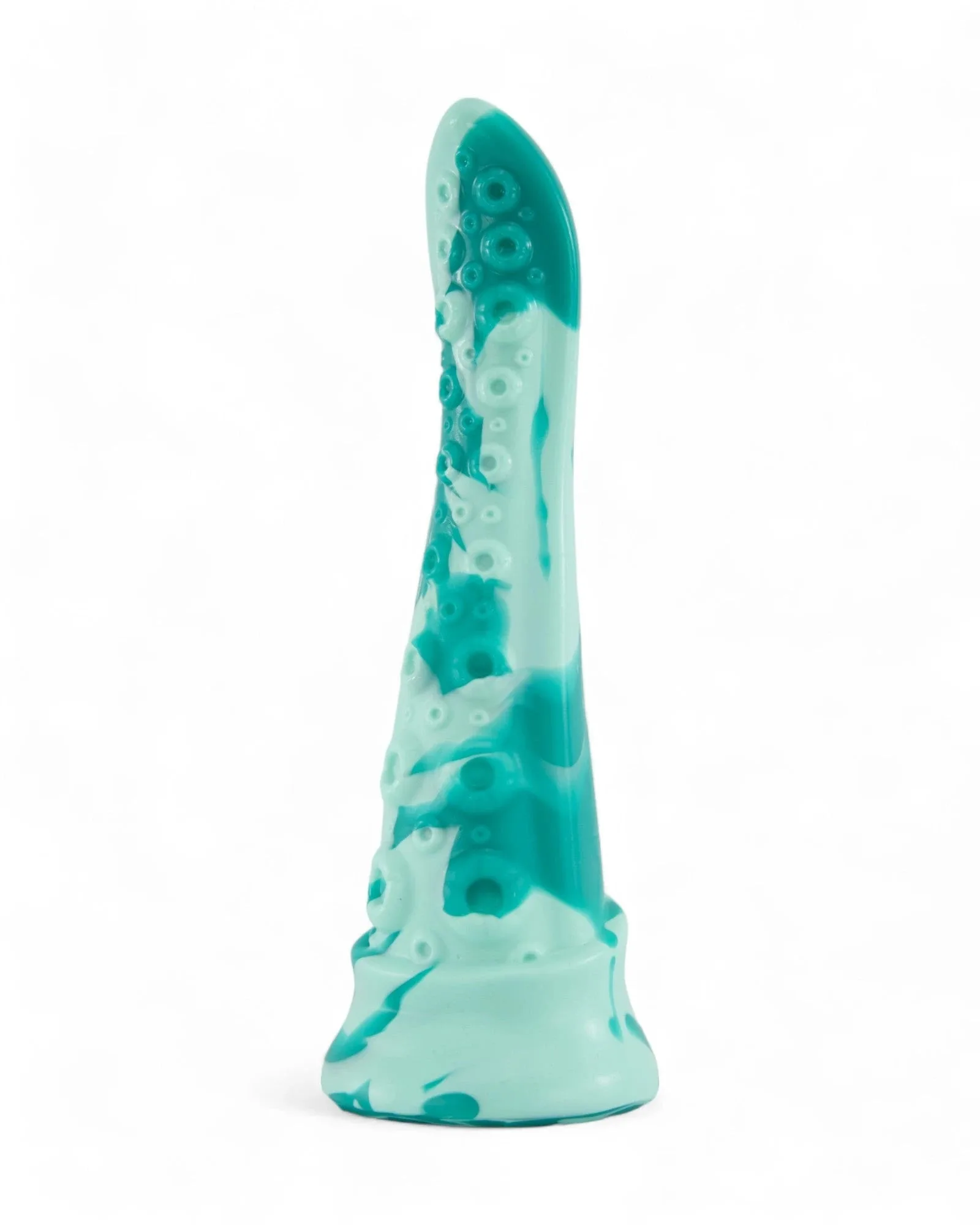
Silicone is widely considered the best dildo material because it's non-porous, hypoallergenic, and can be sterilized by boiling or using a toy cleaner. It's firm enough for targeted stimulation yet can be made in varying softnesses. Many fantasy dildos, like the reef-tentacle-fantasy-dildo-582eb0932fc384b7518df22a-907947">Reef Tentacle Fantasy Dildo, use silicone to capture intricate details like suckers and ridges.
The main downside is that silicone can be pricier than other materials, and it shouldn't be used with silicone-based lubricants, as they can degrade the toy. But for safety and longevity, silicone is worth the investment.
- Use water-based lube with silicone toys.
- Clean with mild soap and warm water or a dedicated toy cleaner.
TPE: Soft and Affordable but Porous
TPE (thermoplastic elastomer) is a popular choice for budget-friendly and ultra-soft toys. It feels more realistic and flexible than silicone, which some users prefer. However, TPE is porous, meaning it can absorb fluids and bacteria, making thorough cleaning difficult. It's not recommended for sharing or for those with sensitive skin.
If you choose TPE, wash it immediately after each use with antibacterial soap and store it separately from other toys. Keep in mind that TPE has a shorter lifespan than silicone and may degrade over time.
- TPE toys should not be boiled or cleaned with harsh chemicals.
- Replace TPE toys more frequently than silicone ones.
Other Materials: Glass, Metal, and More
Glass and metal are non-porous and can be sterilized easily, but they're rigid and heavy, which may not appeal to everyone. They also allow for temperature play—warm or cool them in water for added sensation. Rubber and jelly materials are often cheaper but can contain phthalates and are highly porous, so they're best avoided for safety reasons.
When considering any material, check if the product is explicitly labeled body-safe. If the material isn't listed, contact the manufacturer or choose a trusted brand.
- Glass and metal toys are great for temperature play.
- Avoid jelly or rubber toys unless they're clearly phthalate-free and body-safe.
How to Choose: Decision Rules
- If you prioritize safety and easy cleaning: Choose a 100% medical-grade silicone dildo. It's non-porous and can be fully sanitized. Best for most users, especially beginners.
- If you want a soft, realistic feel on a budget: Consider TPE, but understand you'll need to clean it more carefully and replace it sooner. Opt for TPE only if you're mindful of hygiene.
- If you enjoy temperature play or firm pressure: Glass or metal toys are non-porous and can be warmed or cooled, but they're rigid. Great for advanced users who like intense sensation.
- If you have sensitive skin or allergies: Stick with non-porous materials like silicone, glass, or metal to avoid irritation. Always patch-test new materials.
Materials in Action: Fantasy Dildos
- Reef Tentacle Fantasy Dildo: Reef is sculpted with every ripple and perfectly placed sucker to mimic the touch of a creature unseen, with a textured embrace. Silicone's ability to capture fine detail means you get a more realistic and stimulating texture, which is essential for fantasy toys.
- dovah-dragon-fantasy-dildo-a486688bdb79f255125d7706-907806">Dovah Dragon Fantasy Dildo: Dovah's shaft is sculpted for maximum stimulation with a tapered head for easy entry and beaded studs and raised veins for added sensation. The intricate ridges and veins are only possible with a material that can hold its shape, making silicone ideal for intense, targeted stimulation.
Which Material Fits You?
Best for
- Silicone is best for those who want a body-safe, long-lasting toy that's easy to clean.
- Glass or metal is best for users who enjoy firm, smooth textures and temperature play.
Not for
- TPE is not for those who share toys or have sensitive skin due to its porous nature.
- Jelly or rubber materials are not for anyone seeking body-safe options.
Choosing the right dildo material comes down to balancing safety, feel, and budget. Silicone remains the top recommendation for its non-porous, body-safe properties and versatility. Whatever you choose, always check the material label and follow proper cleaning guidelines to ensure a safe and pleasurable experience.