For children with special needs, the right toy can be more than just a plaything—it can be a source of comfort, a tool for communication, and a bridge to the world. Dinkum Dolls, with their soft, huggable bodies and endearing expressions, have become a favorite among families seeking toys that support sensory development and emotional well-being.
In this guide, we explore how Dinkum Dolls can benefit children with autism, sensory processing differences, and other special needs. From their tactile appeal to their role in imaginative play, these dolls offer a unique blend of comfort and developmental support that makes them a valuable addition to any child's playroom.
Understanding Sensory Play and Its Importance
Sensory play involves activities that stimulate a child's senses: touch, sight, sound, taste, and smell. For children with special needs, especially those on the autism spectrum, sensory play is crucial for developing motor skills, social interaction, and emotional regulation. It helps them make sense of the world around them and can be deeply calming.
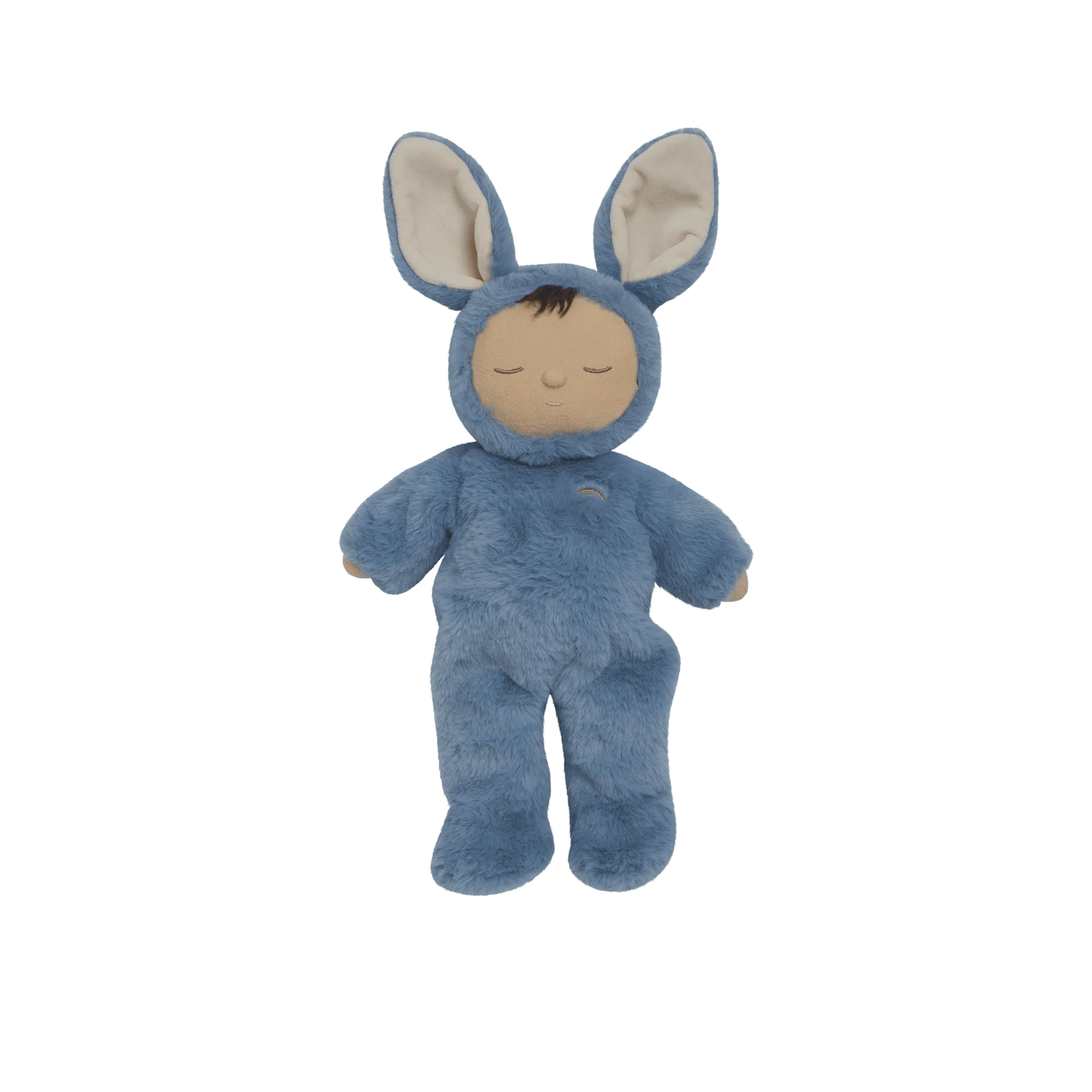
Dinkum Dolls are designed with sensory-friendly features that make them ideal for this type of play. Their soft, plush bodies invite touch, while their simple, friendly faces are easy to read and comforting. The gentle weight of a doll like the https://olliellaey.com/products/cozy-dinkum-bunny-twinkle-26852cbe1100d34ef6dffe29-579279Cozy Dinkums - Bunny Twinkle provides proprioceptive input, which can be soothing for children who seek deep pressure.
- Look for dolls with varied textures to encourage tactile exploration.
- Soft, huggable dolls can serve as a calming tool during stressful moments.
How Dinkum Dolls Support Children with Autism
Children with autism often struggle with social cues and emotional expression. Dinkum Dolls can act as a safe intermediary for practicing social interactions. A child might use a doll to role-play conversations, learn about facial expressions, or even express feelings they find hard to verbalize. The dolls' neutral, friendly expressions are non-threatening and easy to interpret.
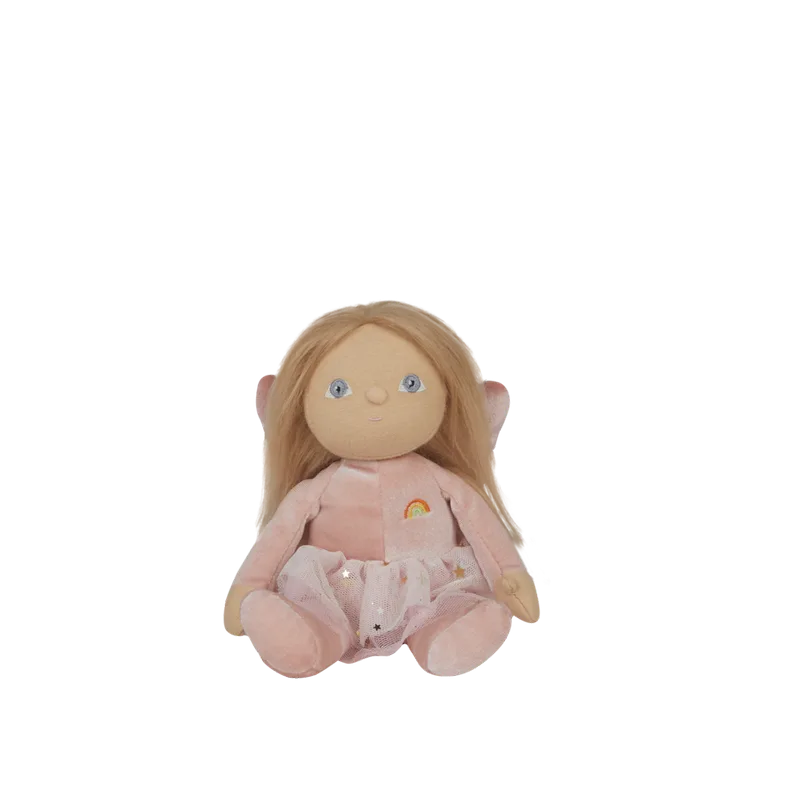
The familiar routine of dressing and caring for a doll can provide structure and predictability, which is comforting for many children on the spectrum. For instance, the Dress Me Dinky - Hazel Hawthorne comes with simple, easy-to-manipulate clothing that helps develop fine motor skills while offering a repetitive, calming activity. This type of structured play can be both therapeutic and enjoyable.
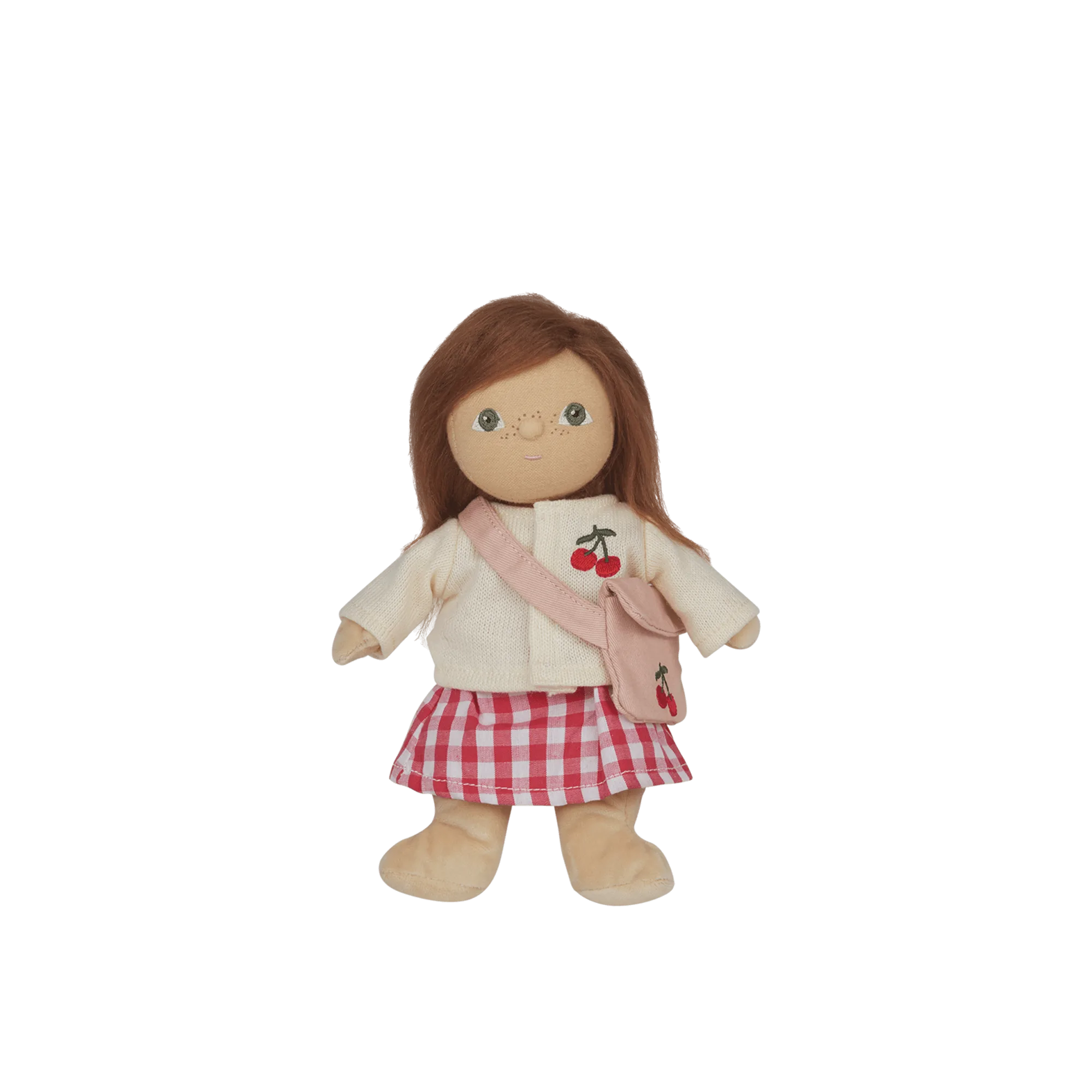
Dress Me Dinky - Hazel Hawthorne
- Use dolls to practice greetings, turn-taking, and other social scripts.
- Incorporate dolls into visual schedules to help with transitions.
The Calming Effect of Weighted and Soft Dolls
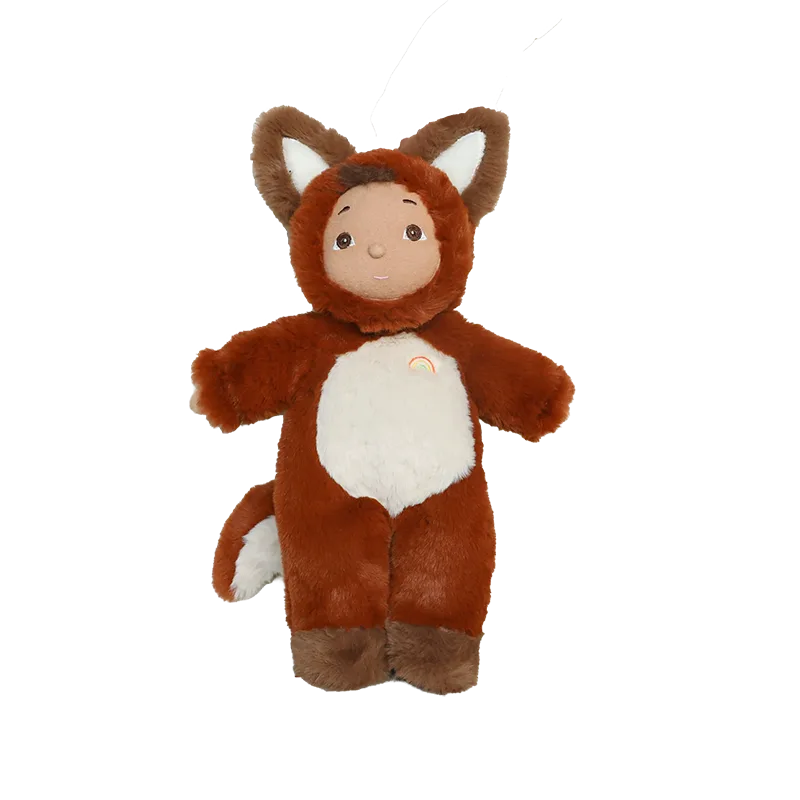
Deep pressure stimulation is known to have a calming effect on the nervous system. Many children with sensory processing disorders seek out this type of input. While Dinkum Dolls are not specifically weighted, their plush, substantial feel can provide a comforting pressure when hugged. The Cozy Dinkums - Dog Digby, with its soft fur and floppy limbs, is perfect for cuddling and can be a reassuring presence during meltdowns or anxious moments.
Additionally, the act of hugging a doll can help children learn to self-regulate. By modeling how to give a gentle squeeze, you can teach a child to use the doll as a tool for calming themselves. This is a valuable skill that can be carried into other areas of life.
- Encourage deep-pressure hugs with a plush doll to promote calm.
- Create a 'calm corner' with a doll and other sensory items.
Choosing the Right Dinkum Doll for Your Child
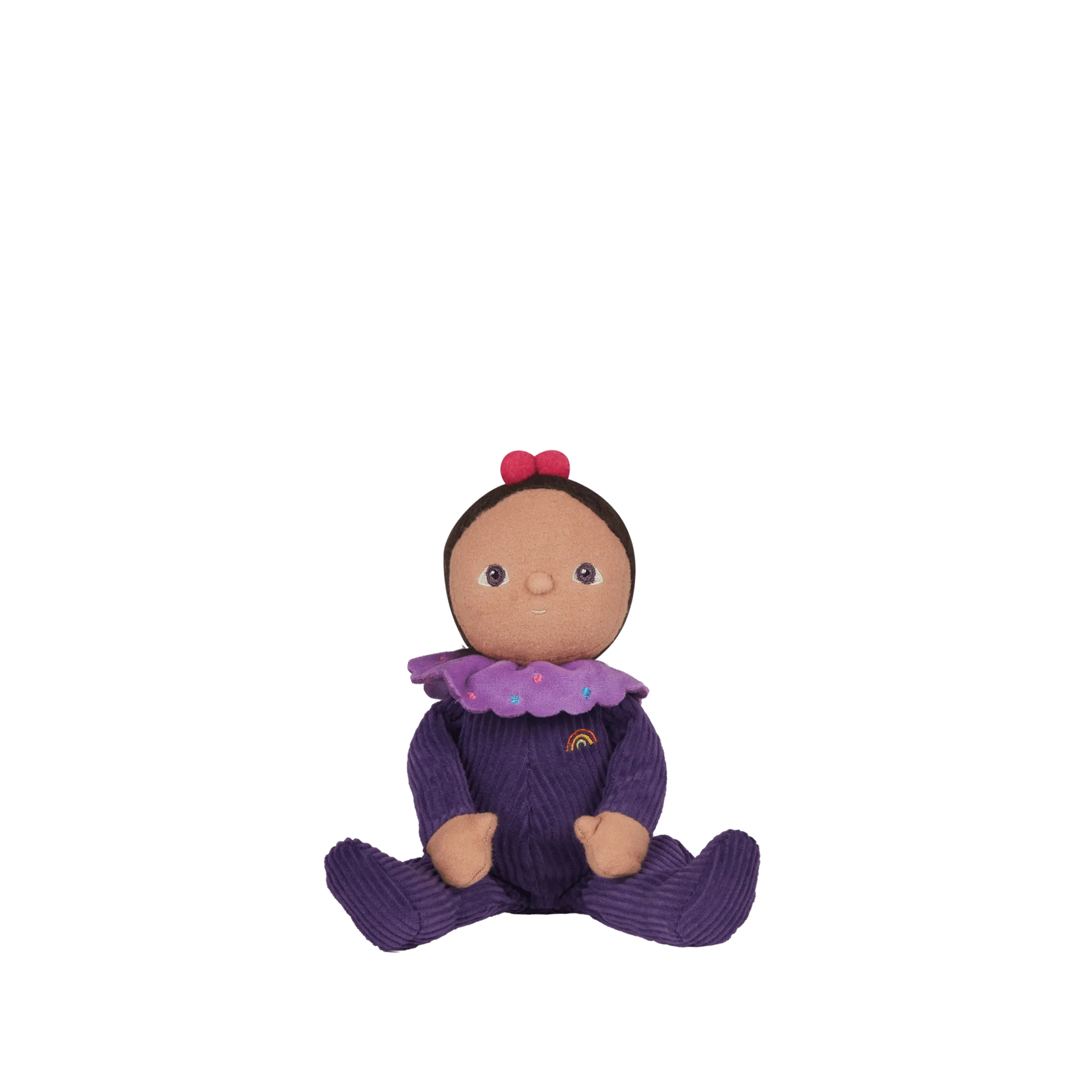
When selecting a Dinkum Doll for a child with special needs, consider their sensory preferences. Some children prefer smaller, more portable dolls that they can carry everywhere, like the Dinky Dinkums - Violet. Others might enjoy the larger, more cuddly Cozy Dinkums, which are great for hugging and imaginative play. The Dozy Dinkum Pickle Blossom offers a sleepy, relaxed expression that can be soothing at bedtime.
It's also worth considering dolls with accessories that encourage fine motor practice, such as the Dinkum Dolls Shoes - Mix Pack, which allows children to practice dressing skills. These small, manageable tasks can build confidence and independence, which is especially beneficial for children with developmental delays.
- Assess your child's sensory needs: do they prefer soft, smooth, or textured materials?
- Choose dolls with simple, accessible clothing for easy dressing practice.
Incorporating Dinkum Dolls into Therapy and Education
Dinkum Dolls can be powerful tools in occupational therapy, speech therapy, and special education settings. Therapists often use dolls to engage children in activities that build social, emotional, and motor skills. For example, a speech therapist might use a doll to encourage verbalization, while an occupational therapist could use dressing the doll to work on fine motor coordination.
In the classroom, Dinkum Dolls can serve as a calming presence, helping children with special needs feel more secure. They can also be used to teach empathy and emotional literacy, as children project their own feelings onto the dolls. The Unicorn Outfit Set, with its whimsical design, can spark imaginative play that is both fun and therapeutic.
- Collaborate with your child's therapist to integrate dolls into their therapy plan.
- Use dolls in social stories to help children understand and navigate social situations.
Dinkum Dolls offer more than just cuteness—they provide a world of sensory benefits that can be profoundly supportive for children with special needs. Whether it's the calming comfort of a Cozy Dinkum, the fine motor practice from dressing a Dinky, or the social skills developed through imaginative play, these dolls are a valuable investment in your child's development. Explore our collection to find the perfect Dinkum Doll for your child's unique needs.