When it comes to choosing a doll for your child, the options can be overwhelming. Two popular choices are Dinkum Dolls and traditional Waldorf dolls. Both have devoted followings, but they offer different benefits. In this comparison, we'll explore the key differences between Dinkum Dolls and Waldorf dolls, focusing on materials, design, educational value, and how each fosters imaginative play. By the end, you'll have a clearer idea of which doll might be the better fit for your little one's playtime and development.
Dinkum Dolls, known for their adorable and expressive faces, have captured the hearts of children and parents alike. They are designed to encourage open-ended play and come in a variety of characters, from Dinky Dinkums to Dozy Dinkums. On the other hand, Waldorf dolls are renowned for their simplicity and natural materials, rooted in the Waldorf education philosophy. Let's dive into the details to see how they compare.
Materials and Craftsmanship
One of the most significant differences between Dinkum Dolls and Waldorf dolls lies in the materials used. Waldorf dolls are typically made from natural materials such as cotton, wool, and sometimes even silk. Their faces are intentionally left blank or with minimal features, allowing children to project their own emotions onto the doll. This simplicity is a cornerstone of Waldorf philosophy, which encourages imaginative and creative play without imposing specific expressions.
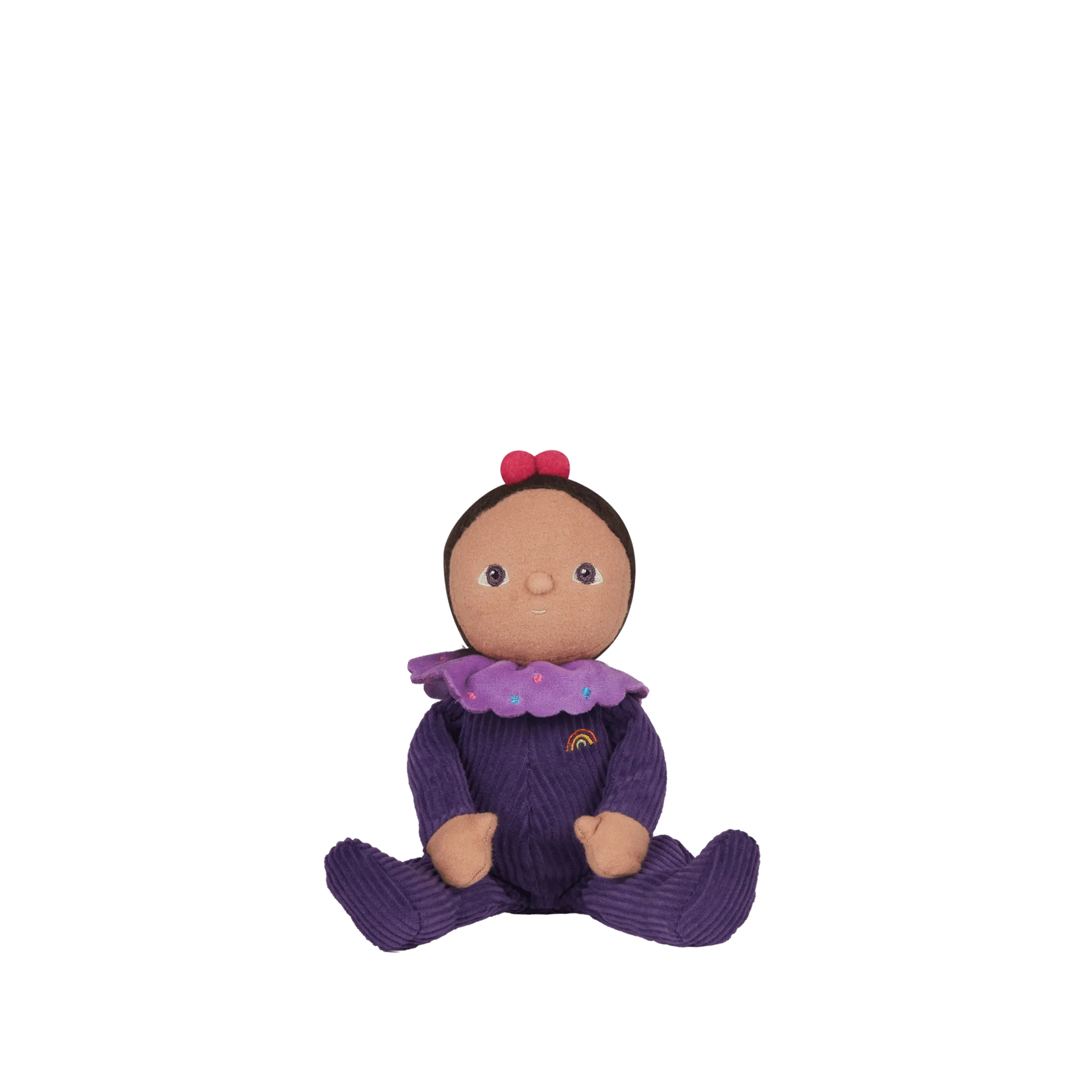
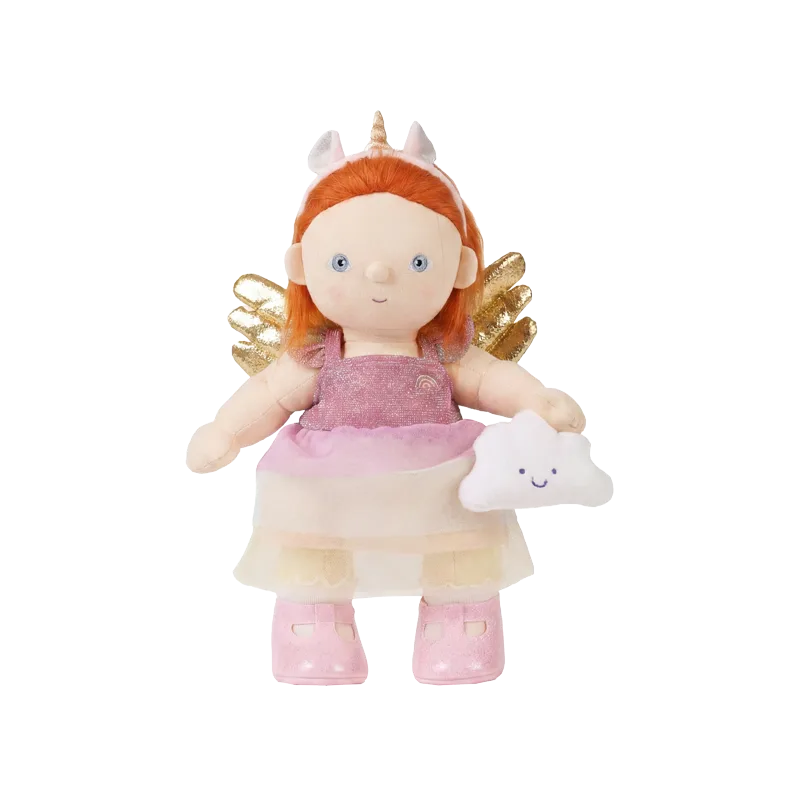
Dinkum Dolls, on the other hand, are crafted with high-quality, soft-touch materials that are safe for children. They feature sweet, hand-embroidered faces that convey a range of emotions, from happy to sleepy. For example, the Dinky Dinkum Doll - Fairy Fiona has a delicate expression that invites storytelling. While they may incorporate some synthetic materials for durability, they are still designed with child safety in mind. If you prioritize natural materials, Waldorf dolls might have an edge, but Dinkum Dolls offer a balance of softness and character.
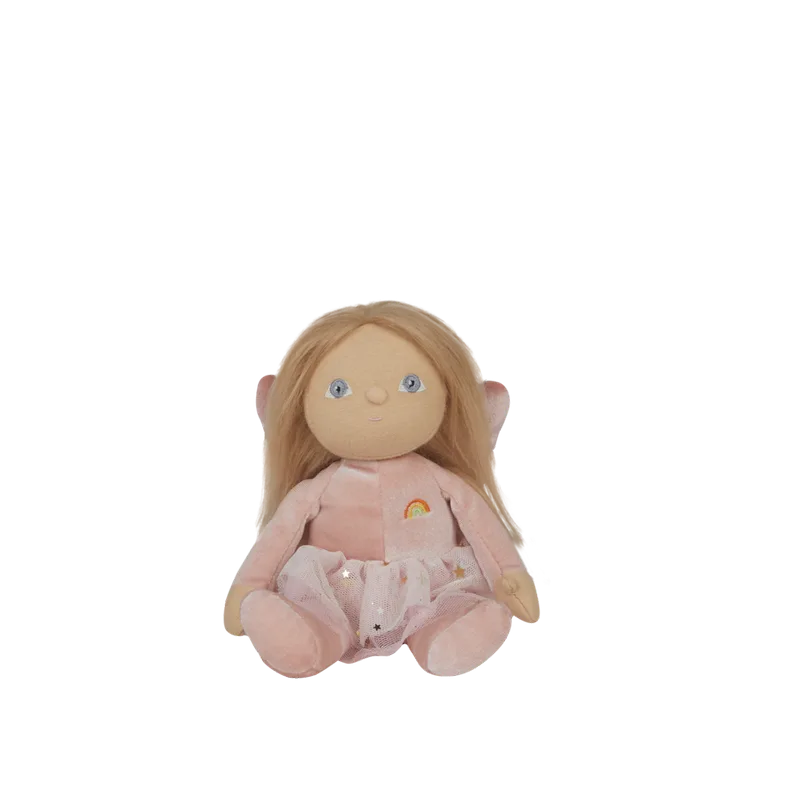
Dinky Dinkum Doll - Fairy Fiona
- Waldorf dolls: natural fibers, minimal features, handmade feel.
- Dinkum Dolls: soft, durable, expressive faces, safe for little hands.
Design and Expression
The design of a doll significantly impacts how children engage with it. Waldorf dolls are known for their simple, neutral expressions, which are believed to foster a child's imagination. Because the doll doesn't show a specific emotion, the child can decide whether the doll is happy, sad, or anything in between. This can be particularly beneficial for developing empathy and emotional intelligence.
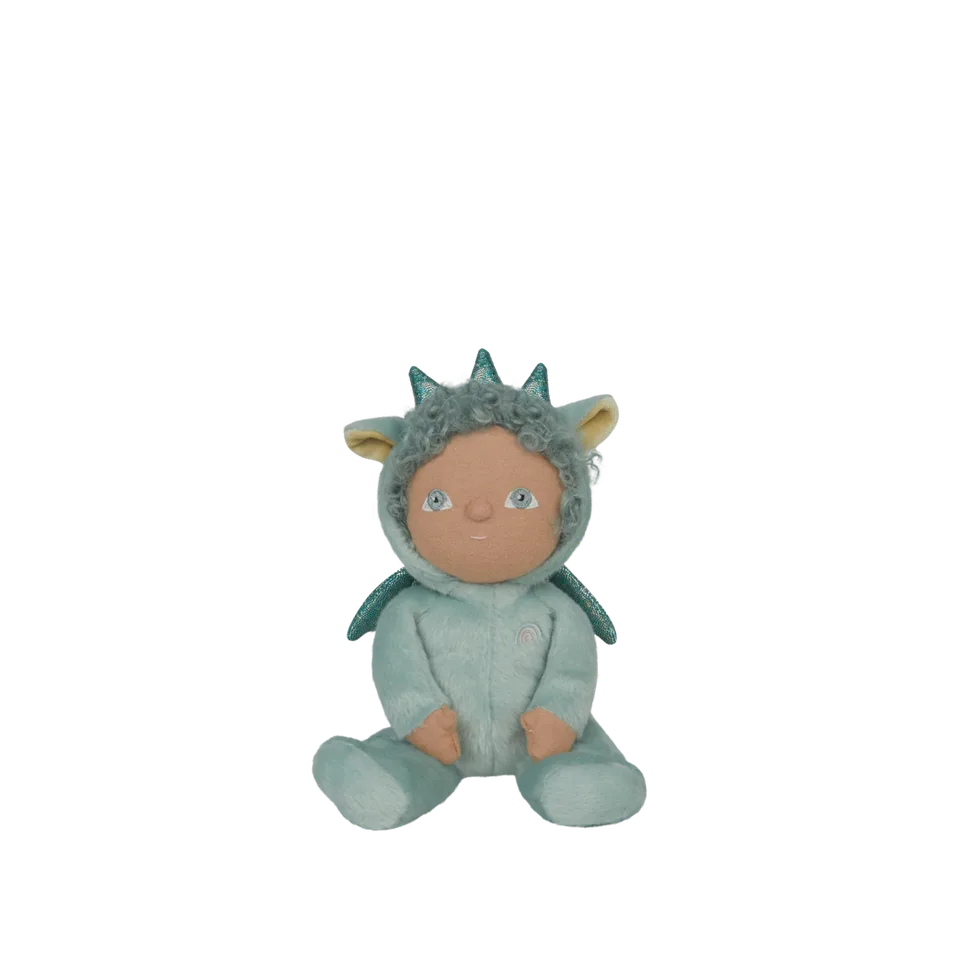
Dinkum Dolls, in contrast, have distinct personalities and expressions. Take the Dinky Dinkum Jules Jack-o'-Lantern, which brings a playful, festive vibe to playtime. These dolls often come with accessories and themes that encourage specific types of play, from everyday adventures to holiday celebrations. This can make it easier for children to start a story, but it might also limit some open-ended creativity. However, many parents find that the expressive faces help younger children connect emotionally with their dolls.
- Waldorf dolls: blank expressions encourage imaginative projection.
- Dinkum Dolls: expressive faces and themed characters inspire role-play.
Educational Value and Play Styles
Both types of dolls offer educational benefits, but they support different aspects of development. Waldorf dolls are often used in Waldorf schools to promote imaginative play, fine motor skills, and social-emotional learning. The simplicity of the dolls allows children to engage in deep, creative play that is self-directed. This aligns with the Waldorf philosophy of letting children learn through their own experiences.
Dinkum Dolls, with their diverse range of characters and accessories, also encourage imaginative play and storytelling. They can be used to teach social skills, such as sharing and caring for others. For instance, the Dress Me Dinky - Hazel Hawthorne comes with outfits that help children practice dressing skills and fine motor coordination. Additionally, Dinkum Dolls are designed to be collectible, which can teach children about responsibility and caring for their belongings. Both dolls can be valuable educational tools, but they cater to slightly different play styles.
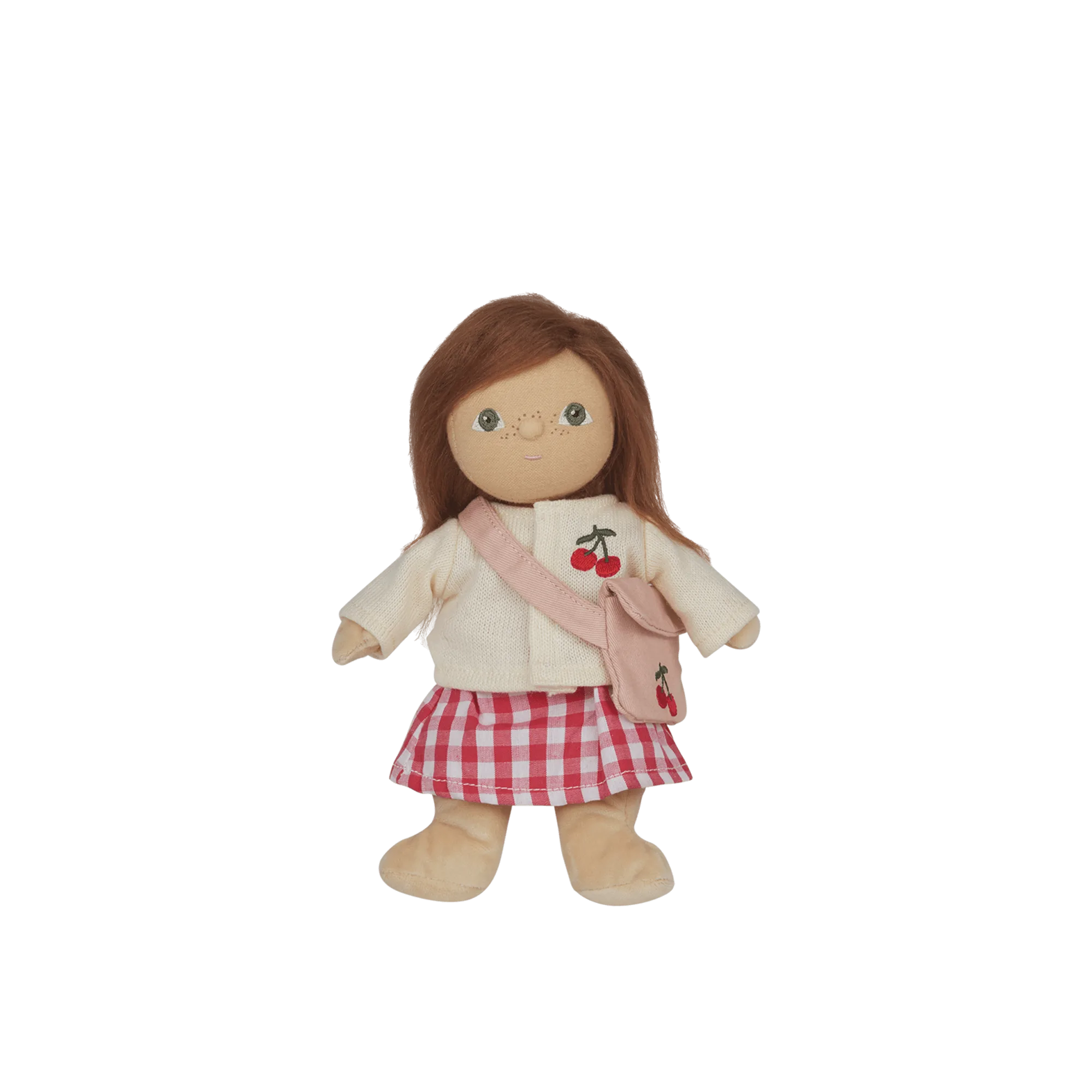
Dress Me Dinky - Hazel Hawthorne
- Waldorf dolls: self-directed, open-ended play; ideal for Waldorf education.
- Dinkum Dolls: themed play, skill-building with accessories, collectible.
Which Doll is Right for Your Child?
Choosing between a Dinkum Doll and a Waldorf doll ultimately depends on your child's personality and your family's values. If you prefer natural, minimalist toys that encourage open-ended imagination, a Waldorf doll might be the perfect choice. They are especially popular among parents who follow alternative education philosophies or want to reduce plastic in their homes.
On the other hand, if you're looking for a doll with more character and interactive possibilities, a Dinkum Doll could be ideal. With options like the Dozy Dinkums - Moppet for sleep time or the Cozy Dinkum - Bat Ozzie for a snuggle buddy, there's a Dinkum Doll for every mood. They are also great for children who enjoy themed play and collecting. Ultimately, both dolls foster creativity and emotional development, so you can't go wrong with either.
- Consider your child's play preferences: open-ended vs. themed.
- Think about material preferences and educational philosophy.
- Look at the range of characters and accessories available.
In the end, both Dinkum Dolls and Waldorf dolls have their unique strengths. Waldorf dolls offer natural simplicity and open-ended play, while Dinkum Dolls provide expressive characters and versatile play opportunities. If you're leaning toward a Dinkum Doll, explore the delightful Dinky Dinkum Lottie Lollipop, which brings a sweet and playful spirit to any collection. Whichever you choose, you'll be giving your child a wonderful companion for imaginative adventures.