Quick answer
For everyday use, choose a dinner plate set that balances durability, weight, and ease of care. Porcelain offers a classic look and good durability, while chip-resistant opal glass is lighter and more practical for busy households.
Material matters for daily wear
Porcelain dinner plates are fired at high temperatures, making them dense and resistant to chipping under normal use. They feel substantial and often have a refined appearance that works for both casual meals and entertaining. Stoneware is another common option—it’s slightly more porous and can develop a rustic patina over time, which some people love and others consider wear.
Opal glass plates are a different category: they are made from tempered glass that resists breakage and chipping. They are lighter than porcelain and can handle microwave and freezer use without cracking. The trade-off is a less premium feel and a simpler look, often limited to solid colors.
Size and shape fit your routine
Standard dinner plates are around 10 to 10.5 inches in diameter. That size works for most main courses and fits in standard cabinets. A lipped design—where the rim is slightly raised—helps contain sauces and prevents spills, which is useful for everyday meals. Flat plates without a rim are better for plating but can be messier for family dinners.
Consider how many plates you need. An 8-piece set (four dinner plates and four smaller plates) is a common starting point for a household of two to four people. If you entertain often, you may want a larger set or the ability to buy matching pieces later.
Care and cleaning expectations
Most porcelain and stoneware plates are dishwasher-safe, but hand washing extends their life. Opal glass is almost always dishwasher-safe and less likely to show scratches or wear over time. If you run the dishwasher daily, chip-resistant plates may be the more practical choice.
Check whether the set is microwave-safe. Many porcelain plates are, but some decorative metallic finishes are not. Opal glass typically is microwave-safe. Knowing your reheating habits helps narrow the options.
Decision rules for choosing a dinner plate set
- Match material to your lifestyle: If you have children or a busy kitchen, choose chip-resistant opal glass. If you prefer a classic look and don't mind heavier plates, choose porcelain or stoneware.
- Check dishwasher and microwave safety: Look for explicit dishwasher-safe and microwave-safe labels. Opal glass is usually safe for both. Some porcelain with metallic accents is not microwave-safe.
- Consider the set size and expandability: An 8-piece set covers a household of two to four. If you expect to add more pieces later, verify that the brand offers open stock or matching items. If you entertain often, buy a larger set now or confirm that additional pieces are available separately.
- Evaluate weight and feel: Heavier plates feel more substantial but can be tiring to handle. Lighter opal glass is easier for everyday use. Try to hold a sample if possible.
- Look at the rim design: A lipped or raised rim helps keep food on the plate and reduces spills. Flat rims are better for plating but less practical for messy meals.
Product highlights
-
Gibson Home Oslo 8-Piece Porcelain 10.5" Dinner Plate Set: The Gibson Home Oslo 8-Piece Dinner Plate Set is made from AB-grade porcelain with a lipped design. The lipped rim helps contain food and liquids, making it a practical choice for everyday meals where spills can happen.
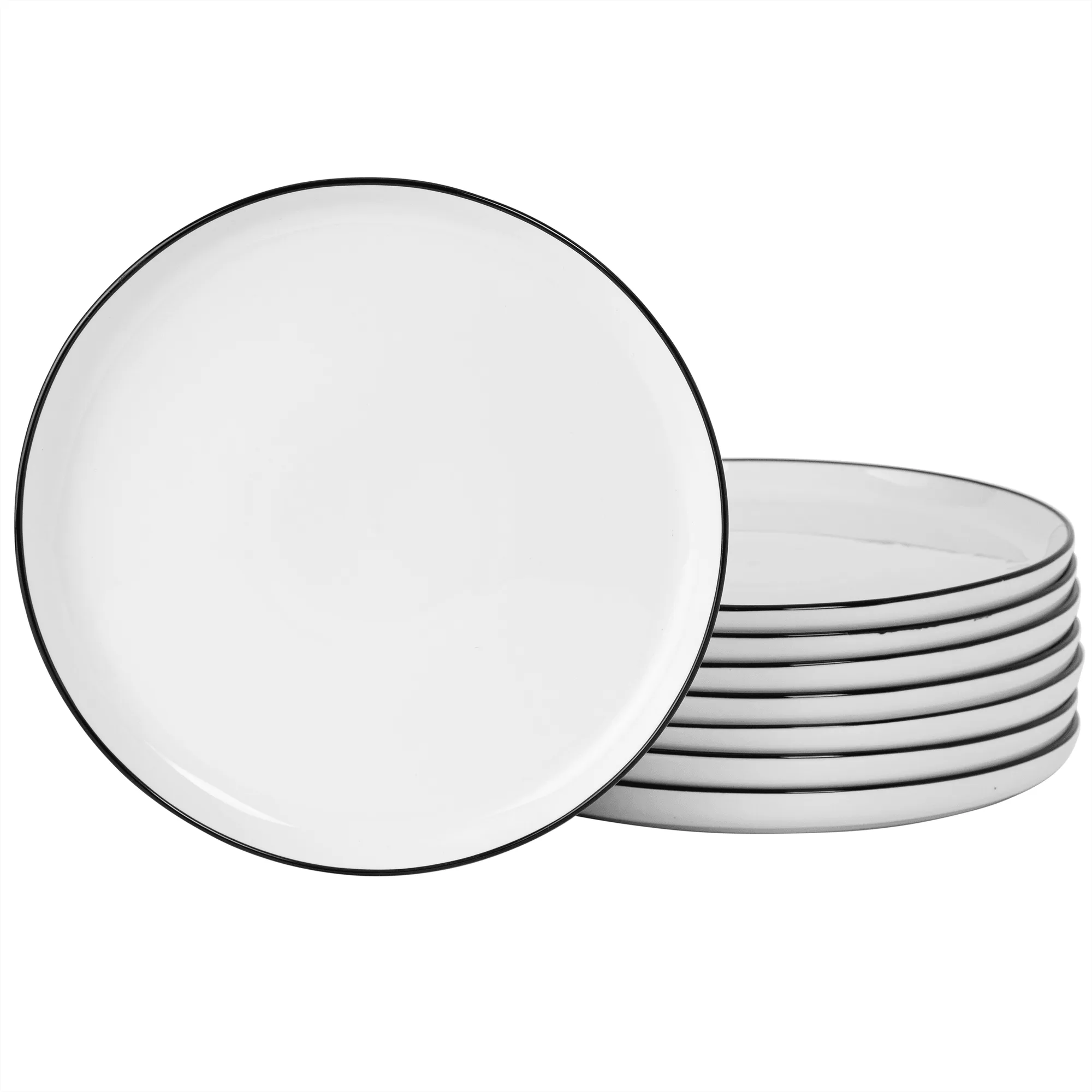
Gibson Home Oslo 8-Piece Porcelain 10.5" Dinner Plate Set
-
Bloomhouse - 2 Time Oprah's Favorite Things - Made in Portugal Hand Painted 10.8 Inch Dinner Plates Set of 4 - Porto Petals Floral Dish Set: The Bloomhouse Porto Petals set is made from sustainable clays fired into durable stoneware, with hand-painted floral motifs. If you want a decorative set that still holds up for daily use, this stoneware option offers artistic appeal without sacrificing durability.
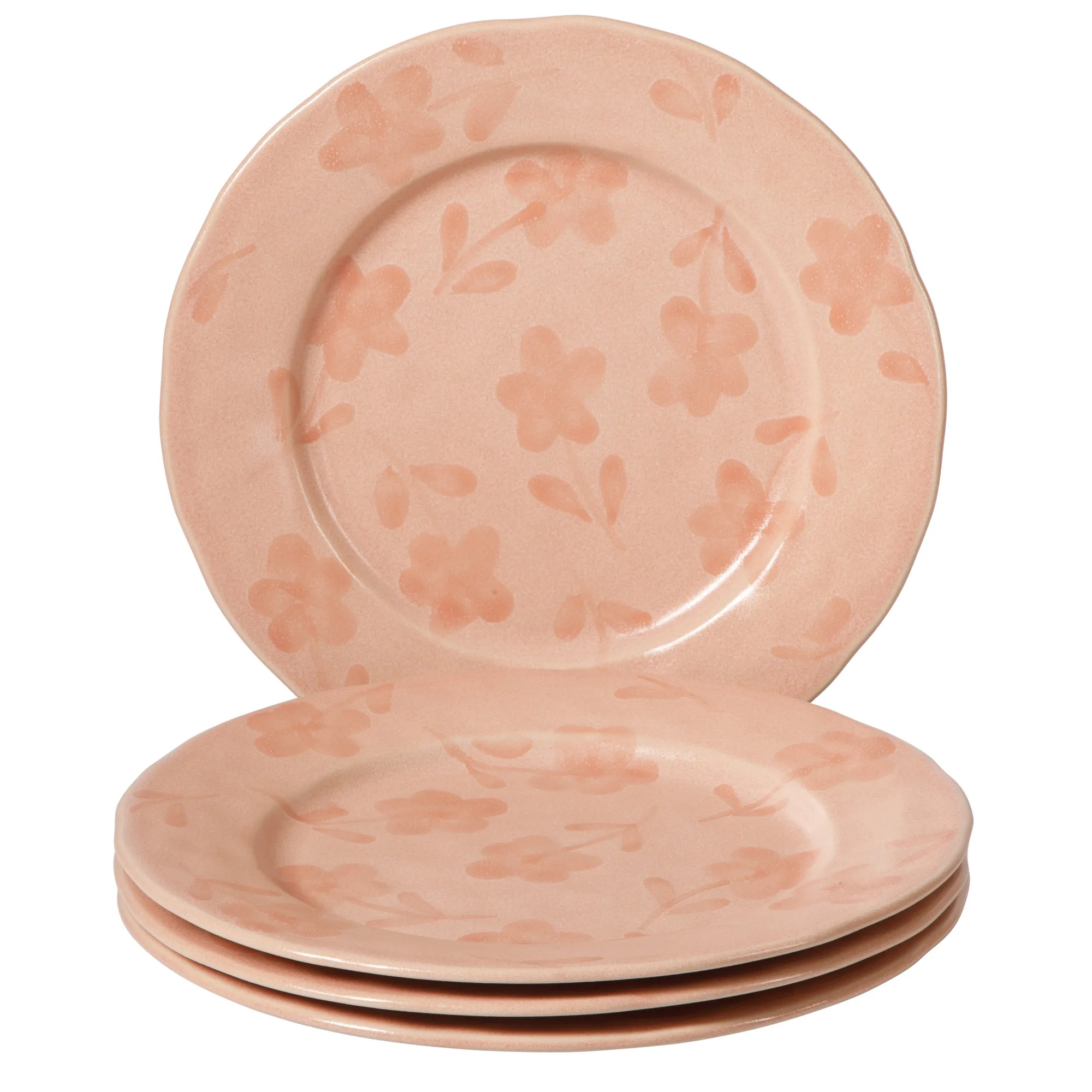
Bloomhouse - 2 Time Oprah's Favorite Things - Made in Portugal Hand Painted 10.8 Inch Dinner Plates Set of 4 - Porto Petals Floral Dish Set
-
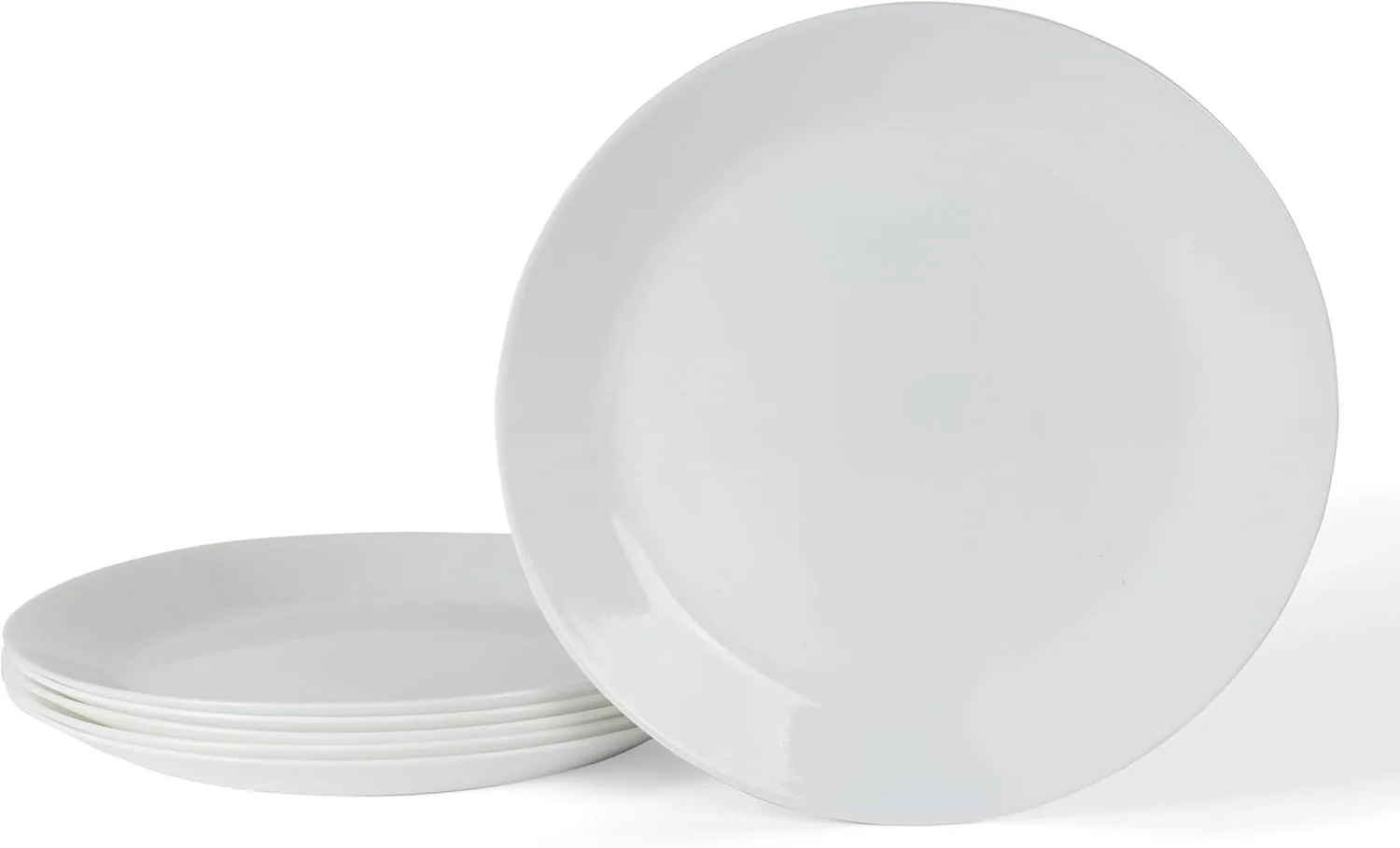
Martha Stewart Opalton 6 Piece 10 Inch Chip and Break Resistant Dinner Plates: Martha Stewart Opalton plates are made from opal glass that resists breakage, chipping, and cracking, with high thermal shock resistance. This set is ideal for households with children or heavy dishwasher use, as it withstands temperature changes and daily handling without damage.
Who should buy what
Best for
- Households with children or frequent dishwasher use: opal glass sets like Martha Stewart Opalton
- Those who want a balance of style and daily practicality: porcelain sets like Gibson Home Oslo
- People who value hand-painted artistry and don't mind stoneware weight: Bloomhouse Porto Petals
Not for
- Anyone who needs ultra-lightweight plates: opal glass is lighter than porcelain but heavier than melamine
- Those who prefer minimalist solid colors: Bloomhouse Porto Petals has floral patterns, not plain white