Quick answer
Start with one or two dinosaur toys and a simple routine: name the dinosaur, give it a job, and copy whatever your toddler does with it. Repeat the same short story for a week, then add one new prop. This keeps dinosaur toys for toddlers from becoming clutter and turns them into a daily imaginative play habit.
Why dinosaur toys work so well for toddler play
Dinosaurs are big, loud, and a little bit silly, which makes them easy for a toddler to act out without needing a lot of words. A child can stomp, roar, hide, and feed a dinosaur long before they can tell a story out loud. That is why dinosaur toys for toddlers often get picked up again and again while other toys sit on the shelf.
The learning happens in the doing. When a toddler moves a dinosaur to a pretend pond or makes it eat a pretend leaf, they are practicing motor control, cause and effect, and early language. You do not need a full dinosaur set to get these benefits. One sturdy dinosaur plus one everyday object, like a small blanket or a bowl, is enough to start dino pretend play.
Set up a small dino play space that invites pretend play
Pick a low, reachable spot, such as a floor mat, a low table, or the bottom shelf of a bookcase. Put two or three dinosaur toys there and nothing else. A crowded bin makes toddlers dump and walk away. A small, clear setup makes them stay and play.
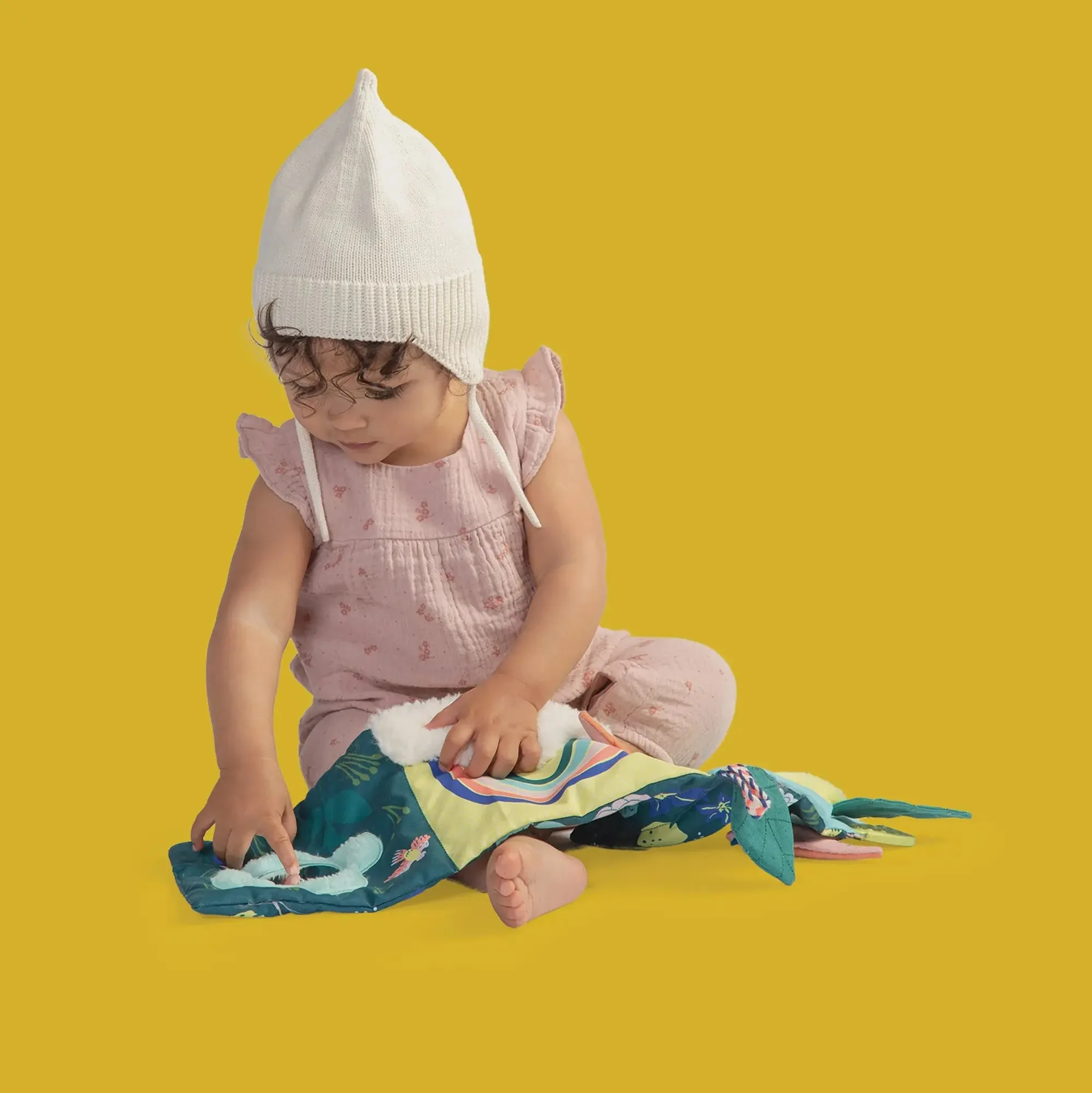
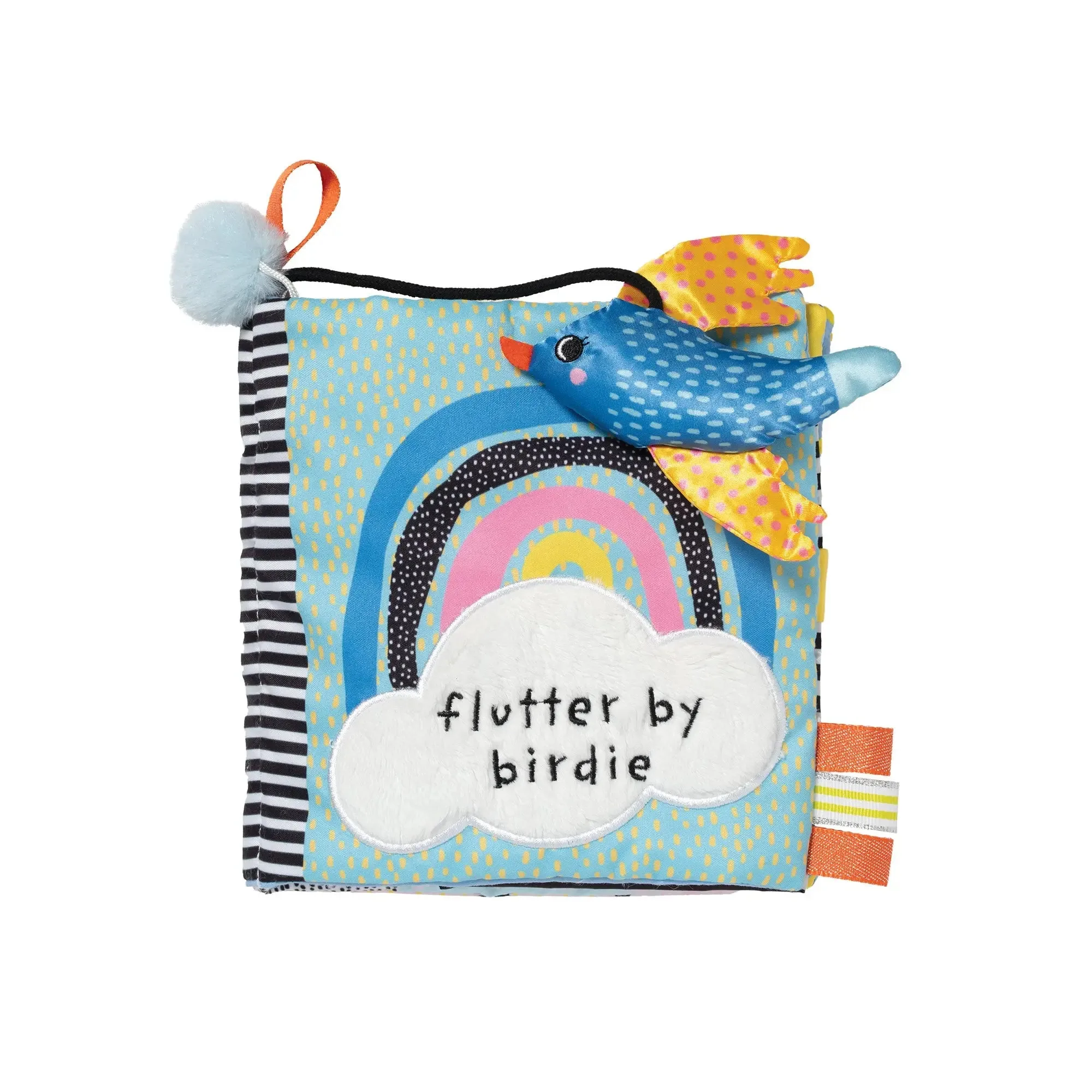
Add one open-ended prop that can become anything: a small blanket, a shallow bowl, or a soft block. Avoid props with only one use, because they limit imaginative play. If you want a prop that fits a toddler's hands and travels well, a soft activity book can double as a dinosaur story page or a pretend pond. The Songbird Activity Book has a tethered crinkle bird and a baby-safe mirror, which gives a toddler something to grab and turn while you narrate the dinosaur's day.
Use a repeatable dino pretend play routine
Toddlers learn best through repetition, so keep the same three beats: the dinosaur wakes up, the dinosaur goes somewhere, and the dinosaur goes to sleep. Say the beats out loud in short sentences. On day one, you do most of the talking. By day four, pause before the last word and let your toddler fill it in.
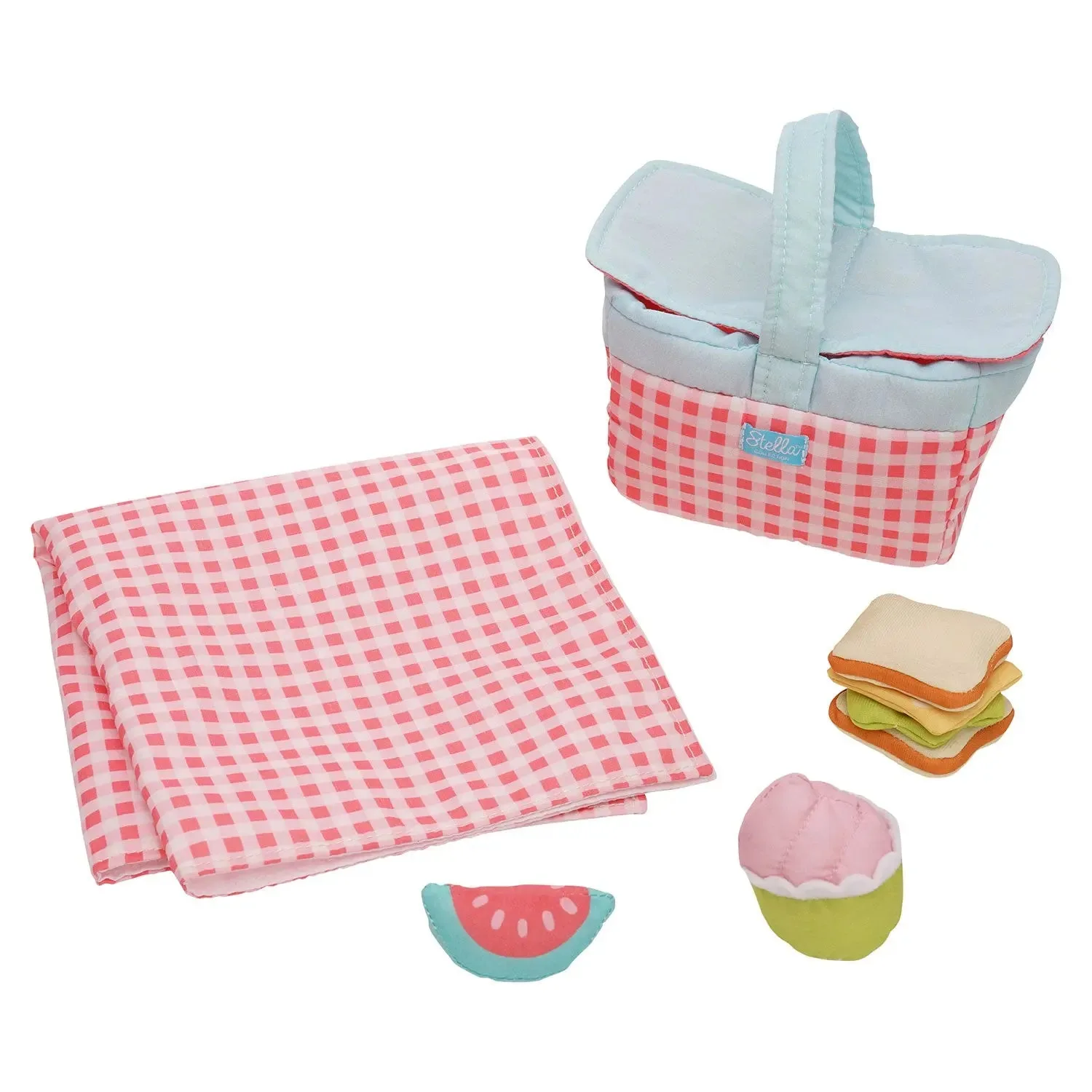
If your toddler changes the story, follow them. If the dinosaur suddenly wants a cupcake instead of a leaf, that is imaginative play working. Your job is to narrate what they do, not to correct it. This is also where a simple accessory can extend the story without adding screen time. The Stella Collection Picnic is a five-piece set with a picnic basket, checkered blanket, pretend sandwich, cupcake, and watermelon slice, and it fits both 12-inch and 15-inch Stella dolls. You can use the blanket and food pieces as dinosaur picnic props, which turns one toy into a new scene.
Build language while you play
Narrate actions in short phrases: 'Dino is hungry.' 'Dino is stomping.' 'Dino is hiding.' Then wait. A three-second pause gives a toddler time to answer or act. Do not quiz them or ask them to perform. The goal is conversation, not a test.
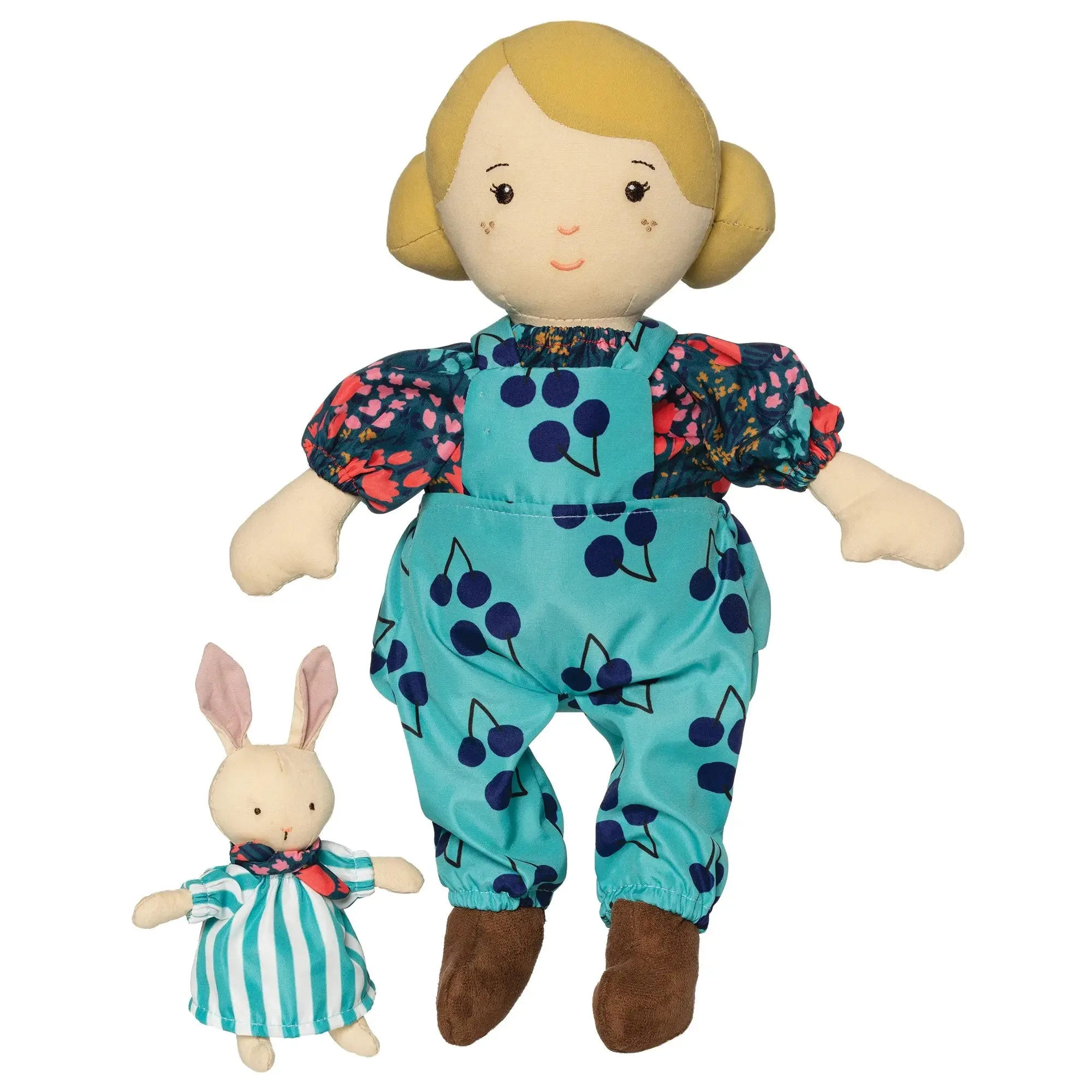
Repeat the same words across different toys and settings so they stick. If your toddler is playing with a soft doll, you can say, 'Ollie is hungry too,' and bring the dinosaur over to share a pretend snack. This kind of cross-toy play is a strong sign that imaginative play dinosaurs are doing their job.
Keep the play safe and manageable
Check dinosaur toys for loose parts, sharp edges, or small pieces that can come off. For toddlers under three, stick to one-piece toys or toys with securely attached parts. If a toy has a teether or a mirror, check it before each play session and wash soft fabric toys according to the care label.
Rotate toys instead of piling them up. Keep two or three dinosaur toys out and store the rest. When you bring a stored toy back after a week or two, it feels new again. This also makes cleanup faster, which matters when a toddler's attention span is short.
A 5-step dinosaur play routine for toddlers
- Step 1: Pick one dinosaur and one prop: Choose a single dinosaur toy and one open-ended object, such as a small blanket or a bowl. Place them in a low, reachable spot. Common mistake: putting out a whole bin of dinosaurs at once, which leads to dumping instead of playing. Checkpoint: your toddler can reach both items without help.
- Step 2: Name the dinosaur and give it a job: Say the dinosaur's name and one job, like 'Dino is hungry' or 'Dino is sleepy.' Use the same two or three phrases for several days. Common mistake: changing the story every day before your toddler has learned the first one. Checkpoint: your toddler looks at or touches the dinosaur when you name it.
- Step 3: Copy your toddler's action: When your toddler moves the dinosaur, do the same movement with your hand or a second toy and describe it. Common mistake: directing the play instead of following it. If your toddler makes the dinosaur jump, you make it jump too. Checkpoint: your toddler repeats an action after you copy it.
- Step 4: Add one new prop after a few days: Once the routine feels familiar, add one prop that changes the scene, such as a blanket for a picnic or a soft book for a pond. Common mistake: adding several props at once, which scatters attention. Add one, play with it for a few days, then add another. Checkpoint: your toddler uses the new prop in the story without prompting.
- Step 5: End with a wind-down and reset: Finish the story with the dinosaur going to sleep, then put the toys back in the same spot together. Common mistake: skipping the reset, which makes the next play session start with a mess. A short, consistent ending helps toddlers transition out of play. Checkpoint: your toddler helps put at least one item back.
Toys that support dinosaur pretend play
- Stella Collection Picnic: Five-piece picnic set with a picnic basket with hinged lids, a checkered blanket, a pretend sandwich, a cupcake, and a watermelon slice; compatible with both 12-inch and 15-inch Stella dolls. The blanket and food pieces can become a dinosaur picnic scene, so one accessory set adds a new story beat to dino pretend play without buying more dinosaur figures.
- Playdate Friends Ollie: Soft doll with a built-in onesie, a removable two-piece outfit and shoes; machine washable and dryer safe. A washable soft doll can join the dinosaur story as a friend or a caretaker, and it survives the messy, hands-on play that toddler dinosaur activities usually involve.
- Songbird Activity Book: Folding soft book with a tethered-on crinkle bird, colorful illustrations, a squeaker, a baby-safe mirror, engaging textures, and a silicone corner teether; safety rated for newborns and up. The crinkle bird and mirror give a toddler a grab-and-turn prop that can stand in for a dinosaur egg or a pond, which supports motor development and cause-and-effect learning during dino pretend play.