Quick answer
Choose dinosaur toys if your child loves facts, sorting, and real-world science. Choose dragon toys if your child prefers open-ended storytelling and imaginary worlds. Many kids enjoy both, so you can start with one and add the other as interests grow.
Dinosaurs and dragons both spark big imaginations, but they ask different things of a child. Dinosaur toys usually reward curiosity about real animals and prehistoric timelines. Dragon toys invite kids to invent rules, heroes, and adventures from scratch. Knowing which type of play your child gravitates toward makes toy shopping much easier.
This comparison looks at how dinosaur toys for kids and dragon toys for kids differ in realism, play pattern, and age fit. We use specific examples from our catalog, including the American Mastodon Toy and the EUGY Tiki 3D Puzzle, to show what those differences look like in practice. You will also find guidance on when to choose one over the other, or when to combine both.
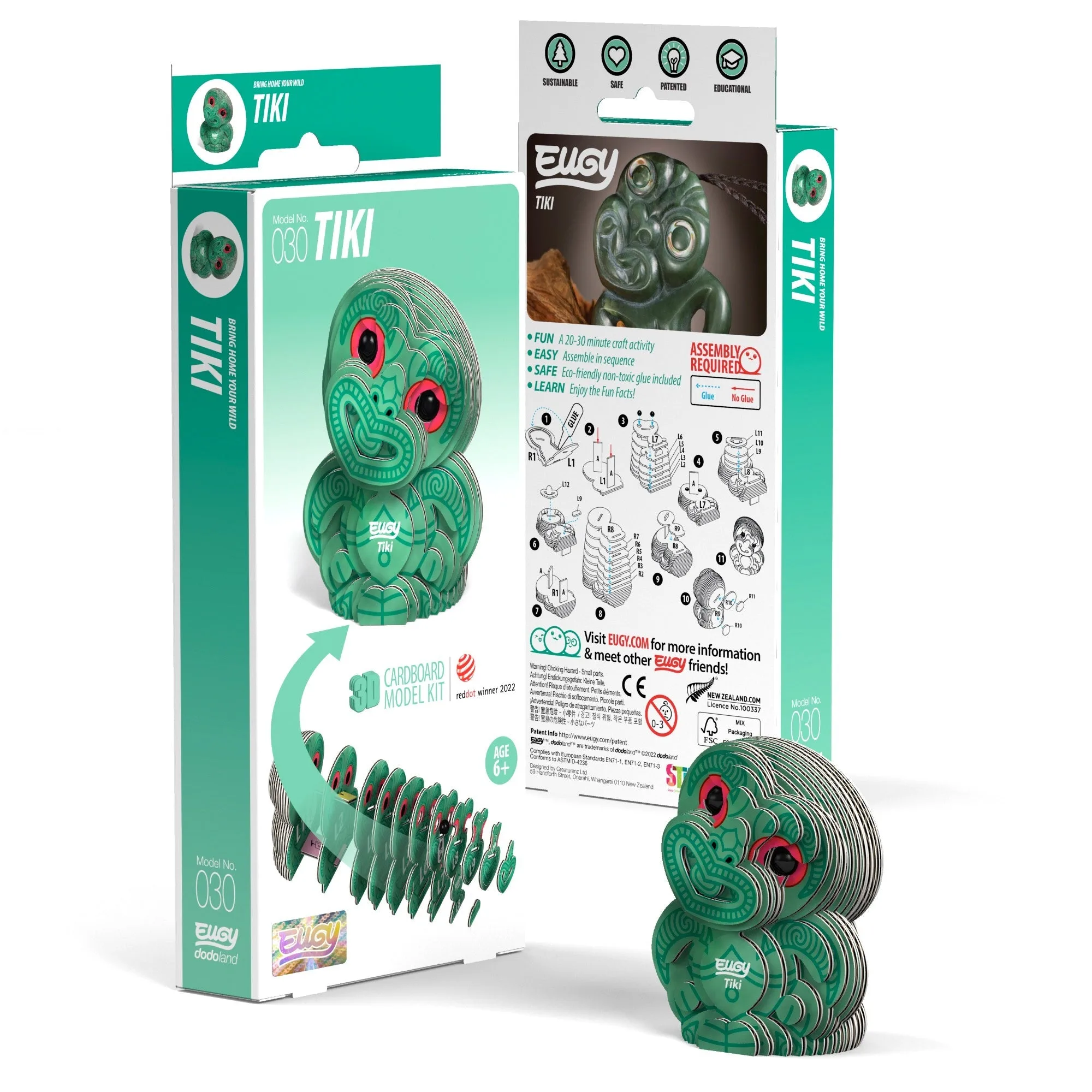
EUGY Tiki 3D Puzzle
Realism vs. imagination: the core difference
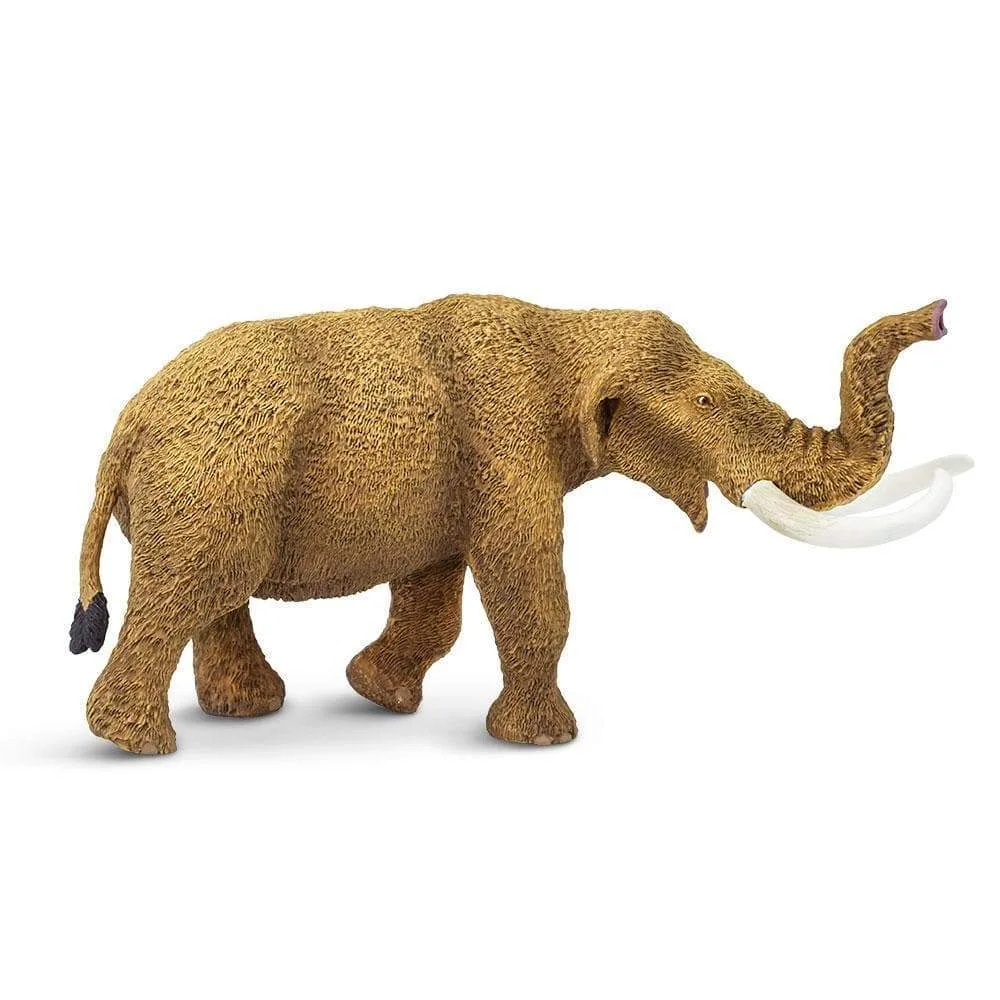
Dinosaur toys are typically grounded in paleontology. Figures like the American Mastodon Toy are sculpted to reflect real prehistoric animals, and their packaging or descriptions often include scientific names and history. That grounding gives kids a starting point for factual play: comparing sizes, sorting by era, or acting out extinction events. Dragon toys, by contrast, are not bound to any real animal. They may borrow from mythology, but their appeal is that they can be anything a child needs them to be.
This difference shapes how long a toy stays in rotation. A dinosaur figure often keeps its value as a reference object even after the initial novelty wears off, because it can be used for school projects or museum-style displays. A dragon toy tends to stay in rotation as long as the child's story world is active. Neither is better; they simply serve different play needs.
- If your child asks 'what was its real name?' often, lean toward dinosaur toys.
- If your child invents names and backstories without prompting, lean toward dragon toys.
Play patterns: collecting and sorting vs. storytelling
Dinosaur toys naturally support collecting and categorizing. Kids line them up by period, group them by diet, or compare features. This is why dinosaur toys for kids often work well alongside educational toys and science kits. The American Mastodon Toy, for example, is a single figure that can anchor a small prehistoric collection. Dragon toys, meanwhile, are often used as characters in a narrative. A dragon might guard a treasure, negotiate with a knight, or protect a village.
The storytelling angle makes dragon toys a strong fit for pretend play and fantasy creature toys in general. They pair well with playsets, building blocks, and craft supplies. If your child likes to build a world and then populate it, dragons offer more flexibility because they do not have to follow real-world rules.
- Dinosaur toys pair well with fact books, timelines, and sorting trays.
- Dragon toys pair well with building blocks, play silks, and drawing supplies.
Age fit and safety considerations
Both dinosaur and dragon toys come in a wide range of sizes and materials. For toddlers, look for chunky, rounded figures with no small parts. For preschoolers, slightly more detailed figures work well as long as they are sturdy. For early elementary kids, smaller collectible figures and 3D puzzles become appropriate. The EUGY Tiki 3D Puzzle is a good example of a collectible that suits kids who are ready for focused assembly, typically around age 6 and up, and it takes 10 to 20 minutes to build.
Safety is less about the creature type and more about the specific product. Check the manufacturer's age recommendation, look for non-toxic paints or food-grade materials where relevant, and avoid toys with loose parts for children who still mouth objects. If a product does not list a specific safety certification, treat that as a decision limitation and ask the retailer before buying.
- For under 3, choose large, single-piece figures with no detachable parts.
- For 6+, 3D puzzles and detailed collectibles add a building challenge.
Collectibility and long-term value
Dinosaur toys often appeal to collectors because they represent real species and can be organized into a complete set. The American Mastodon Toy, for instance, was voted best prehistoric animal toy figure of 2018 by Prehistoric Time Magazine, which gives it a documented place in a collection. Dragon toys can also be collectible, especially when they come in themed series or limited designs. The EUGY line includes over 90 designs, so a child can build a collection over time.
Long-term value depends on how your child uses the toy. A dinosaur figure may stay on a shelf as a reference piece for years. A dragon toy may be played with until the story ends and then passed on. If you are buying for a collector, prioritize accurate sculpting and documented details. If you are buying for active play, prioritize durability and size.
- Collectors: look for scientific names, artist credits, and series continuity.
- Active players: look for solid construction and easy-to-clean surfaces.
Trade-offs to weigh before you buy
- Factual grounding vs. open-ended freedom: Dinosaur toys come with real names, eras, and diets, which supports learning but can feel limiting if your child wants to invent. Dragon toys have no fixed rules, which supports creativity but may leave fact-seeking kids wanting more structure. Match the toy to whether your child asks 'is it real?' or 'what if?'
- Collection continuity vs. standalone play: Dinosaur lines often form a set based on real taxonomy, so adding figures feels like completing a museum. Dragon toys are more likely to be standalone characters, so each purchase is its own story rather than a piece of a larger factual set. Choose dinosaurs for set-building; choose dragons for one-off characters.
- Assembly and complexity: Some dinosaur figures are ready to play right out of the package, while 3D puzzles like EUGY require 10 to 20 minutes of assembly. That assembly can be a plus for kids who like building, but a barrier for kids who want to play immediately. Consider attention span and fine motor skills before choosing a puzzle-based toy.
Product facts that show the difference
- American Mastodon Toy: Voted best prehistoric animal toy figure of 2018 by Prehistoric Time Magazine. The American mastodon split from other Proboscidea around 25 million years ago and went extinct about 11,000 years ago. Gives kids a real prehistoric animal to research and compare, supporting factual play and collection building.
- EUGY Tiki 3D Puzzle: A 3D puzzle that can be assembled in 10 to 20 minutes, eco-friendly, and part of a line with over 90 designs. It is a collectable toy great for STEM concepts and craftable fun. Offers a build-and-display experience that bridges crafting and collecting, appealing to kids who like hands-on projects.
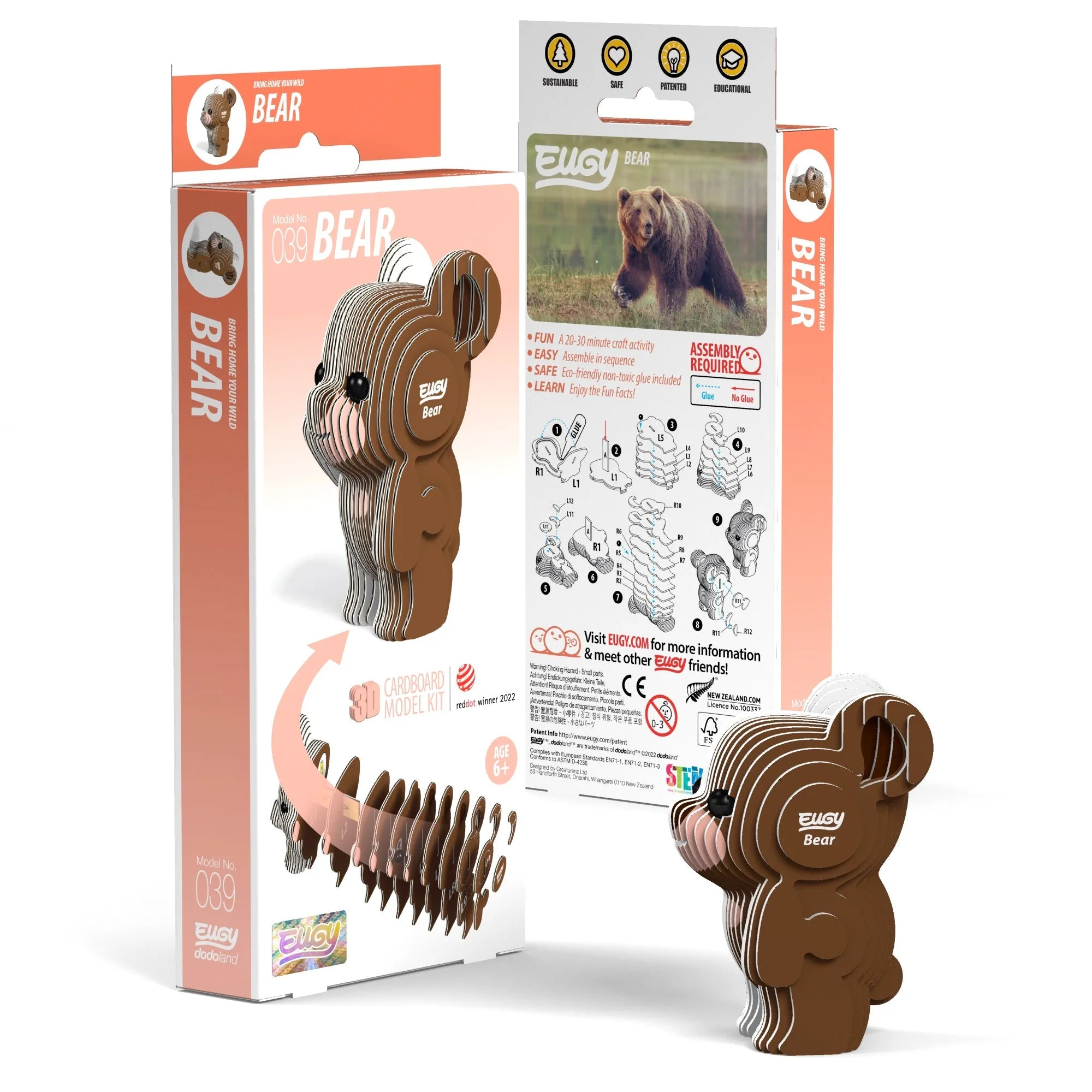
- EUGY Bear 3D Puzzle: A 3D puzzle that can be assembled in 10 to 20 minutes, eco-friendly, and part of a line with over 90 designs. It is a collectable toy great for STEM concepts and craftable fun. Shows that the EUGY format extends beyond fantasy creatures, so it can grow with a child's interests.
Which one fits your child?
Best for
- Kids who love facts, sorting, and real-world science
- Children building a collection with a clear theme
- Families who want toys that double as learning tools
Not for
- Kids who prefer pure fantasy and inventing their own rules
- Children who want a single character to anchor pretend play
- Shoppers looking for toys with no assembly required
Dinosaur toys and dragon toys both earn their place in a toy box, but they serve different kinds of play. If your child leans toward facts and collecting, start with dinosaur figures like the American Mastodon Toy. If imagination and storytelling lead the way, dragon toys or buildable creatures like the EUGY Tiki 3D Puzzle may fit better. You can always mix both as interests grow.