Quick answer
Choose a small candle for short, frequent burns in a bedroom or bathroom, a classic candle for a living room or dinner table, and a very large five-wick candle for open, high-ceilinged spaces. If you want a low-commitment first step, start with the small Baies; if you want a statement piece, the Tubéreuse very large candle is the one to plan around.
What the Diptyque formats actually mean
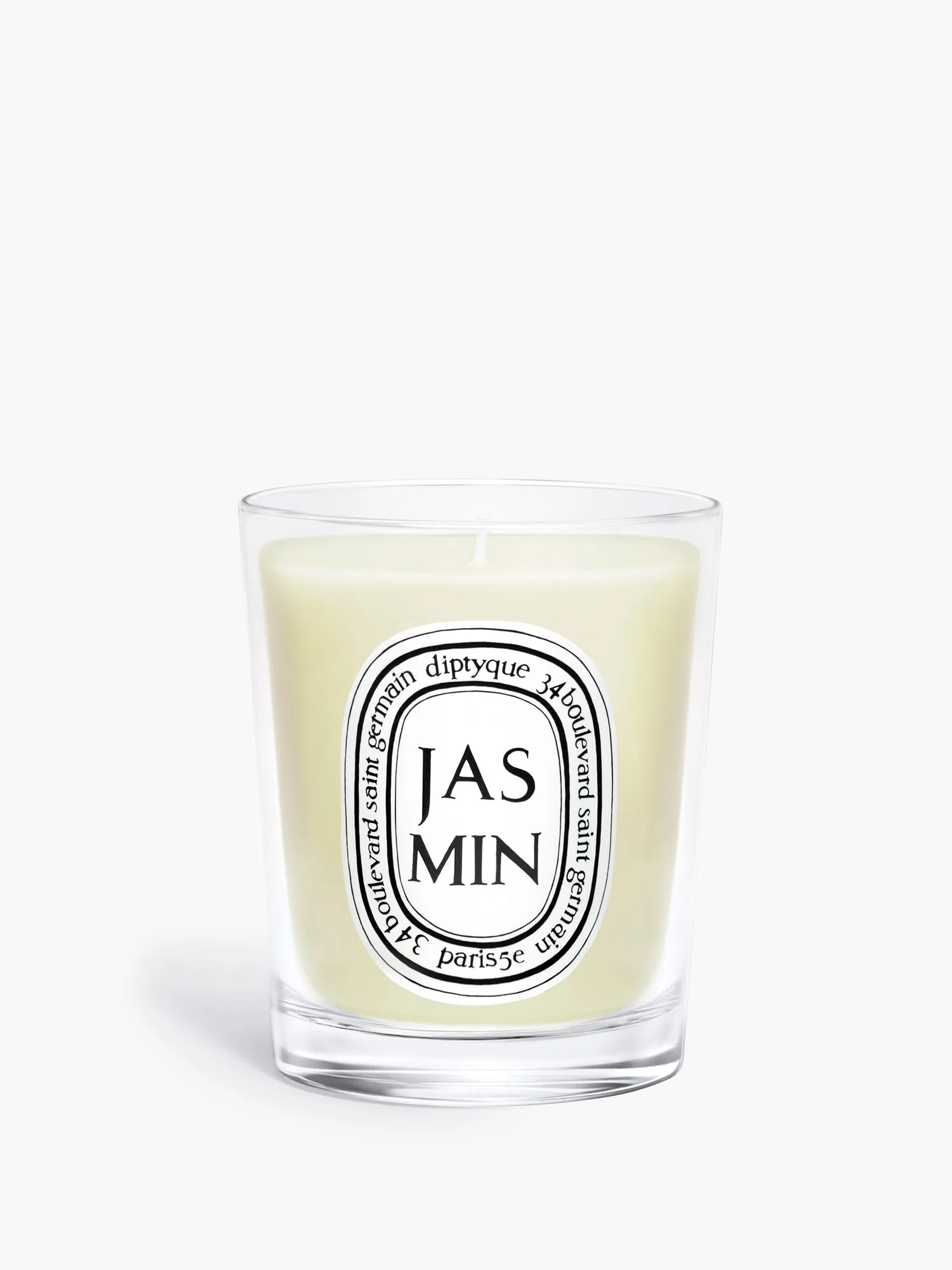
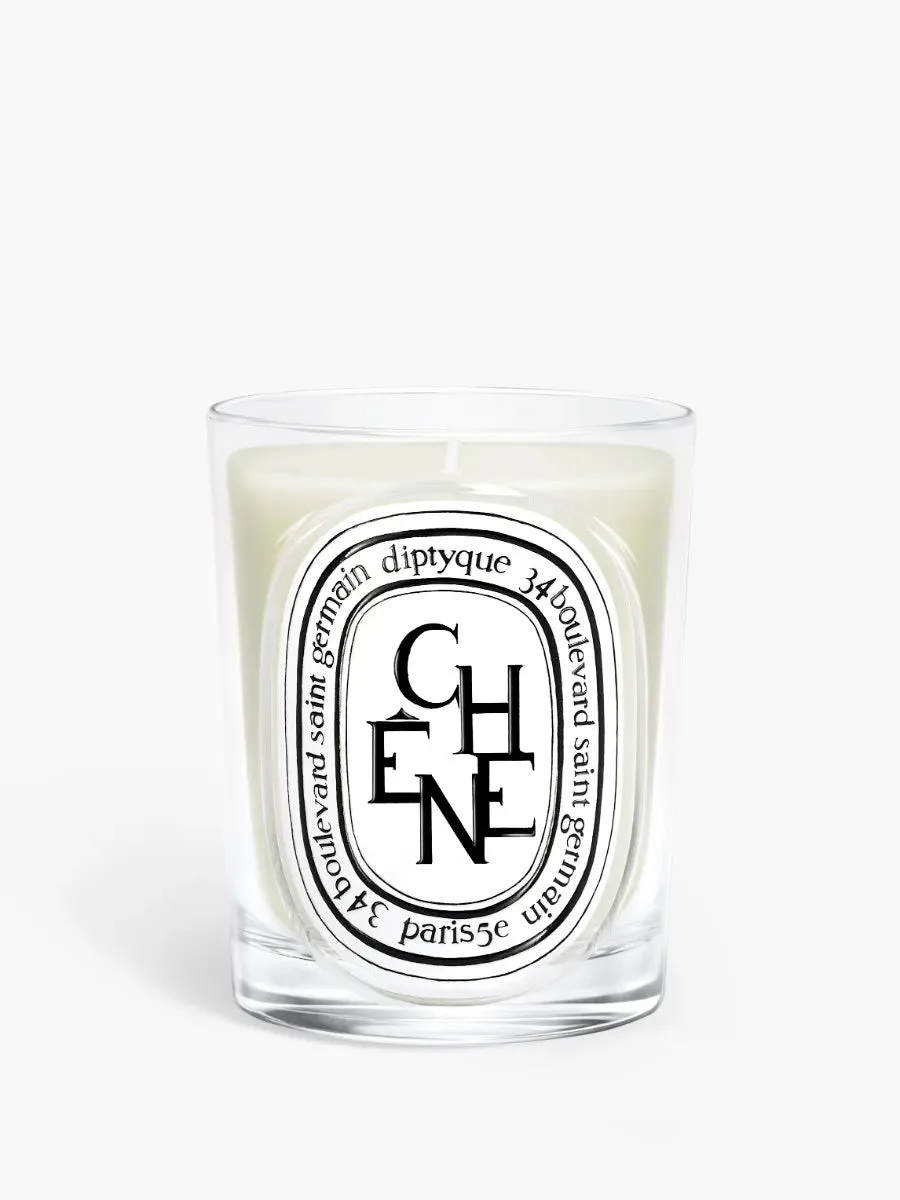
Diptyque organizes its candles by format rather than by a single numbered size. The small model is the most compact scented candle in the range, the classic model is the standard household format, and the very large model is a multi-wick piece designed for scale. A miniature candle also exists as an entry format, but it is best treated as a discovery or gift size rather than a room-scenting workhorse.
Because the catalog does not list burn times or exact dimensions for every format, do not choose by a single number. Choose by the job the candle has to do: how large the room is, how long you tend to burn, and whether you want the candle to be part of the decor.
Small vs medium Diptyque candle: the practical split
The small vs medium Diptyque candle question usually comes down to burn style. A small candle suits short sessions: a bath, a bedside wind-down, a guest bathroom. A classic or medium format gives you more wax and a wider surface, so it holds a scent longer in a living room or dining area without needing constant replacement.
The Baies small model is a good example of the small format's role: the catalog describes it as a small format with the presence of a large bouquet, with the tart blackcurrant and rose accord in the wax. That makes it a sensible way to test a scent family before committing to a larger format.
When the very large candle earns its place
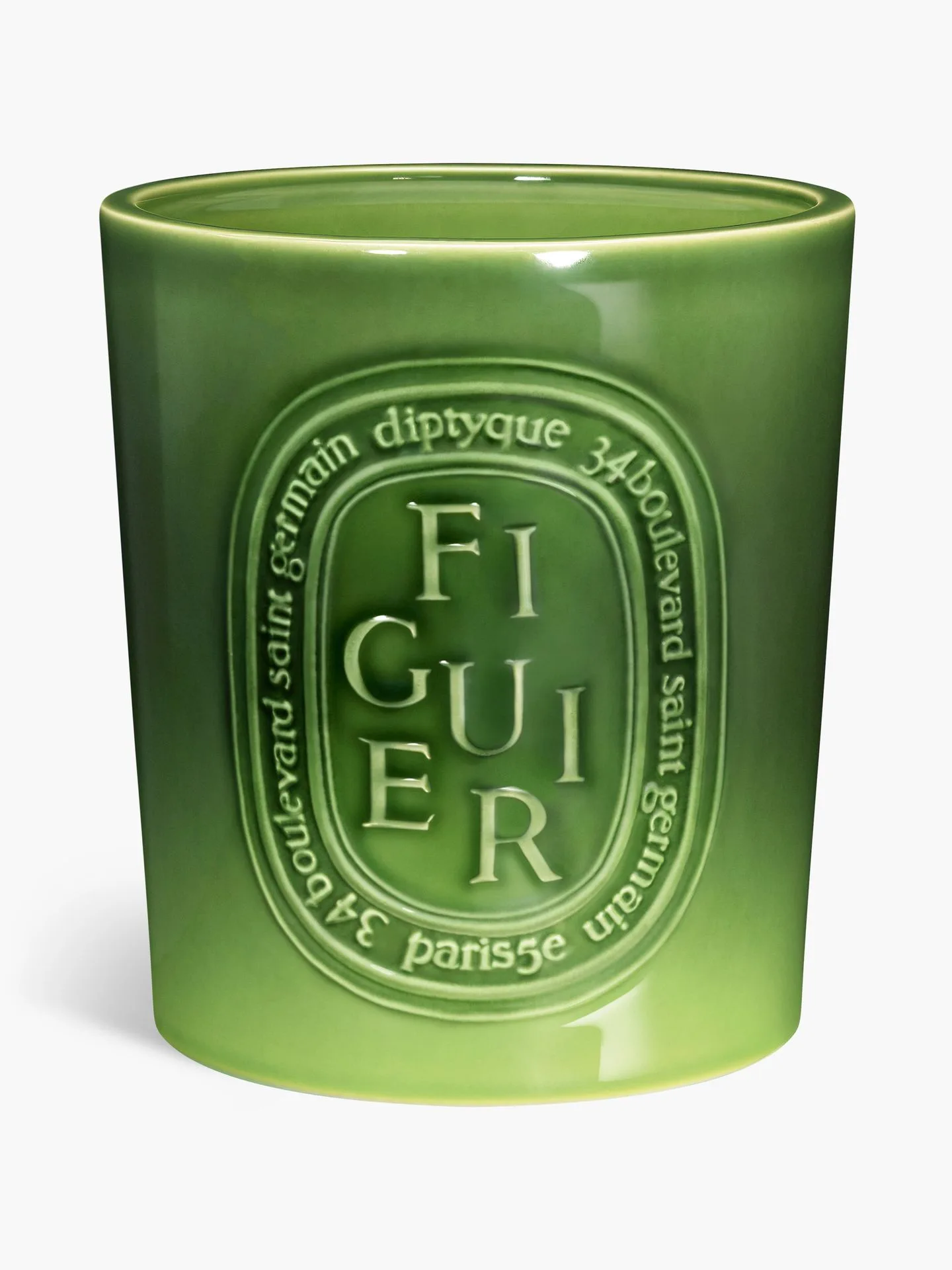
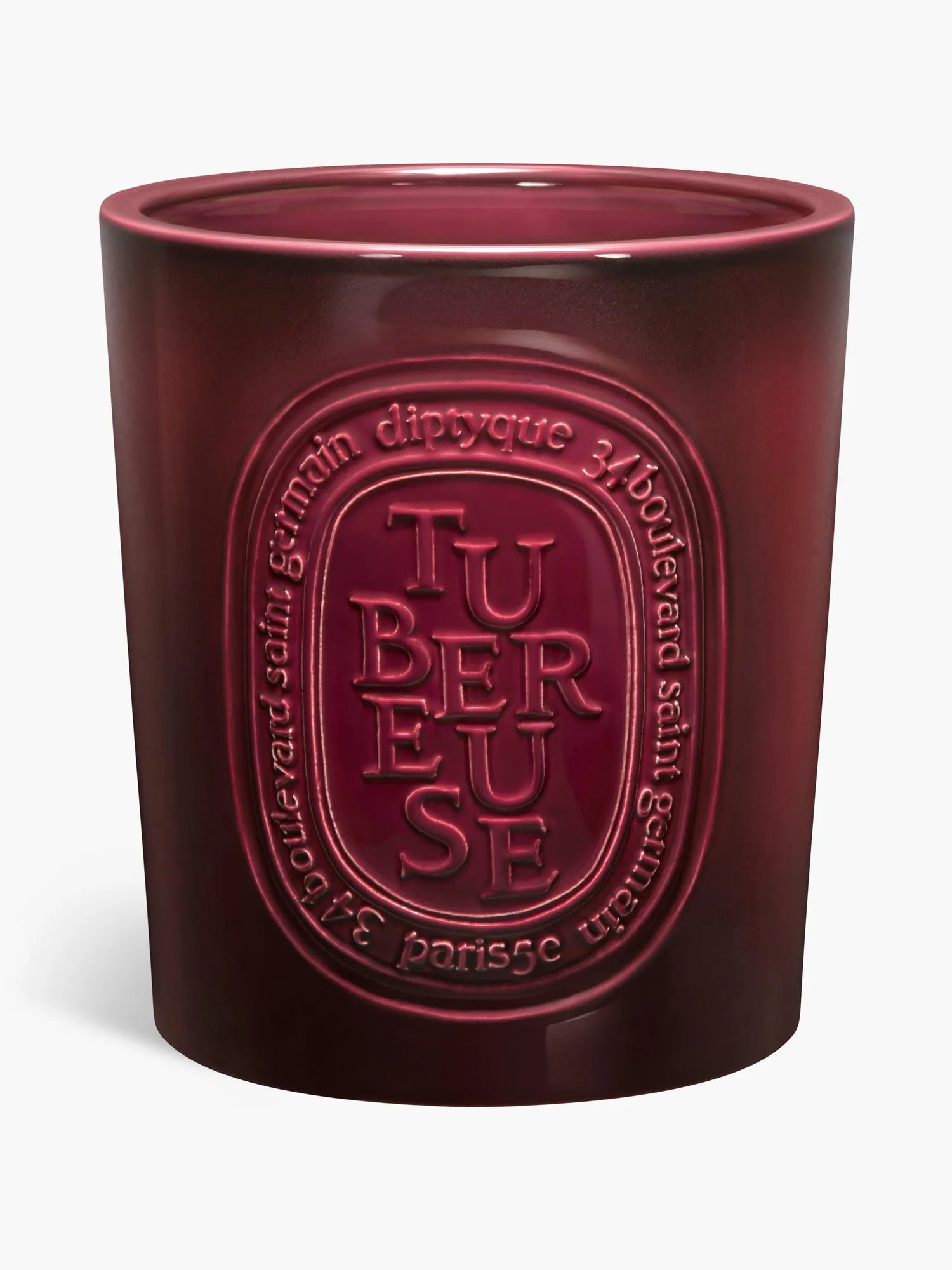
A Diptyque very large candle is not simply a bigger version of the classic. The Tubéreuse very large model uses five wicks to express the heady white-floral scent, which changes how it burns and how it scents a room. Five wicks mean a wider melt pool and more scent throw, so this format belongs in open-plan living areas, entry halls, or rooms with high ceilings where a single-wick candle would struggle.
The trade-off is commitment: a very large candle asks for longer burn sessions to avoid tunneling and takes up more surface space. If you tend to light a candle for 30 minutes, the very large format is the wrong tool.
Miniature candle Diptyque: what it is really for
The miniature candle Diptyque format is best understood as a sampler or a gift. It lets you live with a scent for a short period without dedicating shelf space to a full-size vessel. It is not the format to buy if your goal is to scent a room consistently; for that, move up to the small or classic model.
Use the miniature to decide whether a floral, fruity, or green profile fits your home, then buy the larger format in the same family.
Candle dimensions and the space question
Diptyque candle dimensions are not published for every format in the supplied catalog, so treat any exact measurement you see elsewhere with caution. Instead, match format to room by footprint and wick count: a small candle fits a shelf or bath ledge, a classic candle anchors a coffee table, and a five-wick very large candle needs a stable, heat-safe surface with clearance around it.
If a candle is going on a lacquered or painted surface, use a holder or tray. The Couvercle Baies, hand-shaped by an Italian master glassmaker, is designed for the classic model and preserves the fruity-floral accord when the candle is not lit.
Decision rules for picking a Diptyque candle size
- If you burn for under 30 minutes at a time: Choose the small model, such as Baies small, rather than a classic or very large candle. Short sessions and large formats lead to tunneling and wasted wax.
- If the room is your main living or dining space: Choose the classic model, such as Freesia, and add the Couvercle Baies if you want to preserve the scent between burns. The classic format is the default for everyday room scenting.
- If the room is open-plan or has high ceilings: Choose the very large five-wick Tubéreuse and plan longer burn sessions. More wicks mean more scent throw, but also more commitment.
- If you are unsure about the scent: Start with a miniature or small format before buying a classic or very large candle. Test the scent family cheaply, then scale up.
Product facts that shape the choice
- Tubéreuse - Bougie très grand modèle: A five-wick very large candle expressing the heady scent of tuberose, a white flower with a long, slender stem. Five wicks create a wide melt pool and stronger scent throw, so this format suits large, open rooms rather than small closed spaces.
- Baies - Bougie petit modèle: A small-format candle holding the tart blackcurrant and rose accord of Baies, described as a small format with the presence of a large bouquet. The small format is the low-commitment way to try a scent and works well for short burns in bedrooms or bathrooms.
- Couvercle Baies - Pour bougie modèle classique: A hand-shaped glass lid made by an Italian master glassmaker for the classic candle, designed to preserve the fruity-floral Baies accord. If you choose the classic format, the lid protects the wax and scent between burns and turns the candle into a finished object.
- Freesia - Bougie modèle classique: A classic-model candle with a delicate yet heady spring scent, finished with a peppery touch. The classic format is the standard living-room size, so this is the format to choose when you want a single candle to scent a main room.
Which Diptyque candle size fits your home
Best for
- Small format: bedrooms, bathrooms, and short evening burns
- Classic format: living rooms, dining tables, and everyday scenting
- Very large format: open-plan spaces, entry halls, and high ceilings
Not for
- Very large candle: small closed rooms or brief burns
- Small candle: large open rooms where you want a strong, persistent scent
- Miniature: anyone looking for a long-term room-scenting solution