Quick answer
Clean your child's direct mount chainring every 10-15 rides or after wet, gritty conditions, and inspect it at the same time. Look for worn, hooked, or broken teeth and chain suck; if you find them, replace the ring. For most kids bikes with 135mm or 142mm rear spacing, choose a 6mm offset ring; for Boost 148mm, choose 3mm.
Why direct mount chainring care matters on kids bikes
Direct mount chainrings are common on modern kids bikes because they save weight and simplify the drivetrain. But they are not indestructible. Grit, dried mud, and a dry or dirty chain accelerate wear on the teeth. Once the teeth hook or thin out, the chain can skip or fall off, which is frustrating and unsafe for a young rider. Regular cleaning and inspection keep shifting reliable and extend the life of the whole drivetrain.
How to clean a direct mount chainring without damaging it
You do not need a shop to clean a chainring. Work outdoors or over a rag. Use a soft brush and a mild degreaser or bike-specific cleaner. Avoid harsh solvents that can damage nearby seals or paint. Scrub the teeth and the spaces between them, then wipe with a clean rag. If the ring is heavily caked, remove the chain first so you can reach the teeth properly. After cleaning, re-lube the chain and wipe off excess.
- Brush the teeth from the inside out to push grit away from the crank.
- Check for trapped debris between the chainring and the crank arm.
- Never use a high-pressure washer directly on the chainring or bottom bracket area.
Chain ring inspection: what to look for and when to replace
Inspect the chainring after every few rides. Look for teeth that are hooked, pointed, or broken. A worn ring often causes the chain to ride high on the teeth or make a grinding noise under load. If you see more than a few damaged teeth, or if the chain falls off repeatedly even when tension is correct, replace the ring. Also check chain wear with a gauge; a stretched chain wears out a new ring quickly.
- Run a chain wear tool: if it indicates 0.75% or more, replace the chain before the ring.
- Spin the cranks backward and watch the chain for stiff links or jumping.
- Check that the chainring bolts are snug. Loose bolts can cause wobble and noise.
Choosing the right replacement direct mount chainring
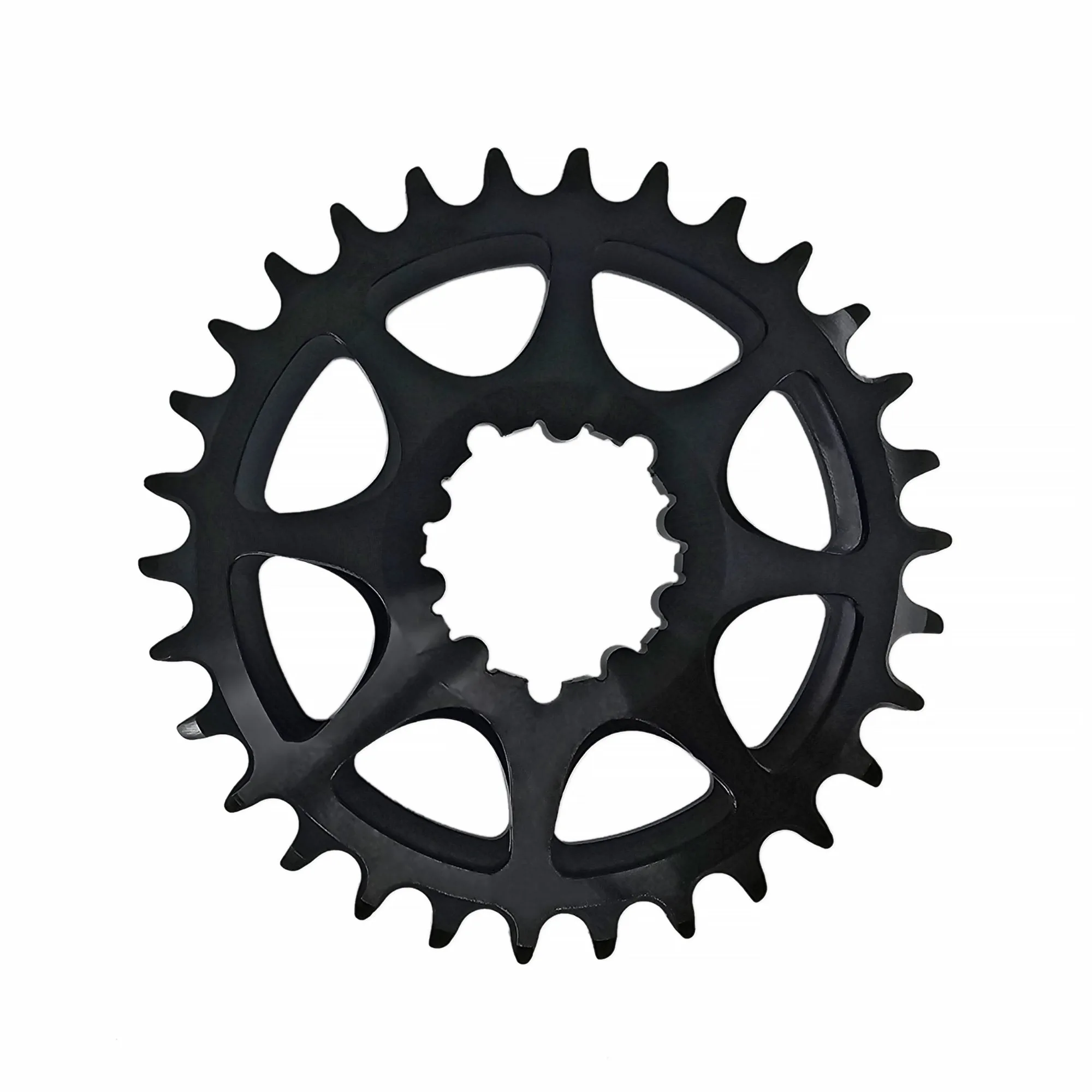
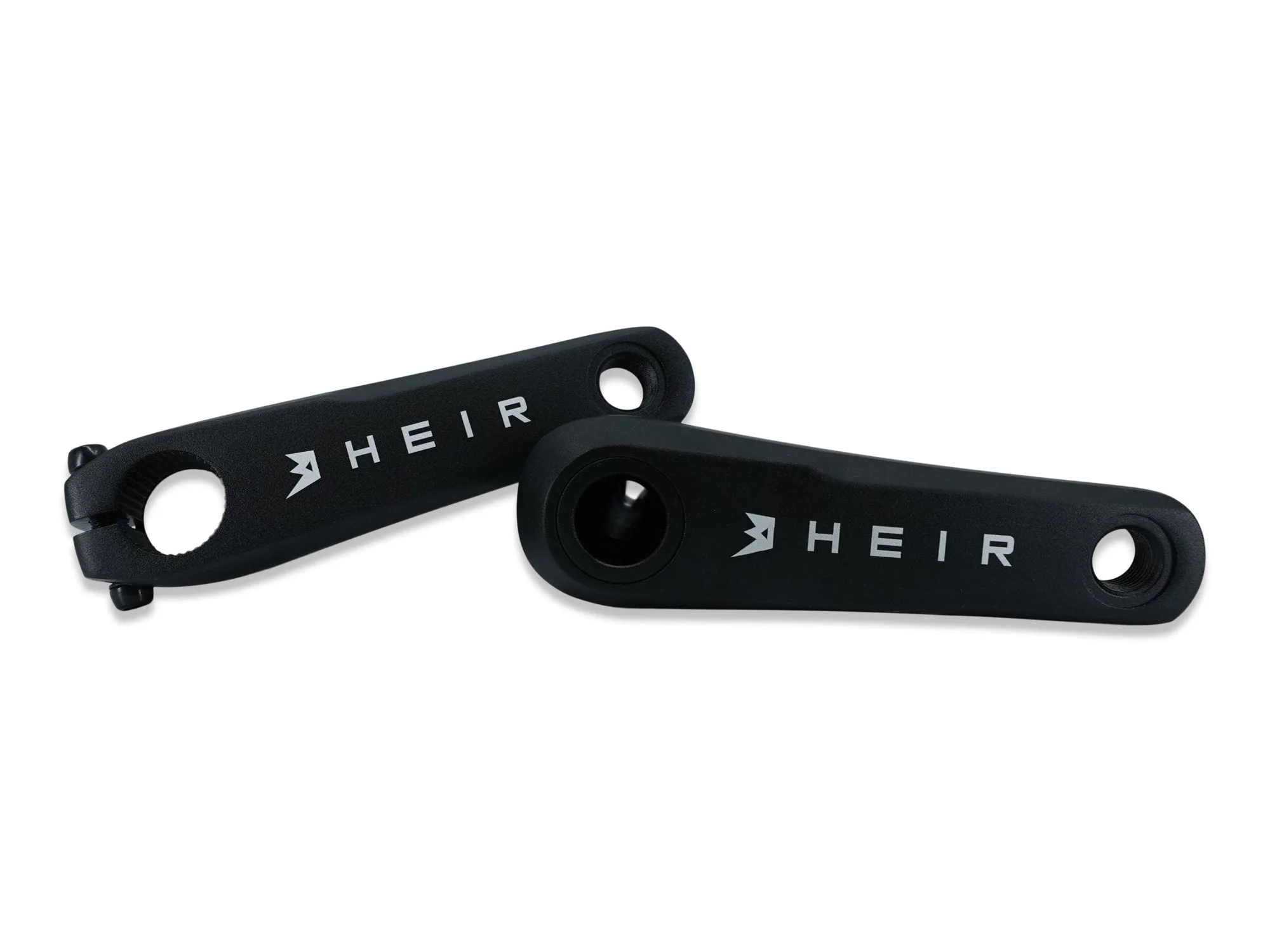
Direct mount chainrings are not one-size-fits-all. You need the correct offset for your bike's rear spacing and the right tooth count for your child's gearing and terrain. The Prevelo Direct Mount Chain Ring fits HEIR cranksets and comes in multiple teeth and offset options. Use the offset guide below to pick the right one the first time.
Decision rules for chainring care and replacement
- Clean when the chain looks dry or gritty: Clean the chainring and chain after every 10-15 rides, or immediately after riding in mud, rain, or dust. A clean drivetrain lasts longer and shifts better. If you can see grit between the teeth, clean it before the next ride.
- Inspect teeth at every cleaning: Look for hooked, pointed, or missing teeth. Also check for chain suck (chain sticking to the ring) and unusual noise under pedaling load. Replace the ring if more than a few teeth are visibly worn or damaged.
- Match offset to rear spacing: If your bike has 148mm rear spacing (Boost), choose a 3mm chain ring offset. If your bike has 135mm or 142mm rear spacing, choose a 6mm chain ring offset. Most kids bikes fall under the 135mm or 142mm category. Wrong offset can cause poor chainline, noise, and premature wear.
- Check chain wear before replacing the ring: A stretched chain will wear out a new chainring quickly. Use a chain wear tool. If it shows 0.75% or more, replace the chain first. Replacing both chain and ring together is often the most cost-effective fix.
Product facts
- Direct Mount Chain Ring: These direct mount chainrings fit the HEIR cranksets. Lightweight machined aluminum construction. If your child's bike uses HEIR cranks, this ring is a direct replacement. Machined aluminum keeps weight low, which matters for young riders.
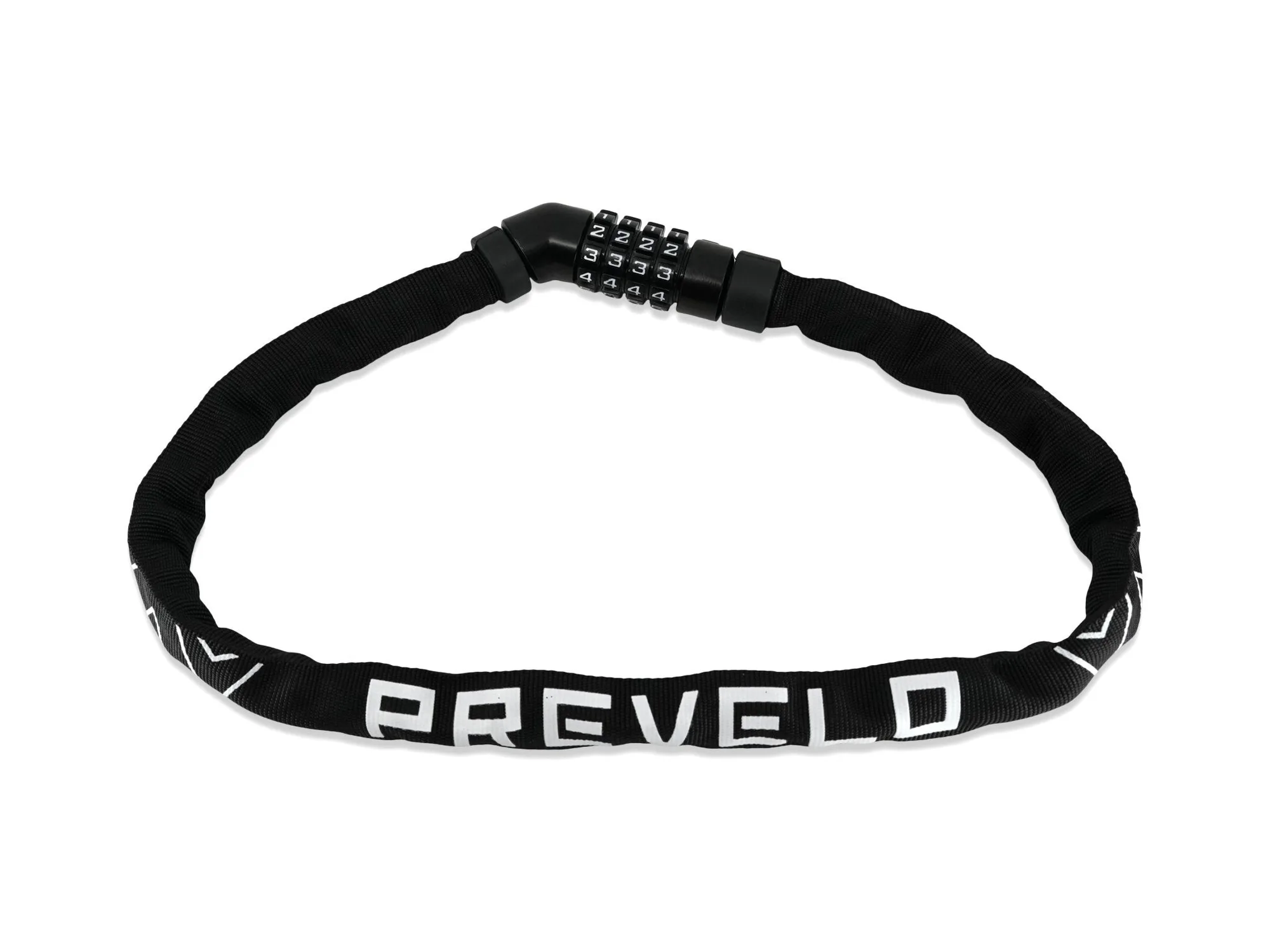
- Chainer Bike Lock: The Prevelo Combo Chain Lock offers practical security for young riders and their trusted steeds. Crafted a square-link steel chain and encased in a durable fabric sleeve, to protect the bike from unnecessary scratches. The four-digit combination lock eliminates the need for keys and provides 9,999 possible combinations. A lock is not drivetrain maintenance, but it protects the bike when your child parks it at school or the playground. The fabric sleeve helps prevent scratches on the frame and chainring area.
Is this chainring right for your child's bike?
Best for
- Kids bikes with HEIR direct mount cranksets
- Parents who want a lightweight, machined aluminum replacement ring
- Riders with 135mm or 142mm rear spacing who need a 6mm offset ring
- Boost 148mm bikes that need a 3mm offset ring
Not for
- Bikes with standard 4-bolt or 5-bolt cranksets (these need a different mounting style)
- Riders who have not confirmed their rear spacing and crank compatibility
- Bikes with a worn-out chain that has not been replaced first