Quick answer
The Dishonored Gamemaster Toolkit is a focused resource of advice, locations, NPCs, and new rules designed to help you start and sustain a Dishonored tabletop RPG campaign. Use it alongside the core rulebook to build conspiracies, populate districts, and keep players on edge.
What the Toolkit Adds to Your Game
The Dishonored tabletop roleplaying game already transports you to the Empire of the Isles, but the Gamemaster Toolkit goes deeper into Dunwall and beyond. It includes ready-to-use locations, detailed NPCs, and optional rules that help you run political intrigue, religious conspiracies, and populist faction conflicts without spending hours on prep.
A common mistake is treating the Toolkit as a standalone adventure. It is not a single campaign; it is a collection of modular tools you can drop into any session. Use its locations to flesh out a district your players visit, or pull an NPC when the story needs a new ally or antagonist.
When You Might Not Need It
If you already have the core rulebook and prefer to improvise every location and NPC, the Toolkit's pre-built content may feel redundant. It is most valuable for gamemasters who want structured support—advice on pacing, faction motivations, and session hooks—rather than a sandbox with no guidance.
Also note that the Toolkit does not include a full adventure or a new core rules system. It assumes you already own or have access to the Dishonored RPG core book. If you are brand new to the game, start with the core rulebook first.
How to Use the Dishonored Gamemaster Toolkit at Your Table
- Read the advice section first: Skim the opening advice on campaign structure, faction motivations, and pacing. This gives you a framework for how to weave the Toolkit's content into your own story. Do not jump straight to the NPCs or locations without understanding the intended flow; the advice sets the tone for using the rest.
- Choose one location to expand your current session: Pick a location from the Toolkit that fits your party's next destination—a warehouse, a noble estate, or a hidden shrine. Read its description and note the hooks provided. Common mistake: trying to use every location at once. Focus on one per session to keep the detail manageable and the story focused.
- Integrate an NPC as a faction representative: Select an NPC whose goals align with a faction your players have encountered. Introduce them through a rumor, a chance meeting, or a direct request. Use the NPC's motivations to drive a side conflict. Checkpoint: ensure the NPC's agenda does not overshadow the main plot. Use them to add depth, not to derail the session.
- Apply a new rule to a specific scene: The Toolkit includes optional rules for things like social maneuvering or environmental hazards. Introduce one rule in a scene where it directly applies—for example, a chase through the streets or a tense negotiation. Do not add multiple new rules at once. Let players learn one mechanic per session so the game stays smooth.
- Use the session hooks to plan your next game: After each session, review the Toolkit's hook suggestions for the factions or locations your players engaged with. Pick one hook to develop into the next session's main thread. Common mistake: ignoring the hooks and defaulting to your own ideas. The hooks are designed to keep the campaign moving—use them as a springboard.
Featured Product
-
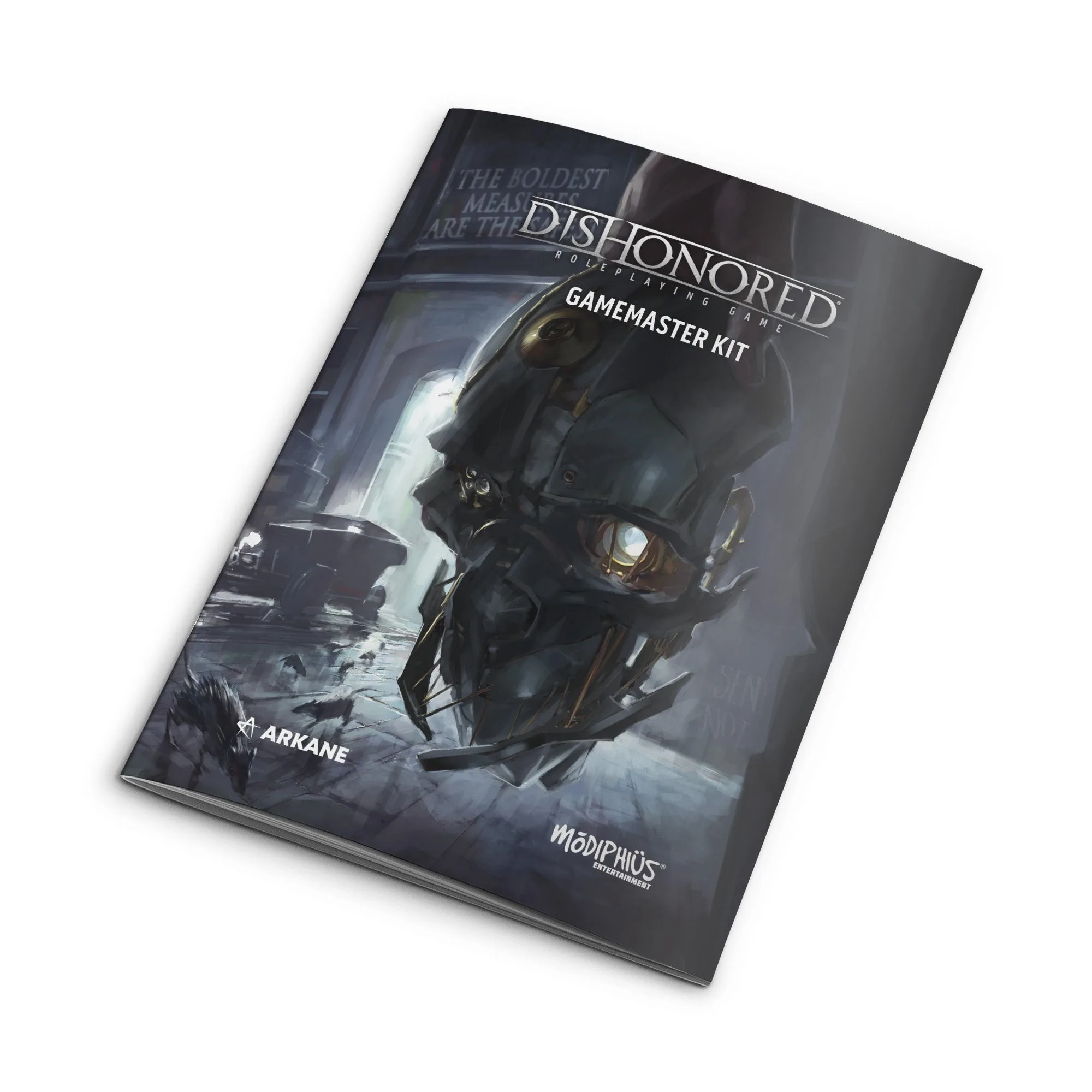
Dishonored Gamemaster Toolkit: The Dishonored Gamemaster’s Toolkit includes advice, details, locations, NPCs, and new rules to help start an exciting campaign and to keep players on the edge of their seats! This means you get ready-to-use material that reduces prep time while adding depth to political, religious, and populist conflicts in your Dishonored tabletop sessions.
Dishonored Gamemaster Toolkit