Quick Answer
Choose display ornaments when you want a low-commitment, easy-to-rearrange look that fills a shelf fast. Choose collectible figures when the character, pose, and scale are the point and you are willing to plan around height, depth, and dust. Most collectors end up using both, with ornaments as filler and figures as focal points.
The Real Difference Is Commitment, Not Size
Display ornaments and figures often sit on the same shelf, but they ask different things of you. Ornaments are usually chosen for color, shape, or a seasonal mood, so swapping them out is low-stakes. Figures are chosen for a specific character or form, so a wrong scale or a damaged paint edge is a real loss. That difference should drive your buying decision more than price does.
A practical test: if you would be upset when a piece gets knocked over, treat it as a figure and give it a stable, protected spot. If you would shrug and move it to another shelf, it can live in a high-traffic or open area as an ornament.
Match the Piece to the Shelf You Actually Have
Before buying anything, measure three things: usable height above the shelf, depth from wall to front edge, and the width you are willing to give up. Figures with dramatic poses often need more depth than their base suggests, while ornaments tend to stay within a compact footprint.
If your shelf is shallow or sits under a cabinet, favor compact busts and portrait-style pieces over wide action poses. If you have open vertical space, a taller figure can anchor a shelf that ornaments alone would make look cluttered.
- Measure height, depth, and width before browsing.
- Keep at least a finger-width of clearance above any figure with a raised arm or weapon.
- Group small ornaments in odd numbers to avoid a scattered look.
Plan the Mix Before You Buy More
A shelf that reads as intentional usually has one focal figure, two to four supporting pieces, and a small amount of negative space. If you keep adding ornaments to fill gaps, the shelf starts to look like storage rather than a display. Decide the focal point first, then use ornaments to frame it.
Rotate rather than accumulate. Store the pieces that are not currently on display and bring them back when you want a change. This keeps the shelf from becoming a permanent pile and makes each piece feel new again.
Decision Rules for Your Next Shelf Purchase
- If the shelf is shallow or enclosed: Favor busts and portrait-style figures over wide action poses. Check the depth of the base, not just the height, because a dynamic sculpt can lean past the shelf edge. Measure depth first; skip anything that overhangs.
- If you rearrange often: Choose ornaments and lighter pieces you can move without stress. Reserve fragile or detailed figures for a stable spot you rarely touch. High-touch shelves should hold low-risk pieces.
- If you are building around one character: Pick the figure first, then add ornaments in colors pulled from that figure's outfit or palette. This makes the shelf look planned even when the ornaments are inexpensive. One focal figure, then supporting color.
- If you are unsure about scale: Do not guess from product photos alone. Compare the listed format and line, and treat any missing dimensions as a reason to ask before buying rather than assuming a size. Unlisted specs are a pause, not a green light.
How Specific Figures Fit a Display
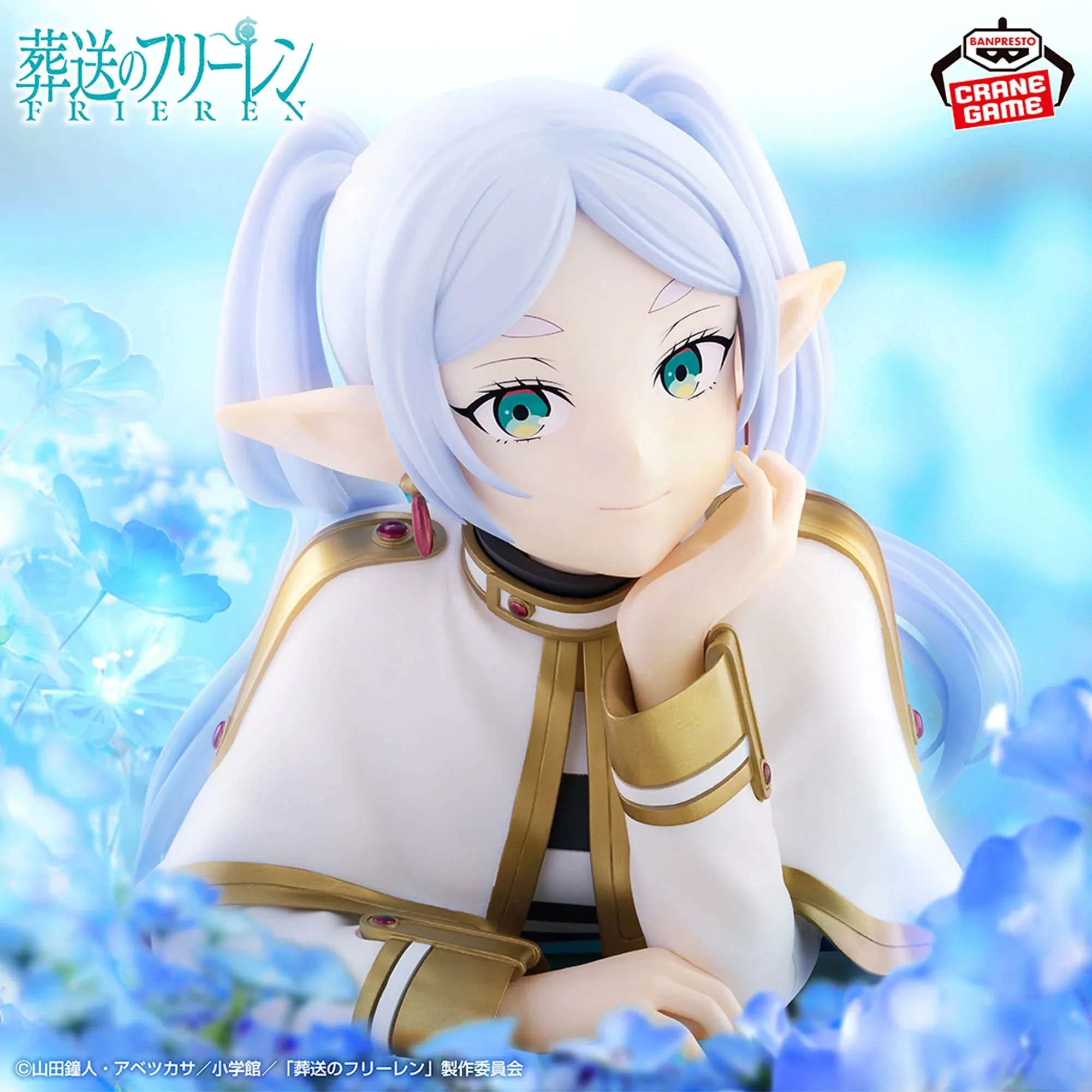
- Banpresto Frieren: Beyond Journey's End Cheek-Resting Bust Figure Frieren: Banpresto Frieren: Beyond Journey's End Cheek-Resting Bust Figure Frieren is a bust-format collectible from Frieren: Beyond Journey's End, with the character, pose, outfit, and finish matching the edition shown in the product photos. A bust format takes less vertical and depth space than a full action figure, so it works well as a calm focal point on a shallow shelf or a desk.
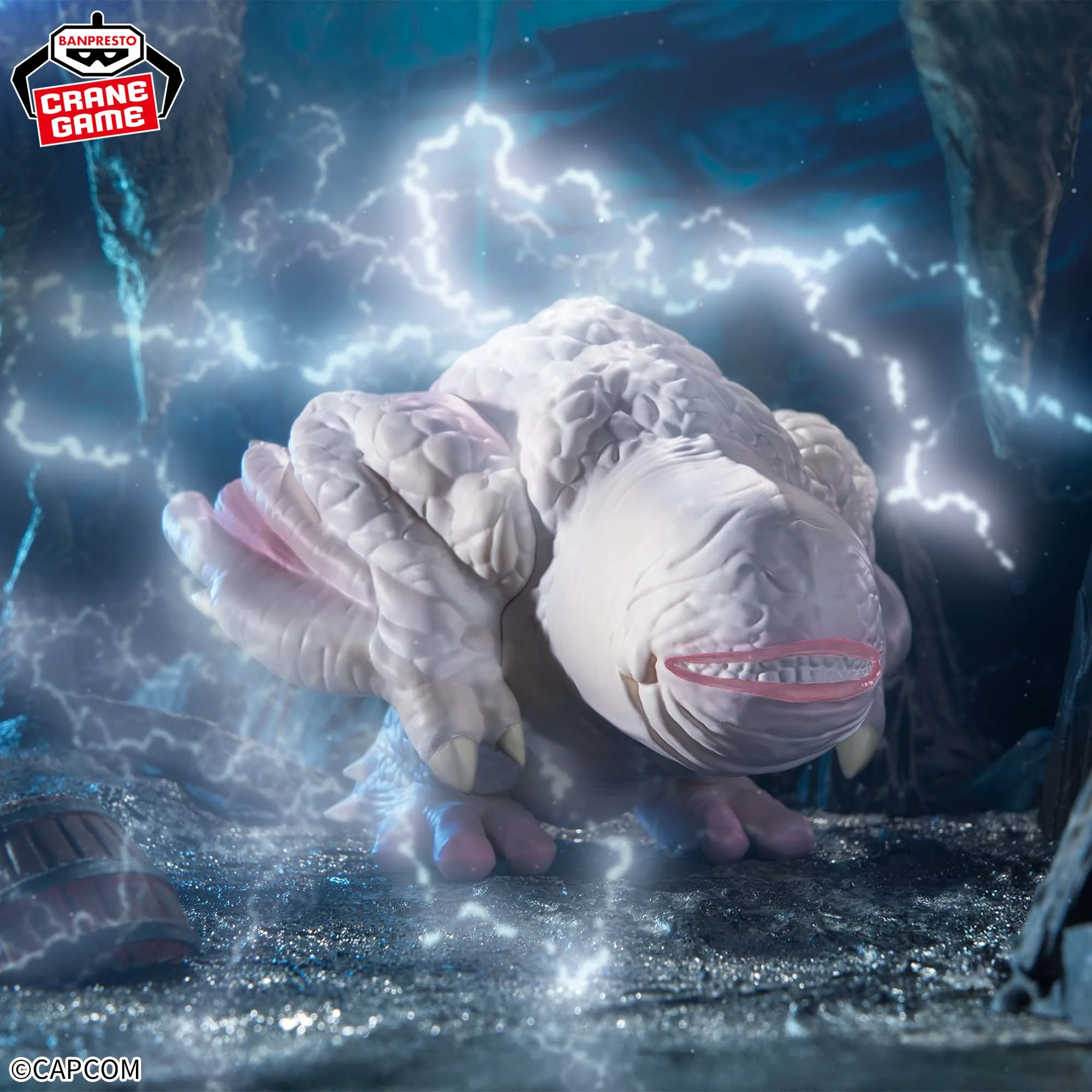
- Monster Hunter Chinzaju Khezu White Ver. Figure: Monster Hunter Chinzaju Khezu White Ver. Figure is a Banpresto (Bandai Spirits) collectible based on Monster Hunter, featuring the Khezu White Ver. design in the Chinzaju line, with the presentation centered on the monster's anatomy, color version, and silhouette. A creature-focused piece reads as a sculptural ornament from a distance, which makes it a good bridge item if you want monster design without a humanoid character pose.
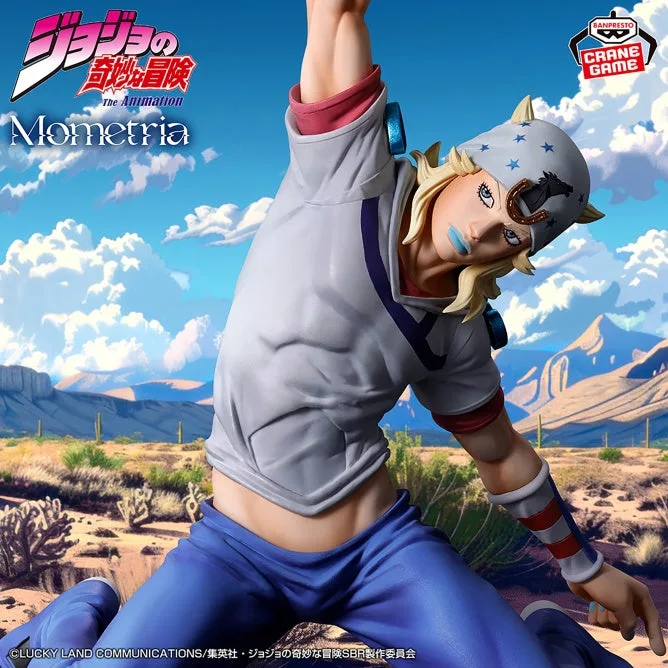
- JoJo's Bizarre Adventure: Steel Ball Run Mometria Johnny Joestar Figure: JoJo's Bizarre Adventure: Steel Ball Run Mometria Johnny Joestar Figure is a Banpresto (Bandai Spirits) collectible based on Steel Ball Run, and the Mometria line emphasizes the character's attitude and silhouette through a composed, portrait-like display pose. Portrait-like poses are easier to place at eye level and next to other pieces, so this suits a shelf where you want a strong character read without a wide stance.
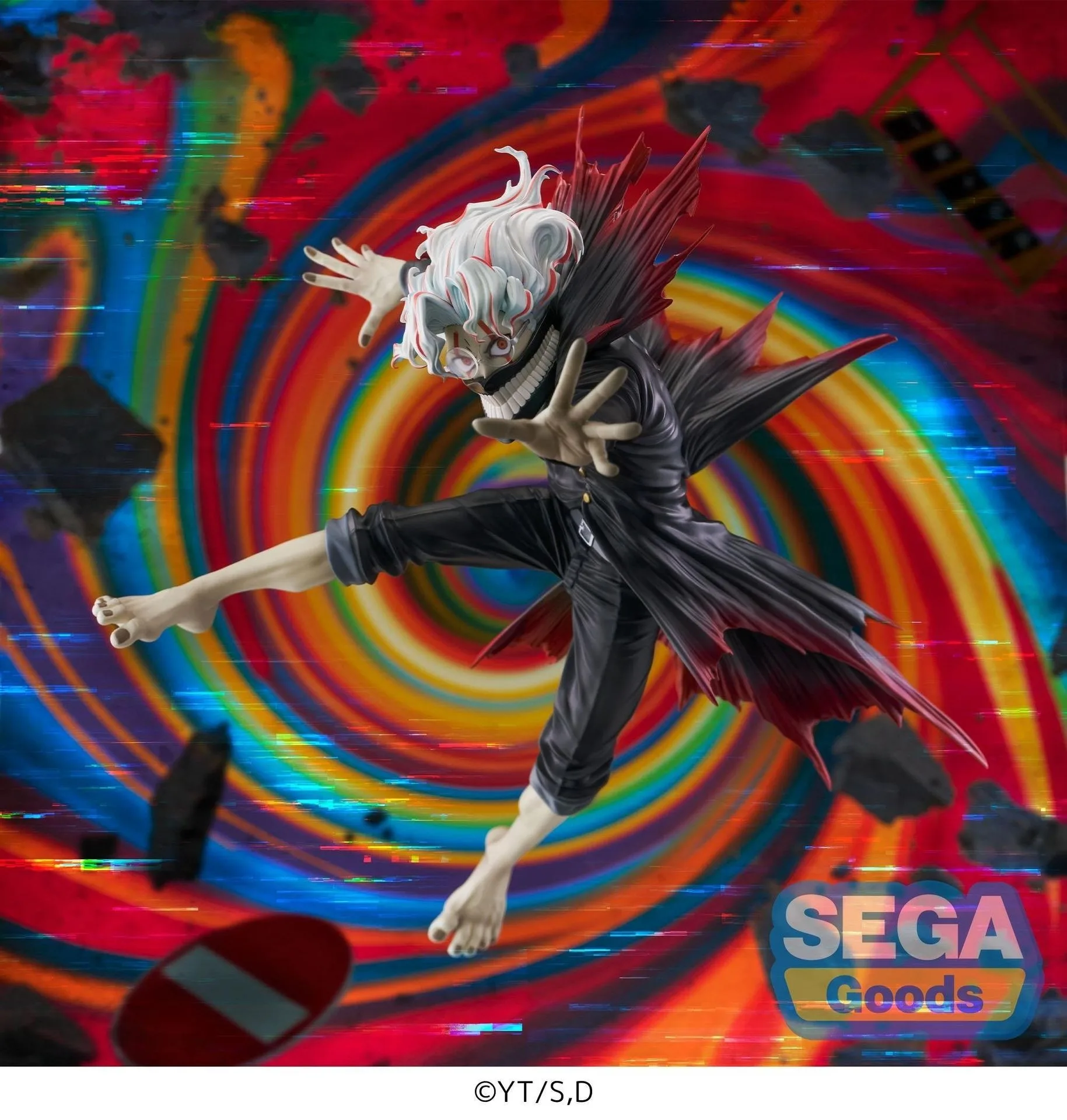
- Figurizm α Dan Da Dan Okarun (Transformed): Transformed Visual Ver. 1.5: Figurizm α Dan Da Dan Okarun (Transformed): Transformed Visual Ver. 1.5 is a SEGA collectible based on Dan Da Dan, featuring Okarun (Transformed), and the FIGURIZMα line builds the composition to emphasize movement, silhouette, and character identity. A movement-focused sculpt needs more breathing room around it, so plan extra width and avoid boxing it in with tall ornaments.
Who Should Choose Which
Best for
- Collectors who want a clear character focal point and will plan shelf height and depth around it
- Buyers who already own ornaments and want to upgrade one spot to a named figure
- Fans of a specific series who want the pose and edition to match the source material
Not for
- Shoppers who want to fill a large shelf quickly on a small budget and do not care about character accuracy
- Anyone who needs a piece to survive being handled, moved, or stored loosely
- Buyers who cannot confirm dimensions and are unwilling to ask before ordering