Quick answer
If you need a portable, all-in-one aerial photography drone with a proven Hasselblad camera, the DJI Mavic 3 Pro is your pick. For cinema-grade 8K raw capture and advanced flight capabilities, the DJI Inspire 3 is the professional choice.
Camera and image quality differences
The DJI Mavic 3 Pro features a 4/3 CMOS Hasselblad camera, a collaboration that sets a benchmark for consumer drone photography. It delivers rich color science and excellent dynamic range in a compact package.
The DJI Inspire 3 steps up with full-frame 8K/75fps ProRes RAW and CinemaDNG recording, dual native ISO, and a 1/1.8-inch Ultra-Wide Night-Vision FPV camera. This makes it ideal for high-end production where raw flexibility and low-light performance are critical.
Portability and setup
The Mavic 3 Pro folds down small and can be carried in a backpack, making it easy to bring on hikes or quick shoots. It includes omnidirectional obstacle sensing for safer flights in varied environments.
The Inspire 3 is a larger, more complex rig that requires more time to set up and transport. Its advanced 3-axis gimbal and RTK positioning are designed for studio and controlled location work, not spontaneous travel.
Workflow and professional features
The Inspire 3 offers centimeter-level RTK positioning and AI-assisted flight modes for repeatable, precise shots. This is a game-changer for filmmakers who need exact camera moves across multiple takes.
The Mavic 3 Pro lacks RTK but still provides smooth flight and intelligent modes suitable for most aerial photography needs. It is more approachable for solo operators or small teams.
Trade-offs at a glance
- Image quality vs portability: The Inspire 3 delivers superior raw 8K capture and low-light performance but requires a larger case and setup time. The Mavic 3 Pro offers excellent Hasselblad color in a foldable, travel-friendly body.
- Precision vs ease of use: Inspire 3's RTK positioning and AI flight modes give you centimeter-level repeatability for complex shots, but demand more pilot skill. The Mavic 3 Pro's omnidirectional sensing and simpler controls make it accessible to more operators.
- Budget vs production value: The Mavic 3 Pro Fly More Combo is significantly more affordable than the Inspire 3, making it a strong choice for freelancers and small studios. The Inspire 3 justifies its higher price with cinema-grade specs and professional workflow integration.
Key product facts
-
DJI Mavic 3 Pro Fly More Combo (DJI RC): The DJI Mavic 3 Pro Fly More Combo includes a 4/3 CMOS Hasselblad camera and omnidirectional obstacle sensing. You get professional-grade image quality with added safety and extended flight time from the combo kit.
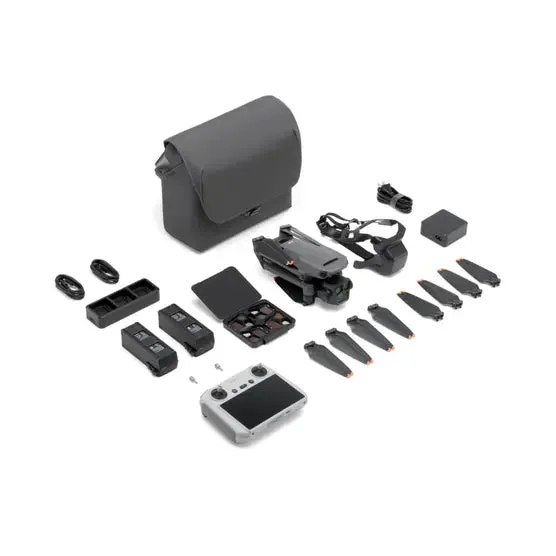
DJI Mavic 3 Pro Fly More Combo (DJI RC)
-
DJI Inspire 3: The DJI Inspire 3 records full-frame 8K/75fps ProRes RAW and CinemaDNG, with dual native ISO and a 1/1.8-inch Ultra-Wide Night-Vision FPV camera. This enables cinema-quality raw footage and exceptional low-light performance for high-end productions.
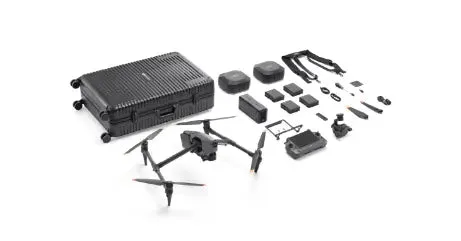
DJI Inspire 3
Which drone should you choose?
Best for
- Traveling photographers and videographers who need a compact, high-quality aerial camera
- Solo operators or small teams wanting professional results without a heavy production rig
Not for
- Filmmakers requiring full-frame raw 8K capture and precise repeatable camera moves
- Production houses that need RTK positioning and advanced flight modes for complex shoots