Quick answer
No, animal figures do not need special display cases. A case can help with dust and handling, but it is not required for the figures themselves. With simple, low-cost alternatives like open shelving, a quick dusting routine, and a few smart placement choices, you can protect and enjoy your collection without a costly case.
If you have ever searched for animal figure display cases, you have probably seen claims that a special case is essential to keep your collection safe. That advice often comes from a good place, but it can push you toward an expensive purchase you do not actually need. The truth is more practical: most figures are perfectly fine on an open shelf, as long as you manage dust and handling.
In this article, we look at common myths about figurine display and separate them from what really matters. You will learn when a case helps, when it does not, and which everyday alternatives work just as well. We will also share specific figure display tips and product examples to help you make a confident choice for your own space.
Myth: Every figure needs a sealed case to survive
A sealed case can reduce dust and keep curious hands away, but it is not a requirement for the figure itself. Most animal figures are made from durable materials like polyvinyl chloride, which is designed to handle normal indoor conditions. The Clydesdale Horse Brown, for example, is made from premium quality Polyvinyl Chloride and is described as both durable and safe for play. That means the figure can sit on a shelf without a case and still hold up well.
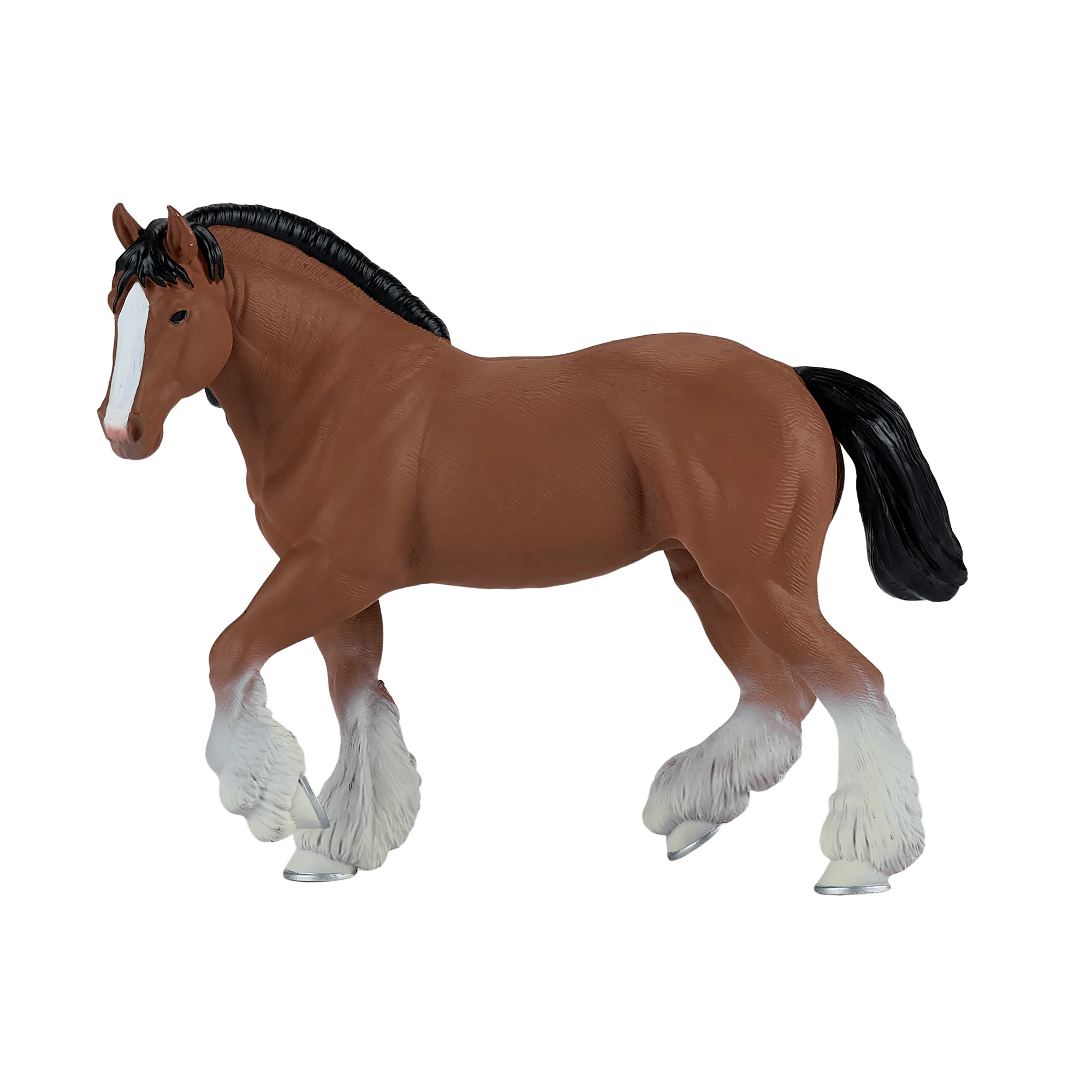
Clydesdale Horse Brown
What actually damages figures over time is not the lack of a case, but how they are handled and where they are placed. Repeated dropping, direct sunlight, and abrasive cleaning do more harm than dust. So before you buy a case, ask whether your real problem is dust, handling, or light. Each has a simpler, cheaper fix than a sealed display.
- Choose a shelf away from direct sun and high-traffic areas.
- Dust gently with a soft brush or microfiber cloth.
- If young children are around, place figures above their reach rather than behind glass.
Myth: Open display means constant dusting
Open display does collect some dust, but it is rarely the daily chore people fear. A quick pass with a soft cloth every week or two keeps most figures looking fresh. The key is to dust before the layer builds up, because thick dust is harder to remove and can work into small details. For figures with fine paintwork, a soft makeup brush reaches crevices without scratching.
If dust is your main concern, a case can help, but it is not the only option. A simple glass cabinet, a bookshelf with a glass door, or even a clear plastic storage bin with the lid slightly open can cut down on dust significantly. These display case alternatives cost far less than a dedicated figure case and often look better in a home.
- Keep a dedicated soft brush near your display for quick touch-ups.
- Rotate figures occasionally so dust does not settle in one spot.
- Avoid feather dusters, which can snag delicate parts.
Myth: Cases are the only way to protect value
For collectibles, condition matters, but a display case is not the only way to preserve it. The bigger risks are direct sunlight, extreme heat, and rough handling. A figure like the American Bald Eagle, which is a dominant predator with incredible eyesight, has painted details that can fade if left in a sunny window. Moving it out of direct light does more for its long-term appearance than any case.
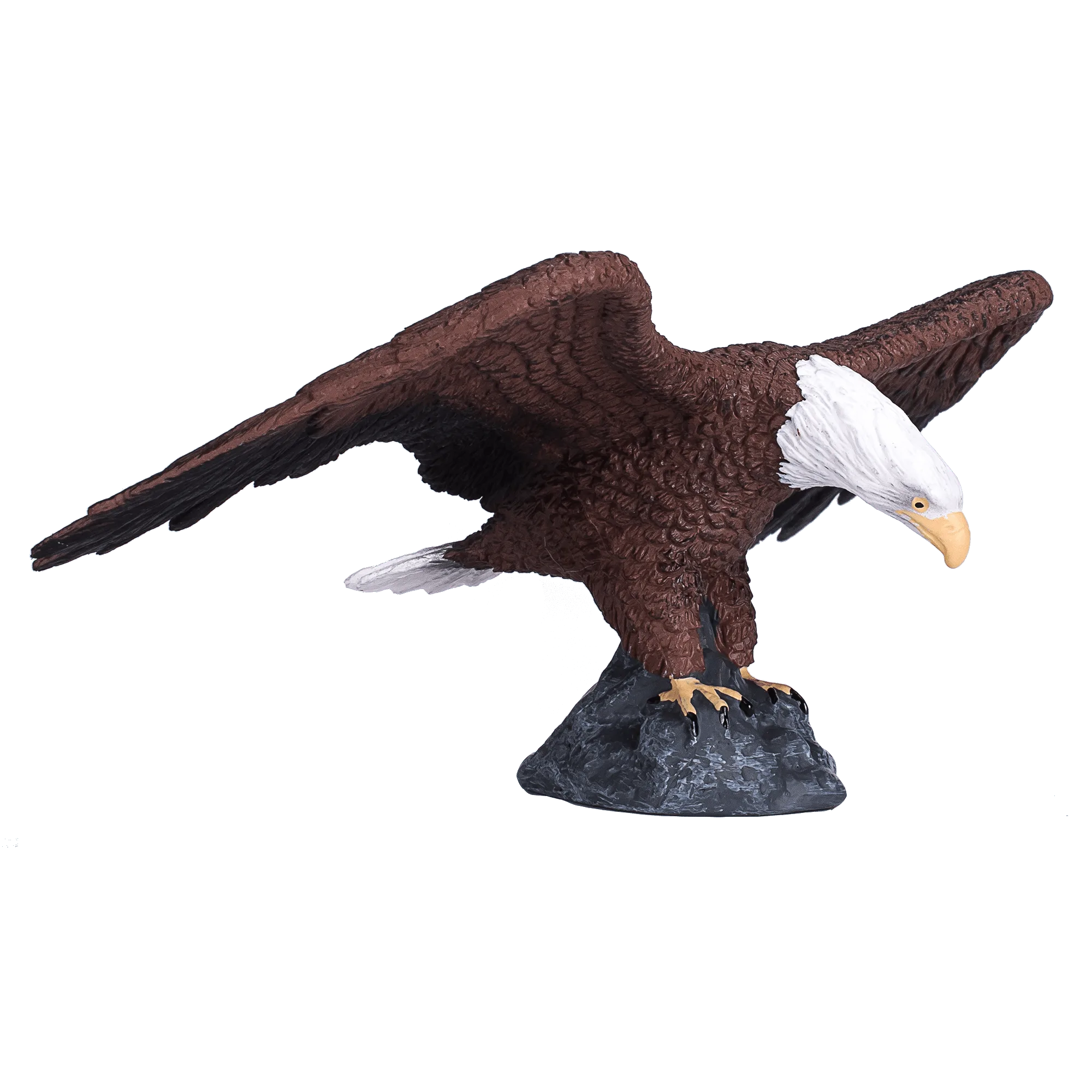
American Bald Eagle
If you want to protect value, focus on the basics: keep figures out of direct sun, store them in a stable indoor environment, and handle them by the base rather than the painted surface. A case can be part of that plan, but it is not the whole plan. Simple habits often matter more than the container.
- Rotate sun-sensitive figures away from windows every few months.
- Handle figures by the base to avoid wearing paint.
- Store extra figures in a cool, dry place rather than a hot attic.
When a display case actually makes sense
There are real situations where a case earns its place. If you have very young children, a case keeps small figures out of reach and reduces choking risk. If you live in a dusty area or have pets that shed, a case can cut cleaning time. And if you display figures in a workshop or near a kitchen, a case protects against grease and moisture.
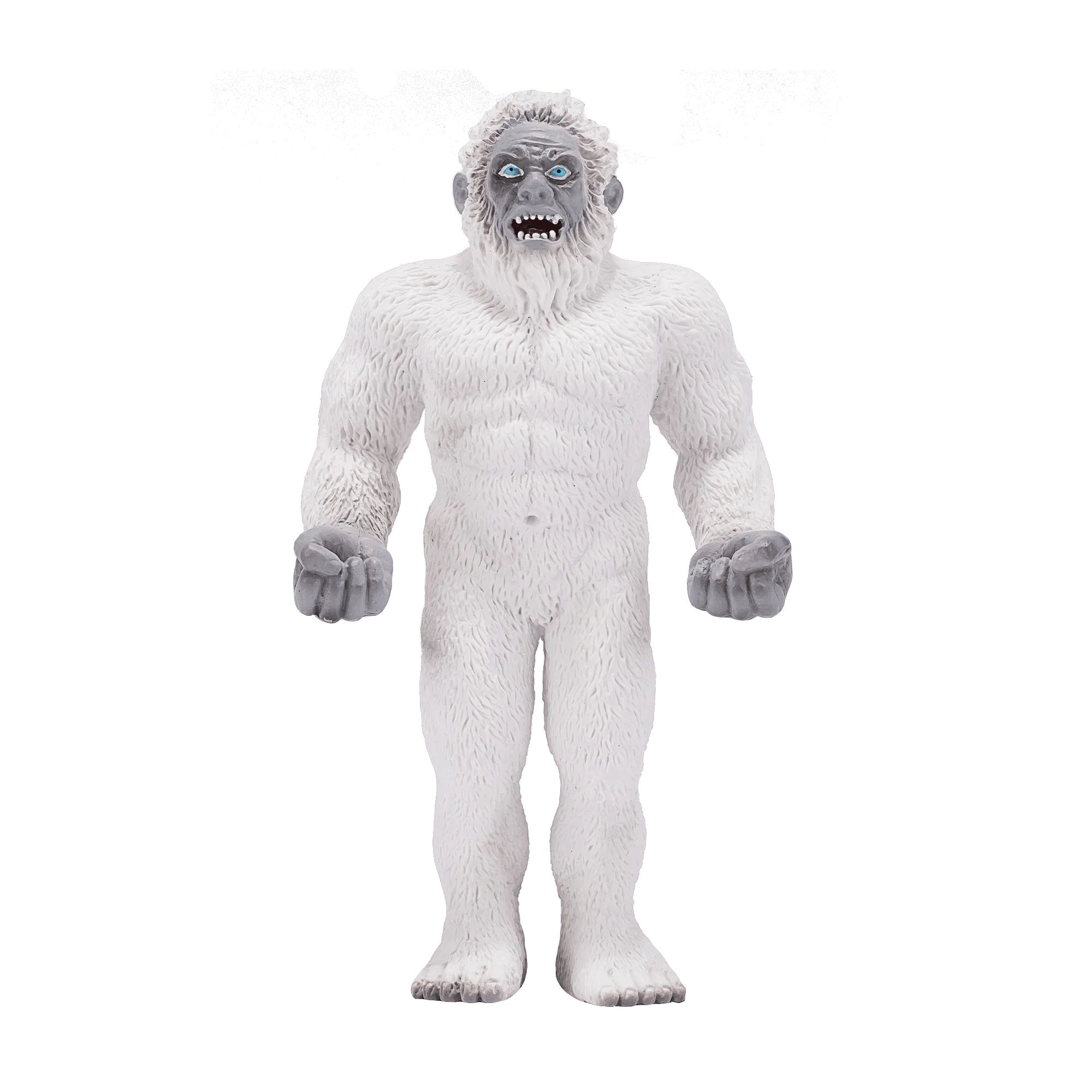
For these situations, you do not need a specialty case. A basic glass-front cabinet or a clear acrylic box works well. The Yeti Figure, for example, is a folkloric ape-like creature taller than an average human, so it may need a taller shelf or case than a small horse. Measure your tallest figure before buying any enclosure, and leave a little room for future additions.
- Measure the tallest figure in your collection before buying a case.
- Choose a case with a door you will actually open for dusting.
- If you have pets, avoid open shelves at tail height.
Myth verdicts
- Myth: Every figure needs a sealed case: Most figures are made from durable materials like PVC and can sit on open shelves with basic care. Verdict: False. A case is optional, not essential.
- Myth: Open display means constant dusting: A quick dust every week or two with a soft brush keeps figures clean; thick dust is the real problem. Verdict: Mostly false. Simple habits beat expensive cases.
- Myth: Cases are the only way to protect value: Sunlight, heat, and handling cause more damage than dust. Move figures out of direct sun and handle by the base. Verdict: False. Environment and handling matter more than the container.
- When a case makes sense: Young children, pets, dusty rooms, or kitchen areas are good reasons to use a basic glass or acrylic case. Verdict: True in specific situations. Choose a simple case, not a specialty one.
Product facts that matter for display
- Clydesdale Horse Brown: Made from premium quality Polyvinyl Chloride, it is both durable and safe for play. Durable PVC handles normal indoor display well, so a sealed case is not required for protection.
- American Bald Eagle: Eagles are dominant predators and are known as birds of prey, with incredible eyesight. Detailed painted eyes and feathers are best kept out of direct sun to preserve their look, regardless of whether you use a case.
- Yeti Figure: The Yeti is a folkloric ape-like creature taller than an average human, that is said to inhabit the Himalayan mountains. Its larger scale means you need to check shelf height and case dimensions before assuming a standard display will fit.
Animal figures do not need special display cases to stay in good shape. Focus on the basics: keep them out of direct sun, dust gently and often, and handle them by the base. If you have small children or pets, a basic glass or acrylic case is a smart, affordable upgrade. Otherwise, a simple shelf and a soft brush will serve your collection well for years.