Quick answer
Blue light glasses do not eliminate eye strain caused by screens. The discomfort you feel after hours at a monitor usually comes from how you use your eyes, not the blue light itself. If you want relief, focus on blink rate, viewing distance, and regular breaks. A blue light filter may help if you are sensitive to glare or have trouble winding down at night, but it is not a cure-all.
Why the blue light eye strain myth persists
The idea that blue light from screens damages your eyes sounds plausible. Blue light is high-energy visible light, and screens do emit it. But the amount from a monitor or phone is a fraction of what you get from sunlight. The real problem is that screen time often means holding your eyes in a fixed, close-up position for long stretches, which tires the focusing muscles and reduces how often you blink. That is what causes the burning, tired feeling, not the blue light wavelength itself.
What blue light glasses can and cannot do
Blue light filter lenses typically block a portion of blue light, which can slightly reduce glare and make the screen look warmer. Some people find that more comfortable, especially in the evening. What they cannot do is stop eye strain if you keep staring at a screen without breaks. They also do not correct refractive errors like nearsightedness or astigmatism. If you need prescription glasses, a blue light coating on the wrong prescription will not solve the underlying problem.
A better approach to screen time eye protection
Start with the 20-20-20 rule: every 20 minutes, look at something 20 feet away for 20 seconds. That relaxes your focusing muscles. Next, check your viewing distance. Your screen should be about an arm's length away, with the top of the screen at or slightly below eye level. Adjust brightness to match your surroundings, and use a matte screen or adjust lighting to cut glare. If you still feel strain, consider computer glasses with a prescription tuned for your screen distance, not just a blue light filter.
level
When blue light glasses might still be worth it
If you are sensitive to glare or notice that bright screens make your eyes feel tired even with good habits, a mild blue light filter can take the edge off. Some people also find that reducing blue light in the evening helps them feel sleepier, though the evidence is mixed. In those cases, blue light glasses are a reasonable add-on, not a replacement for better screen habits. If you already wear prescription glasses, you can add a blue light filter coating to lenses that correct your vision.
Verdicts on common blue light claims
- Claim: Blue light from screens damages your eyes.: Screens emit a small fraction of the blue light you get from sunlight. There is no evidence that typical screen use causes damage. Verdict: Not supported.
- Claim: Blue light glasses prevent eye strain.: Eye strain from screens is mainly caused by reduced blinking and sustained near focus. Blue light filters do not address those causes. Verdict: Overstated.
- Claim: Blue light glasses help you sleep better.: Some people report feeling sleepier after reducing evening blue light, but the effect varies. It is not a guaranteed fix. Verdict: Possible but not proven.
Frames that support healthy screen habits
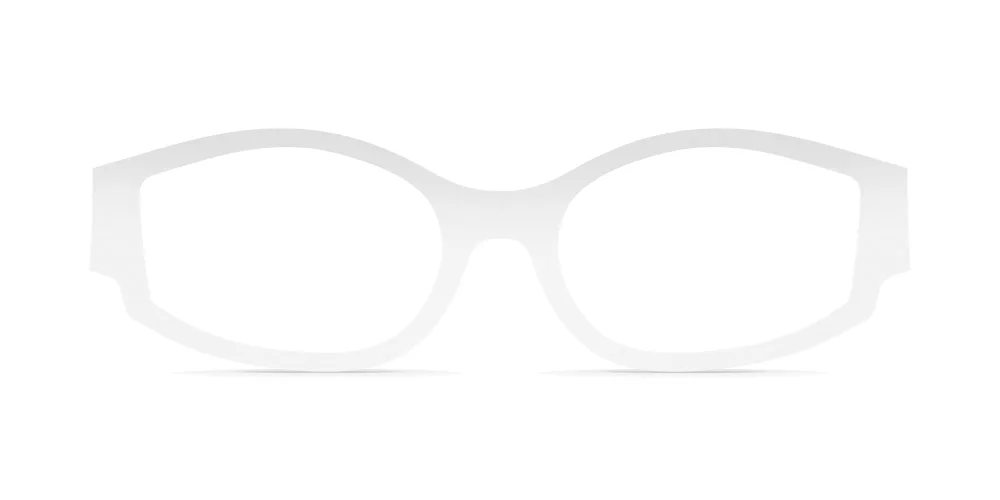
- ADELA: Nina Mûr Adela frames are handcrafted from responsibly sourced birch wood using a multi-layer lamination process, made in Madrid, and offer customizable color, nosepad, and temple options. Lightweight wooden frames can be comfortable for long wear, and the customization lets you adjust fit, which matters if you spend hours at a screen.
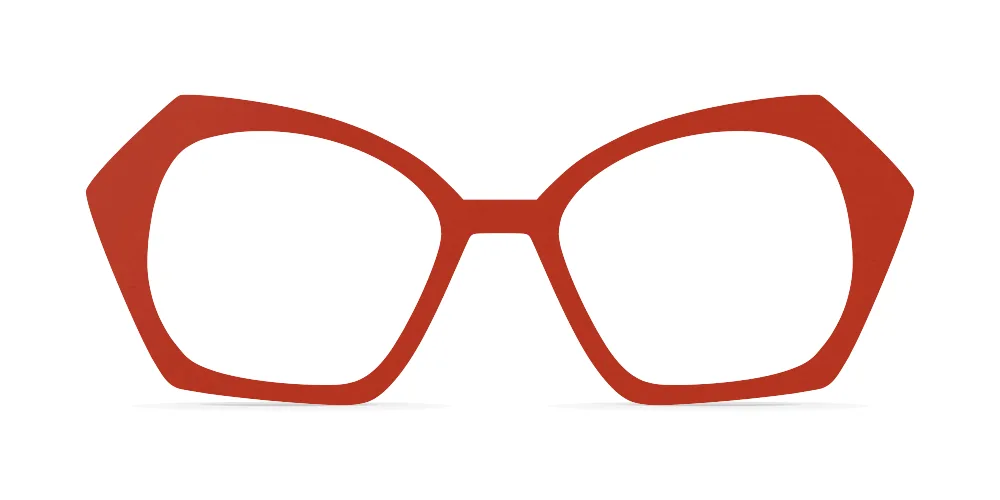
- LYNCH: Nina Mûr Lynch frames share the same sustainable birch wood construction and customizable color, nosepad, and temple options. If you want a second pair dedicated to computer use, Lynch offers the same comfort and adjustability in a different shape.