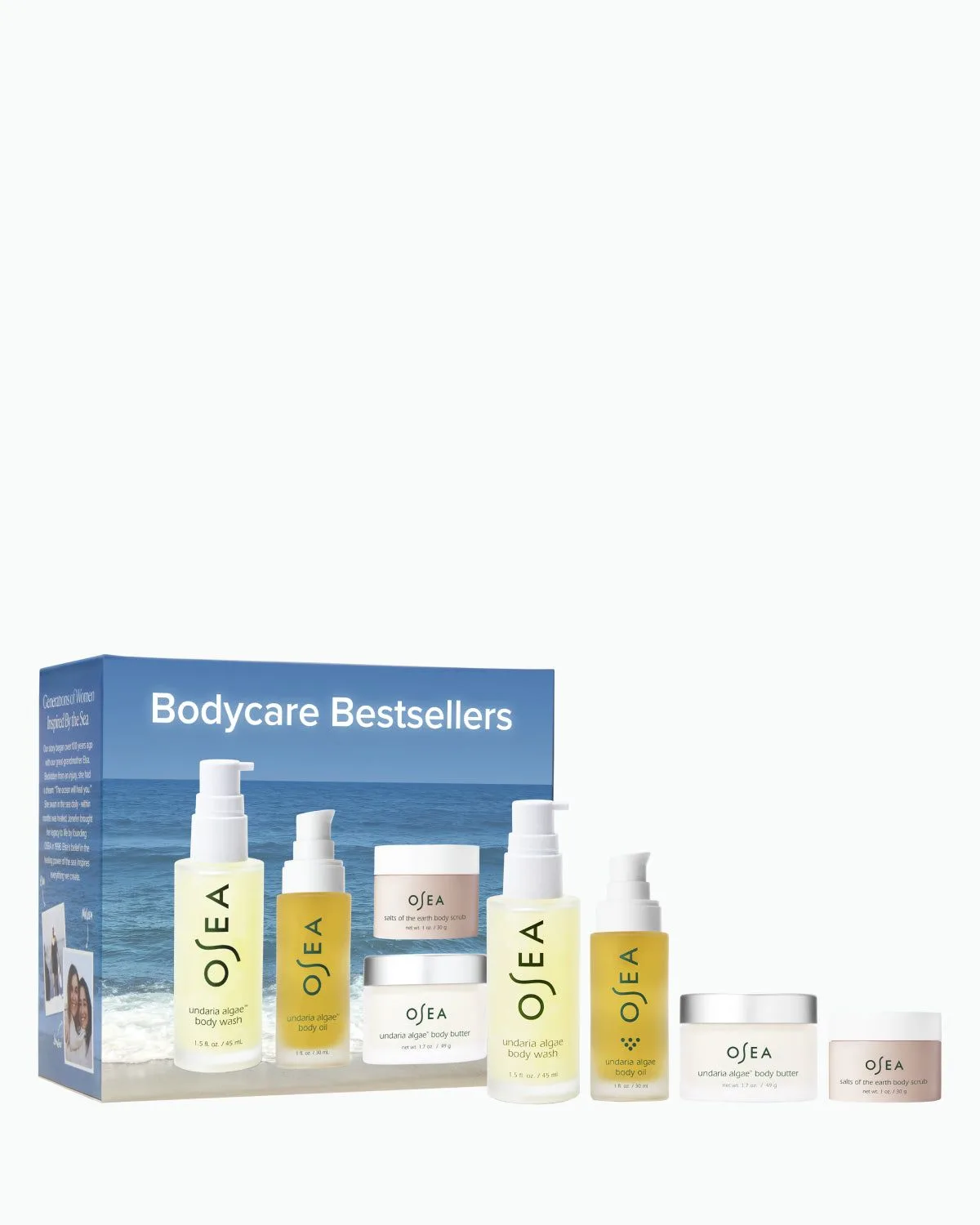
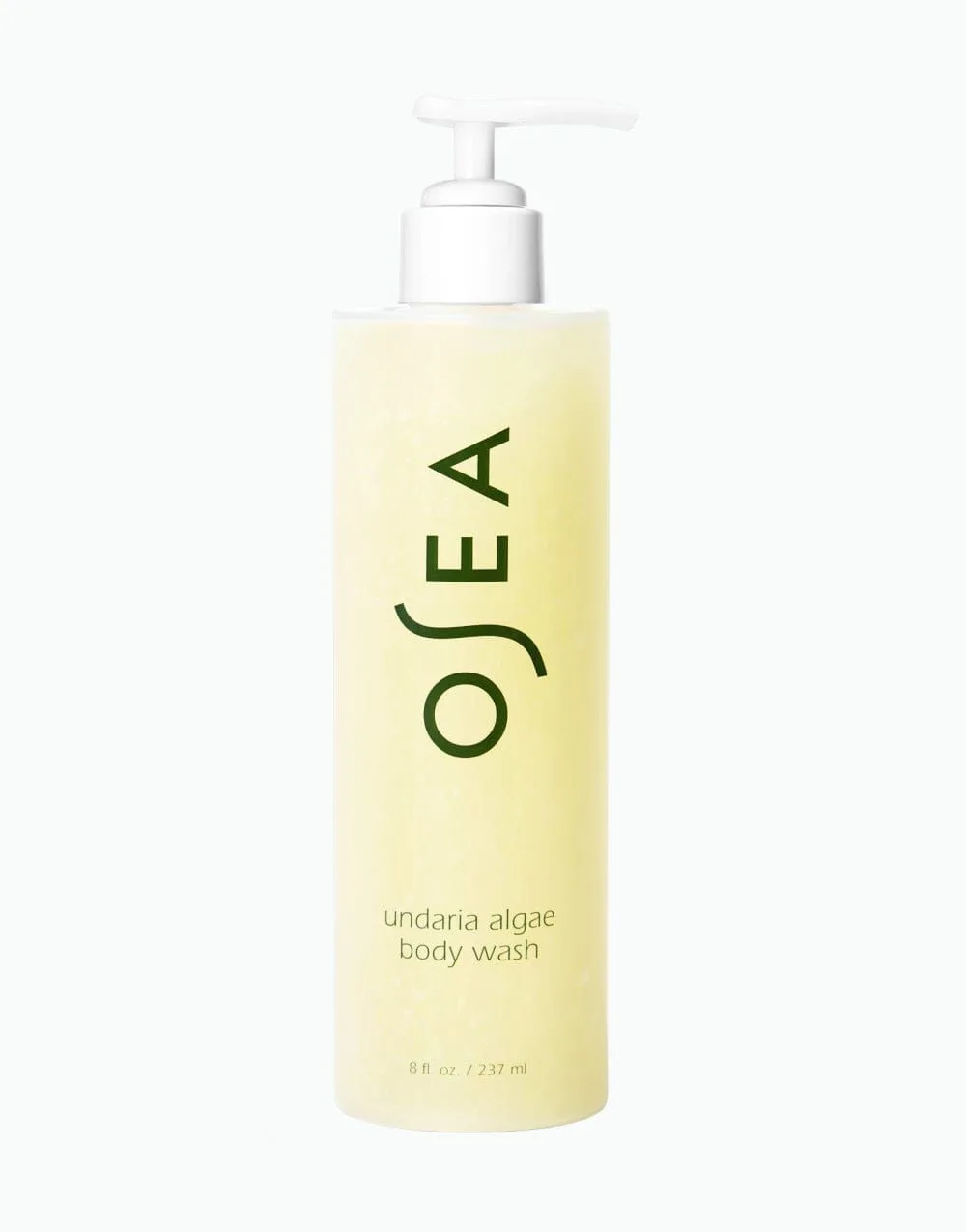
Quick answer
Yes, bond repair systems can work, but only within limits. They are best for hair weakened by coloring, heat, or repeated styling, and they work best as part of a routine that also reduces the damage in the first place. If your hair is breaking badly, a bond repair product is not a substitute for gentler handling, trims, or a realistic expectation about how much structure can be rebuilt.
structure
What a bond repair system actually does
A bond repair system targets the internal links in hair that can be broken by chemical and heat damage. Most bond building hair products are used as a pre-treatment, a shampoo-2971621">shampoo-step additive, or a leave-in, and they are meant to be repeated over several washes rather than used once. That is why results usually show up gradually: less snapping when you brush, smoother mid-lengths, and hair that feels less brittle after styling.
The practical limit is that bond repair works on the hair you still have. It cannot fuse split ends back together, and it cannot replace hair that has already broken off. If you are deciding between a bond builder vs protein treatment, think of them as different tools: bond builders focus on internal links, while protein treatments add surface strength and can feel heavier. Some people use both, but not on the same day at first.
Myth 1: One treatment fixes years of damage
This is the most common misunderstanding about hair bond system results. A single application can make hair feel softer and easier to comb, but the improvement is temporary and builds with consistent use. If you bleach, flat-iron, or heat-style often, the damage continues between treatments, so the system is always catching up.
A realistic routine is one bond repair hair treatment per week, plus a bond-building leave-in on styling days if your hair tolerates it. Stop if hair feels stiff, coated, or more prone to tangling, which usually means you are overdoing it or layering too many protein-rich products.
Myth 2: Bond builders and protein treatments are the same
They overlap, but they are not interchangeable. Protein treatments fill gaps and coat the outside of the strand, which can make hair feel stronger right away. Bond builders aim at internal bonds and often need more time to show visible change. Using both aggressively can backfire, especially on fine or low-porosity hair.
If your hair is snapping when wet, start with a bond repair hair treatment. If it feels mushy and stretchy, a protein treatment may be the better first step. Rotate them instead of stacking them, and give each one a few weeks before judging.
Myth 3: Bond repair replaces healthy hair habits
No product can outwork daily friction, heat, and rough detangling. Bond repair systems work best when you also lower the heat setting, use a heat protectant, detangle from the ends up, and sleep on a smoother surface. Without those changes, you are repairing and re-damaging in the same week.
The same logic applies to your tools and storage. Keeping hair tools and accessories organized and within reach makes it easier to be consistent, which matters more than any single treatment. A storage cabinet set with a rolling base and a stacking top cabinet, for example, keeps heat tools, brushes, and backups separated so you actually use the right product instead of grabbing whatever is closest.
Myth 4: More frequent use means faster results
Overuse is the fastest way to make bond repair backfire. Hair can feel dry, stiff, or coated when bond-building products are layered too often, especially if you are also using protein. Most people do better with one bond repair hair treatment per week and a lighter bond-building product on one or two styling days.
If you are unsure, start with the lowest frequency on the label and add a second use only if hair still feels weak after a month. Keep a simple note of what you used and how hair behaved, so you are adjusting based on your own pattern rather than guessing.
Myth 5: Bond repair works the same on every hair type
Hair type changes how a bond repair system feels and how often you should use it. Fine hair tends to get weighed down faster, so lighter formulas and less frequent use usually work better. Thick, coarse, or highly porous hair can often handle more frequent treatments without the same coating effect.
Texture matters too. Curly and coily hair often needs more moisture alongside bond repair, because the goal is flexibility, not just strength. If your hair feels dry after a treatment, add a moisturizing conditioner or leave-in rather than another round of bond builder.
Verdicts on common bond repair claims
- One treatment fixes years of damage: A single use can improve softness and combability, but hair bond system results build over repeated use, not one sitting. Verdict: false. Expect gradual change over weeks, not instant repair.
- Bond builders and protein treatments are the same: They work differently and can be overused together. Bond builders target internal links; protein treatments add surface strength. Verdict: false. Rotate them instead of stacking them.
- Bond repair replaces healthy hair habits: Heat, friction, and rough detangling keep causing damage. Bond repair only helps if you also reduce those sources. Verdict: false. Pair treatment with gentler styling and handling.
- More frequent use means faster results: Layering bond-building products too often can leave hair dry, stiff, or coated, especially alongside protein. Verdict: false. Start with one treatment per week.
- Bond repair works the same on every hair type: Fine hair usually needs lighter, less frequent use; coarse or porous hair can often handle more. Verdict: false. Adjust frequency and formula to your hair.
Products mentioned in this article
- Stella Go-To Block Heel Sandal Black: Stella Go-To Block Heel Sandal Black is described as comfortable enough for the office and chic enough for a wedding. A practical example of choosing one pair that covers both settings instead of buying separate shoes for work and events.
- It's all Going Swell Notepad: It's all Going Swell Notepad has 192 perforated ivory pages, a bookcloth cover, and Smyth sewn binding that opens flat. Useful for tracking treatment dates, product rotation, and how your hair responds over several weeks.
- UltraHD® 2-Piece Storage Cabinet Set: UltraHD 2-Piece Storage Cabinet Set includes a rolling storage cabinet and a stacking top cabinet with powder-coated solid steel construction. Keeps hair tools, products, and backups organized so your routine is easier to repeat consistently.