Quick Answer
Yes, memory foam camping pads gradually soften with use, but most pads keep usable support for years if you store them uncompressed and keep them dry. A pad that feels flat after a single trip usually needs airflow and time to recover, not replacement. Replace it when it stays compressed in the same spot, bottoms out under your hips, or smells musty after cleaning.
A camping mattress pad that suddenly feels flat is one of the most common complaints campers bring home from a trip. The good news is that memory foam is resilient, and the cause is usually recoverable. The harder question is knowing when softening is normal break-in and when it signals real wear.
This guide answers the questions campers actually ask about support loss: how long memory foam lasts, why a pad feels flat, how storage changes the equation, and what to check before you spend money on a replacement.
How Long Should a Memory Foam Camping Pad Last?
There is no universal expiration date, and no manufacturer can promise a specific number of years because foam responds to heat, moisture, compression, and body weight. What you can rely on is relative performance: a quality memory foam pad should feel close to new after a normal season of weekend trips, and it should still support you after several years of regular use.
The biggest variable is how the pad spends its off-season. Foam that stays rolled tight and compressed for months loses loft faster than foam stored flat or loosely. If your pad lives squished in a stuff sack from October to May, expect it to feel thinner in spring than a pad stored with room to breathe.
- Judge by feel, not by a calendar: compare the pad under your hip to a spot near your feet.
- Pads used every weekend will soften sooner than pads used a few times a year.
Why Does My Camping Pad Feel Flat?
Cold is the most underrated culprit. Memory foam stiffens in low temperatures, so a pad that feels firm and supportive at home can feel hard or oddly unsupportive in a cold tent. Give it time to warm up under your body before deciding it has failed.
The second common cause is trapped compression. If the pad was rolled tight for travel and you set up camp immediately, the foam has not had time to expand. Unroll it first, let it sit while you pitch the tent and cook dinner, and it will usually plump back up. A pad that recovers within an hour is working as designed.
- Unroll and lay the pad flat before you need it, not at bedtime.
- Check for a slow leak or a shifted foam layer if only one zone feels dead.
Does Storage Really Affect Camping Mattress Pad Durability?
Yes, and it is the factor you control most. Long-term compression is what turns temporary flattening into permanent flattening. Foam is a cell structure, and when those cells stay crushed for months, they lose some ability to spring back. Storing your pad flat under a bed or loosely folded in a breathable bag protects that structure.
Moisture is the other quiet destroyer. Foam that goes away damp can develop mildew, and mildew breaks down foam while making the pad unpleasant to sleep on. Always let a pad air dry fully before storage, even if it only feels slightly clammy.
- Store flat or loosely folded rather than vacuum-compressed.
- Never seal a damp pad in a bag; let it breathe until fully dry.
When Should You Replace a Camping Mattress Pad?
Replace the pad when the failure is structural, not situational. The clearest sign is a permanent compressed divot that stays flat after 24 hours of unrolled recovery. If you can feel the ground through the pad at your hip or shoulder no matter how you position it, the foam has lost its ability to distribute pressure.
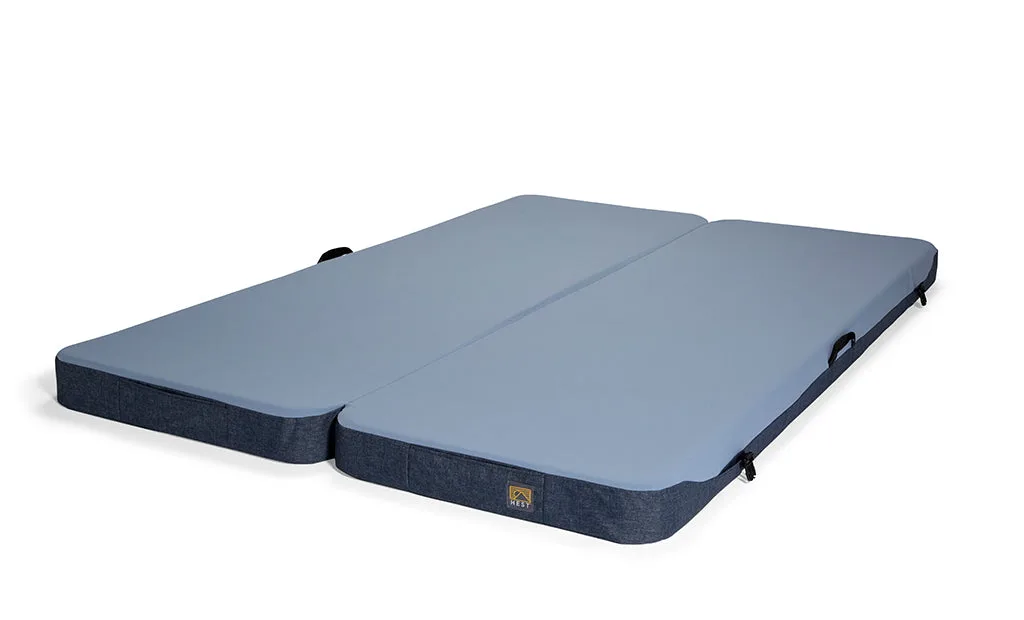
Other replacement signals include a persistent musty odor that survives a proper airing, visible crumbling or flaking foam, or a delamination where layers separate. If you are replacing anyway, HEST's Mattress Outlet lists blemished and slightly marked mattresses at a discount, which is a practical route when the issue is cosmetic rather than structural.
Mattress Outlet
- Test with a 24-hour unrolled recovery before you decide.
- Cosmetic marks are not a support problem; permanent flat spots are.
Can You Restore Support to a Softening Pad?
You can often recover a pad that is merely compressed, but you cannot rebuild foam that has genuinely broken down. Start with a full day unrolled at room temperature in a dry space. Rotate the pad head-to-foot so your usual hip zone is not always in the same place. A thin closed-cell foam layer underneath can add back a firmer base without replacing the whole setup.
If those steps do not help, the pad has reached the end of its useful life. That is normal, not a defect, and it is worth planning for rather than fighting.
- Rotate the pad between trips to spread wear.
- Add a firm base layer before buying a whole new pad.
How Do You Make a Pad Last Longer?
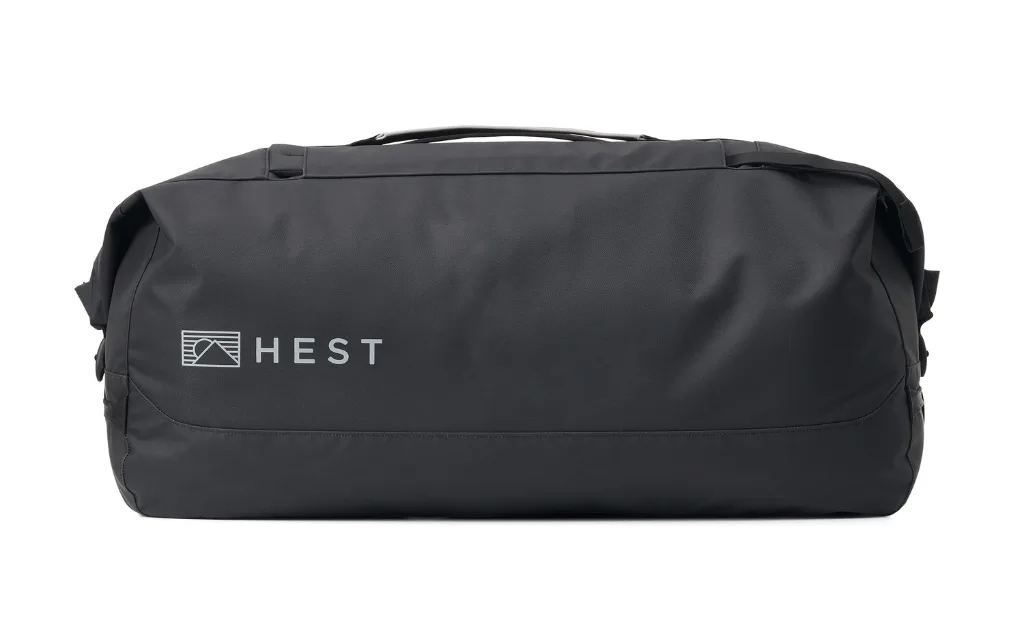
Protect the foam from the two things that age it fastest: constant compression and moisture. Use a breathable storage bag instead of a tight stuff sack for long-term storage, and let the pad air out after every trip. A duffel designed for the full setup keeps gear organized without crushing the foam the way a small compression sack does.
duffel
Pair the pad with bedding that manages moisture, and avoid leaving it set up in direct sun for days. Small habits add up to extra seasons of comfortable sleep.
- Air the pad after every trip before it goes into storage.
- Keep the pad out of prolonged direct sun when not in use.
Camping Pad Support FAQ: Quick Checks and Verdicts
It feels flat on night one
Unroll the pad as soon as you arrive and let it sit at room temperature for an hour before bed. If it recovers, the pad is fine and the issue was travel compression.
It feels flat every trip in the same spot
Lay it flat at home for 24 hours and check whether the divot persists under your hip or shoulder. A permanent divot means structural wear, not a setup problem.
It smells musty after storage
Air it fully in a dry, shaded space and inspect for mildew before using it again. Odor that survives a full airing is a replacement signal.
You are unsure whether to repair or replace
Compare the cost of a discounted blemished pad against the remaining life of your current one. Final-sale Outlet items are best for cosmetic issues, not for pads you still hope to return.
HEST Gear That Helps You Get More Seasons Out of Your Pad
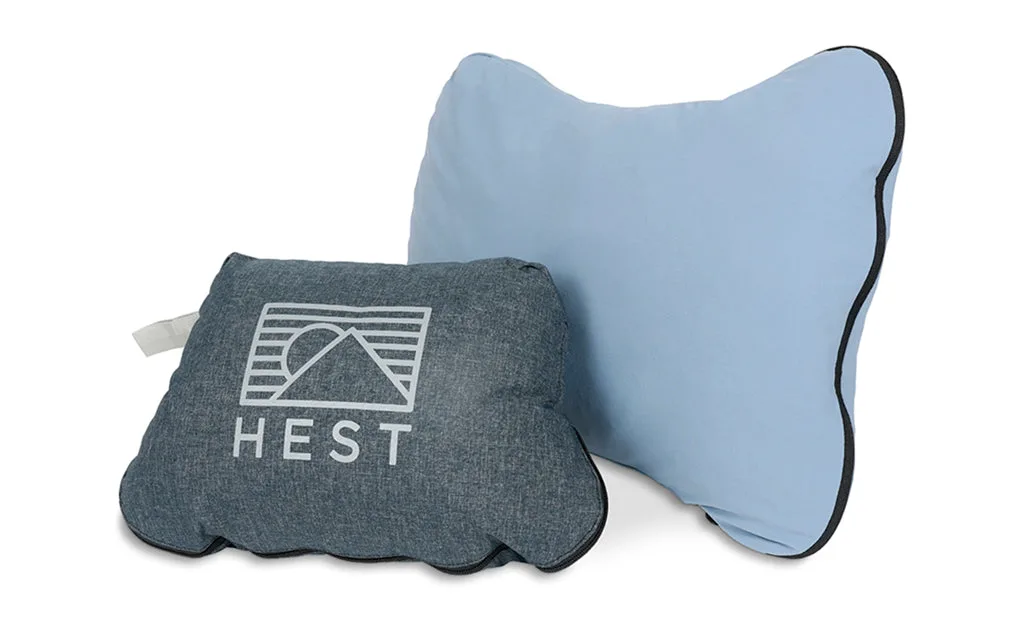
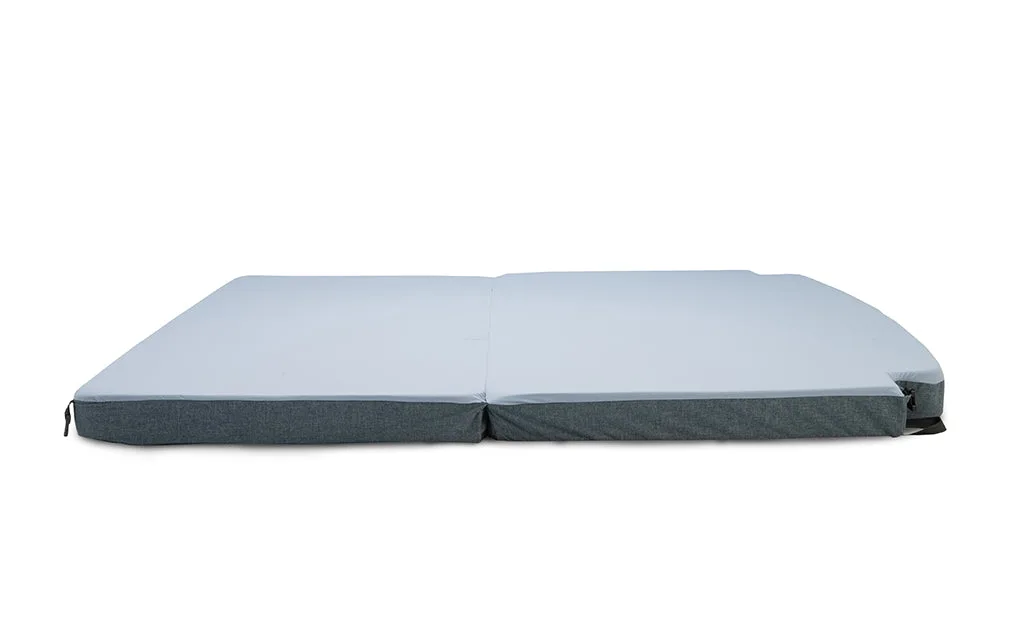
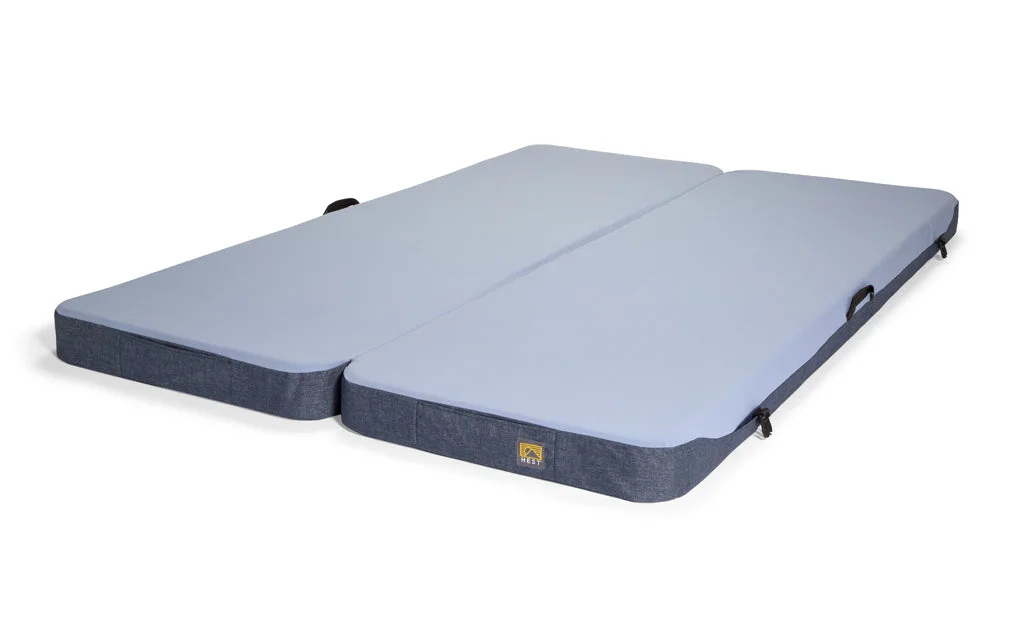
- Duffel: The HEST Foamy Duffel 120L is built to carry a Foamy or Foamy Wide mattress, any size Camp Pillow, and bedding, by car, plane, or for storage at home. A dedicated duffel lets you store and transport the full setup without crushing the foam into a tight stuff sack, which is the storage habit that shortens pad life most.
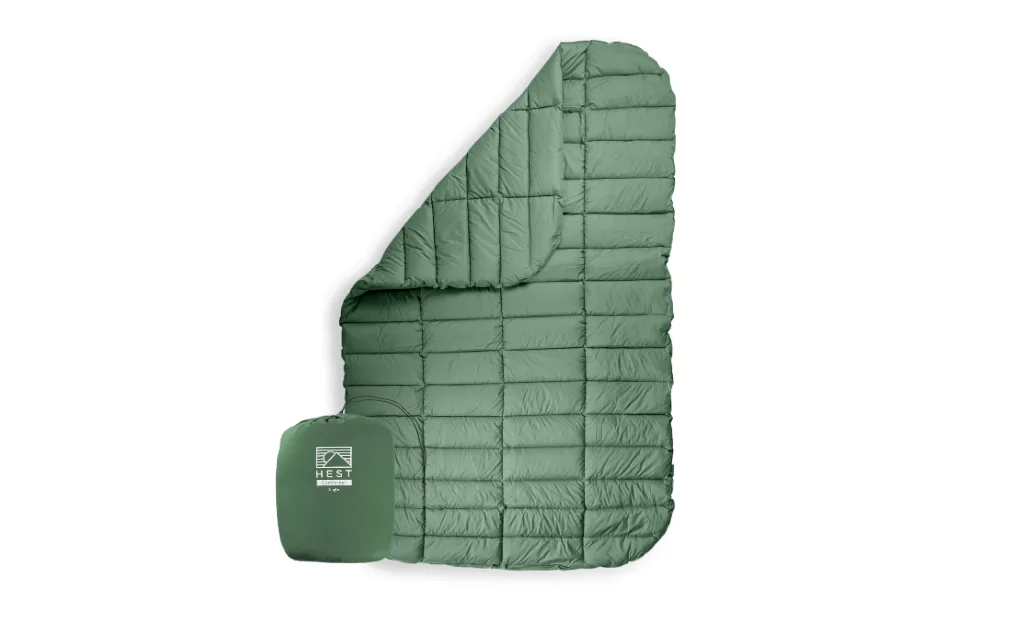
- Comforter: The HEST Comforter is designed to provide the comfort and warmth of a home comforter in a packable, outdoor-ready design, with a cinch and tuck footbox for temperature control. Good bedding manages moisture and warmth so you are not compensating for a cold, damp sleep surface, and it keeps you from piling on weight that compresses the pad unevenly.
- Mattress Outlet: The HEST Mattress Outlet features discounted mattresses and pads classified as blemished or slightly marked, at up to 40 percent off retail, and all Outlet products are non-refundable final sale. If your pad has genuinely failed and the problem is cosmetic rather than structural, the Outlet is a lower-cost replacement path, but the final-sale terms mean you should confirm the blemish description before buying.
Memory foam softens over time, but most pads that feel flat are compressed or cold rather than worn out. Unroll early, store uncompressed and dry, and rotate the pad between trips. Replace it only when a flat spot survives a full day of recovery.