Quick answer
No, cloth diapers do not inherently cause diaper rash. Rash happens when skin stays wet, sits against detergent residue, or rubs against a poor fit. Choose breathable fabrics, change promptly, and rinse thoroughly—bamboo-lined trainers and TPU-lined swimmers can help manage moisture without trapping it.
Where the cloth diaper rash myth comes from
The idea that cloth diapers cause rash often traces back to experiences with outdated fabrics or infrequent changes. Modern cloth diapers, especially those with breathable liners and stay-dry layers, manage moisture differently than the plastic pants of decades past. When a rash appears, it's usually a signal about wetness, fit, or washing routine—not the diaper type itself.
The real causes of cloth diaper rash
Most cloth diaper rashes come down to four factors: prolonged wetness, detergent buildup, friction from a loose or tight fit, and rare sensitivity to a specific fabric or wash additive. Wetness rash looks red and angry in the diaper area; detergent rash may appear as a diffuse redness or small bumps. Friction rash shows up where elastics or seams rub. Identifying the pattern helps you fix the cause instead of blaming the diaper.
How cloth diaper breathability actually works
Breathability in cloth diapers depends on the layers against the skin and the outer barrier. A waterproof TPU outer layer prevents leaks, while an inner layer like bamboo terry or AWJ (athletic wicking jersey) moves moisture away from skin. The goal is to keep the surface feeling dry even when the diaper is wet. No fabric is magically rash-proof, but breathable inners paired with frequent changes reduce the wetness that triggers most rashes.
Bamboo, AWJ, and TPU: what each layer does for rash prevention
Bamboo terry is soft and absorbent, making it a comfortable choice for trainers where toddlers pull up and down. AWJ is a wicking fabric that feels dry to the touch, often used as an inner lining in swim diapers and pockets. TPU is a waterproof outer layer that blocks leaks without the crinkly plastic feel. None of these materials cause rash on their own; they simply manage moisture and containment. If a rash persists, look at wash routine and change frequency before swapping diapers.
Preventing cloth diaper rash: a practical routine
Change diapers every two to three hours during the day, and immediately after a bowel movement. Rinse cloth diapers thoroughly and use a detergent without fragrances or softeners, which can leave residue. If you use a diaper cream, choose one that's cloth-safe or use a liner. Give skin air time between changes. For overnight, add absorbency or use a fitted diaper with a breathable cover. These steps address the real causes of rash without abandoning cloth.
Myth verdicts: cloth diapers and rash
- Myth: Cloth diapers cause diaper rash.: Rash is caused by wetness, detergent residue, friction, or rare fabric sensitivity—not by cloth itself. Modern cloth diapers with breathable liners manage moisture well when changed regularly. Verdict: False. Focus on change frequency and wash routine.
- Myth: Bamboo diapers always cause rash.: Bamboo terry is soft and absorbent, and it's used in many trainers precisely because it's gentle on skin. A rash after switching to bamboo is more likely from detergent buildup or a wetness issue. Verdict: False. Bamboo is a rash-friendly choice when washed properly.
- Myth: Cloth diapers aren't breathable.: Breathability depends on the fabrics. AWJ inners wick moisture, and TPU outers block leaks while allowing some air flow. Pair breathable layers with frequent changes to keep skin dry. Verdict: Misleading. Look at the inner lining, not just the outer.
- Myth: You must switch to disposables to clear a rash.: Most cloth-related rashes resolve by adjusting wash routine, increasing change frequency, or adding a liner. Disposables aren't required unless a doctor recommends them for a specific skin condition. Verdict: False. Fix the cause, not the diaper type.
Product facts that matter for rash prevention
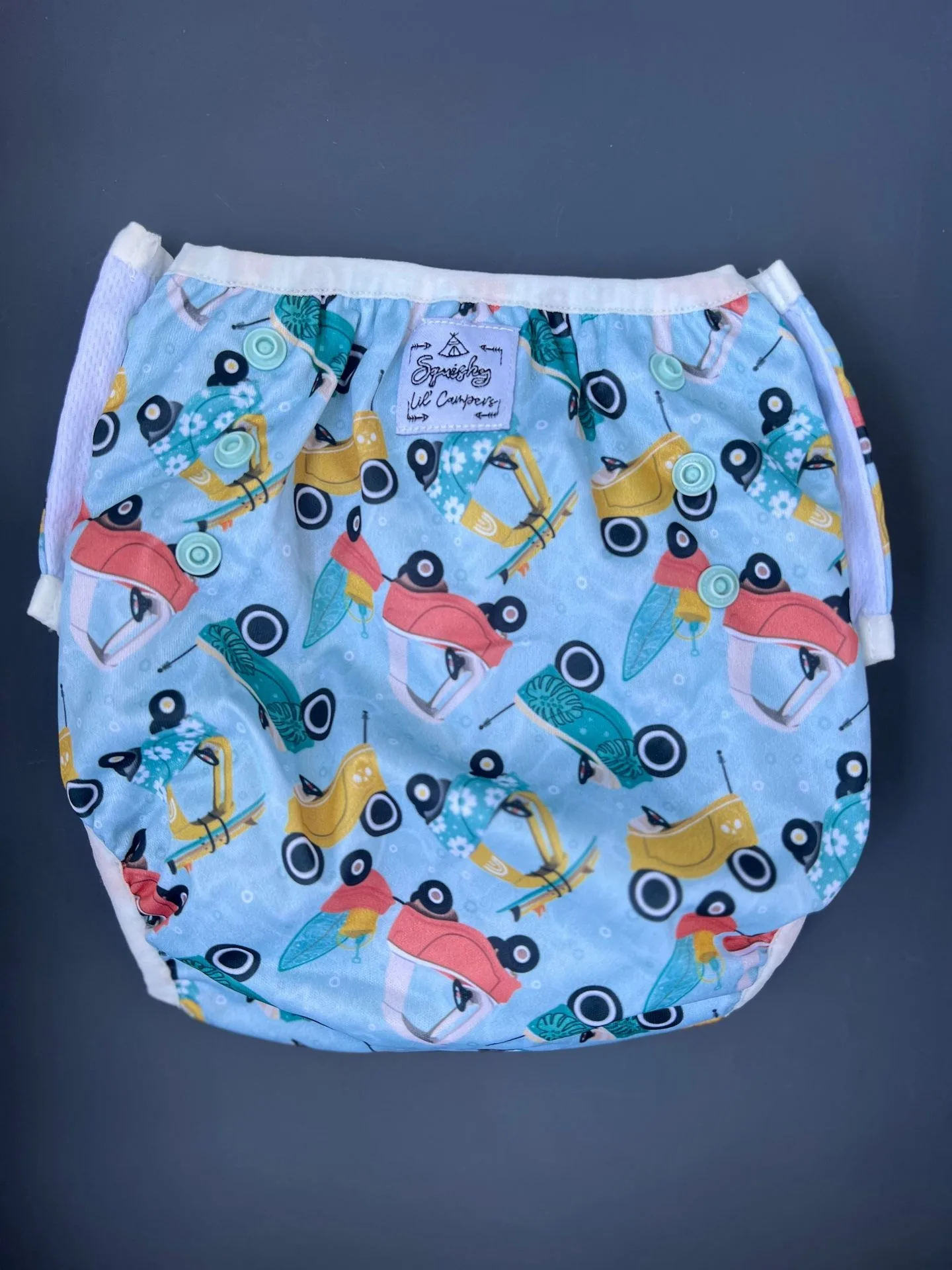
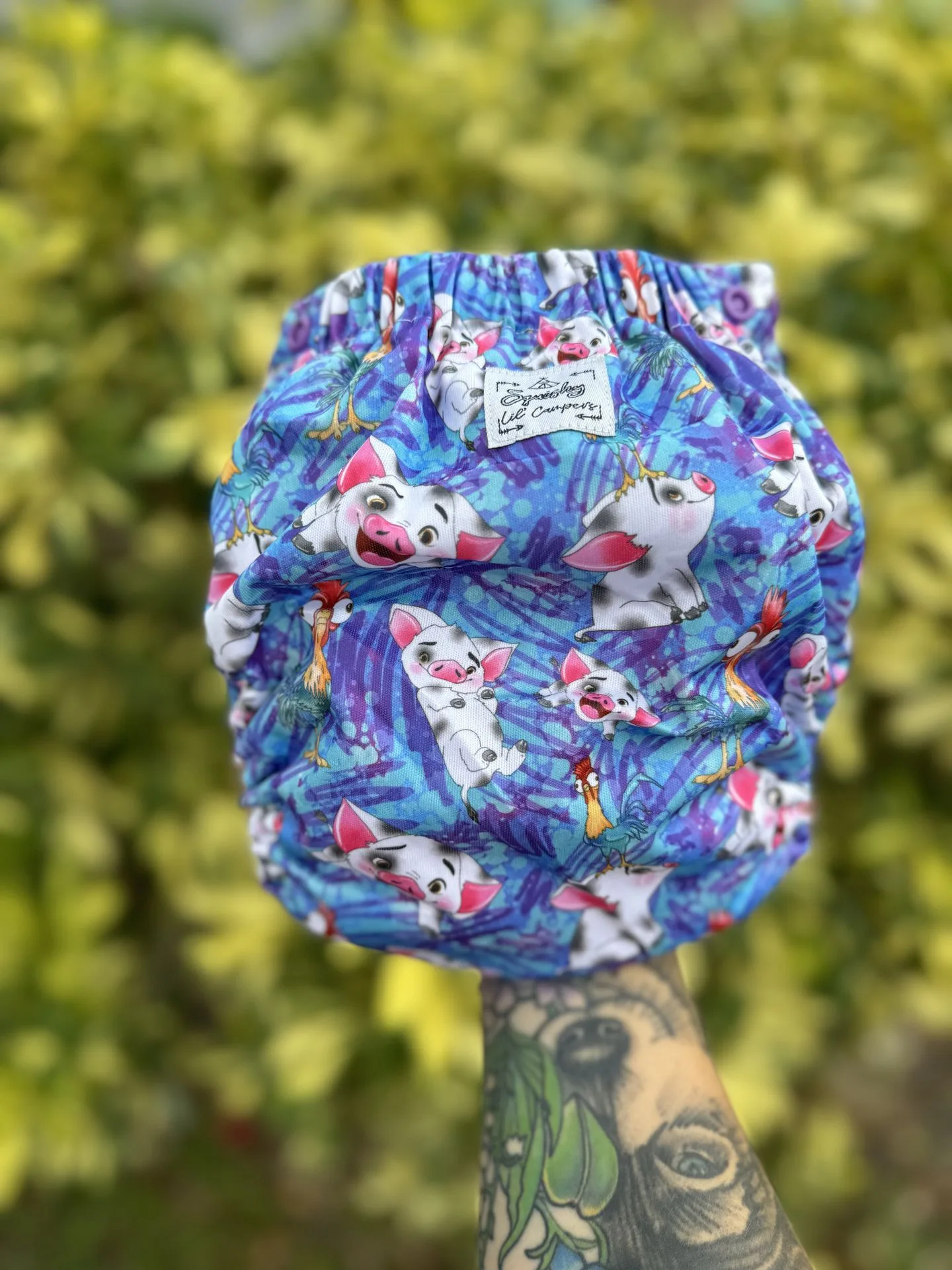
- Fishing Gear-Swimmer: Swimmers are lined with TPU on the outside and layered with AWJ on the inside. The elastics around the waist and legs are super stretchy easy to pull up and down when needed but also come equipped with snaps just in case of an accident! The AWJ inner wicks moisture away from skin, while TPU keeps the outer barrier waterproof—useful for swim sessions where wetness is unavoidable.
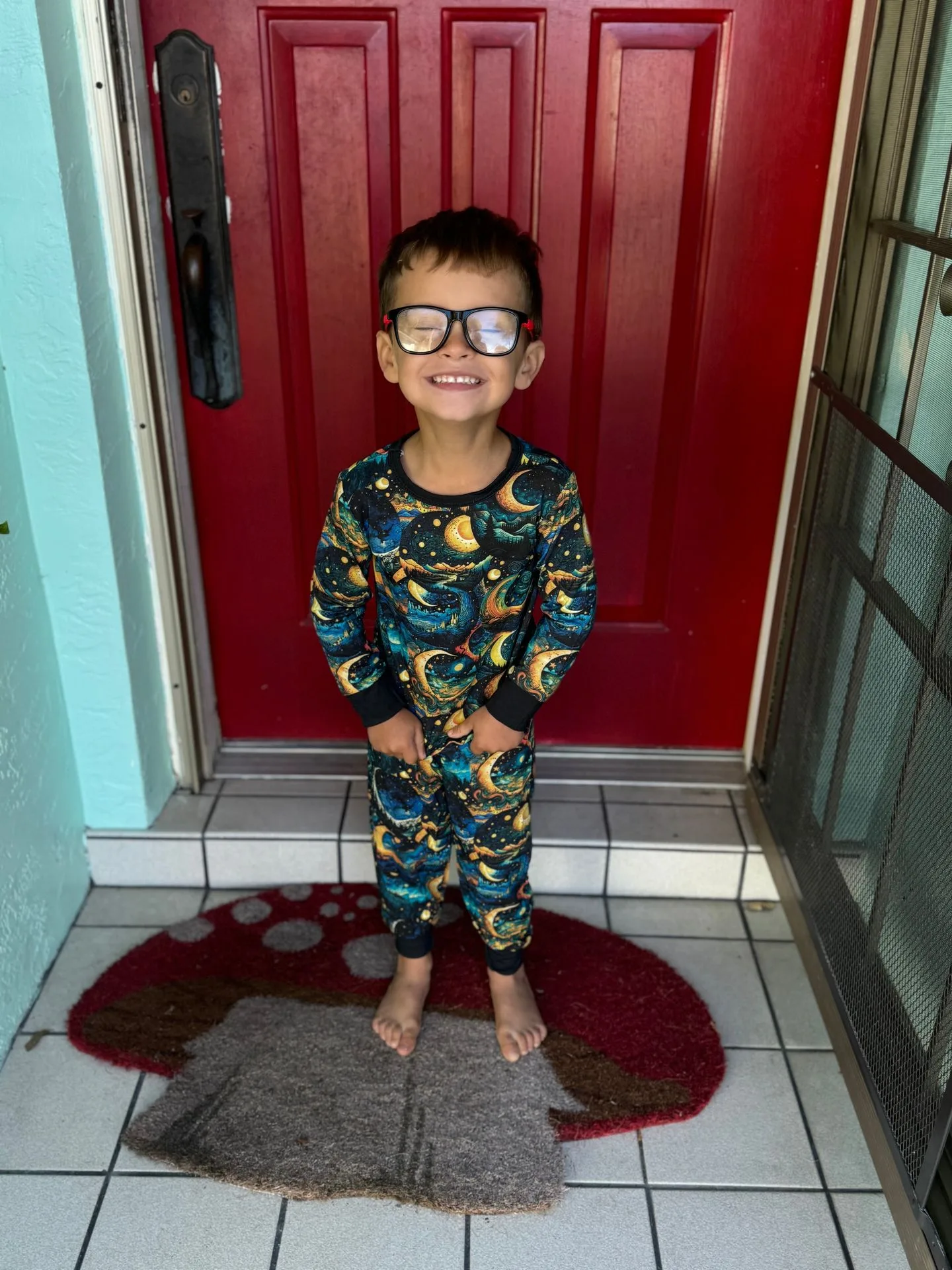
- Grannies-Trainers: Trainers are lined with bamboo terry, come pre-padded with 3 layers of bamboo and they have a wide front and back elastic making it easy for those littles to still pull up and down. Bamboo terry is soft and absorbent, and the wide elastic reduces friction—two factors that help prevent rash during potty training.
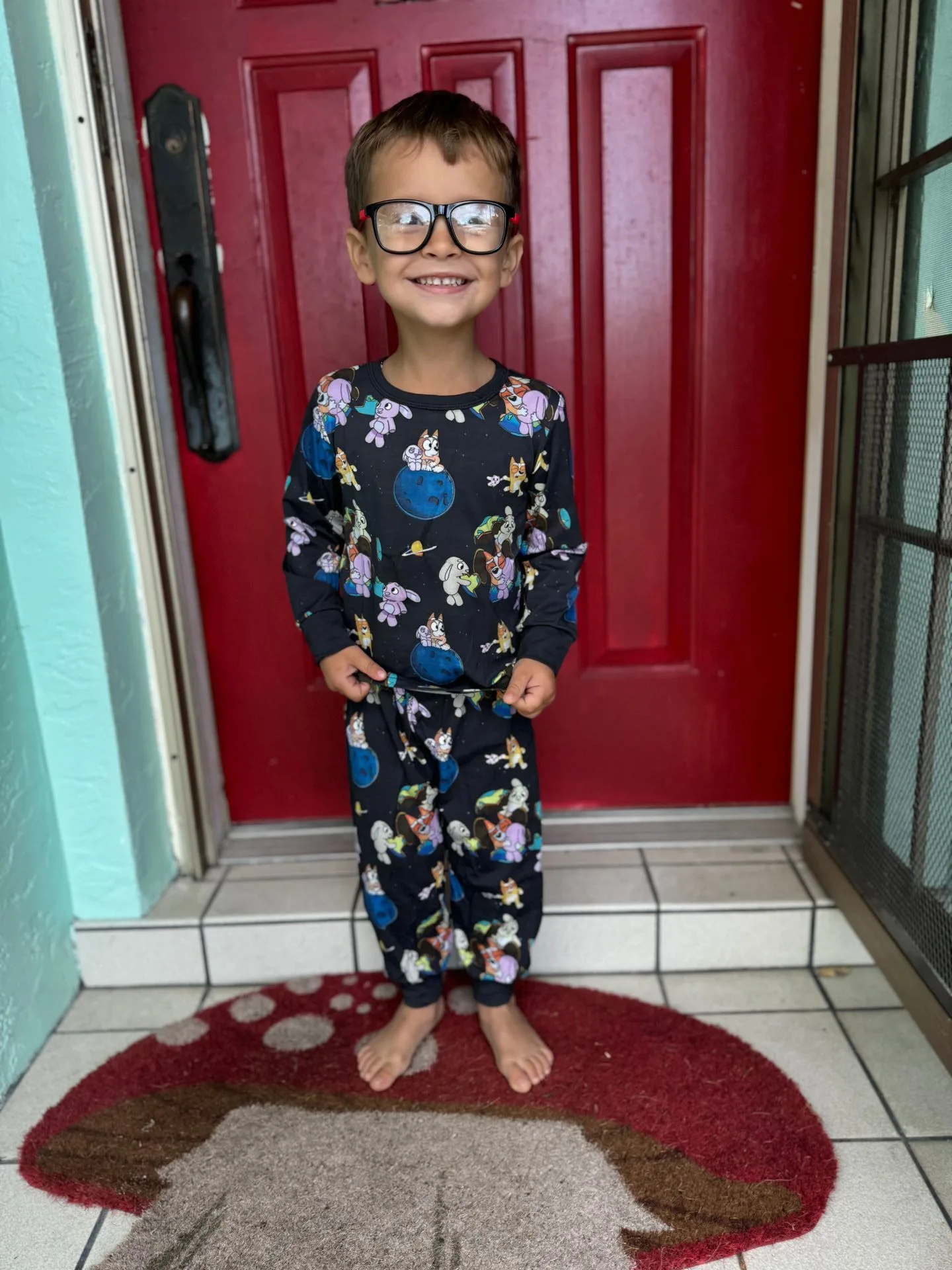
- Animal Companions-Trainer: Trainers are lined with bamboo terry, come pre-padded with 3 layers of bamboo and they have a wide front and back elastic making it easy for those littles to still pull up and down. Same bamboo terry lining and wide elastic as the Grannies-Trainers, offering another print option with the same rash-friendly design.