Quick answer
Meat snack sticks can be a healthy high-protein snack, but only if you read the ingredient list and compare the nutrition panel. The myths below are common because snack sticks vary widely: some use simple, recognizable ingredients, while others rely on fillers and heavy processing. Use the label, not the category, to judge any stick.
Myth 1: All meat snack sticks are ultra-processed junk
Verdict: False. Processing covers a wide range, from grinding and seasoning meat to adding binders, fillers, and artificial preservatives. A snack stick made from beef or turkey with a short ingredient list is not the same as a highly formulated product. The practical move is to flip the package and read the ingredients: if you recognize the items and the list is short, the stick is likely a simpler choice than the category stereotype suggests.
Myth 2: Snack sticks are too high in sodium to be a healthy snack
Verdict: Partly true, and it depends on the stick. Sodium is used in cured and dried meat products, so some sticks are high in salt. If you are watching sodium, compare the milligrams per stick across brands and choose one that fits your daily target. Pairing a stick with fresh fruit or vegetables can also balance the overall snack. The key is that sodium content is not identical across all meat sticks, so a blanket claim is misleading.
Myth 3: High protein means the snack is automatically healthy
Verdict: False. Protein is one useful number, but it does not tell you about ingredients, sodium, or added sugar. A stick can be high in protein and still contain fillers or sweeteners you would rather avoid. Treat protein as one checkpoint, not the whole decision. Compare the full panel, then decide whether the stick fits how you eat.
Myth 4: Meat sticks are only for athletes and hikers
Verdict: False. A meat snack stick is simply portable protein. It works for an office drawer, a school lunch add-on, a road trip, or an afternoon snack at home. The format is convenient because it does not need refrigeration before opening and does not require preparation. That makes it useful for many routines, not just extreme activity.
Myth 5: If it says 'jerky' or 'stick,' the ingredients are basically the same
Verdict: False. Jerky and snack sticks are different formats, and even within sticks, recipes differ. Some use grass-fed beef, some use turkey, and some are mini-sized for kids or portion control. The only reliable comparison is the ingredient list and nutrition panel on the specific product you are holding. Do not assume two meat snacks are interchangeable just because the words on the front are similar.
Myth verdicts at a glance
- All meat sticks are ultra-processed junk: Ingredient lists vary widely. Short, recognizable lists exist and are worth seeking out. Verdict: False
- Snack sticks are always too high in sodium: Sodium levels differ by product. Compare milligrams per stick against your daily target. Verdict: Depends on the stick
- High protein equals healthy: Protein is one number. Check ingredients, sodium, and added sugar too. Verdict: False
- Meat sticks are only for athletes: They are portable protein for offices, lunches, travel, and everyday snacking. Verdict: False
- Jerky and sticks are basically the same: Format and recipes differ. Read the specific product label, not the category name. Verdict: False
How Chomps sticks fit the label check
- Original Beef: Original Beef is a smoky beef jerky stick with black pepper spice. A simple, recognizable flavor profile makes it easy to compare against the myths above without added complexity.
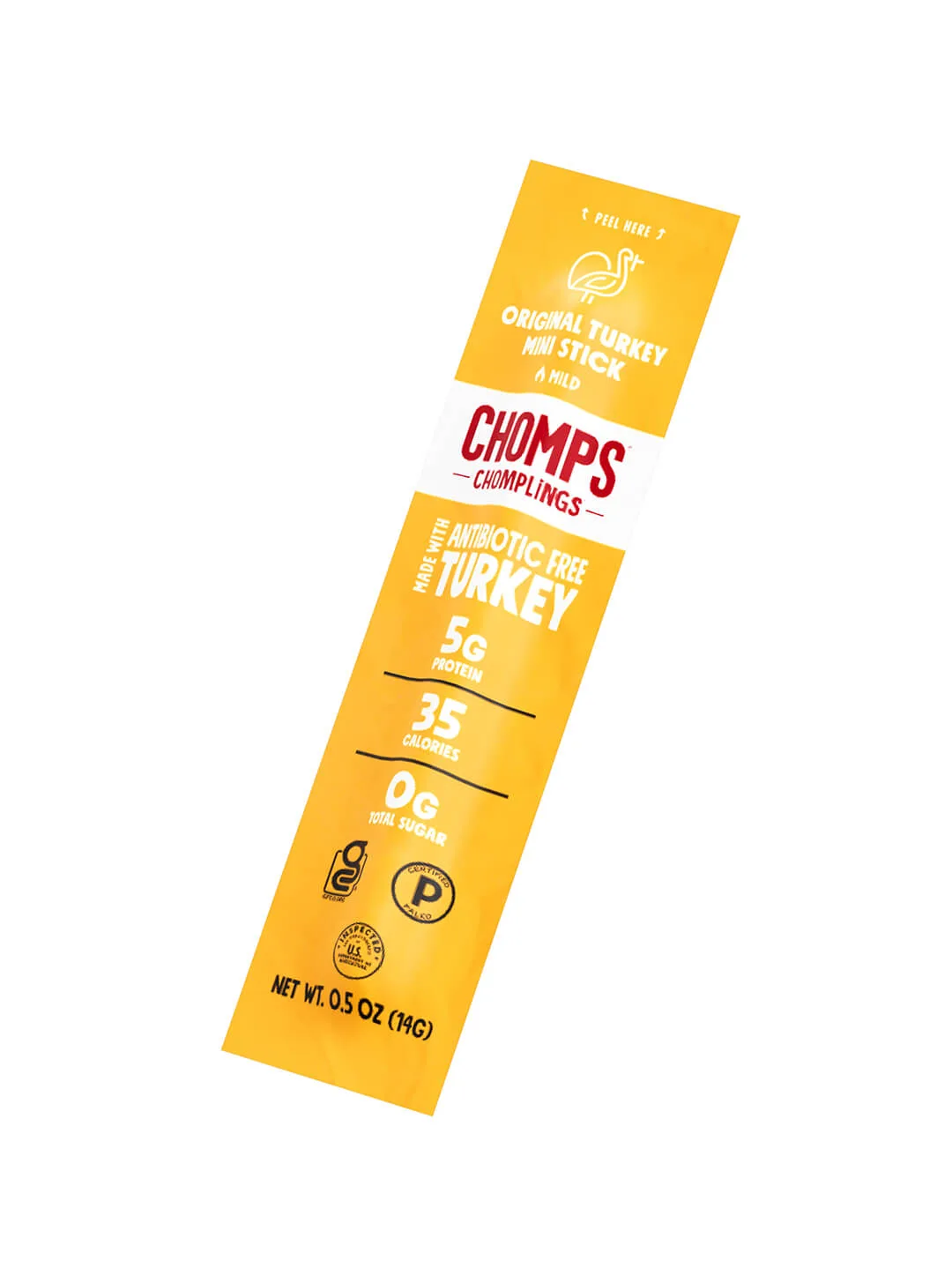
- Original Turkey Chomplings: Original Turkey Chomplings are mini jerky sticks with a slightly smoky, slightly spicy flavor. The mini size helps with portion control, which is useful if you want a smaller protein snack rather than a full-size stick.
- Sea Salt Beef Chomplings: Sea Salt Beef Chomplings are mini sticks made with grass-fed beef, sea salt, and a hint of garlic. A short, recognizable ingredient list is exactly what to look for when checking whether a snack stick fits your definition of healthy.