Quick answer
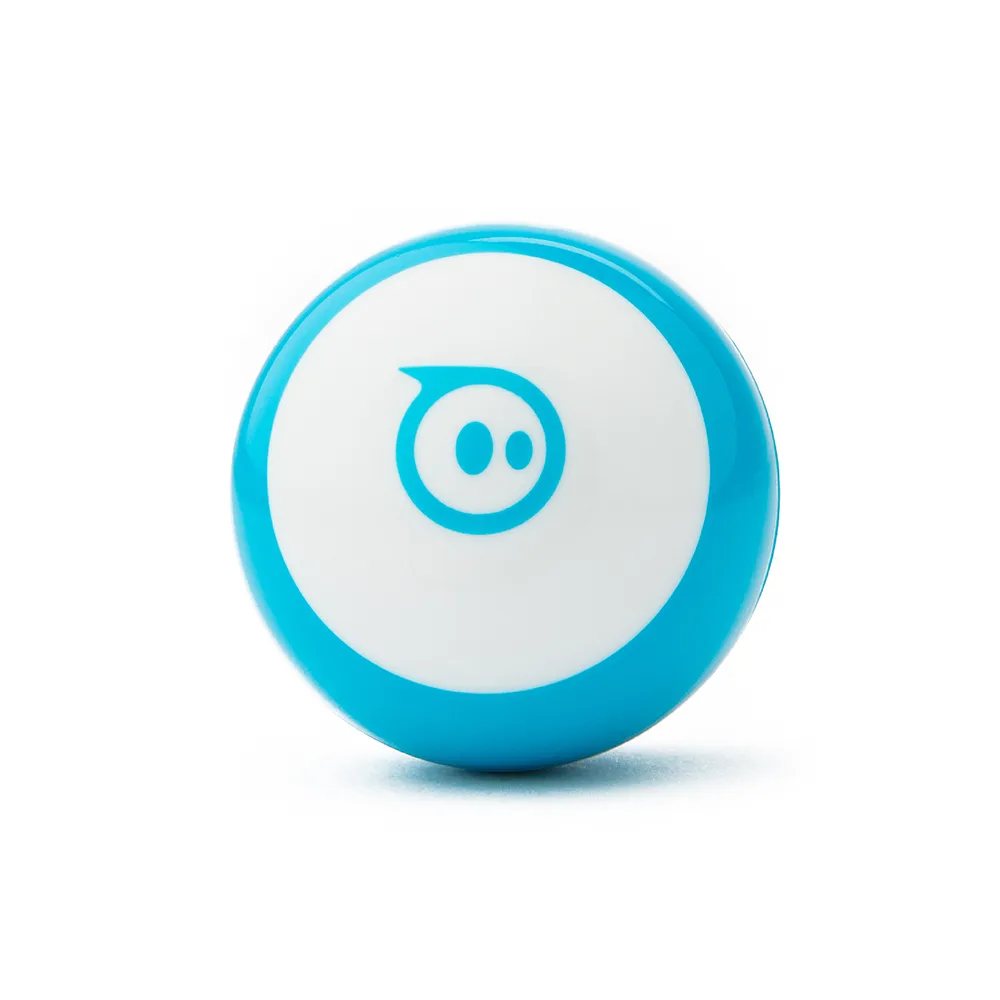
Sphero's curriculum is the free, standards-aligned lesson content; an Education Pack is the classroom hardware bundle that makes those lessons teachable at scale. You do not need to buy a pack to read the curriculum, but you do need enough robots and mats for the number of students you plan to teach. For most elementary and middle school classrooms, start with the BOLT Power Pack + Code Mat and build lessons from the free Sphero Edu activities rather than writing a coding curriculum from scratch.
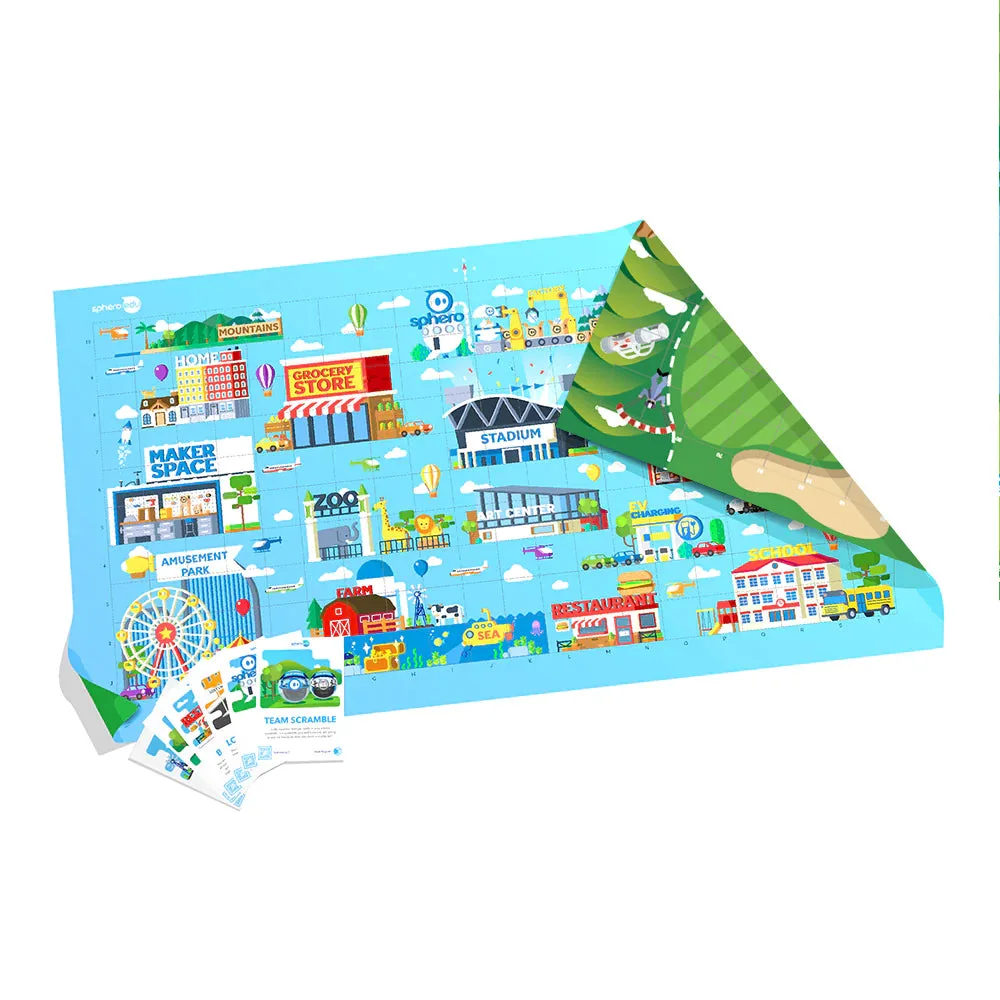
Code Mat
What exactly is Sphero curriculum versus an Education Pack?
Curriculum means the lesson plans, activities, and teacher materials that live in Sphero Edu and Sphero's teacher resources. They cover coding, math, science, and cross-curricular projects, and they are organized by grade band and difficulty so you can pick an activity and run it. An Education Pack is a hardware purchase: multiple robots, charging, and often accessories or mats, sized for a classroom rather than a single learner. The two are designed to be used together, but they are separate decisions. You can preview and plan lessons before any hardware arrives, and you can own robots without ever using the full lesson library.
- Curriculum = content and teacher guidance, generally free to access.
- Education Pack = the robots, charging, and classroom-scale kit.
- Your real constraint is student-to-robot ratio, not lesson availability.
Do I need an Education Pack to teach Sphero lessons?
No, not to read or plan the lessons. You need hardware to run them with students. A single robot works for demonstrations, small groups, or a station rotation, but a full class of 25 students sharing one robot turns a 40-minute coding lesson into a waiting line. Education Packs exist to solve that ratio problem, and they usually bundle charging and storage so devices are ready between periods. If your budget only stretches to one robot this year, plan station-based lessons and rotate groups rather than trying to run whole-class activities.
How do I plan a PK-12 coding progression without repeating lessons?
Map by skill, not by robot. In the early grades, focus on sequencing and cause-and-effect: draw a path, then make the robot follow it. In upper elementary, move to loops, conditionals, and sensor input. In middle school, add variables, functions, and data from sensors. In high school, shift toward project-based work where coding is a tool for a science or engineering outcome. Sphero's grade-banded activities already follow roughly this arc, so the planning job is choosing one anchor activity per grade band per term and letting students deepen it rather than jumping between unrelated projects. Write down what each grade band owns so the next teacher does not repeat it.
- Grades PK-2: sequencing, direction, prediction.
- Grades 3-5: loops, conditionals, sensor-triggered behavior.
- Grades 6-8: variables, functions, sensor data.
- Grades 9-12: project-based coding tied to another subject.
What should I check before buying a classroom pack?
Confirm three things: how many students will use it at once, whether the pack includes the mat or themed surface your lessons depend on, and how the robots charge and store between classes. The BOLT Power Pack + Code Mat is built for elementary and middle school classrooms and comes in two themed mat options, City/Golf or Space/Soccer, so the mat choice should match the activities you actually plan to run. Do not assume a pack includes every accessory; check the option list, because mats and similar items are often selected separately. If your lessons are mostly engineering builds rather than coding challenges, budget for replacement parts as well, since small components wear or disappear over a school year.
How do consumables and spare parts fit into curriculum planning?
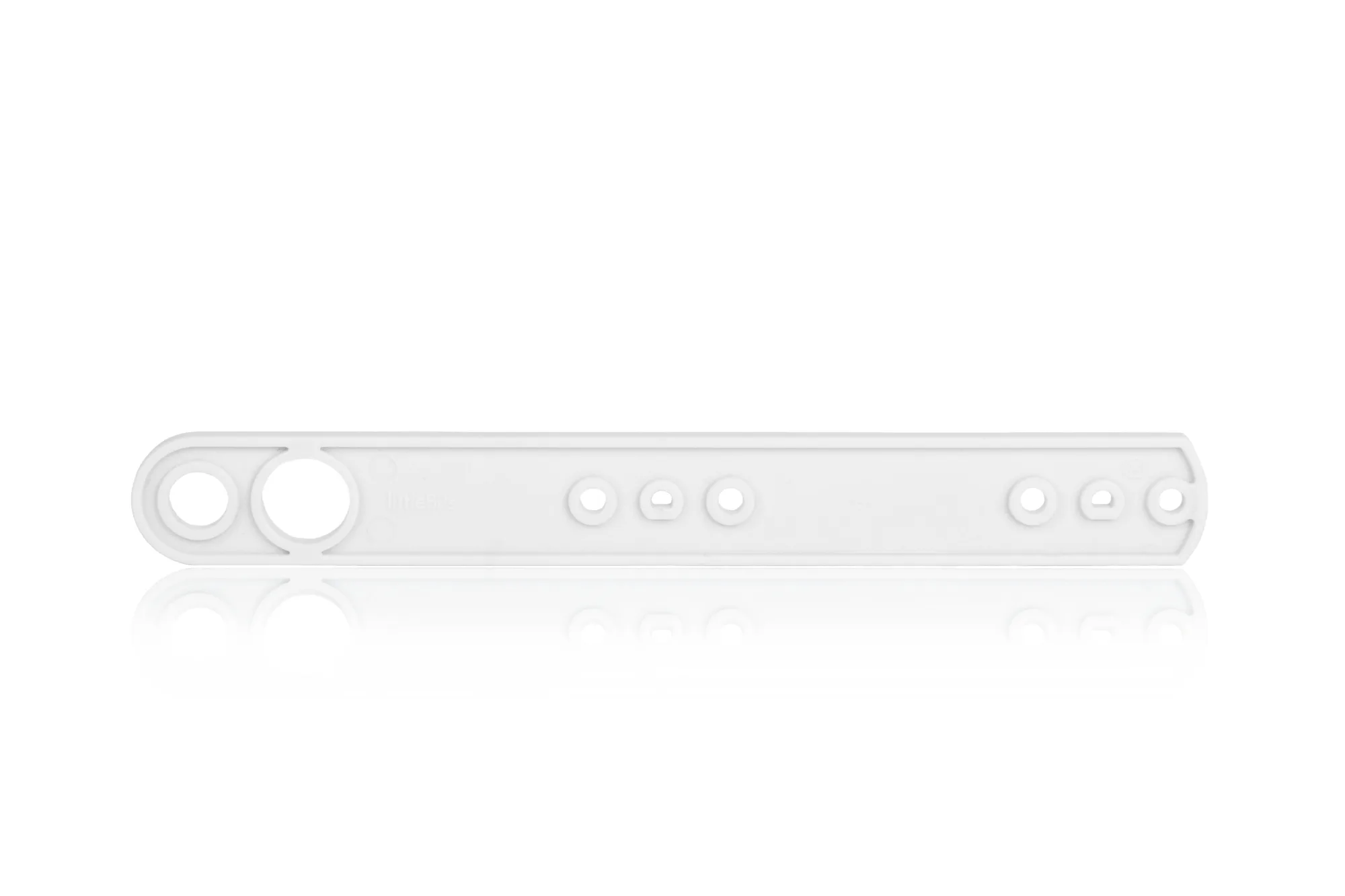
Any hands-on engineering unit consumes parts. Shaft collars, spacers, and pulleys are the items most likely to vanish or wear, and buying them in packs keeps a build lesson from stalling halfway through. Pulley packs come in 30mm, 45mm, and 90mm diameters with ten pulleys per pack, so match the diameter to the mechanism you are teaching rather than ordering a mix. Shaft collar and spacer packs come in several configurations, including 0.5x high strength collars, set screws, and 0.5x or 0.25x pitch options, which lets you restock the exact size your builds use. Treat these as curriculum supplies: if a lesson depends on a pulley, you need spares on the shelf before the lesson starts.
Where do teacher materials and training fit in?
Sphero's teacher-facing materials are the bridge between a curriculum document and a working classroom. They include activity guides, standards alignment, and professional development resources, and they are the fastest way to get a non-specialist teacher comfortable with the hardware. The practical move is to have one teacher pilot an activity, document what actually took the time, and hand that note to the rest of the team. A shared one-page log per grade band, listing the activity, the setup time, and the parts used, prevents the same lesson from being reinvented three times. If your school is new to robotics, run the pilot before committing to a full pack rollout so you know your real student-to-robot ratio.
FAQ: Sphero curriculum and pack decisions
Is Sphero curriculum free?
The lesson content and teacher materials are accessible without buying hardware; the purchase decision is about robots, mats, and classroom-scale kits. Plan lessons first, then size the hardware to your class.
How many robots does a class need?
It depends on your grouping. Whole-class lessons need roughly one robot per pair or small group; station rotations can work with far fewer. Decide your grouping model before choosing a pack size.
Does an Education Pack include the mat?
The BOLT Power Pack + Code Mat includes a coding mat, but it comes in two themed options, so the mat is a choice you make at purchase rather than a default. Pick the mat theme that matches your planned activities.
What breaks or disappears most often?
Small engineering components such as pulleys, shaft collars, and spacers are the usual losses in hands-on build units. Keep spare packs on the shelf before the unit starts.
How do I avoid repeating lessons across grades?
Assign each grade band an anchor skill, from sequencing in early grades to project-based coding in high school, and record what each band covers. One shared log per grade band prevents duplication.
Products that support this planning
- BOLT Power Pack + Code Mat: The BOLT Power Pack + Code Mat is an education pack designed for elementary and middle school students, combining the BOLT+ robot with a coding mat, available in City/Golf or Space/Soccer themed mat options. This is the classroom-scale option that solves the student-to-robot ratio problem, and the two mat themes let you match the hardware to the activities you already plan to teach.
- Blueprint Pulley Packs: Blueprint Pulley Packs are replacement accessories containing ten pulleys of a single size, available in 30mm, 45mm, and 90mm options, compatible with Sphero builds. If your curriculum includes pulley-based engineering builds, ordering the correct diameter in a ten-pack keeps a lesson from stalling when a part wears out or goes missing.
- Blueprint Shaft Collar & Spacer Packs: Blueprint Shaft Collar & Spacer Packs keep Blueprint Engineering builds secure and precisely spaced, with options including a 0.5x High Strength Shaft Collar 10-Pack, High Strength Shaft Collar Set Screw 15-Pack, and 0.5x or 0.25x Pitch Shaft Collar packs. These are the small consumables that determine whether a build holds together, so restocking the exact size your lessons use is a curriculum supply decision, not an afterthought.