Quick answer
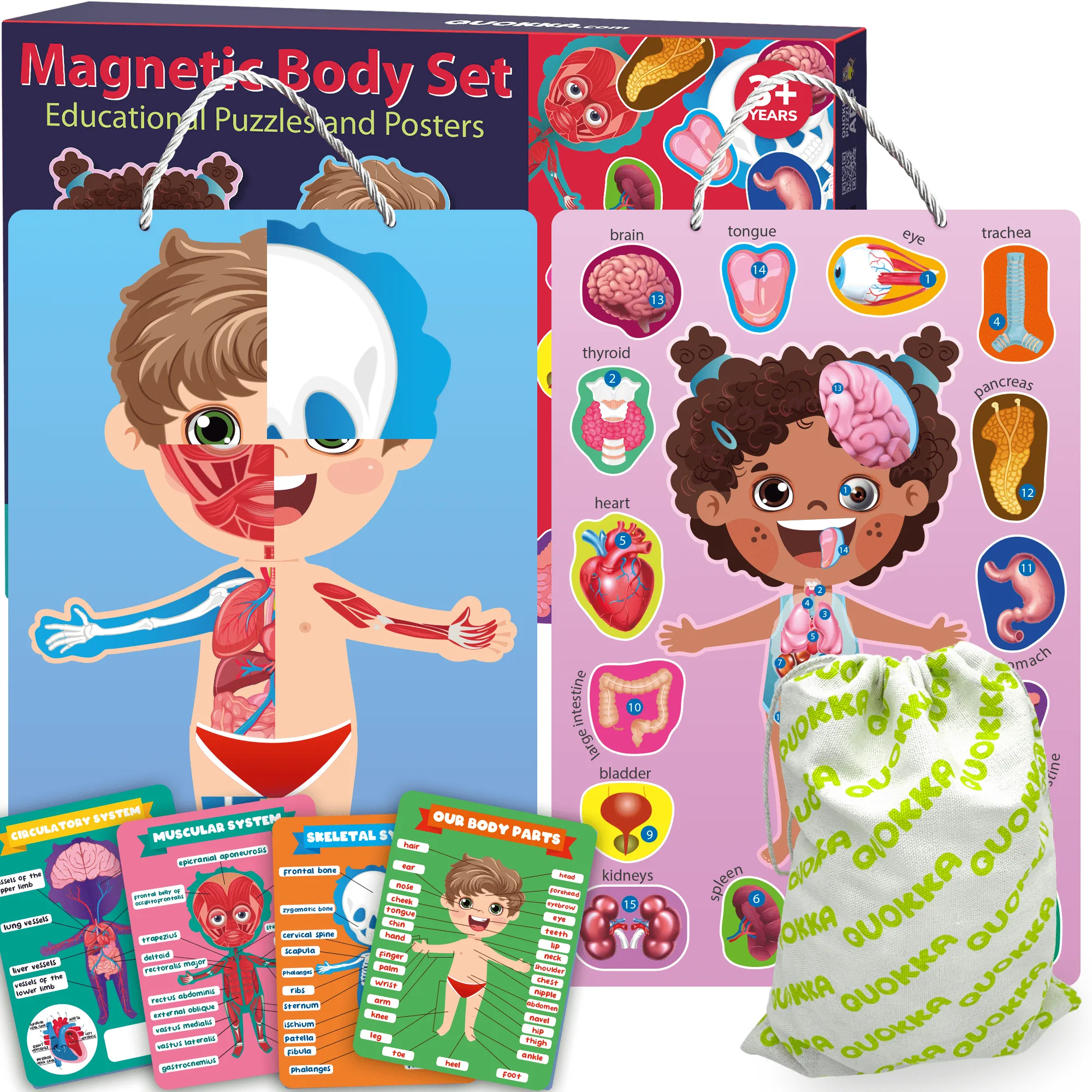
Magnetic dress-up dolls are a solid quiet-time choice for kids roughly 3 and up because the pieces cling without frustration and the play stays self-contained. For toddlers under 3, chunky wooden puzzles are safer and easier to handle. If you want a screen-free travel option that also builds fine motor skills, a magnetic puzzle book is the most practical place to start.
What age actually works for magnetic dress-up dolls?
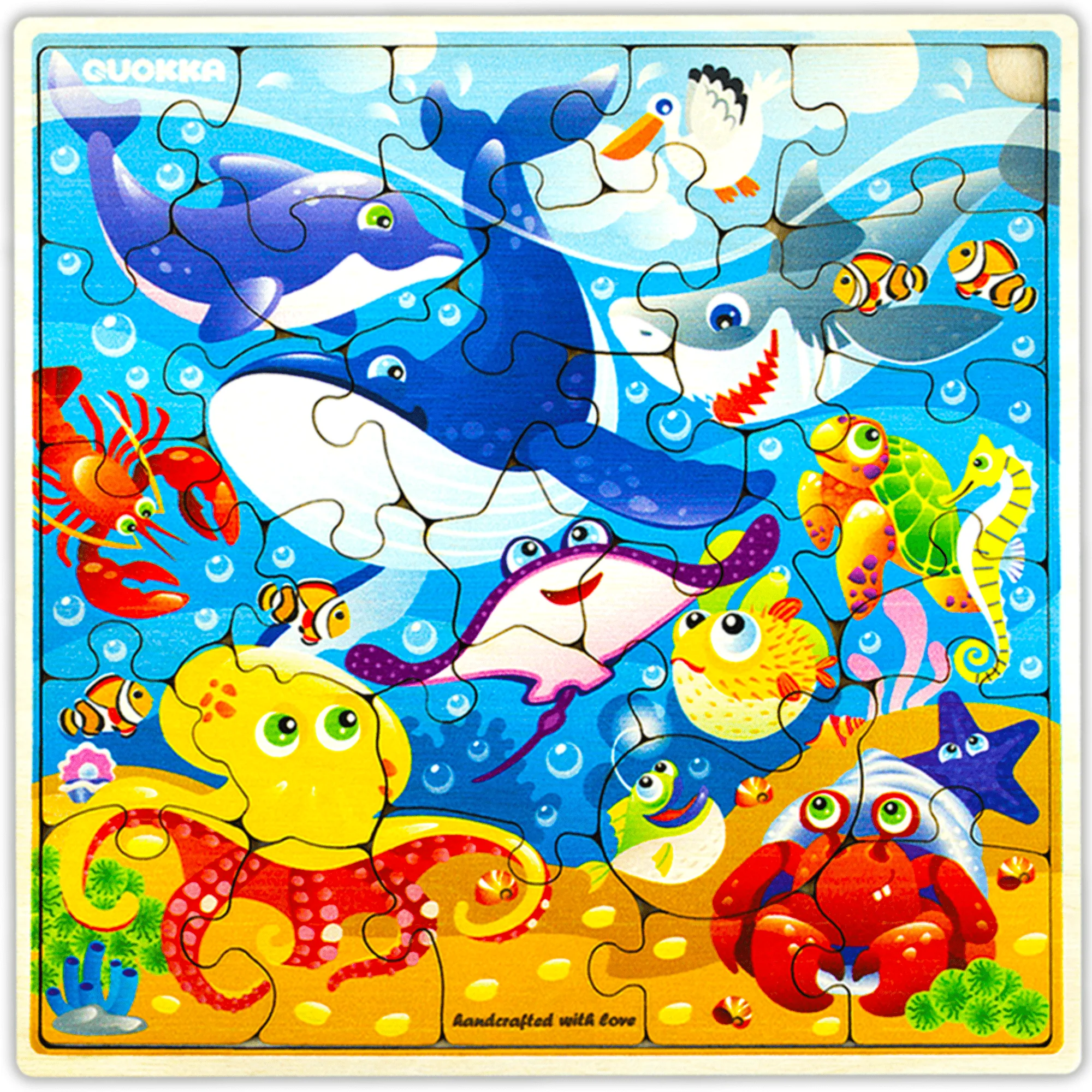
Most magnetic dress-up sets are designed for ages 3 and up because the pieces are small enough to need controlled hand movements. That lines up with the QUOKKA Magnetic Book 2x48 Pcs Puzzles for Kids, which is listed for kids 3 years and up. If your child is still mouthing toys or has limited pincer grasp, wait or choose a chunky wooden option instead. For a toddler who wants to join in, the 6 Chunky Puzzles for Toddlers set is rated safe for 12 months and up and uses a beginner-friendly format.
Do magnetic dress-up dolls really build fine motor skills?
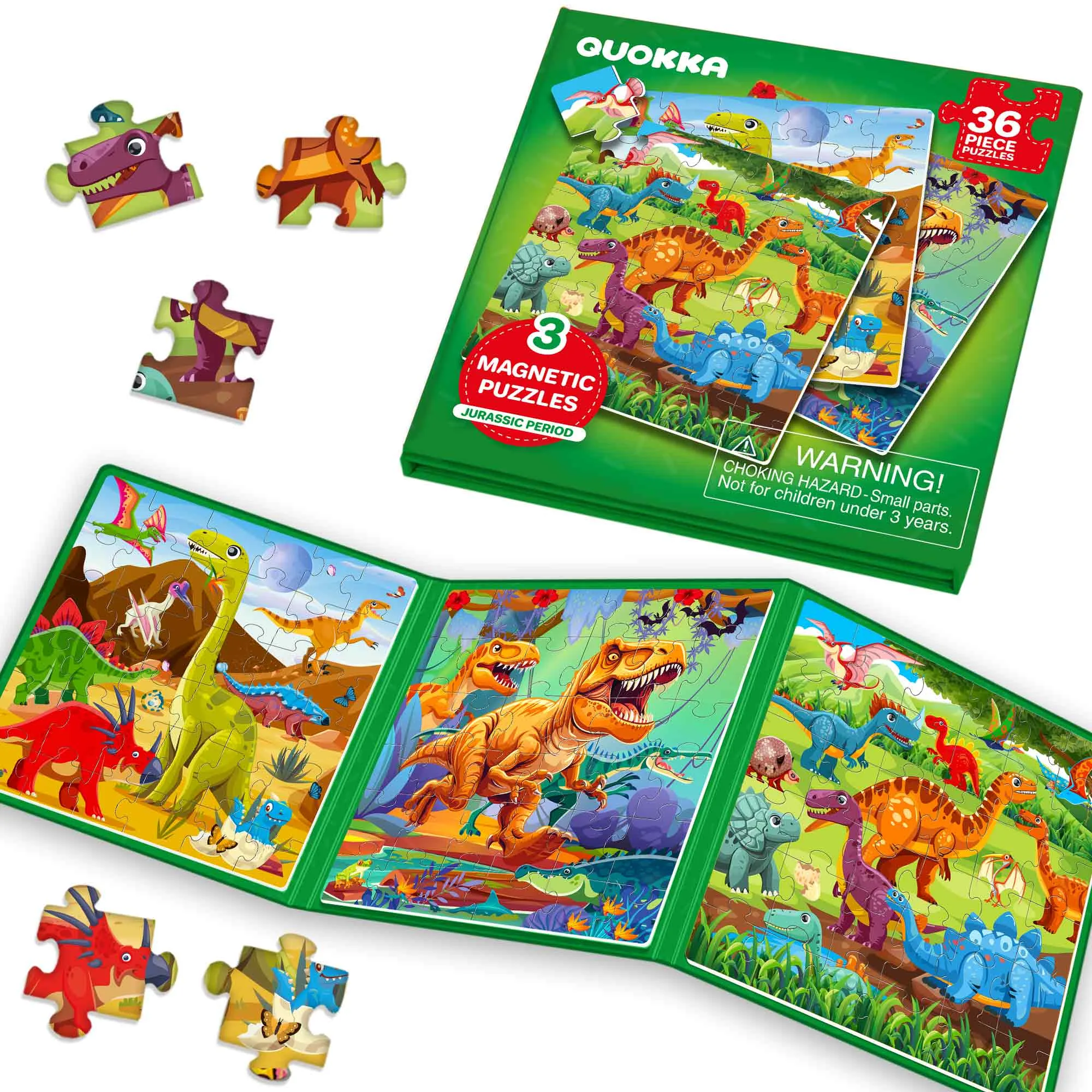
Yes, but in a specific way. Placing and repositioning small magnetic pieces asks a child to pinch, aim, and release, which is the same motion pattern used for buttons and zippers. The QUOKKA Magnetic Book uses 48-piece puzzles with unique cut lines, so there are no repeated or simple shapes to memorize. That means the child has to adjust grip and angle for each piece rather than relying on one easy motion. If you want a lower-demand fine motor toy for a preschooler, the 70 Piece Jigsaw Puzzles 50 Cards For Kids offers larger pieces and a different challenge.
Are magnetic dress-up dolls good for travel and quiet time?
They work well for travel because magnetic pieces stay attached to the book or board, so you are not chasing pieces under airplane seats or restaurant tables. The tradeoff is that magnetic sets are usually smaller than floor puzzles, so they suit a tray or lap rather than a large floor space. For quiet time activities for kids, the main advantage is that the play is self-contained and does not need a screen, batteries, or a flat surface beyond what is already in front of them. If your child prefers a bigger build, a floor puzzle is better at home but harder to pack.
How do magnetic dress-up dolls compare to magnetic puzzles?
Dress-up dolls focus on pretend play with outfits and characters, while magnetic puzzles focus on assembling a picture. Both use magnets to hold pieces in place, but they ask for different attention. A magnetic puzzle book like the QUOKKA Magnetic Book gives you two complete scenes, Farm and Forest, with 48 pieces each. That structure suits a child who likes a clear finish line. Dress-up dolls suit a child who prefers open-ended storytelling. If you are unsure, start with the puzzle format because it is easier to reset and store.
What should parents check before buying?
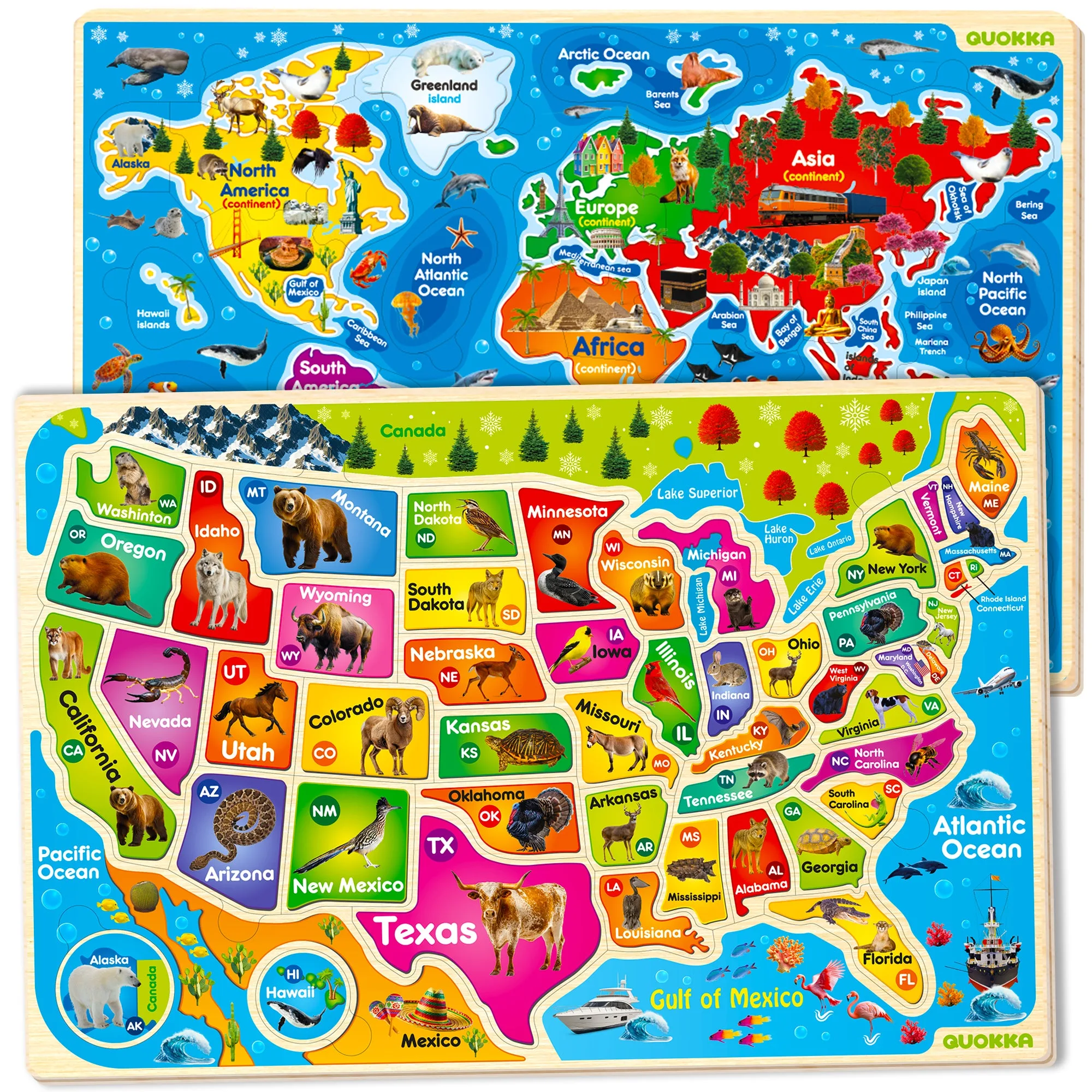
Check the age rating, the number of pieces, and whether the set stores flat. The QUOKKA Magnetic Book lists 48 pieces per puzzle and two themes, which is enough variety for repeat quiet time without becoming a cleanup project. The 6 Chunky Puzzles for Toddlers gives you six separate puzzles with themes including Animals, Shapes, Numbers, and Alphabet, which is better for a child who needs shorter, simpler wins. The 70 Piece Jigsaw Puzzles 50 Cards For Kids adds 50 double-sided educational cards, which is useful if you want geography learning alongside the puzzle. None of these sets list a piece count for every single item, so treat the listed counts as the reliable number.
Parent FAQ at a glance
Best age to start
Magnetic dress-up dolls and magnetic puzzle books are generally for ages 3 and up. For 12 months to 2 years, choose chunky wooden puzzles instead. Match the toy to the child's current grasp, not the age on the box alone.
Quiet time without screens
Magnetic sets keep pieces attached, so they work in a car, on a plane, or at a table without constant rescue. Pair them with a small tray for easier cleanup. One magnetic set plus one chunky puzzle covers both travel and home quiet time.
Fine motor value
Pinching and placing small magnetic pieces builds the same hand control used for buttons and zippers. Unique cut lines mean the child cannot rely on one repeated motion. Choose sets with varied piece shapes if fine motor practice is the goal.
What to verify before checkout
Confirm the age rating, piece count, and storage format. If a listing does not state a piece count for every item, treat the listed count as the only reliable number. Buy the set that matches your child's patience and your storage space.
Product facts
- Magnetic Book 2x48 Pcs Puzzles for Kids | Farm & Forest: Each child puzzle has a full-color picture that consists of 48 pieces, with two magnetic jigsaw puzzles: Farm and Forest. Two complete scenes give you repeat quiet-time play without needing extra pieces or a screen.
- 6 Chunky Puzzles for Toddlers - Animals, Numbers, Alphabet: Pack of 6 chunky puzzles with themes including Animals, Shapes, Numbers and Alphabet, safe for toddlers 12 months and up. A safer first puzzle option for toddlers who are not ready for small magnetic pieces.
- 70 Piece Jigsaw Puzzles 50 Cards For Kids | USA: QUOKKA USA jigsaw puzzles for kids ages 4-6 come with 70 pieces and 50 educational double-sided cards. Adds a geography learning layer for older preschoolers who want more than a single puzzle.