Quick answer
CoyoteWhiskers are not a magical coyote force field. They are a visual and physical deterrent that can make a coyote hesitate or change its approach, but they do not guarantee your dog will be safe. Use them as one layer in a broader coyote prevention plan that includes loud sound, high-visibility gear, and body armor when the risk is high.
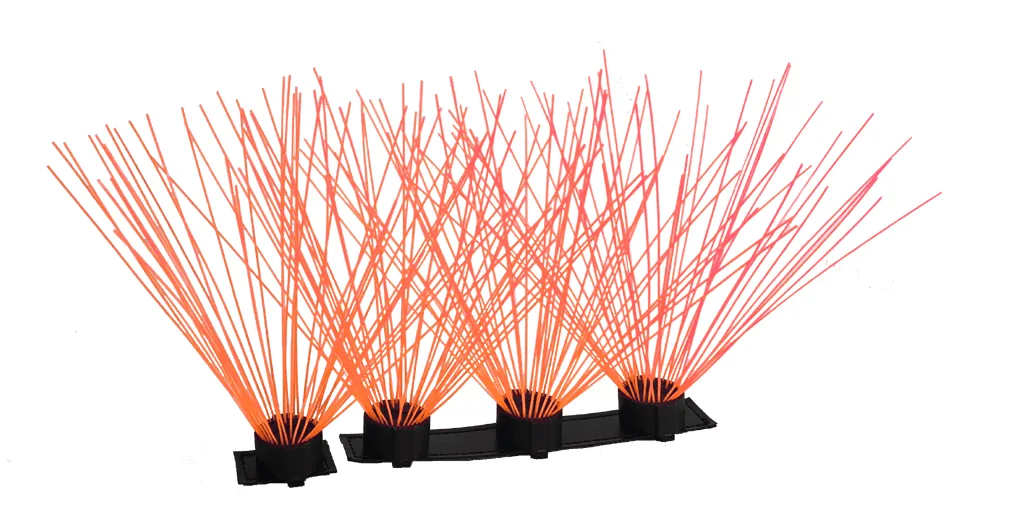
CoyoteWhiskers
What CoyoteWhiskers actually are (and what they are not)
CoyoteWhiskers are clear, flexible whisker-like attachments that clip onto a dog's collar or harness. They extend outward around the neck and face, creating an unfamiliar visual profile that can startle or confuse a coyote during a close approach. They are not a physical barrier, they do not emit sound or scent, and they do not stop a determined predator. Think of them as a hesitation tool: they buy you a second or two to react, not a guarantee of safety.
Myth 1: CoyoteWhiskers are a guaranteed coyote deterrent
No deterrent is guaranteed, and that includes CoyoteWhiskers. Coyotes are adaptable and individual behavior varies. Some may be startled by the sudden whisker outline; others may ignore it, especially if they are hungry or accustomed to urban environments. The honest expectation is that CoyoteWhiskers can reduce the chance of a surprise approach, but they cannot eliminate risk. Always supervise your dog outdoors, especially at dawn and dusk when coyotes are most active.
Myth 2: You only need CoyoteWhiskers for complete protection
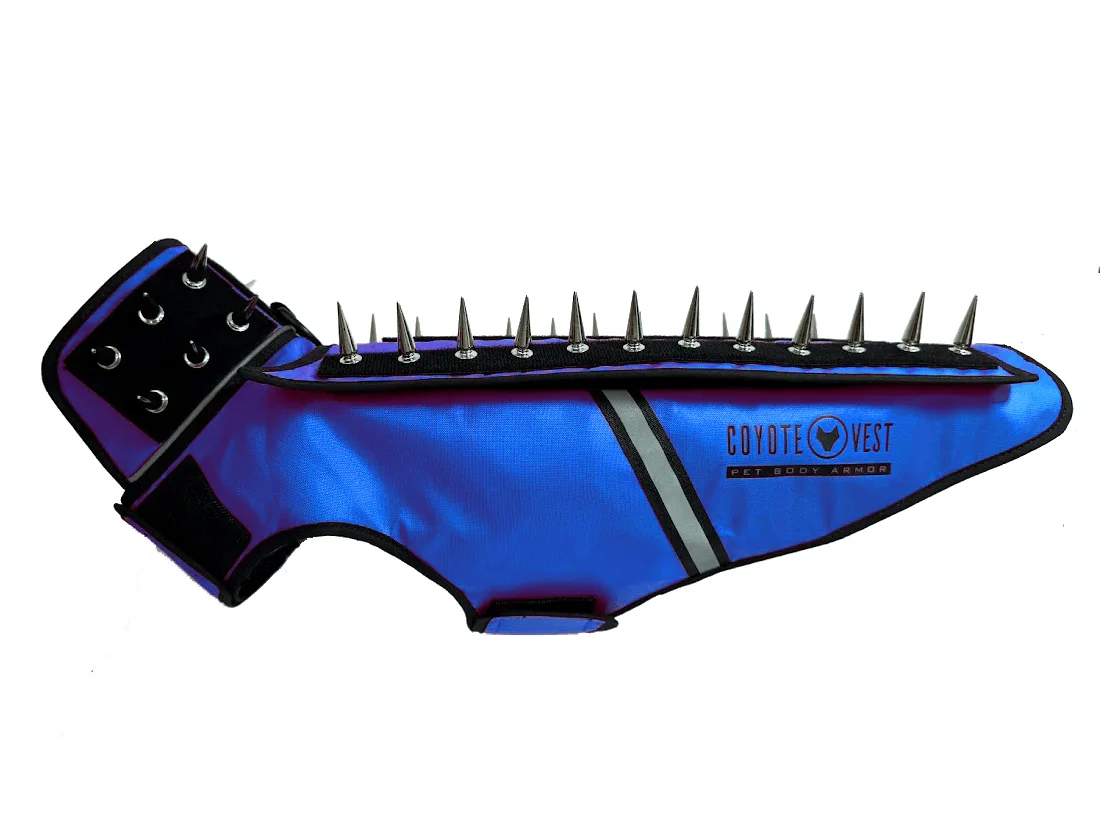
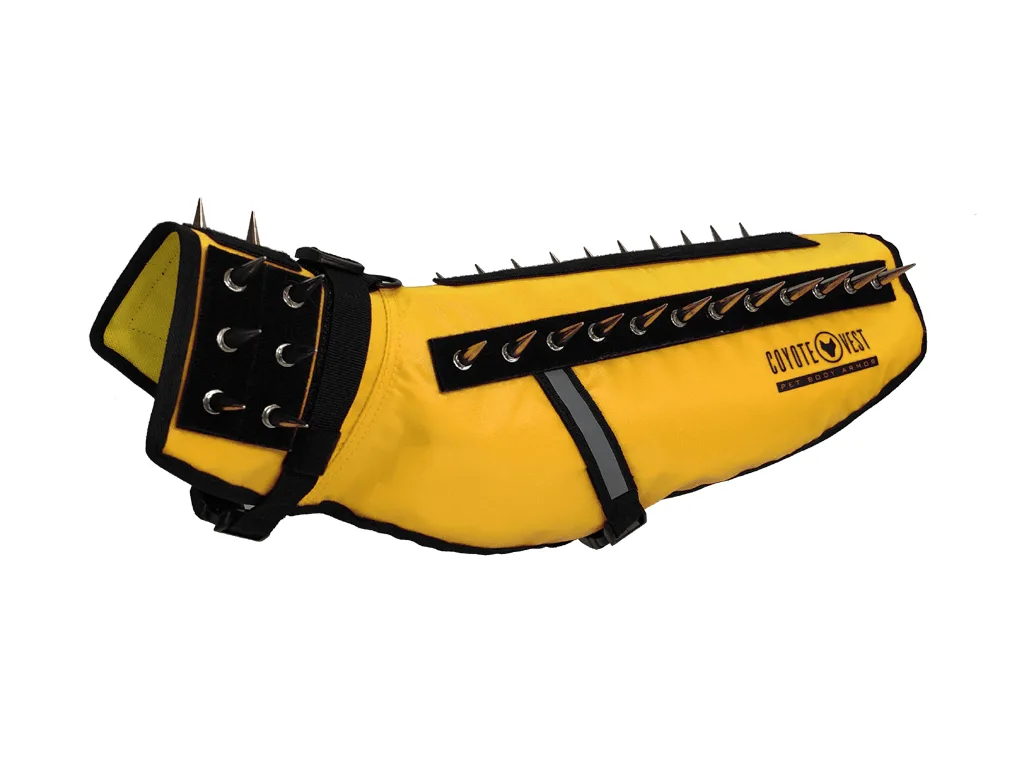
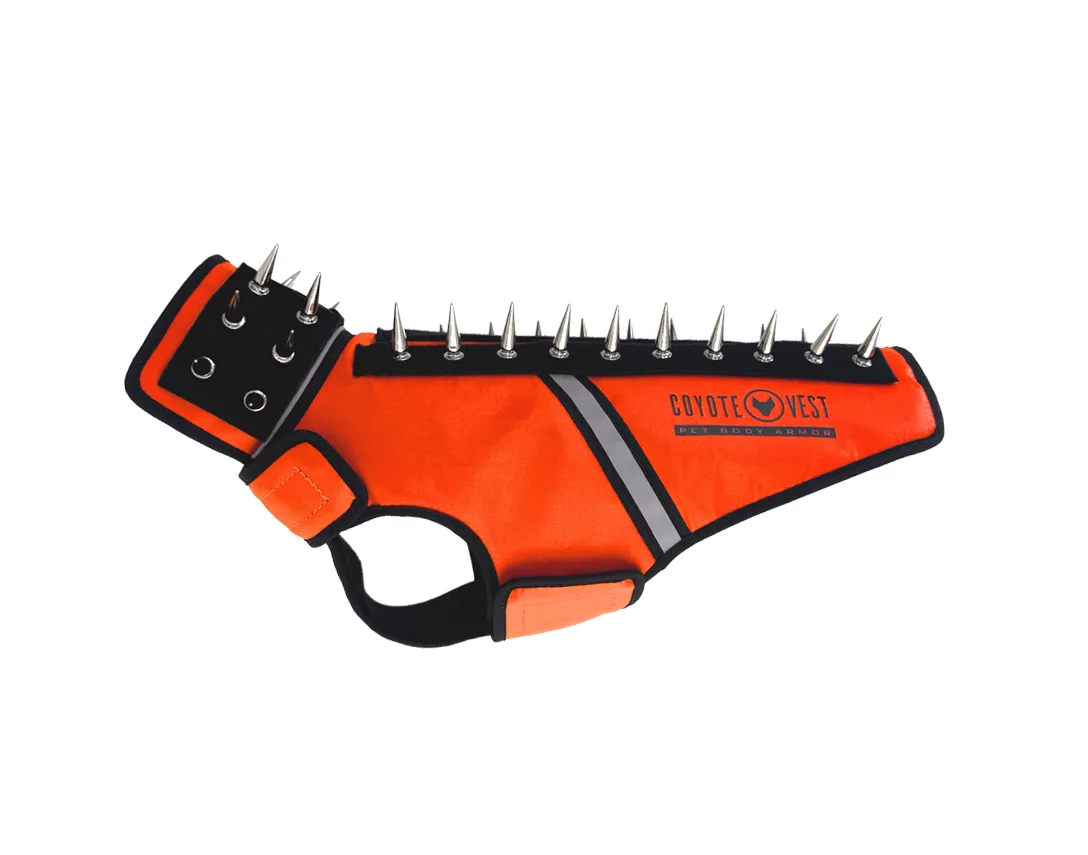
Relying on a single tool is a common mistake. A layered approach works better: use CoyoteWhiskers to disrupt a coyote's visual focus, add a loud whistle like the CoyoteWhistle to startle it and call your dog back, and consider body armor such as the CoyoteVest for high-risk situations. The CoyoteVest is patented body armor designed to slow down or prevent surprise attacks from coyotes, aggressive dogs, and birds of prey, giving you critical time to react. No single product does everything, but together they cover more scenarios.
What CoyoteWhiskers can realistically do for your dog
CoyoteWhiskers can make your dog look larger and more difficult to grab, which may cause a coyote to pause. That pause is your window to act: recall your dog, make yourself big, and use a loud noise. They are lightweight and unobtrusive, so most dogs tolerate them well. If your dog is uncomfortable, introduce them gradually with treats and short sessions. Remember that CoyoteWhiskers are a preventive accessory, not a substitute for training, supervision, or physical barriers like a secure fence.
Verdicts on common CoyoteWhiskers claims
- Claim: CoyoteWhiskers are a guaranteed coyote deterrent.: No deterrent is 100% effective. CoyoteWhiskers can startle or confuse a coyote, but they do not physically stop an attack. Use them as one part of a layered strategy. Verdict: Myth. Expect hesitation, not immunity.
- Claim: CoyoteWhiskers alone are enough to protect your dog.: Relying on one tool leaves gaps. Combine CoyoteWhiskers with a loud whistle like the CoyoteWhistle and, in high-risk areas, body armor such as the CoyoteVest. Verdict: Myth. Layering is essential.
- Claim: CoyoteWhiskers are uncomfortable and cruel.: They are lightweight and flexible. Most dogs adapt quickly with gradual introduction and positive reinforcement. If your dog shows persistent stress, consult a trainer. Verdict: Mostly myth. Fit and introduction matter.
Products that support a layered coyote prevention plan
- CoyoteWhistle: Police-grade whistle engineered to be exceptionally loud; a quick blow can startle a potential predator and get your dog's immediate attention. Pairs with visual deterrents by adding a sudden sound that can interrupt a coyote's approach and help you regain your dog's focus.
- CoyoteVest: Patented body armor designed to slow down or prevent surprise attacks from coyotes, aggressive dogs, and birds of prey; side panels are reinforced with stab-resistant material. Provides a physical layer of protection for high-risk situations, giving you critical time to react if a deterrent fails.