Quick answer
No, a detangling brush does not cause hair loss. Hair loss comes from what happens at the follicle, while a brush only touches the strands above the scalp. What a brush can influence is breakage, and that is where tool design, technique, and hair state matter. Choose a brush made for your hair type and detangle from the ends up.
Hair loss and hair breakage are not the same thing
Hair loss means hair leaving the follicle, the pocket in your scalp where each strand grows. Nothing you do with a brush at the ends of your hair changes that process. Breakage is different: it is a strand snapping along its length because of friction, tension, or weakness. When you see short broken pieces in the sink or on your brush, that is breakage, not loss. When you see long strands with a white bulb at the root, that is normal shedding or loss, and it is a scalp-level event.
This distinction matters because it changes what you can actually fix. You cannot brush your way into or out of follicle-driven hair loss. You can absolutely reduce breakage with a gentler tool and a slower routine, which is why detangling brush design exists in the first place.
Why a detangling brush can reduce breakage
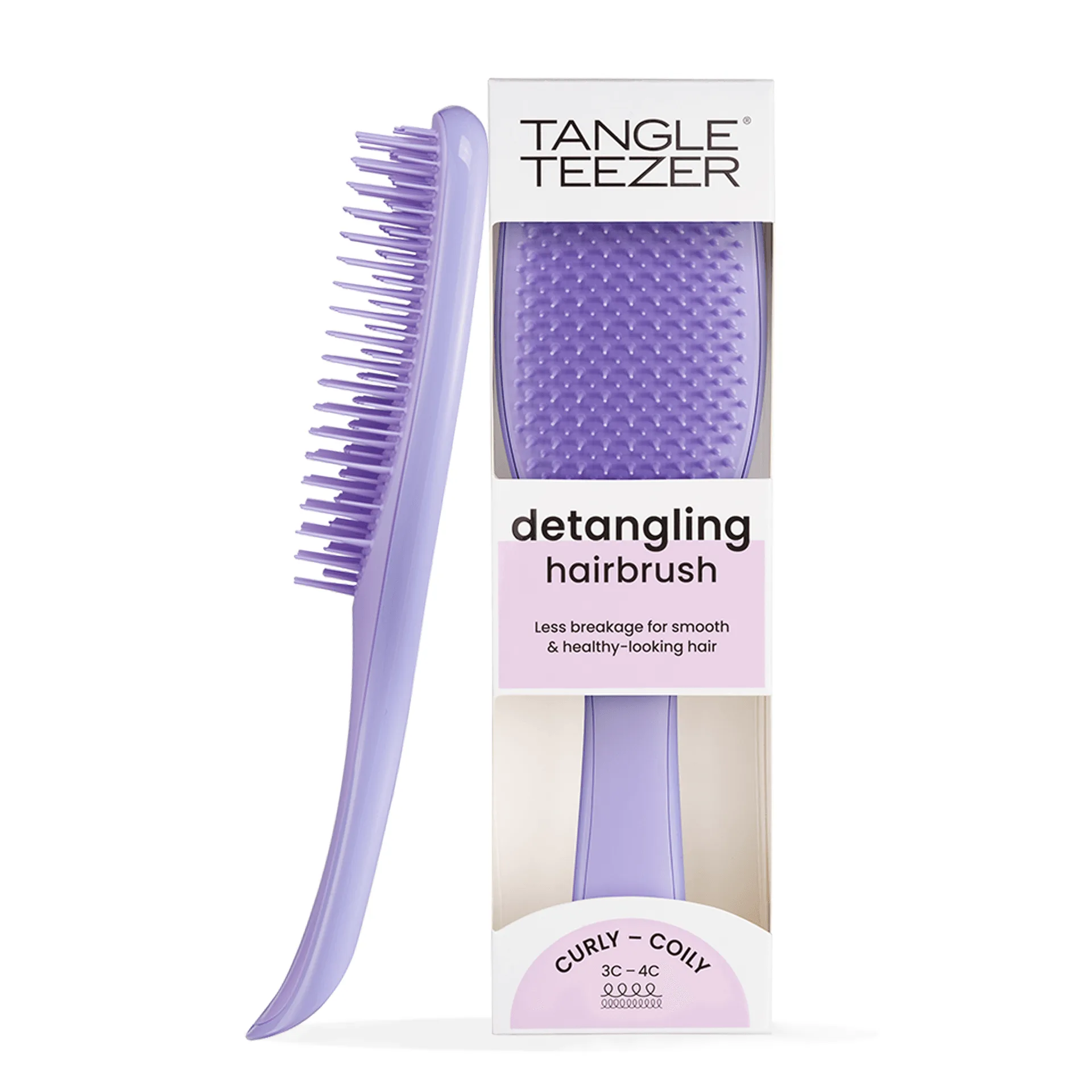
The whole point of a detangling brush is to separate knots with less tugging than a standard brush. Tangle Teezer's Ultimate Detangler uses patented two-tiered teeth: the long teeth work through tangles while the shorter teeth smooth the surface. That two-step action means less force is needed to get through a knot, and less force means less chance of a strand snapping.
The same logic applies to wet hair, which stretches and is more vulnerable. A brush designed for shower use, like the Ultimate Detangler, is built to be gentle on vulnerable, shower-fresh hair. If you are rough with any brush on wet hair, you can create breakage. The tool helps, but your technique still does the heavy lifting.
What actually causes the hair loss people blame on brushes
If you are losing more hair than usual, the cause is usually upstream of your brush: hormonal shifts, nutritional gaps, illness, stress, or certain medications. A brush can only collect hair that has already shed from the follicle. If 50 to 100 strands shed per day, as is typical, they have to go somewhere, and a brush is often where you notice them.
There is one brush-related scenario that can look like loss but is actually breakage: ripping through dry tangles with a tool that is not designed for them. That creates snapped strands, not lost follicles. The fix is not to stop brushing; it is to detangle more gently and in smaller sections.
How to brush so you protect hair, not stress it
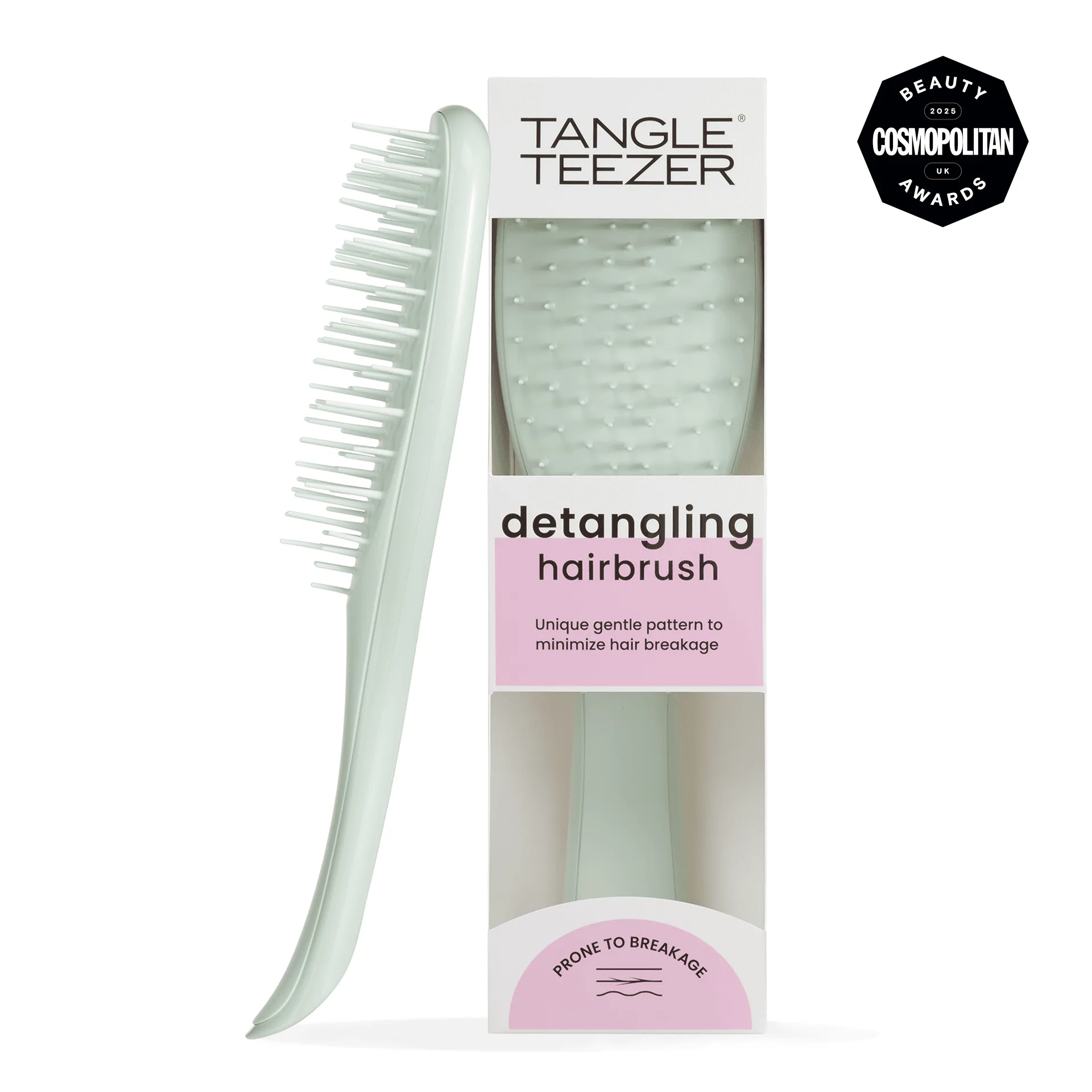
Start at the ends and work upward in small sections, holding the hair above the knot so the tension stays in your hand rather than at the root. Use a brush with flexible teeth that give instead of pulling. If your hair is fine, fragile, heat-damaged, or colour-treated, a softer flex is worth seeking out; Tangle Teezer's Ultimate Detangler Fine & Fragile uses soft-flex teeth a grade softer than the original Ultimate Detangler, which is designed for exactly that hair type.
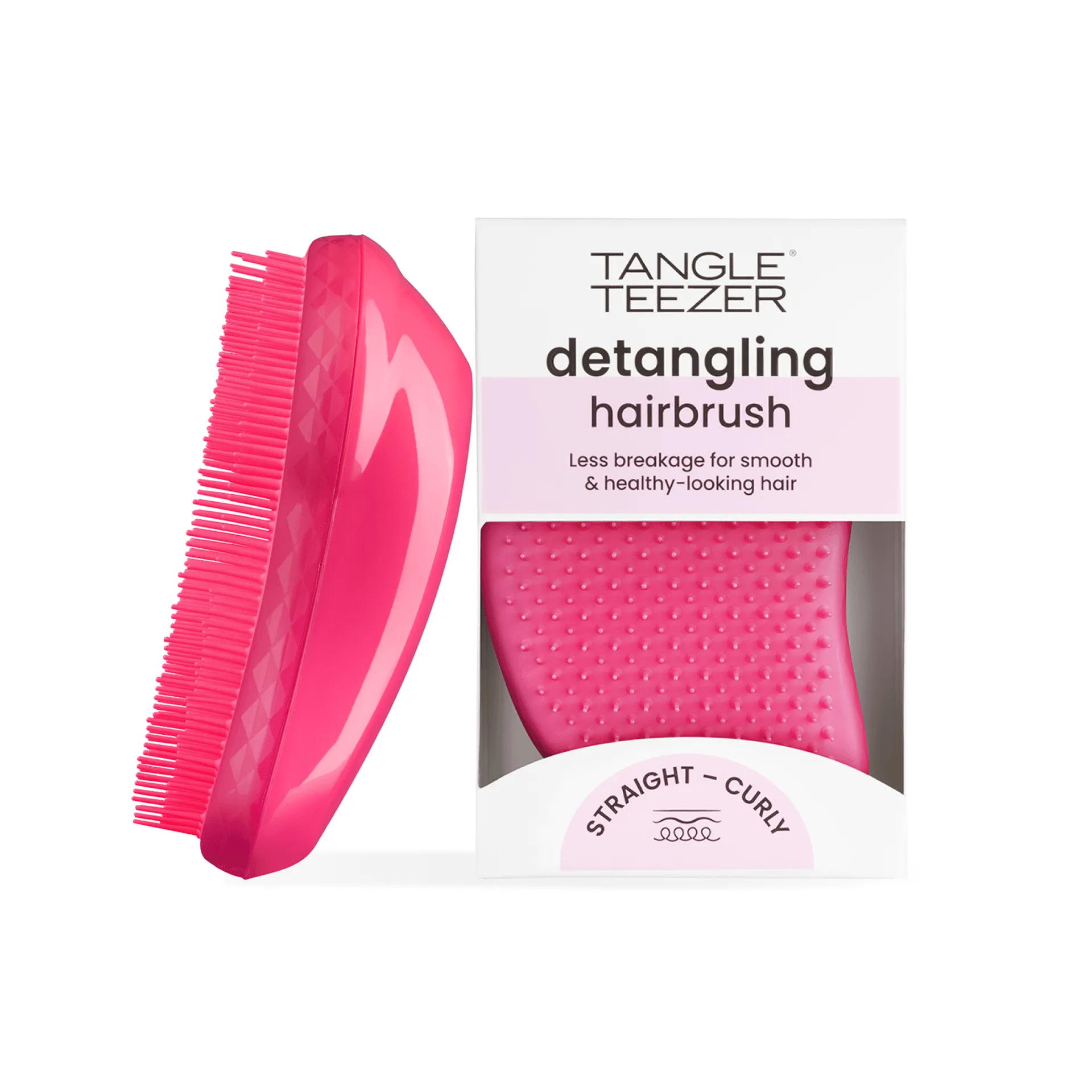
the original
Detangle before washing to remove shed hair, then again in the shower with conditioner if your hair tangles easily. Never wrench through a knot. If a section will not release, add water or conditioner and try again rather than forcing it.
Does a plant-based brush change the hair-loss question?
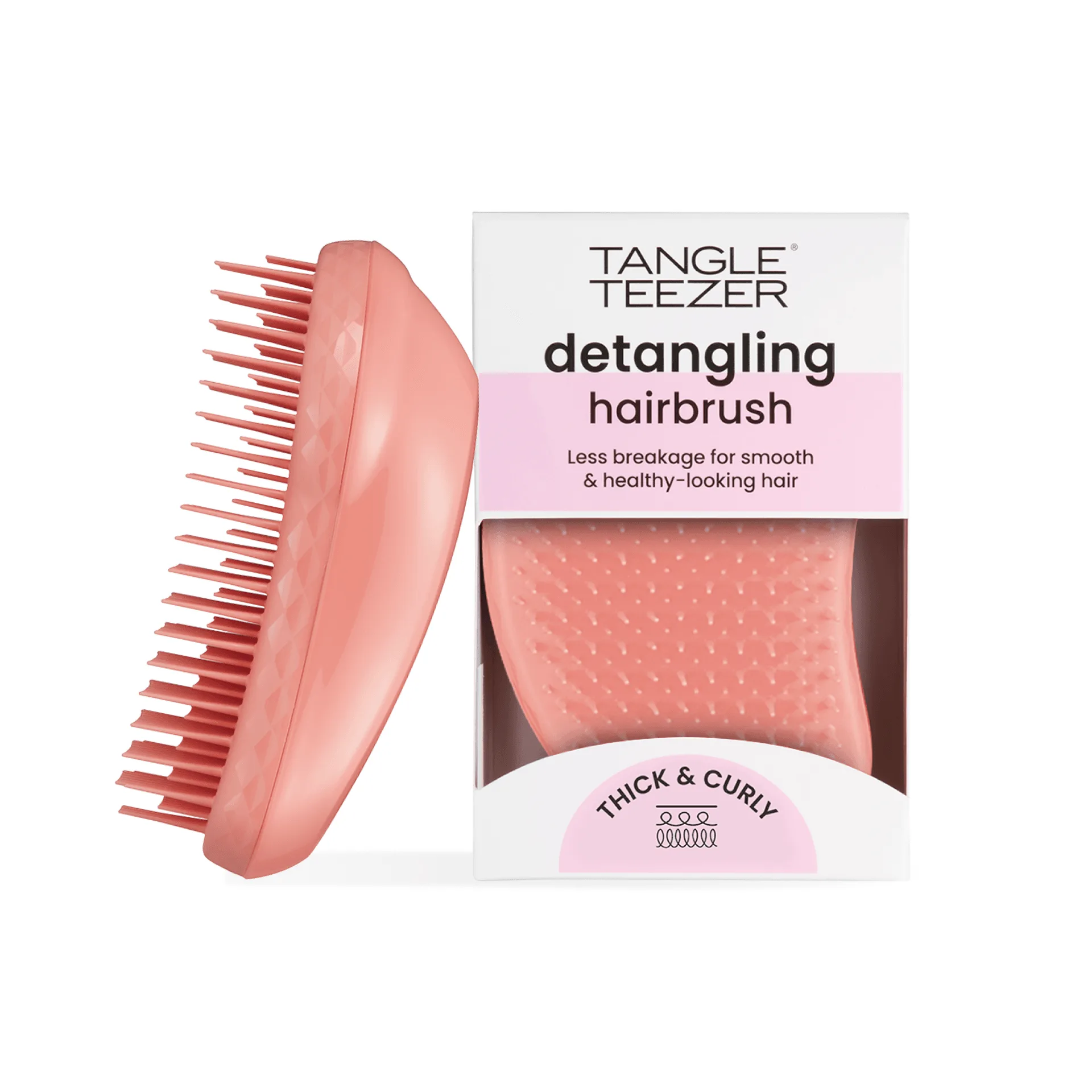
No. The material a brush is made from does not change how it interacts with your follicles, because it still only touches the hair above the scalp. What it can change is your environmental footprint. The Original Plant Brush is made from 85% sustainably sourced castor beans and keeps the same detangling design as the Original, so if you want a gentler detangling experience with a lower-impact material, that is a reasonable reason to choose it. It is not a hair-growth tool, and no brush is.
Myth verdicts: detangling brushes and hair loss
- Myth: Detangling brushes cause hair loss: Hair loss happens at the follicle, which a brush never reaches. A brush can only affect the strands above the scalp, so it cannot cause follicle-driven loss. Verdict: false. Look upstream for loss causes, not at your brush.
- Myth: If I see hair in my brush, I am going bald: Shed hair has to leave your head somehow. Seeing strands in a brush is normal if they have a white bulb at the root. Short broken pieces without a bulb point to breakage instead. Verdict: misleading. Check whether the strands are shed or snapped.
- Myth: Any brush is fine as long as you are gentle: Technique matters, but so does tool design. A brush with flexible teeth and a two-tiered action, like the Ultimate Detangler, needs less force to clear a knot than a stiff paddle brush. Verdict: partly false. Match the tool to your hair type and texture.
- Myth: A gentler brush will make my hair grow back: No brush regrows hair. A gentler brush can reduce breakage so your hair retains length and looks fuller, but that is a retention effect, not new growth. Verdict: false. Expect less breakage, not regrowth.
Brushes that support gentler detangling
- The Ultimate Detangler: The Ultimate Detangler is designed for use on wet hair and in the shower, with patented two-tiered teeth: long teeth detangle while shorter teeth smooth. Less tugging per knot means less force on the strand, which is the practical way to reduce breakage during detangling.
- The Ultimate Detangler Fine & Fragile: The Ultimate Detangler Fine & Fragile has soft-flex teeth a grade softer than the original Ultimate Detangler and was created with fine, fragile, heat-damaged, or colour-treated hair in mind. If your hair snaps easily or your scalp is sensitive, the softer flex gives you a gentler option without changing your routine.
- The Original Plant Brush™: The Original Plant Brush is made from 85% sustainably sourced castor beans and keeps the same detangling power as the Original design. You get the same detangling performance with a plant-based material choice, which is a separate decision from hair health.