Quick Answer
No, most dogs do not need grain-free treats. Grains are a normal energy source for dogs, and "grain-free" is a label choice rather than a health requirement. Unless your veterinarian has diagnosed a specific issue, choose treats based on texture, durability, and how your dog actually chews, not on whether the word grain appears on the bag.
Walk down any treat aisle and you'll see the same promise repeated: grain-free, so it must be better. That claim is doing a lot of marketing work, and very little of it is backed by what most dogs actually need.
This article separates the common grain-free dog treat myths from the practical decisions that matter, like whether a chew is tough enough for your dog, whether it dispenses food, or whether it's soft enough for a puppy's mouth.
Myth: Dogs Are Naturally Grain-Free Animals
Verdict: False. Dogs are omnivores and have adapted to digest starches, including grains, as part of a normal diet. The idea that a dog's ancestors never ate plant matter is a simplification that ignores how domestication changed canine digestion.
The stronger point is that "grain-free" tells you what is absent, not what is present. A grain-free treat can still be high in calories, low in protein, or simply a different filler. If your dog has no diagnosed sensitivity, removing grains from treats solves a problem that likely doesn't exist.
- Judge a treat by its full ingredient list, not by the one word it advertises on the front.
Myth: Grain-Free Treats Are Always Healthier
Verdict: Not supported. "Healthier" depends on your dog's age, weight, activity level, and any condition your vet has identified. A grain-free label says nothing about calorie density, chew safety, or whether the treat fits your dog's daily routine.
For most owners, the more useful question is functional: does this treat help occupy my dog, support training, or slow down a fast eater? That's where texture and design matter far more than the grain claim.
- Match the treat to a job: training reward, boredom buster, or chew outlet.
Myth: Grain-Free Is the Only Safe Choice for Sensitive Dogs
Verdict: Only with a diagnosis. If your veterinarian has identified a specific grain-related problem, follow that guidance. Without a diagnosis, switching to grain-free treats is guesswork that can distract from the real trigger.
Sensitivity symptoms like itching or digestive upset have many possible causes, and treats are only one variable. Changing one thing at a time, with your vet's input, gives you clearer information than chasing a label.
- Keep a simple log of treats and symptoms so you can spot patterns instead of guessing.
What Actually Matters When Choosing Dog Treats
Texture and durability come first. A soft cotton tug is a poor choice for a heavy chewer, while a near-solid rubber toy can be too much for a puppy. The right pick depends on how your dog uses its mouth, not on the grain content.
Second, think about function. Treat-dispensing toys turn a snack into an activity, which helps with boredom and problem chewing. Nylon chews give persistent chewers a durable outlet. Soft tug toys support interactive play and retrieving. Each has a different job.
- Soft toys for puppies and gentle play; nylon or rubber for determined chewers.
- Dispensing toys for dogs that eat fast or need mental stimulation.
- Interactive tug and throw toys for bonding and exercise.
Grain-Free Treat Claims: Verdicts
- Claim: Dogs need grain-free treats: Dogs are omnivores and grains are a normal part of many diets. Grain-free is a label choice, not a requirement, unless your vet has diagnosed a specific issue. Verdict: False for most dogs.
- Claim: Grain-free treats are automatically healthier: Health depends on your dog's age, weight, activity, and any diagnosed condition. The grain-free label does not tell you calorie content, chew safety, or whether the treat fits your dog's routine. Verdict: Not supported.
- Claim: Grain-free is the only safe option for sensitive dogs: Only a veterinarian can identify a grain-related problem. Without a diagnosis, switching treats is guesswork that can hide the real trigger. Verdict: Only with a diagnosis.
- What to do instead: Choose treats by texture and function: soft cotton toys for puppies and gentle play, durable nylon or rubber for strong chewers, and dispensing toys for fast eaters or bored dogs. Focus on how your dog chews, not on the grain-free label.
Treat and Chew Options That Fit Real Needs
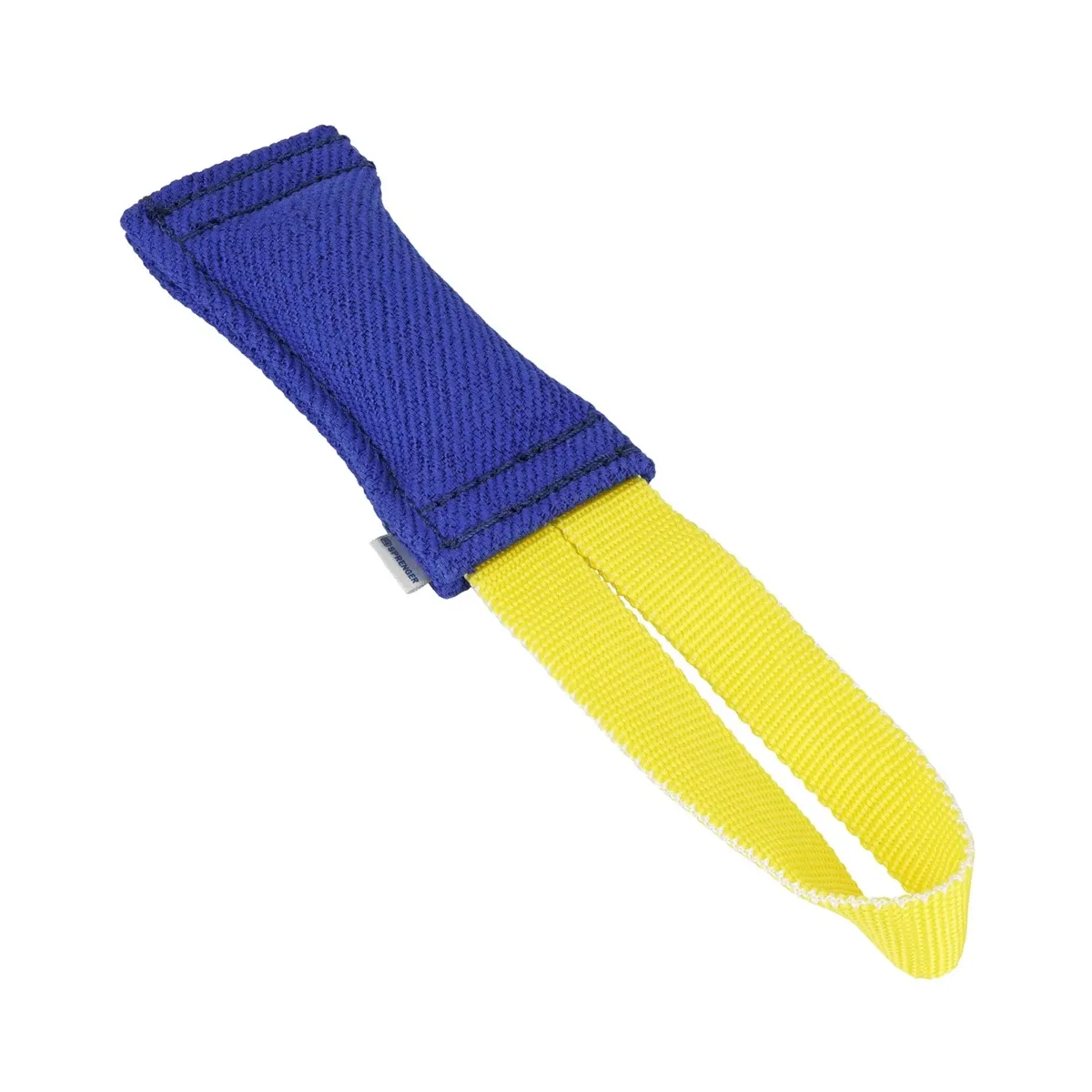
- Herm Sprenger Puppy Bite Tug: Made of high-quality, soft and tooth-friendly cotton, suited especially for small and medium dogs and puppies, with a hand strap for secure grip and easier throwing. It is not a chewing or tugging toy. A good fit for puppies and gentle interactive play, but not a substitute for a durable chew for a strong chewer.
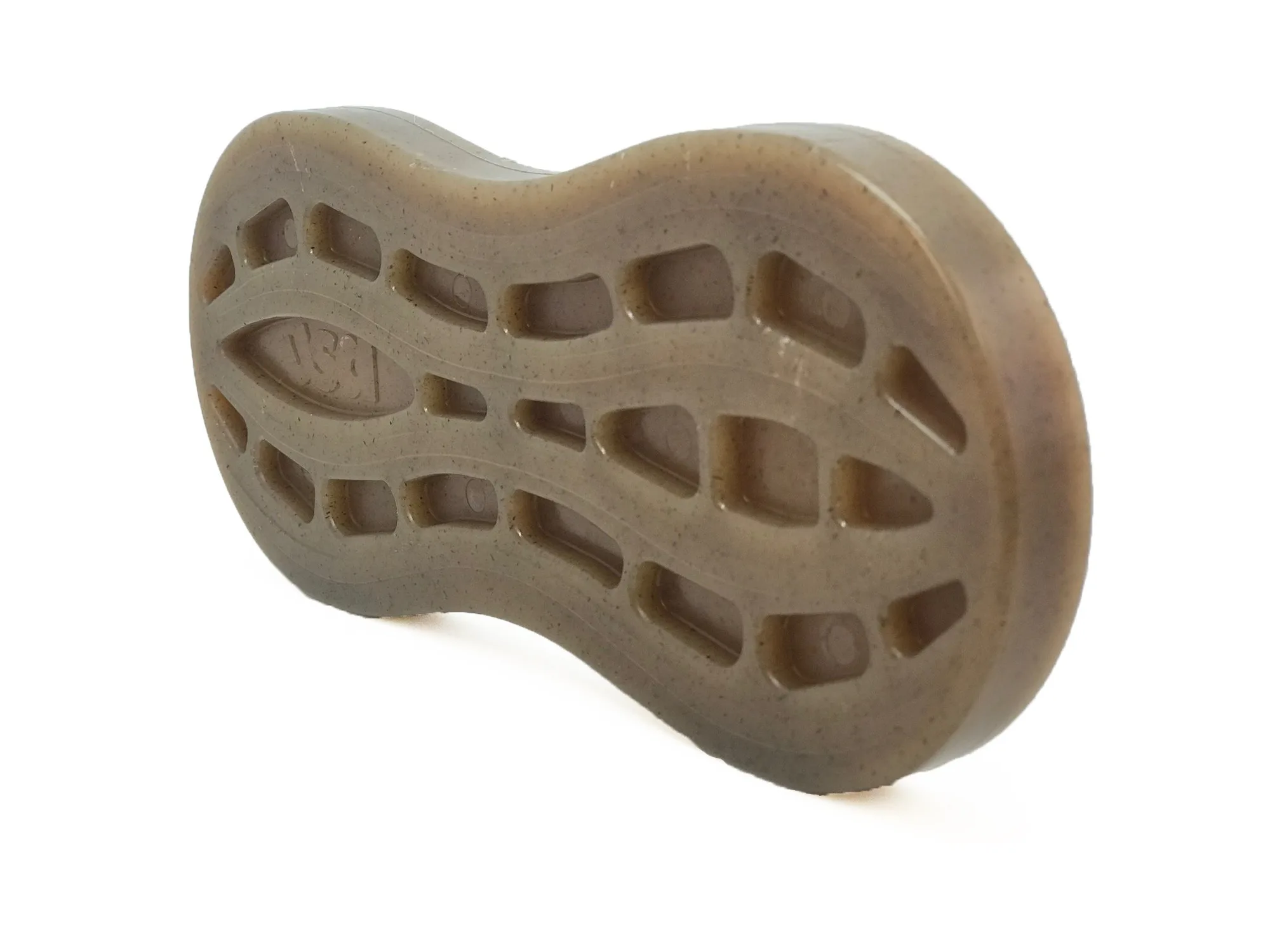
- Peanut Durable and Tough Nylon Chew Toy: A tough nylon chew toy that can be gnawed or filled with a treat like peanut butter, described as veterinarian-approved. Gives aggressive chewers a durable outlet and adds food motivation without relying on a grain-free claim.
- NEW! Gift Box Durable Rubber Chew Toy & Treat Dispenser: A durable rubber toy with a square shape that withstands most power chewers, dispenses treats like kibble, reduces problem chewing and boredom, and can slow fast eaters. Turns treat time into an activity, which is more useful for most dogs than switching to grain-free treats.
Grain-free treats are a marketing angle, not a medical necessity for most dogs. Read the full ingredient list, match the treat to your dog's chewing style and daily routine, and save the grain-free decision for a conversation with your veterinarian.