Quick answer
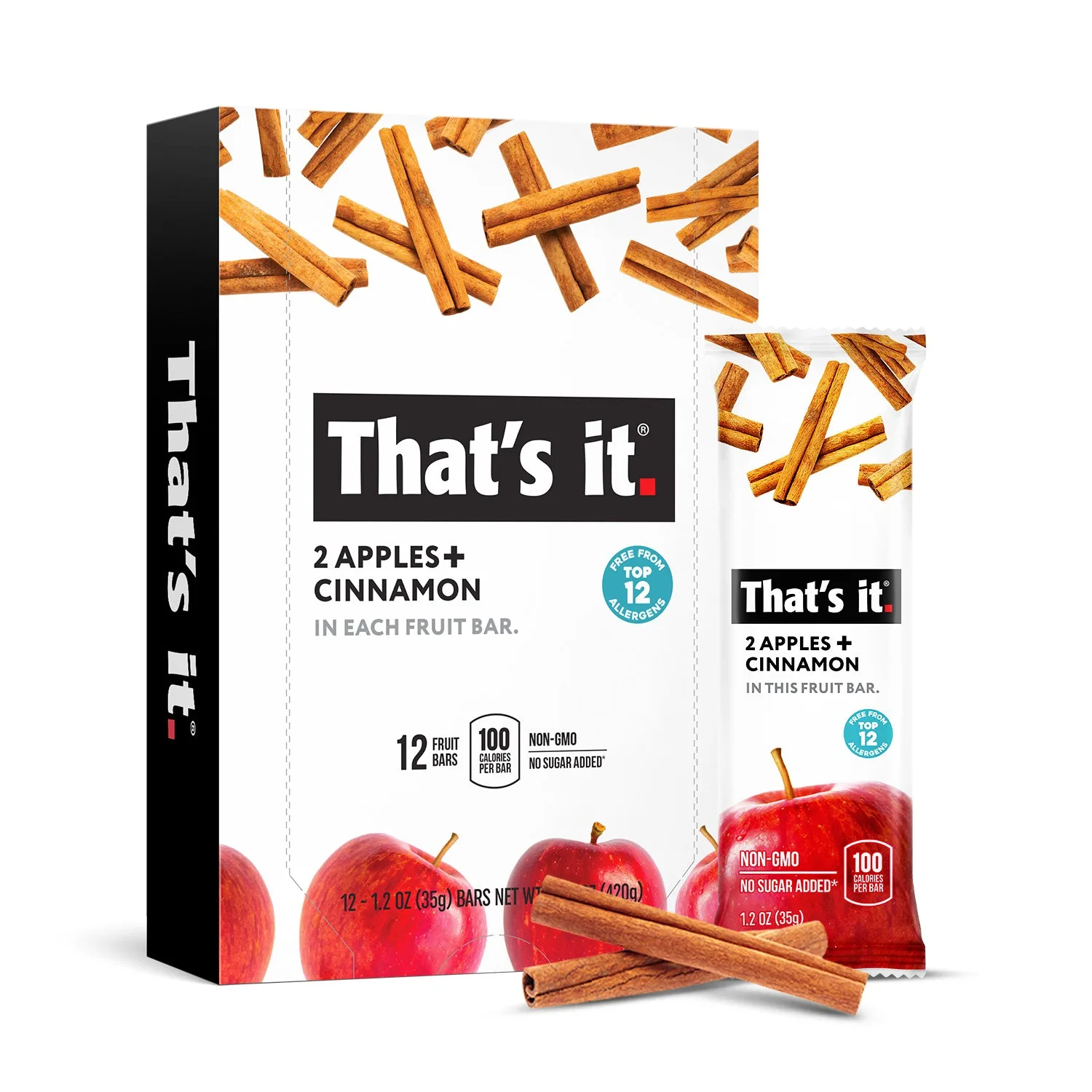
No, fruit bars do not need refrigeration for everyday storage. Keep them in a cool, dry pantry spot away from direct sun and heat. Refrigeration is only worth it if your kitchen runs hot or humid, or if you want a firmer chew. The same rule applies to fruit granola pouches and Mini Fruit Bars.
Myth 1: Fruit bars must be refrigerated after opening
Verdict: False for normal pantry conditions. The bigger risk is moisture, not room temperature. Once you open a wrapper, reseal the bar in an airtight container or bag if you are not eating it right away. A half-eaten bar left on a counter for hours will dry out and pick up odors, so wrap it tightly. For unopened bars, the pantry is fine. If your kitchen regularly climbs above typical room temperature or feels damp, move your stash to the fridge to protect texture. That is a preference and climate call, not a safety requirement.
Myth 2: Freezing ruins fruit bars
Verdict: False, if you thaw them properly. Freezing is a practical way to buy in bulk or stash bars for later. The trick is to thaw them in the fridge or on the counter still wrapped, so condensation forms on the wrapper instead of the bar. If you open a frozen bar immediately, surface moisture can make it sticky or soggy. For a firmer, chewier bite, eat Mini Fruit Bars straight from the freezer. For a softer texture, let them sit for a few minutes. Either way, freezing does not change the ingredients; it only changes how the fruit feels in your mouth.
Myth 3: Fruit granola pouches need a fridge once opened
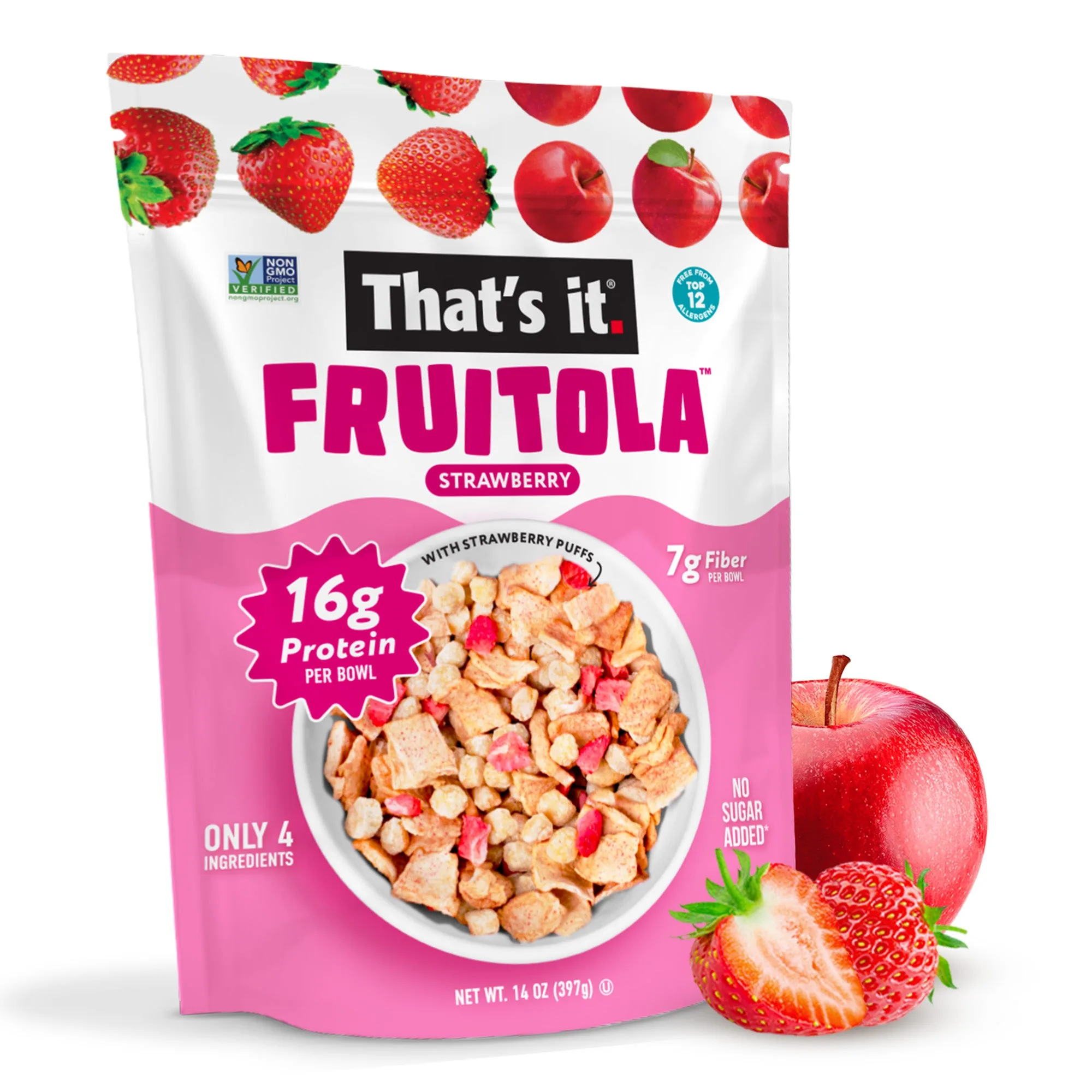
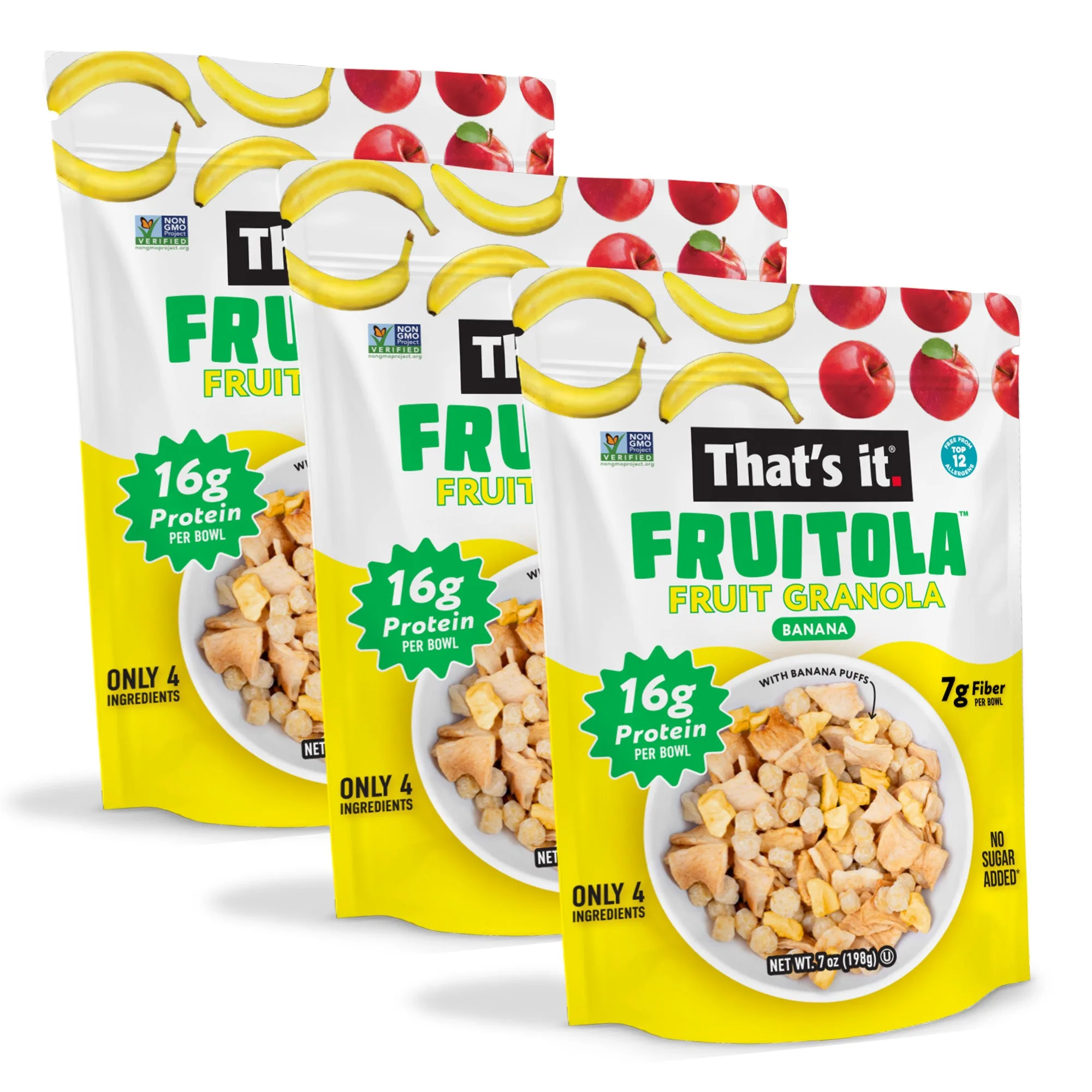
Verdict: False, but they do need airtight storage. Fruitola Fruit Granola comes in single-serve pouches, so there is no half-open bag problem. If you open a pouch and do not finish it, pour the rest into a sealed container or clip the pouch tightly. The enemy of crunch is humidity, not warmth. A dry pantry shelf keeps the puffs crisp. If you live in a humid climate, add a silica packet to your storage bin or keep the pouches in their original sealed packaging until you are ready to eat. Do not store granola in the fridge unless it is already sealed; open granola can soften from fridge moisture.
Myth 4: The pantry is always safe, no matter where
Verdict: False. Location matters more than the room name. Heat, sunlight, and steam are the real threats. Keep your snack bin away from the stove, dishwasher, kettle, and any sunny windowsill. A closed cabinet across the kitchen from the stove is better than an open shelf next to it. If you keep bars in a lunchbox or car, remember that a hot car can soften and stick wrappers together. For everyday home storage, a cool, dark, dry spot is the goal. That is how to store fruit bars so they keep their intended texture.
Myth 5: All fruit snacks have the same shelf life
Verdict: False. Different fruit snacks have different moisture levels and packaging. A crunchy fruit granola pouch and a soft Mini Fruit Bar will not age the same way. Crunchy items are more sensitive to humidity; soft bars are more sensitive to heat and pressure. That is why fruit crunchables shelf life depends on keeping them sealed and dry, while fruit bars mostly need to stay cool and uncrushed. Check the package for specific storage guidance and date labels. When in doubt, trust the label over a general rule.
Storage myth verdicts
- Fruit bars need refrigeration: Unopened fruit bars are shelf-stable in a cool, dry pantry. Refrigeration is optional and mainly useful in hot, humid kitchens or for a firmer texture. Verdict: Myth. Pantry is fine for everyday storage.
- Freezing ruins fruit bars: Freezing is safe if you thaw bars wrapped. Condensation forms on the wrapper, not the bar, so texture stays intact. Verdict: Myth. Freeze for bulk storage, thaw properly.
- Fruit granola needs a fridge after opening: Crunchy granola puffs lose crispness from moisture, not room temperature. Keep opened pouches sealed and dry. Verdict: Myth. Airtight pantry storage is better.
- Any pantry spot works: Heat, sunlight, and steam from stovetops or kettles degrade texture faster than a closed cabinet. Choose a cool, dark, dry spot. Verdict: Myth. Location matters.
- All fruit snacks store the same way: Crunchy granola is humidity-sensitive; soft Mini Fruit Bars are heat- and pressure-sensitive. Follow package guidance for each type. Verdict: Myth. Match storage to the snack.
Product storage notes
- Blueberry Fruitola Fruit Granola - Snack Size (4 Packs) - 1.9oz: Blueberry Fruitola Fruit Granola is made with only four ingredients and 100% real fruit, including real apples and crunchy blueberry puffs. Each single-serve pouch delivers 12g plant-based protein plus 5g fiber from fruit. The single-serve pouch protects the crunch until you open it, so keep unopened pouches in a dry pantry. Once opened, reseal or transfer to an airtight container to keep the puffs crisp.
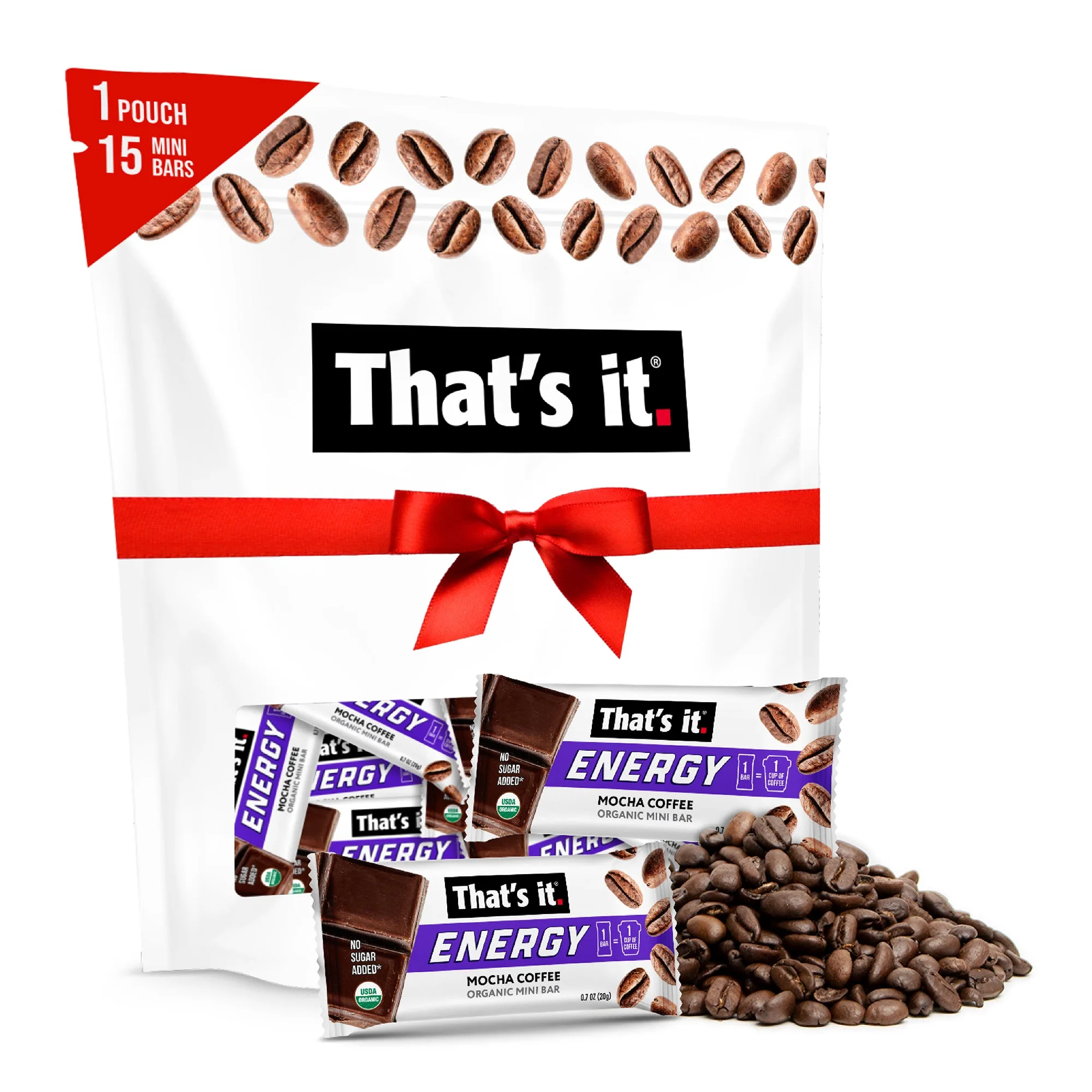
- Minis Variety Pack - Blueberry, Cherry, Fig, Mango & Strawberry (35 Bars): The Minis Variety Pack holds 35 bars: 7 Apple + Blueberry, 7 Apple + Cherry, 7 Apple + Fig, 7 Apple + Mango, and 7 Apple + Strawberry. They are made with fruit + fruit, 100% natural, plant-based, gluten-free, and non-GMO. A large variety pack is ideal for pantry storage, but keep the bag sealed or move bars to a container to prevent them from drying out or absorbing nearby odors. No refrigeration needed for normal pantry conditions.
- Cinnamon Fruitola Fruit Granola - Snack Size (4 Packs) - 1.9oz: Cinnamon Fruitola Fruit Granola is made with only four ingredients and 100% real fruit, including real cinnamon and crunchy apple puffs. Each single-serve pouch delivers 12g plant-based protein plus 5g fiber from fruit. Like the blueberry version, the crunchy apple puffs are sensitive to moisture. Store pouches away from steam and heat, and reseal any opened pouch to maintain crunch.