Quick answer
Hair clips and gua sha tools do not prevent breakage by themselves. Breakage happens when tools snag, pull, or force strands into sharp bends. A gentle clip that holds without creasing and a scalp tool used with oil or on dry hair can reduce the risk, but only if you match the tool to your hair and use it correctly.
What actually causes breakage from clips
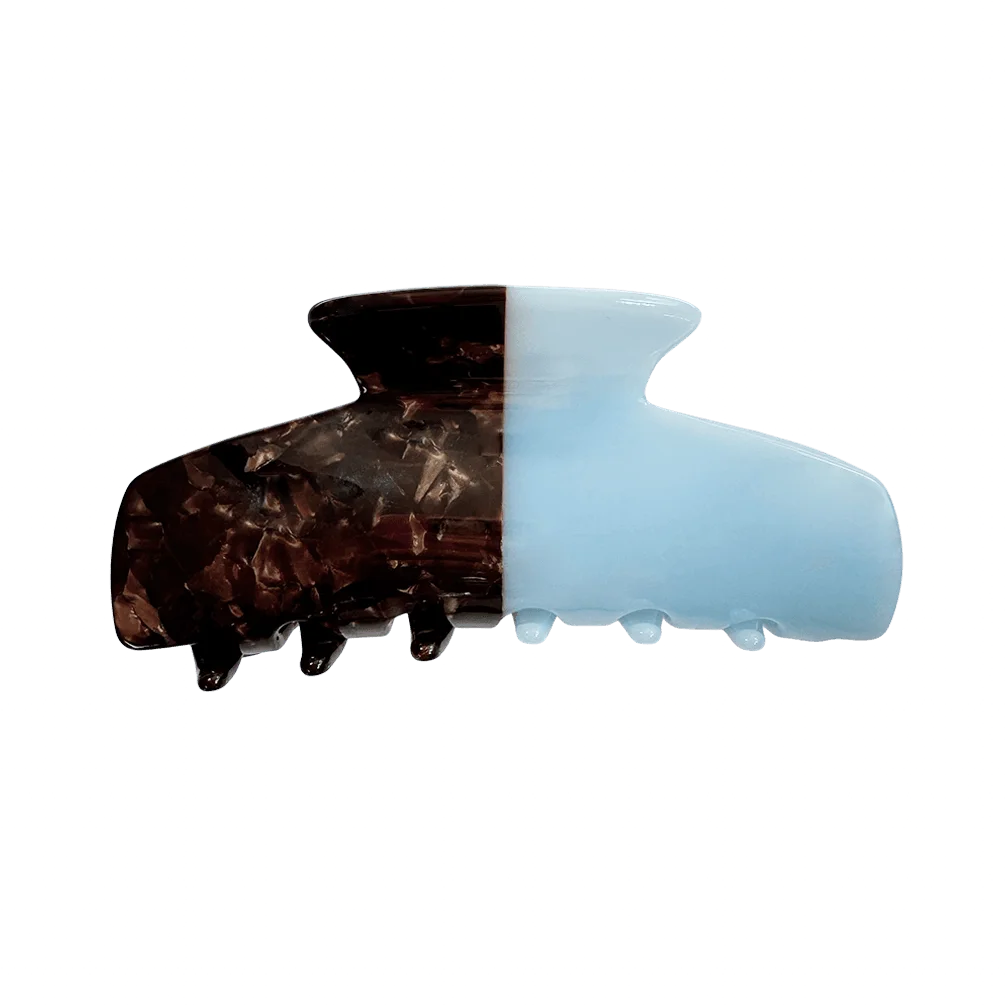
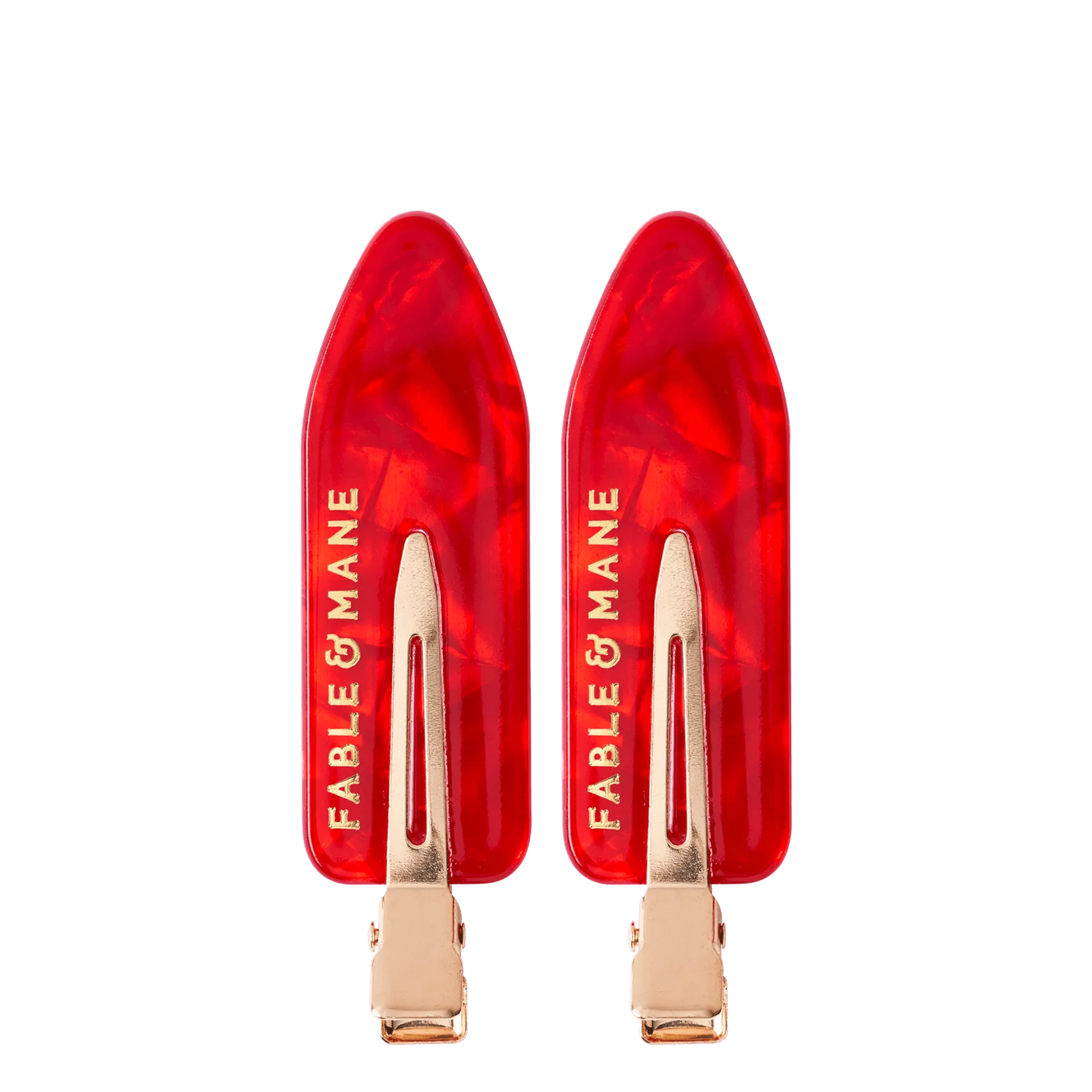
Breakage from clips comes from three things: sharp edges that cut into the strand, tight tension that stretches hair past its limit, and repeated creasing at the same spot. A clip that leaves a mark is a warning sign. The No Crease Red Hair Clips are crafted to hold strands without leaving a mark or crease, which directly addresses the creasing problem. They are also suitable for all hair types, so you do not need to guess whether they will grip too hard or slip. The practical takeaway: if your current clip leaves a dent or pulls when you remove it, that clip is causing mechanical damage, not preventing it.
Do scalp tools stop breakage?
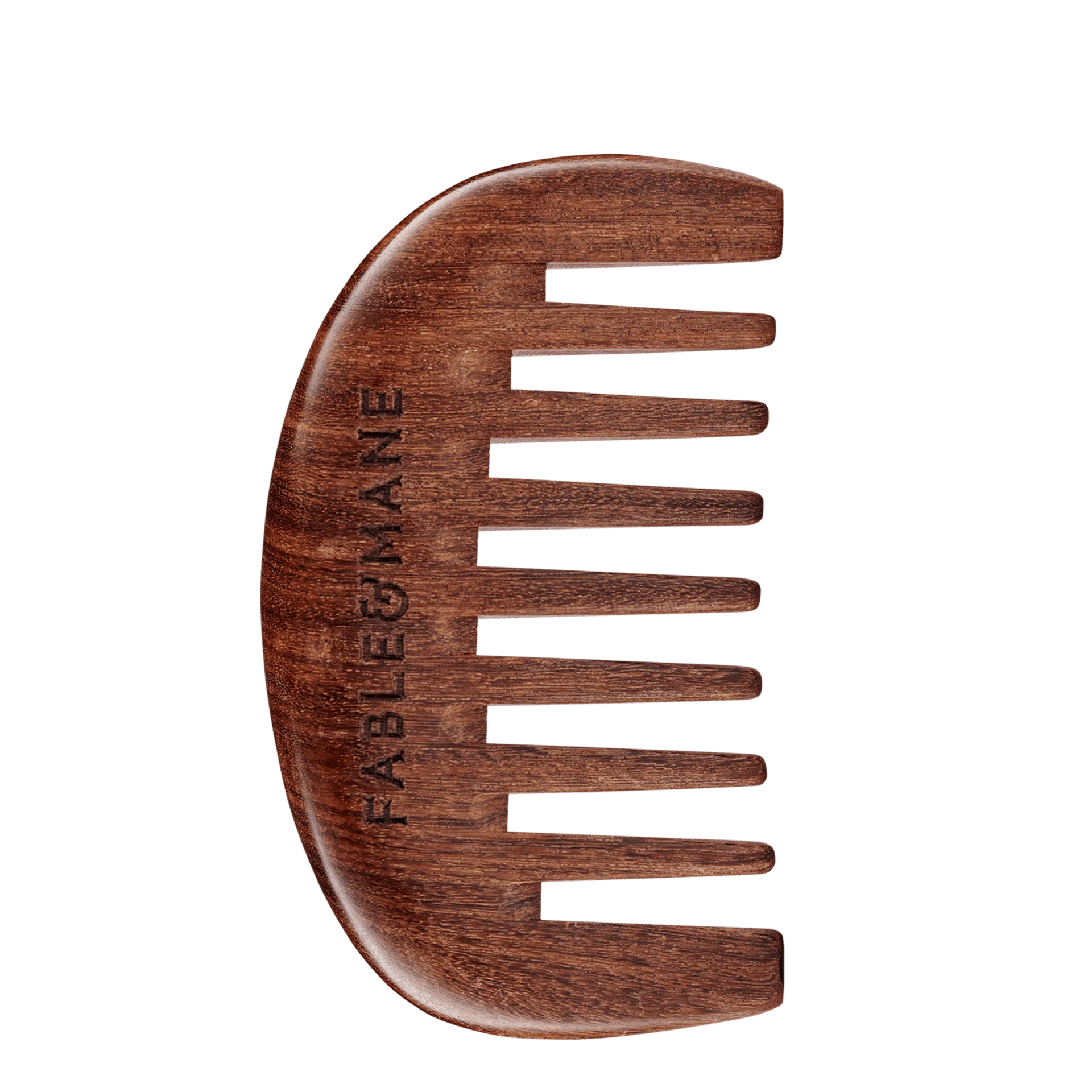
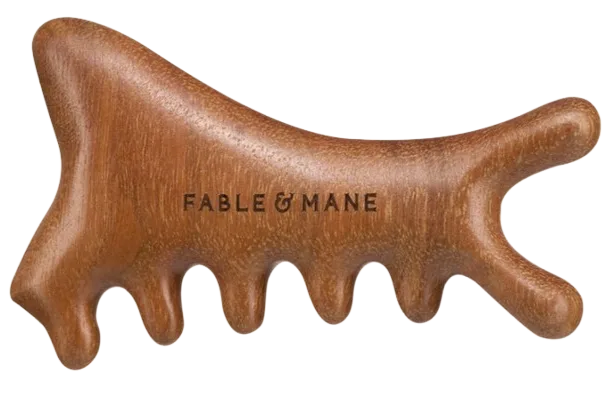
Scalp tools like the Wooden Scalp Gua Sha and the Scalp Massager Comb work on the scalp, not the ends. They can release tension and support circulation, but they do not repair split ends or stop mid-shaft breakage. The Scalp Massager Comb is made from 100% natural ebony wood with rounded, wide teeth. That rounded design matters because sharp or narrow teeth can catch tangles and snap strands. Used on dry hair for detangling or with a pre-wash oil or hair mask, it helps detangle while gently massaging the scalp. The Wooden Scalp Gua Sha is crafted from Red Sandalwood with contoured edges and glides to release built-up tension. Neither tool will prevent breakage if you press hard or rush. Light pressure and slow strokes are what keep the tool from becoming the cause of damage.
How to reduce hair breakage from clips and tools
Start by removing clips without pulling. Slide them out rather than yanking. If a clip leaves a crease, switch to a no-crease design or use it on looser sections. For scalp tools, always work on dry hair or with enough oil or mask to create slip. The Scalp Massager Comb should not be exposed to water; clean it by rubbing it down with oil and a cotton cloth to loosen debris. That cleaning method also keeps the wood smooth so it does not develop rough spots that snag hair. Finally, do not use these tools as a substitute for regular trims. Tools manage tension and detangling; they cannot mend a damaged strand.
Verdicts on common claims
- Claim: Hair clips cause breakage.: Only clips that crease, pull, or have sharp edges cause breakage. A clip designed to hold without leaving a mark or crease, like the No Crease Red Hair Clips, reduces that risk for all hair types. Verdict: False if you choose a no-crease clip and remove it gently.
- Claim: A scalp massager comb prevents breakage.: The Scalp Massager Comb detangles and massages with rounded, wide teeth, which can reduce snagging. But it does not repair or prevent breakage from other causes like heat or rough handling. Verdict: Partly true. It helps during detangling, not as a cure-all.
- Claim: Wooden scalp gua sha stops hair breakage.: The Wooden Scalp Gua Sha releases tension and supports circulation, but it works on the scalp. It cannot stop breakage along the strand or at the ends. Verdict: False as a breakage cure. True as a tension-relief tool when used gently.
Product facts that matter for breakage
- No Crease Red Hair Clips: Crafted to hold your strands without leaving a mark or crease, these clips are as kind to your hair as they are to your style. A clip that does not crease reduces repeated bending damage at the same spot, which is a common cause of breakage.
- Scalp Massager Comb: Made from 100% natural ebony wood with a rounded, wide-toothed design. Rounded, wide teeth are less likely to snag or snap strands during detangling than sharp or narrow teeth.
- Wooden Scalp Gua Sha: Crafted from Red Sandalwood with custom contoured edges, the Wooden Scalp Gua Sha glides effortlessly to release built-up tension. Contoured edges that glide help you use light pressure, which keeps the tool from pulling at the roots.