Quick answer
Yes, herbal supplements and teas do expire. Most capsules stay at their best for about two years and dried herbal teas for one to two years when kept sealed, cool, dark, and dry. Past those windows they are usually not unsafe, but flavor, aroma, and intended support fade, so replace them rather than doubling a serving.
What the date on the package actually means
A best-by date is the maker's estimate of peak quality, not a safety cliff. For shelf-stable capsules and dried tea, the date reflects how long the product holds its intended color, taste, and plant compounds under normal storage. A jar kept in a hot car will fade faster than the same jar kept in a pantry. That is why the date is a starting point, not a guarantee. If your container has no printed date, treat the purchase month as day one and use the ranges above as a guide.
Shelf life by format: capsules vs. tea
Capsules are the most protected format because the powder is enclosed and exposed only when you open the bottle. Unopened, they typically hold quality for around two years; once opened, aim to finish within six to twelve months. Loose dried tea and tea bags are more exposed to air and moisture, so their aroma and flavor decline sooner. Tulsi blends in particular rely on delicate leaf oils for that bright, herbaceous character, and those oils are the first thing to go. Use opened tea within six to twelve months for the fullest cup.
- Unopened capsules: about two years from the pack date.
- Opened capsules: best within six to twelve months.
- Unopened tea: one to two years, depending on the blend.
- Opened tea: six to twelve months for peak flavor and aroma.
How to store tulsi tea so it stays fresh
Tulsi tea is an herbal infusion, not a true tea leaf, and its appeal comes from volatile aromatic oils. Those oils evaporate with heat and air, so the storage goal is simple: keep them in. Transfer the bags or loose leaf to an airtight container, squeeze out excess air, and keep it away from the stove, the kettle, and the sunny windowsill. If you buy in bulk, split it: keep a small jar in the pantry and the rest sealed in a cool cupboard. Do not refrigerate tea unless it is fully sealed, because repeated temperature swings pull in condensation and stale the leaf faster.
Storing cinnamon capsules and other herbal capsules
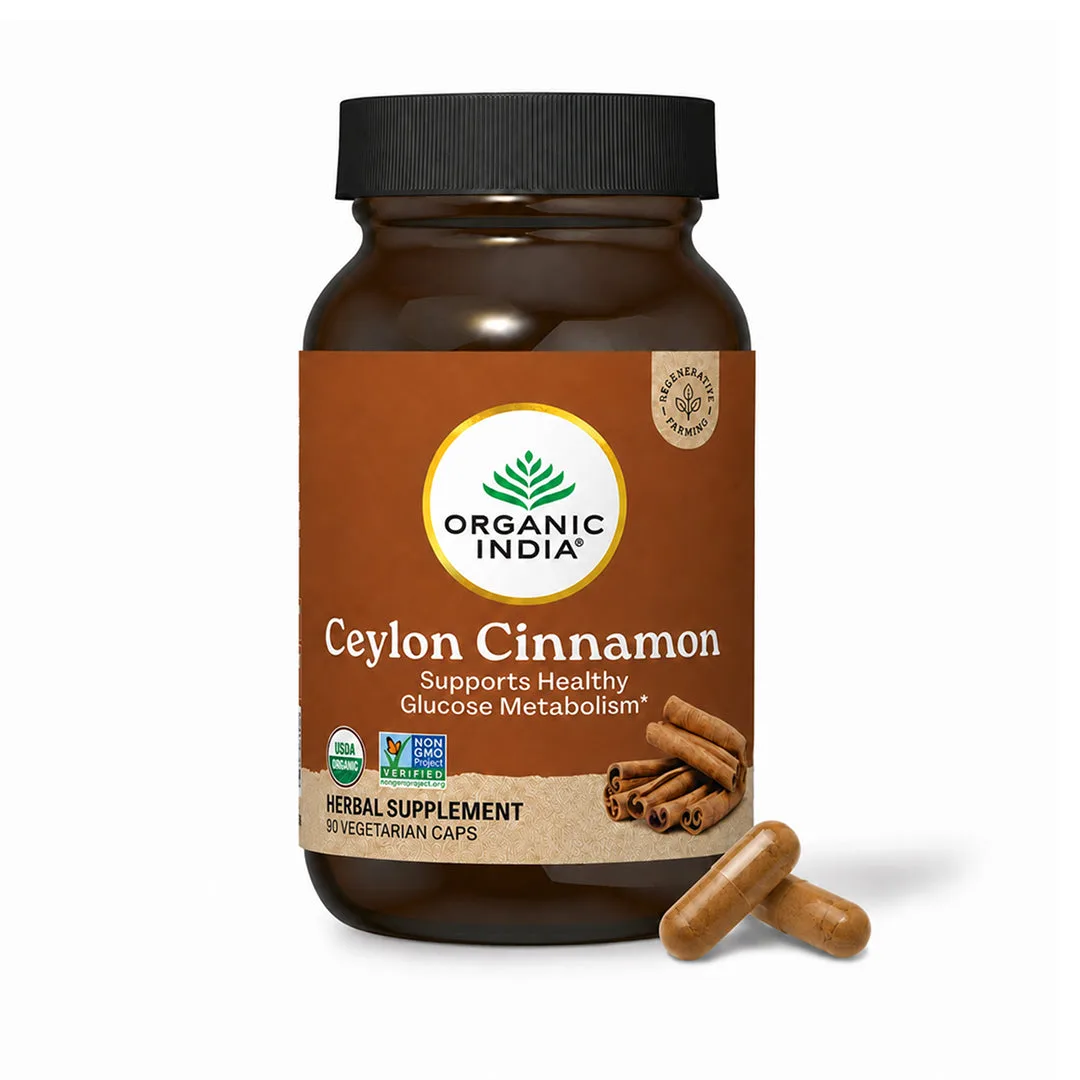
Capsules are vulnerable to humidity, not just heat. Moisture makes the shell sticky or soft and can cause the powder to clump. Keep the original bottle with its desiccant packet, close it tightly after each use, and store it in a dry cupboard rather than above the sink or in the bathroom. Do not move capsules into a weekly pill organizer for more than a few days at a time, since those open compartments expose the contents to air. If your capsules smell musty, look discolored, or stick together, discard them even if the date has not passed.
Signs that tea or capsules have gone past their prime
For tea, the clearest signal is a flat cup. If a blend that once smelled sweet and spicy now smells like hay or dust, the aromatic oils have faded. You can still drink it, but you will not get the experience you paid for. For capsules, watch for a change in texture, a stale or off odor, or a color shift in the powder. None of these automatically mean danger, but they do mean the product is no longer delivering what it should. When in doubt, replace it.
Practical storage rules that cover both formats
The same four conditions protect tea and capsules: cool, dark, dry, and sealed. A pantry shelf away from the oven works better than a countertop jar beside the kettle. Buy sizes you will actually finish; a larger bag is only a bargain if you drink it before the aroma fades. Label the open date on the container so you are not guessing months later. And keep the original packaging when possible, because it is designed to block light and moisture.
- Store away from heat sources, direct sun, and steam.
- Keep containers airtight and closed between uses.
- Buy the size you will finish within six to twelve months.
- Write the open date on the lid or bag.
- Keep the original packaging for its light and moisture barrier.
Storage FAQ
Do herbal supplements expire?
Yes. Capsules and dried teas carry best-by dates because their plant compounds, color, and aroma decline over time. Unopened capsules usually hold quality for about two years, and dried tea for one to two years, when stored cool, dark, dry, and sealed. Treat the date as a quality marker, not a safety deadline.
How long does herbal tea last after opening?
Plan to finish an opened box or bag within six to twelve months. Tulsi and peppermint blends depend on volatile oils that evaporate first, so the flavor goes flat before the tea becomes unsafe. If the dry leaf no longer smells sweet or minty, replace it.
How should I store tulsi tea?
Move it to an airtight container, press out excess air, and keep it in a cool, dark cupboard away from the kettle and stove. Avoid the refrigerator unless the package is fully sealed, because temperature swings introduce moisture. Cool, dark, dry, and sealed is the whole rule.
How do I store cinnamon capsules?
Keep them in the original bottle with the desiccant packet, close it tightly after each use, and store it in a dry cupboard rather than the bathroom or above the sink. Do not pre-sort more than a few days into an open pill organizer. Moisture, not just heat, is the main threat to capsules.
Can I use tea or capsules after the best-by date?
They are usually not unsafe, but potency and flavor have likely faded. If the tea smells like hay or the capsules are sticky, discolored, or musty, discard them. Do not take a larger serving to compensate for lost strength. Replace faded product instead of doubling the dose.
Products and storage notes
- Ceylon Cinnamon Capsules: Organic Ceylon Cinnamon capsules are a gentle, true cinnamon supplement with natural antioxidant action and supportive benefits for healthy sugar metabolism. Because the capsule shell protects the powder, this format holds its quality longer than loose tea, but it still needs a dry cupboard and a tightly closed bottle.
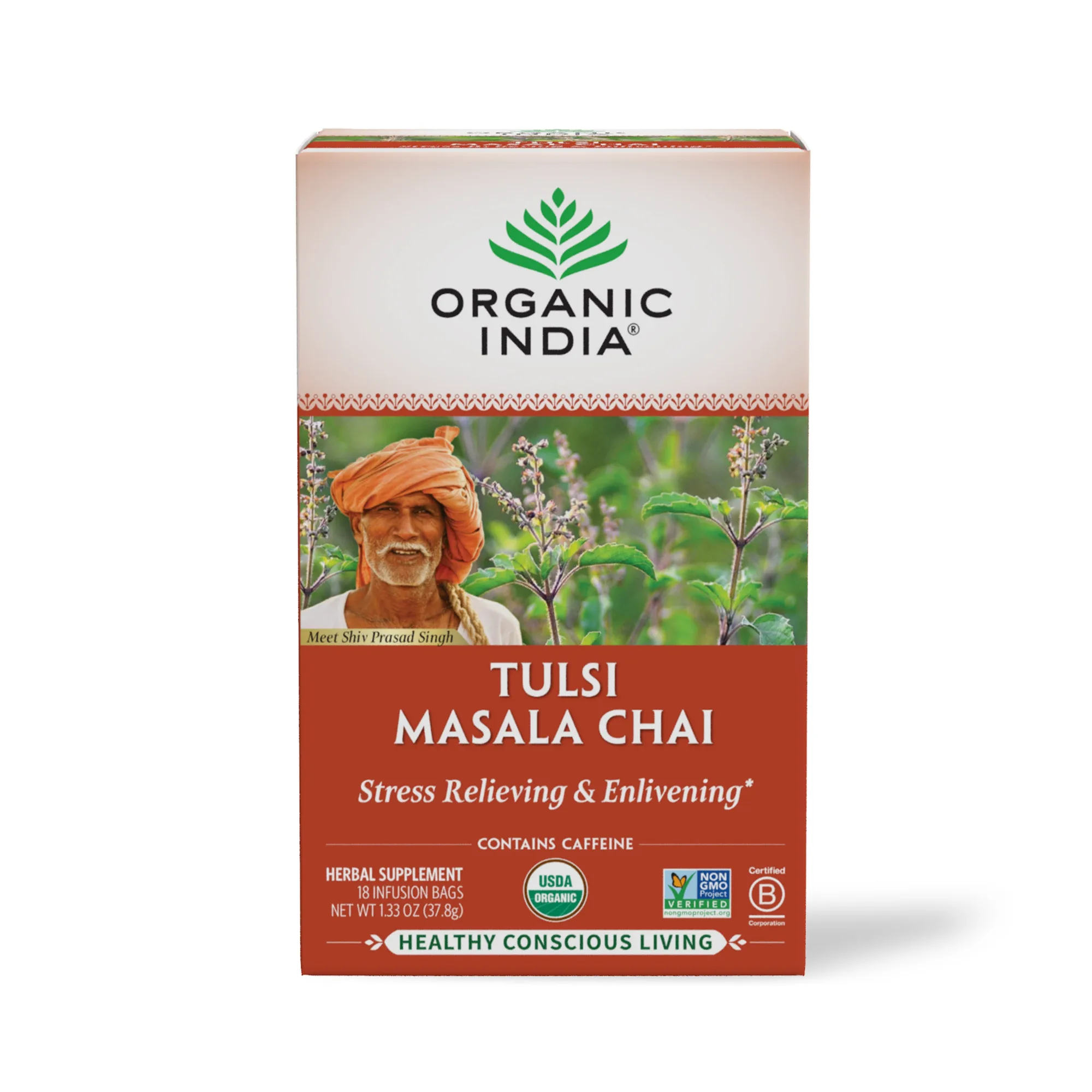
- Tulsi Masala Chai Tea: Tulsi Masala Chai Tea blends warming spices like cinnamon, ginger, cardamom, pepper, clove, and nutmeg with black tea, built on adaptogen Tulsi for stress support. The spice and Tulsi aromatics are the heart of this blend, so an airtight container away from the stove preserves the cup you expect.
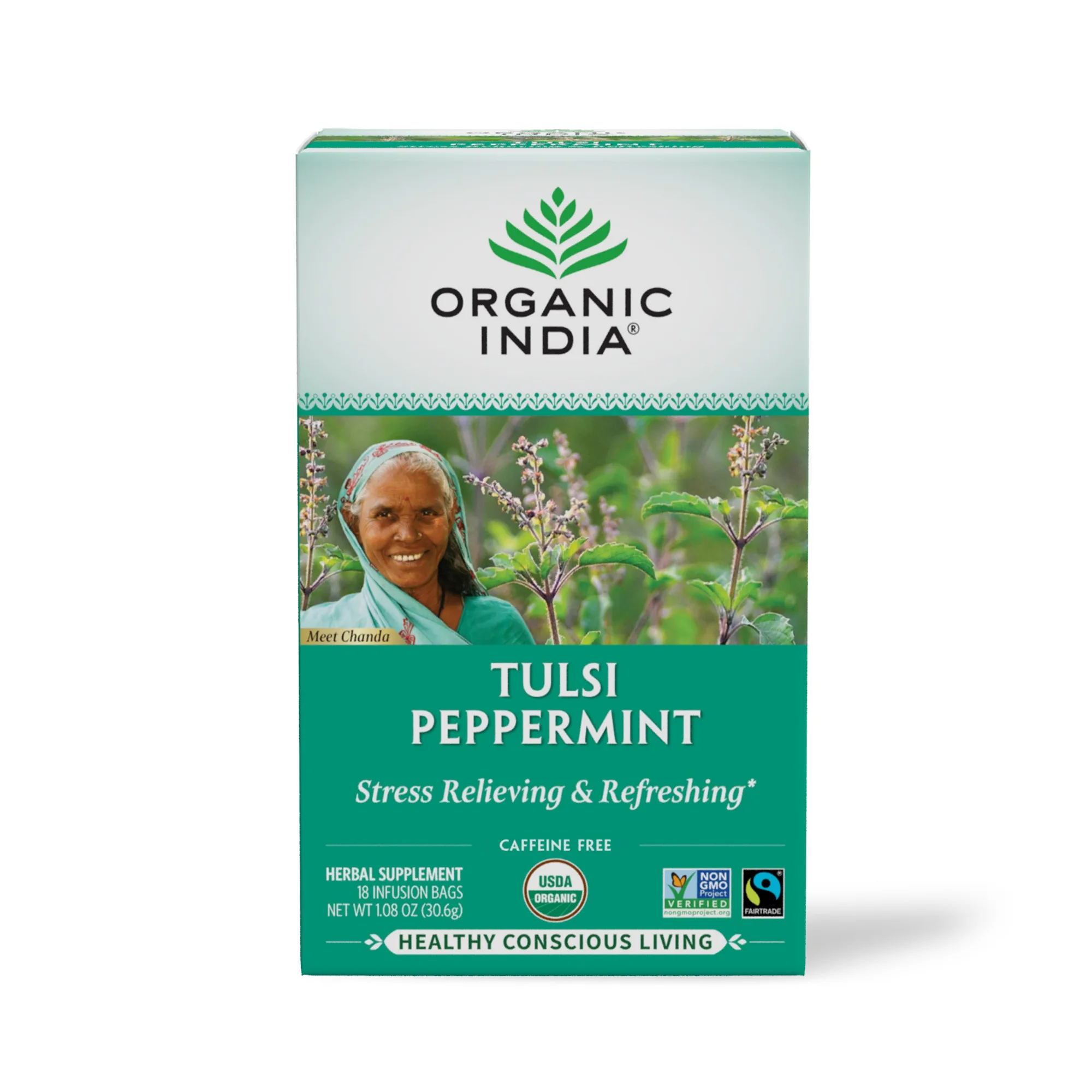
- Tulsi Peppermint Tea: Tulsi Peppermint Tea is a Fairtrade organic herbal infusion with a minty, bright Holy Basil character, where Tulsi is an adaptogen that can help relieve stress and peppermint invigorates the ritual. Peppermint and Tulsi oils fade with heat and air, so finish an opened box within six to twelve months for the full cooling effect.