Quick answer
Herbal teas do not expire in the way fresh food does, but they do lose flavor, aroma, and potency over time. Most loose herbal teas stay enjoyable for 12 to 24 months when stored properly, while pre-bagged teas may fade sooner. If your tea smells dusty, looks dull, or tastes flat, it is past its best—even if it is not harmful.
What actually happens to herbal tea over time?
Herbal teas are dried plant materials—leaves, flowers, roots, or spices. Once dried, they are shelf-stable and do not support the growth of harmful bacteria or mold as long as they stay dry. What changes is the volatile oils that give each blend its scent and flavor. Those oils evaporate or oxidize when exposed to air, light, and heat. The result is a tea that still steeps but tastes weaker, flatter, or slightly like hay. Color also fades: bright green peppermint becomes olive, and vivid flower petals turn brown. These are signs of age, not spoilage.
How long does tea last?
There is no universal expiration date for herbal tea. As a practical rule, loose-leaf herbal teas keep their best flavor for about one to two years after opening. Sealed, unopened packages can last longer—often two to three years—because they have been protected from air and moisture. Tea bags, especially those in standard paper wrappers, tend to fade faster, sometimes within six to twelve months after opening, because the tea is already broken into small pieces and has more surface area exposed. These are general guidelines, not guarantees. The actual shelf life depends on the specific herbs, how they were processed, and how they have been stored.
Does tea go bad or just get stale?
For dry herbal tea, the main risk is staleness, not foodborne illness. However, tea can go bad if it absorbs moisture. If you see clumping, feel dampness, or notice any mold, discard the entire batch—do not try to salvage it. A sour or musty smell is another sign of moisture damage. Otherwise, old tea is simply less enjoyable. It will not make you sick, but it will not give you the cup you expect.
Tea storage tips that actually work
Store herbal tea in an airtight container away from light, heat, and strong odors. A opaque tin or a glass jar kept in a dark cupboard works well. Do not store tea above the stove, near a window, or next to spices—those spots expose it to heat, light, and odor transfer. If you buy in bulk, keep only a small amount in your daily-use container and store the rest in a sealed bag or jar in a cool, dark place. Avoid the refrigerator unless the tea is in a truly airtight container; repeated temperature changes can cause condensation inside the package.
- Use airtight containers: oxygen is the main enemy of flavor.
- Keep tea away from light: UV rays break down delicate compounds.
- Avoid heat: store below 25°C (77°F) if possible.
- Do not mix teas: strong smells like mint can migrate to milder blends.
How to tell if your herbal tea is still good
Use your senses. First, smell the dry tea. It should have a clear, recognizable aroma. If it smells like cardboard or dust, it has lost most of its character. Next, look at the color. Faded, grayish, or brown leaves and flowers are a sign of age. Finally, brew a cup. If the flavor is weak, bitter without complexity, or simply uninteresting, the tea is past its prime. You can still drink it—it is not unsafe—but you may want to use more tea per cup or blend it with fresh herbs to boost the flavor.
What about organic tea freshness?
Organic teas follow the same rules as conventional teas. The organic label means the plants were grown without synthetic pesticides, not that the tea lasts longer. In fact, because organic teas often skip some processing aids, they can be just as sensitive to air and light. The key is the same: buy from a supplier who rotates stock, and store your tea well at home. If you order directly from a supplier like Organic Tea Suppliers, check the packaging date if available and use the tea within a reasonable time.
Herbal tea shelf life FAQ
Can herbal tea make you sick after it expires?
Dry herbal tea does not become unsafe just because it is old. The real risk is moisture: if the tea has been exposed to damp conditions, mold can grow. Check for clumping, dampness, or a musty smell. If you see any of those, throw it out. When in doubt, throw it out—especially if it smells off.
How can I make old tea taste better?
If your tea is just stale but not spoiled, try increasing the amount you use per cup by 25–50%. You can also blend it with fresh herbs like mint or ginger to add back some liveliness. Cold brewing can sometimes coax out more flavor from older leaves. Use more tea or blend with fresh ingredients to stretch a fading stash.
Should I keep tea in the fridge or freezer?
Not unless it is in a completely airtight container. The refrigerator is humid, and every time you open the container, condensation can form. That moisture will ruin dry tea faster than room temperature would. A cool, dark cupboard is the best place for daily-use tea. Skip the fridge; a dark cupboard is safer.
Product facts
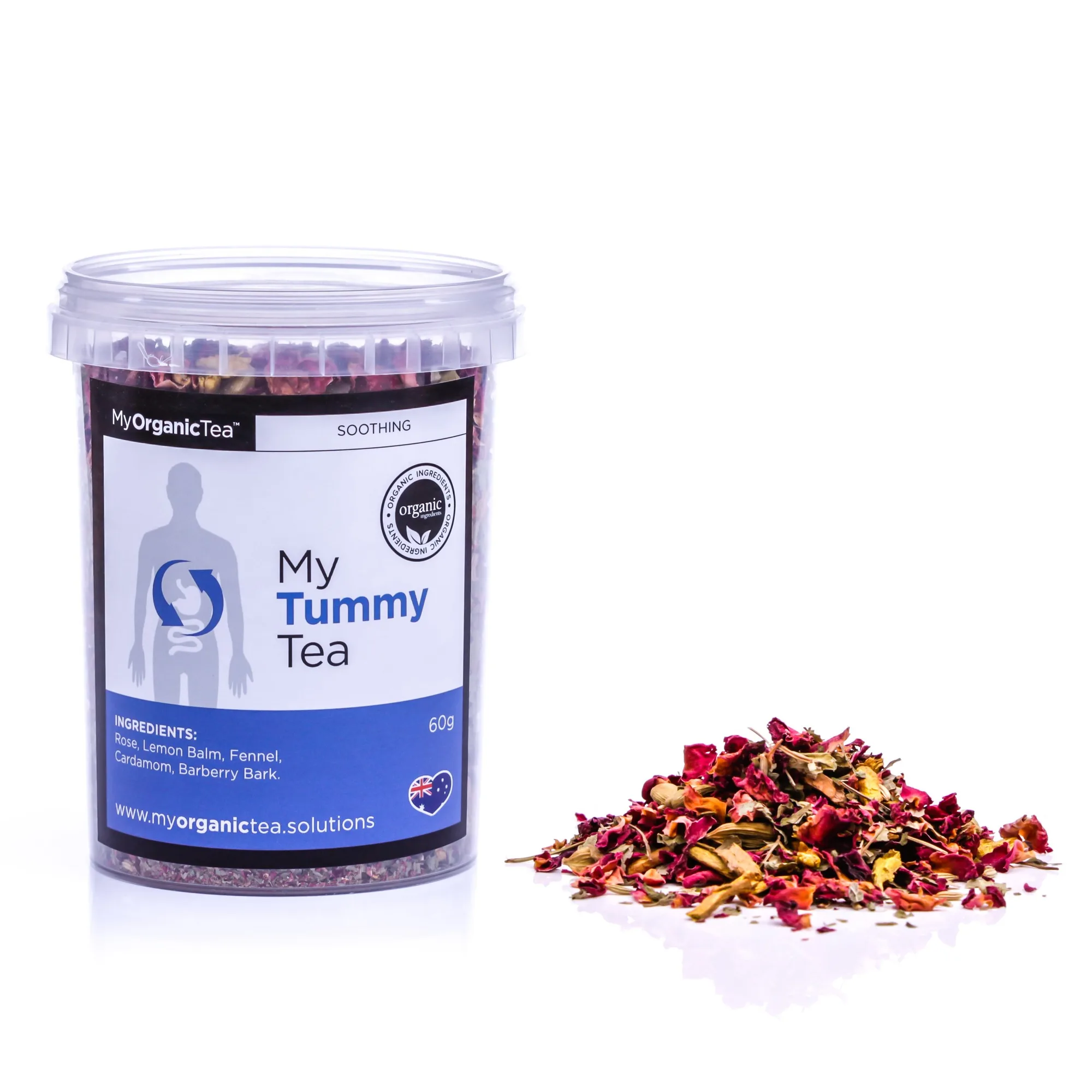
- My Tummy Tea 60 Grams (30 Serve) Organic Tea Product: My Tummy Tea is a synergistically balanced blend that is gentle and nurturing. Gentle blends like this are best enjoyed fresh, so storing it properly helps maintain its intended soothing effect.
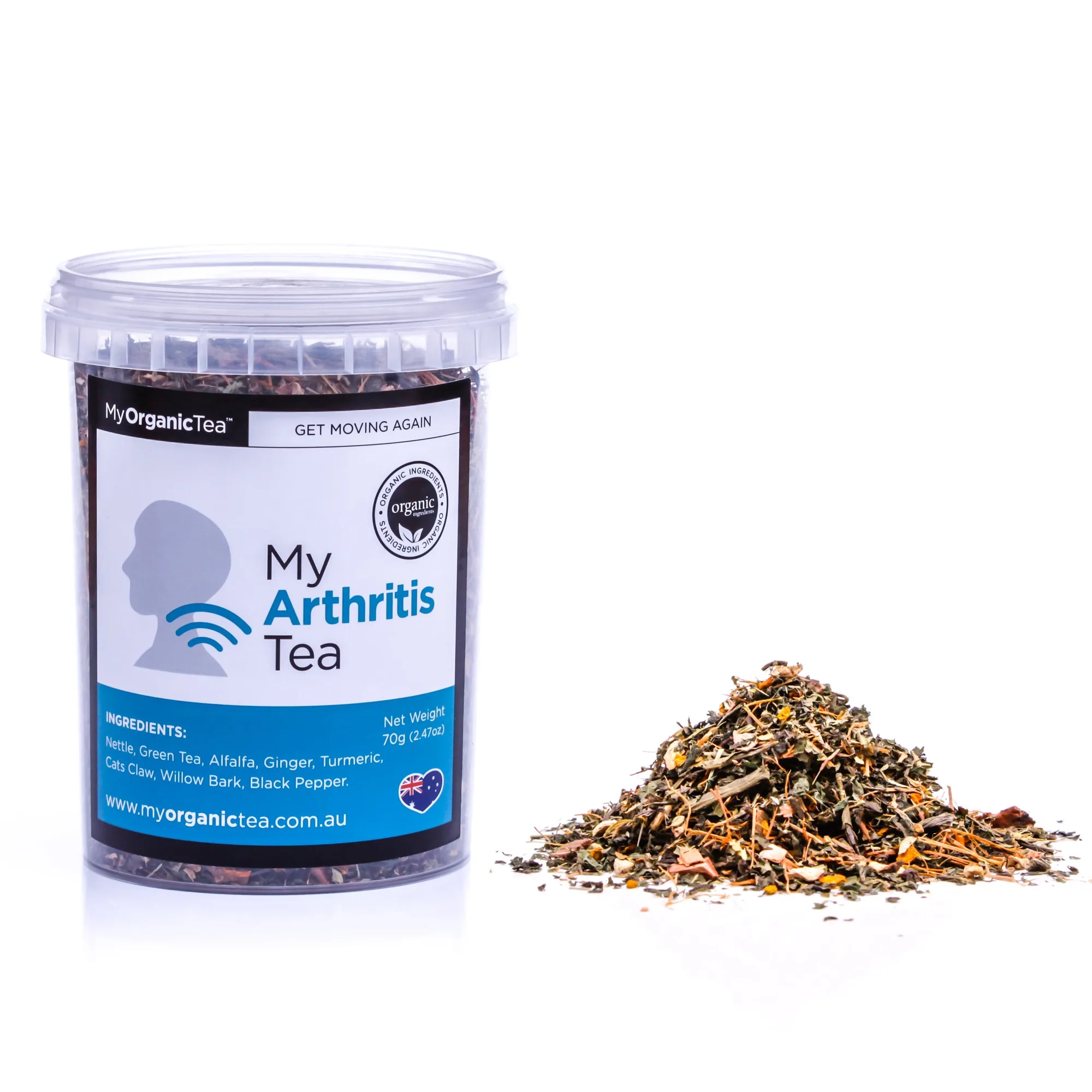
- My Arthritis Tea 60 Grams (30 Serves) Organic Tea Product: My Arthritis Tea is a synergistically balanced blend. A balanced blend relies on the aroma and flavor of its herbs; proper storage preserves that balance for longer.
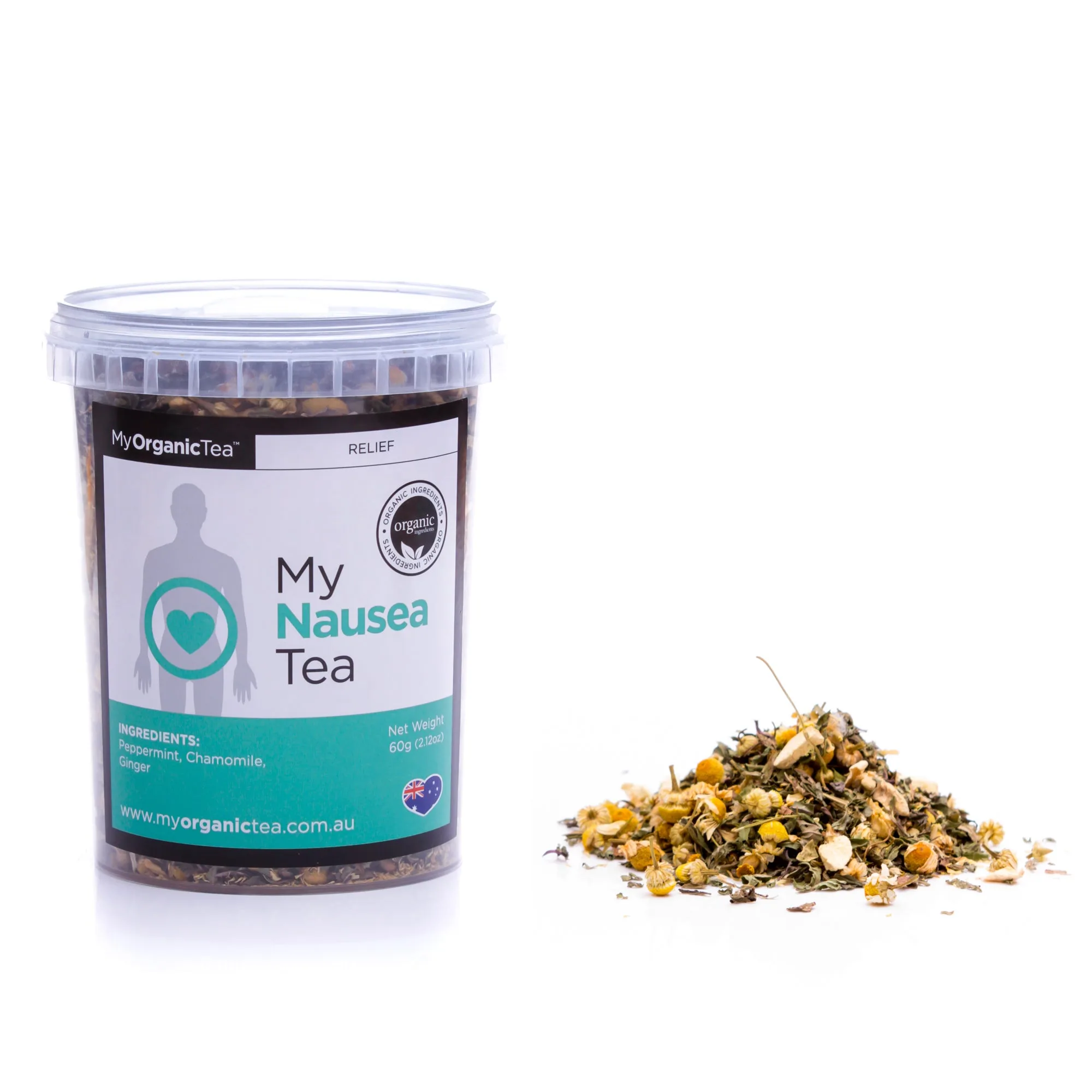
- My Nausea Tea 60 Grams (30 Serves): My Nausea Tea is recommended to help relieve nausea associated with morning sickness, and the herbs are safe for expecting mothers. Start with a half dose and consult your doctor if unsure. If you are using this tea for a specific need, freshness matters—older tea may be less effective, so check the date and store it carefully.