Quick answer
A vacuum-insulated tumbler can keep ice for several hours, and in good conditions it can stretch toward a full day, but no tumbler guarantees ice at hour 10 or 12. The biggest factors are how full you fill it, how well the lid seals, and how cold the drink and ice start. If you want the longest ice retention, choose a tumbler with a sealed lid and straw, fill it nearly to the top with ice, and pre-chill it with cold water first.
What actually determines ice retention in a tumbler
Ice retention is a race between how much cold you start with and how fast heat gets in. A tumbler with vacuum insulation slows heat transfer through the walls, but heat still enters through the lid, the straw opening, and every time you take a sip. That is why two tumblers with the same capacity can behave differently: a sealed silicone straw and a tight lid reduce air exchange, while an open or loose lid lets warm air in with every tilt.
Fill level matters just as much. A tumbler packed with ice and topped off with cold liquid has far more thermal mass than one with a few cubes floating in room-temperature water. The more ice you start with, the longer it takes to melt, because the ice absorbs heat before the drink warms.
How long can you realistically expect ice to last?
In typical indoor or shaded conditions, a vacuum-insulated tumbler with a sealed lid can hold ice for roughly 6 to 12 hours. Outdoors in direct sun or a hot car, expect the shorter end of that range. If you pre-chill the tumbler, use large cubes or a single block of ice, and keep it out of the sun, you can push toward the longer end. No tumbler keeps ice indefinitely, and results vary by starting temperature, fill level, and how often you open the lid.
Does double-wall insulation actually work?
Yes, double-wall vacuum insulation works by removing the air between two stainless steel walls. Without air to conduct heat, the walls slow the transfer of outside warmth into your drink. That is why a vacuum-insulated tumbler stays cold longer than a single-wall cup, and it is also why the outside stays dry instead of sweating. The insulation does not cool the drink; it only slows warming. Your starting temperature and ice volume still do most of the work.
Why a 30 oz tumbler can hold ice longer than a smaller one
A 30 oz tumbler has more room for ice and liquid, which means more thermal mass to absorb heat before everything melts. The larger volume also means the surface area-to-volume ratio is more favorable than a small cup, so heat enters more slowly relative to how much cold you have stored. If ice retention is your priority, a larger tumbler filled nearly to the top will usually outperform a smaller one that is only half full.
Simple habits that extend ice retention
Pre-chill the tumbler with cold water or a few ice cubes for a minute before you fill it. Use large cubes or a single block rather than crushed ice, because less surface area means slower melting. Fill the tumbler as full as you can, keep the lid sealed between sips, and store it in the shade or a cup holder instead of direct sun. If your tumbler has a straw, make sure the straw seals to the lid so air does not leak in around it.
When ice retention is not the right goal
If you mainly drink hot coffee or tea, ice retention is irrelevant, and you should look for a tumbler that handles heat without a straw. If you need a bottle for a child or for tight cup holders, a smaller insulated bottle with a carry handle may be more practical than a large tumbler. And if you only need a drink cold for a short commute, a basic insulated tumbler is enough; you do not need to chase maximum ice hours.
FAQ: Ice retention questions answered
How long do insulated tumblers keep ice?
Typically 6 to 12 hours in moderate conditions, depending on fill level, lid seal, and starting temperature. Direct sun or a hot car shortens that range. Aim for 6 to 12 hours as a realistic window, not a guarantee.
Does double wall insulation work?
Yes. The vacuum between the walls removes air, which slows heat transfer and keeps the outside from sweating. It does not actively chill the drink. Insulation slows warming; it does not reverse it.
What is the best way to get a 30 oz tumbler to keep ice longer?
Pre-chill the tumbler, fill it nearly to the top with large ice cubes, use a sealed straw or lid, and keep it out of direct sun. More ice and less air exchange equals longer ice retention.
Can a small insulated bottle keep ice as long as a large tumbler?
Usually not, because it holds less ice and has less thermal mass. A 14 oz. bottle is better for shorter trips, while a 30 oz. tumbler is better for all-day cold. Match capacity to how long you need ice to last.
Catalog facts that affect ice retention
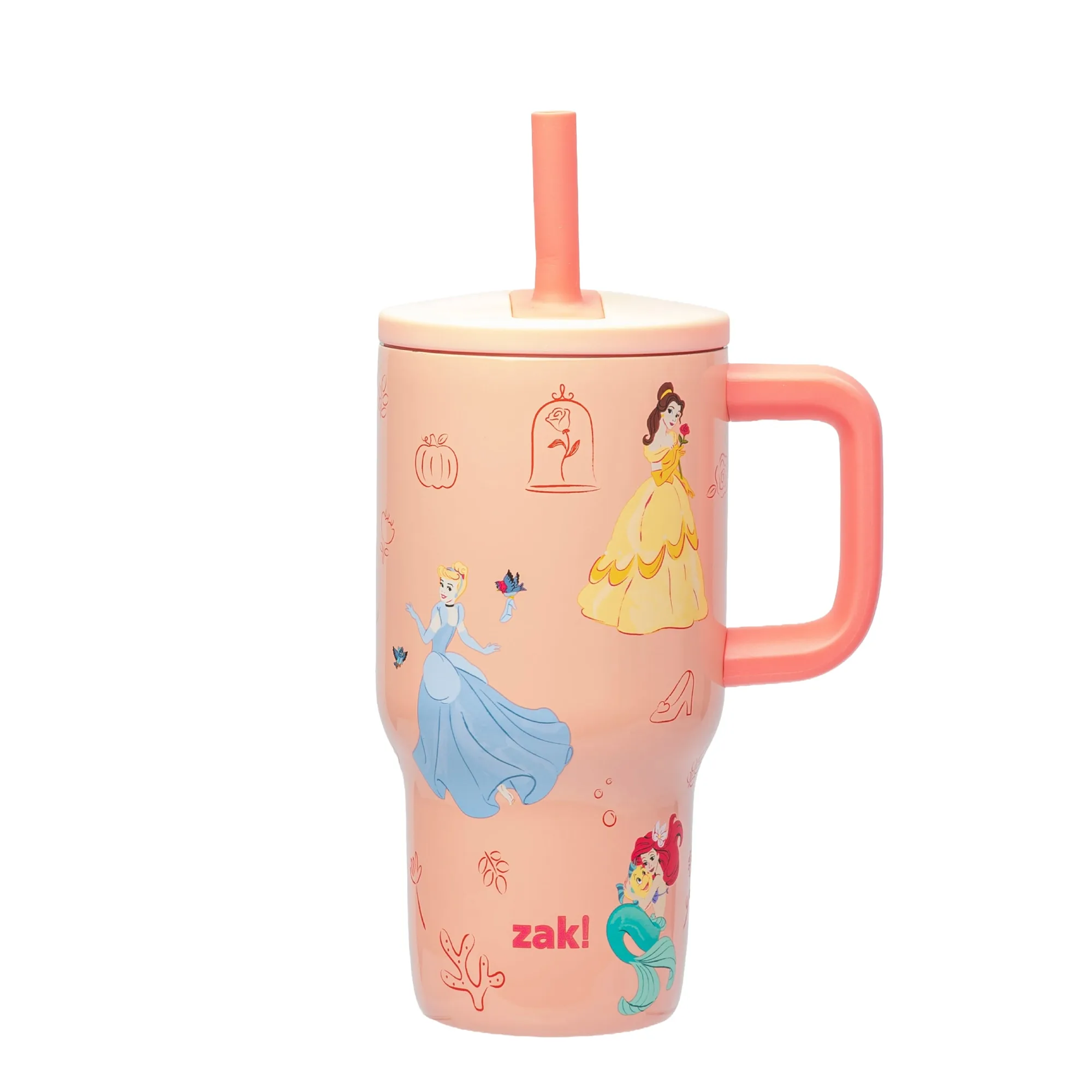
- Sutton Insulated Tumbler, 30 oz.: The Sutton 30 oz. tumbler has a robust carrying handle, a sealed silicone straw, and vacuum insulation that keeps water cold for hours. The sealed straw limits air exchange, and the 30 oz. capacity gives you more room for ice, both of which help ice last longer.
- Fairway Insulated Tumbler, 16 oz.: The Fairway 16 oz. tumbler has vacuum insulation that keeps drinks fresh and cool while stopping condensation and water rings, plus a silicone straw sealed to the lid to help prevent splashes and spills. The sealed straw reduces warm air entering the cup, and the condensation control keeps the outside dry, but the smaller 16 oz. size holds less ice than a 30 oz. tumbler.
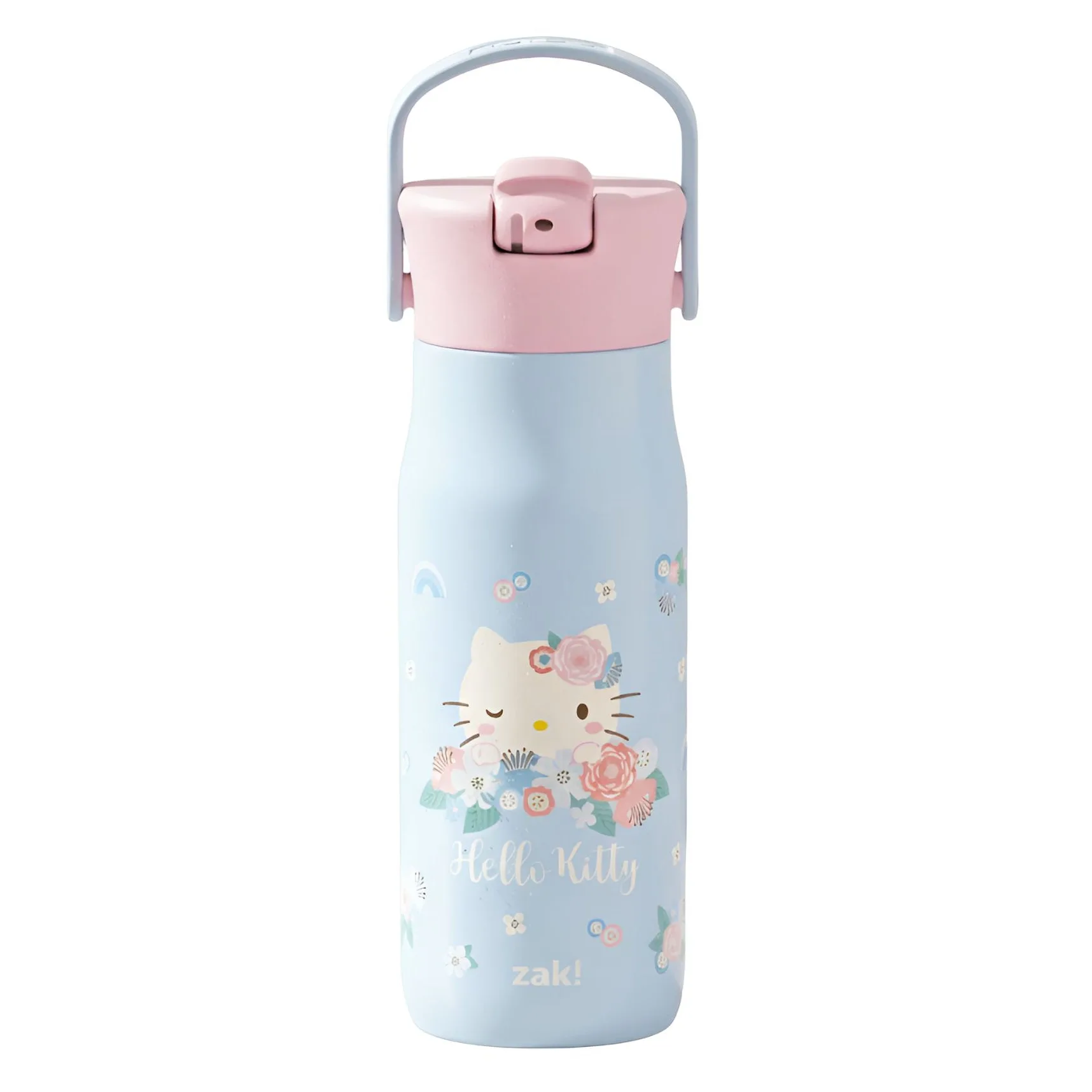
- Beacon Insulated Bottle, 14 oz.: The Beacon 14 oz. bottle has a wide carrying handle, a lid that snaps tight to prevent leaks, a soft silicone spout, and double-wall vacuum insulation. A tight lid and double-wall insulation slow heat transfer, making it a good choice when you want a cold drink for a shorter outing rather than all-day ice.