Quick answer
Limited edition prints can hold value, but only when three things line up: a genuinely small edition, an artist with steady collector demand, and a print kept in excellent condition with its documentation. An edition of 10 helps because scarcity is built in, yet scarcity alone doesn't guarantee resale value. Buy the image you'd happily keep on your wall, then treat resale as a possible bonus rather than the reason to purchase.
What actually drives an edition of 10 print's value
Scarcity sets a ceiling, not a floor. A limited edition of 10 means only ten prints exist in that size and format, so supply can't expand to meet future demand. That matters when an artist's following grows after you buy. But if few people want the image, a small edition simply means few people are competing for it.
Demand is the harder half of the equation, and it's built from track record: consistent bodies of work, gallery or direct-sale presence, and collectors who already own pieces. Condition is the third lever, and it's the one you control. A print with fading, moisture damage, or a trimmed margin loses value fast, while one stored flat in its original packaging with its edition documentation keeps its options open.
How to read edition documentation before you buy
Ask what the edition number refers to. A stated edition of 10 should describe a specific size and printing, not the total number of images the artist has ever sold. If the same photograph is available in several dimensions, confirm whether each dimension is its own edition or whether all sizes draw from the same pool of ten.
Then check what accompanies the print. A signed and numbered piece with a certificate or written edition details is easier to resell than an unsigned sheet, because a future buyer can verify what they're getting without taking your word for it. If documentation is thin, treat that as a real limitation on resale rather than assuming it can be sorted out later.
Resale value factors you can influence
You can't control the market, but you can control how a print ages. Keep it out of direct sun, avoid damp basements and hot attics, and handle it by the edges or with gloves. If you frame it, use archival materials and UV-filtering glazing so the print isn't damaged by the very display that shows it off.
Keep the original packaging, any certificate, and your purchase receipt together in one folder. When you eventually sell, a buyer wants the whole package, and missing paperwork is one of the most common reasons a private sale stalls or gets discounted.
Decision rules for buying a limited edition print
- If the edition size is small and documented: Confirm the edition of 10 applies to the specific size you're buying and that the print arrives signed, numbered, and accompanied by edition details. No documentation, no resale assumption.
- If the price sits near the top of your comfort range: Compare it against the artist's other editions at the same size. A higher price needs a stronger reason — subject, rarity, or a body of work you expect to keep following. Buy the image, not the discount off a comparison price.
- If you're buying primarily to resell: Skip it unless you can name who the future buyer is and where they'd find the work. Private resale of photography prints is slow and depends on the artist's continued visibility. Treat resale as a bonus, never the plan.
- If you plan to frame and hang it: Use archival matting and UV-filtering glazing, and keep it away from direct sun and damp walls so condition doesn't quietly erode value. Condition is the value factor you fully control.
Examples from the current catalog
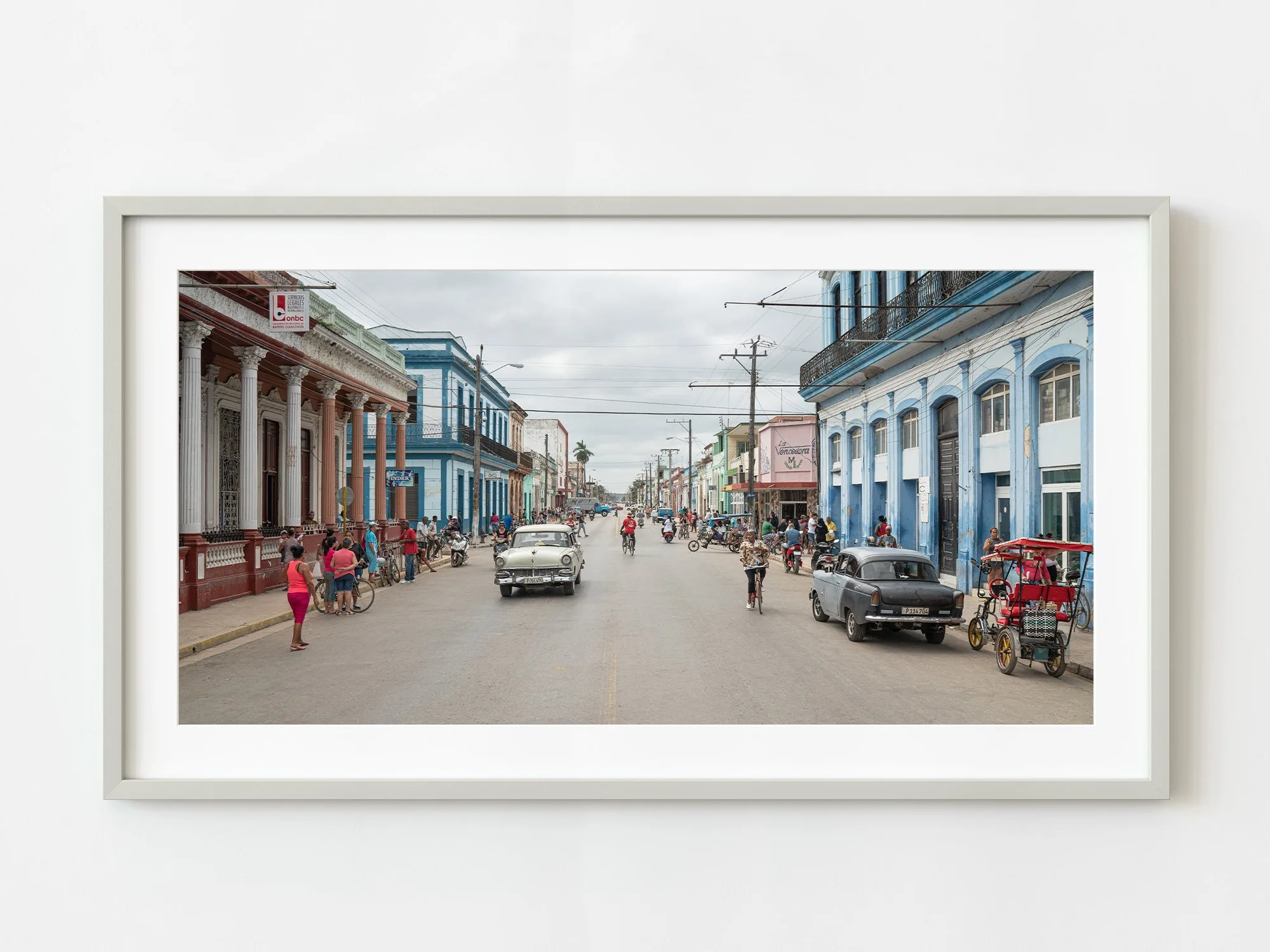
- Life in the streets of Cardenas Matanzas Cuba | Limited Edition of 10: Life in the streets of Cardenas Matanzas Cuba is a limited edition of 10, priced at USD 137.31 against a catalog comparison price of USD 199.00, and available in selectable dimensions. A higher entry price on a 10-print edition means fewer buyers can absorb it later, so demand for the artist's Cuban street work matters more than the discount off comparison price.
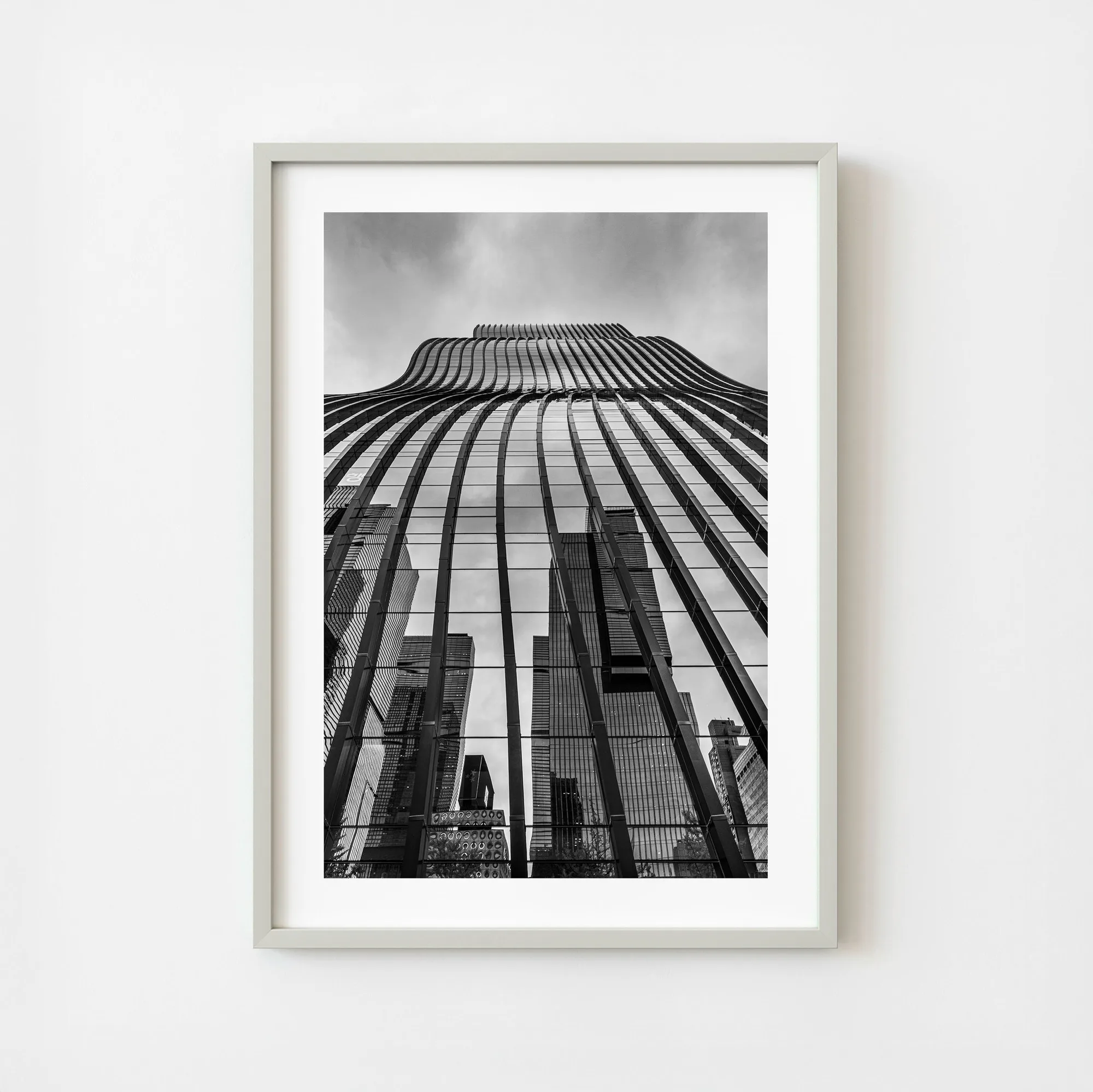
- South Korea Seoul Seocho Modern Skyscraper Reflection Monochrome Architecture Wall Art | Limited Edition of 10: The Seoul Seocho skyscraper monochrome print is a limited edition of 10 at USD 53.72 against a catalog comparison price of USD 79.00, with selectable dimensions. A lower price point on the same edition size lowers your risk if resale never happens, which suits a first limited-edition purchase.
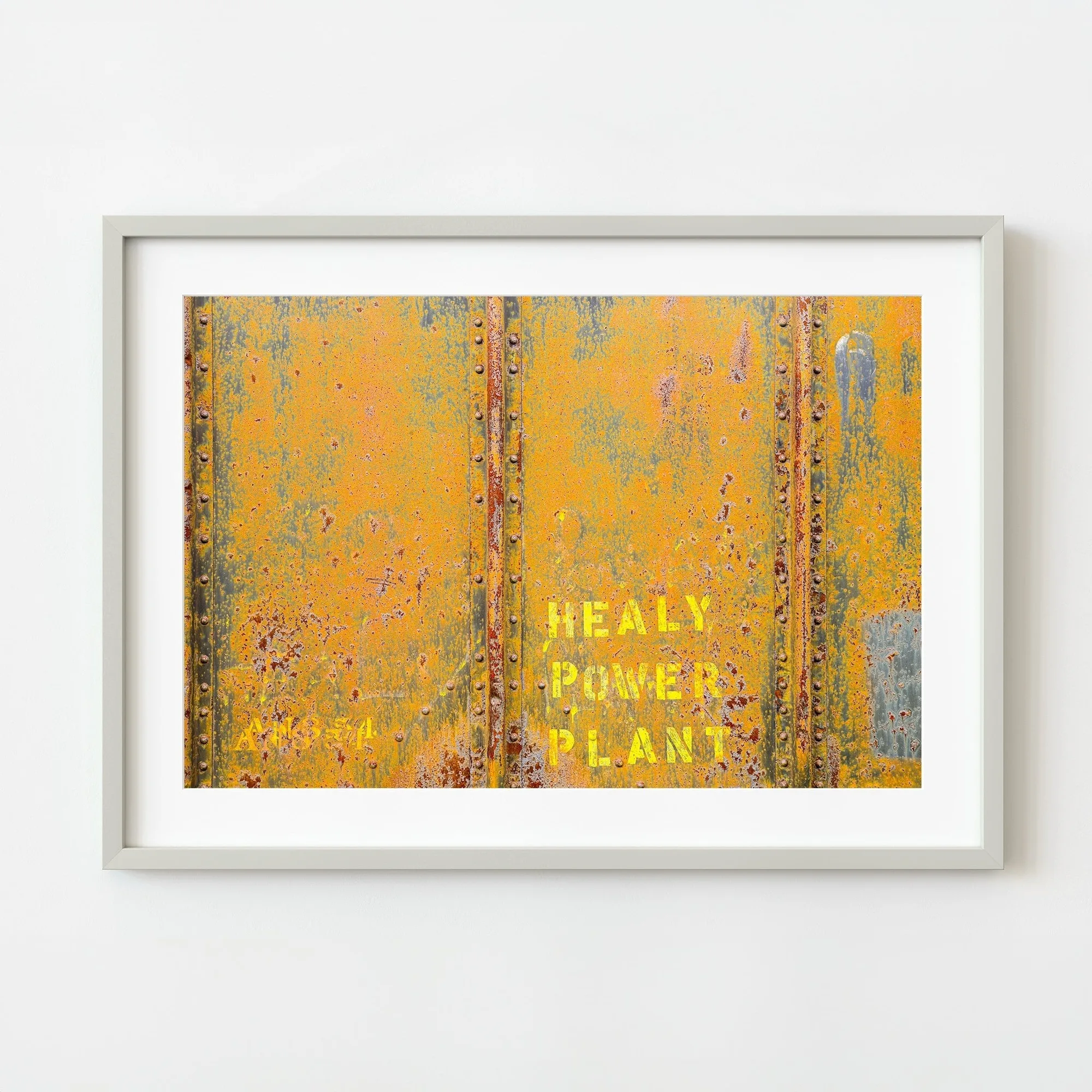
- Railcar rust background | Limited Edition of 10: Railcar rust background is a limited edition of 10 at USD 49.77 against a catalog comparison price of USD 79.00, shot at an outdoor transportation museum in Alaska and showing faded, peeling paint and rust. Subject matter with a narrow, devoted audience can hold value well within that niche even when it won't appeal to a broad market.
Who should buy a limited edition print
Best for
- Collectors who want a specific image and accept that resale may never happen
- Buyers who will store the print flat with its certificate, receipt, and original packaging
- People building a small, deliberate collection around one artist's work
Not for
- Buyers expecting a quick or guaranteed return on a photography print
- Anyone who will hang the print in direct sun or a damp room and skip archival framing
- Shoppers who only want wall coverage and don't care about edition size or documentation